
Have you ever noticed your toddler struggling to speak clearly or being slower to start talking compared to other kids their age? You’re not alone, and it’s natural to be concerned about your child’s speech development.
Could enlarged adenoids be a hidden culprit behind speech delays in toddlers? Understanding the connection between adenoids and speech can be crucial for you as a parent. Imagine unlocking the secret to improving your child’s speech simply by addressing an issue you might never have suspected.
This article will dive into how enlarged adenoids can impact your toddler’s ability to communicate effectively, and what steps you can take to help them thrive. Get ready to uncover insights that could make a difference in your child’s life, bringing clarity to a topic that might be more relevant to you than you think. Stay with us as we explore this important issue and empower you with the knowledge you need.
Credit: www.speechbuddy.com
Adenoids In Toddlers
Adenoids are small tissue masses at the back of the nasal cavity. They play a role in a child’s immune system. In toddlers, adenoids can sometimes become enlarged. This can affect breathing and other functions. Some parents notice speech delays in their children. Could enlarged adenoids be the cause?
Role Of Adenoids
Adenoids help trap harmful bacteria and viruses. They are part of the body’s defense system. In toddlers, adenoids are usually larger. This size helps them fight infections. As children grow, adenoids usually shrink. They become less important to the immune system over time. But, if they stay enlarged, problems may occur. Breathing, sleeping, and speech can be affected.
Common Symptoms Of Enlarged Adenoids
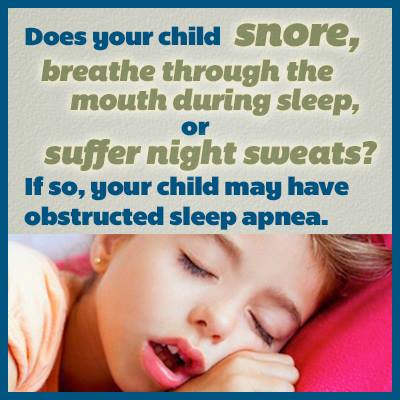
Toddlers with enlarged adenoids may show certain symptoms. They might breathe through their mouth more often. Snoring during sleep is common. Some children may have a stuffy nose. Ear problems can also occur. Speech may be unclear or delayed. Parents might notice their child speaks nasally. These symptoms can affect daily life.

Credit: www.banterspeech.com.au
Speech Development In Early Childhood
Speech Development in Early Childhood is a fascinating journey filled with adorable mispronunciations and cute babbling. As your toddler begins to interact with the world, understanding how speech develops can be quite enlightening. Have you ever wondered how certain physical conditions, like enlarged adenoids, might impact this process?
Milestones In Toddler Speech
Every child is unique, yet there are common milestones that toddlers typically reach. At around 12 months, many start saying simple words like “mama” or “dada.” By age two, they might be stringing together two-word phrases. It’s exciting to watch your toddler’s vocabulary grow, but what happens if these milestones are delayed?
Delays can cause concern, but knowing the range of normal development is important. If your child hasn’t reached a milestone, it might be worth exploring possible reasons, including physical conditions like enlarged adenoids.
Factors Influencing Speech Development
Speech development is influenced by various factors, both internal and external. Genetics play a role; some children naturally develop speech faster than others. However, environmental factors, such as exposure to language and social interaction, are equally significant.
Physical health can also impact speech. Conditions like enlarged adenoids might affect your child’s ability to articulate sounds clearly. This could lead to speech delays. How can you identify if this is the case? Regular check-ups with a pediatrician can provide valuable insights.
Have you considered the importance of interaction? Encouraging conversation and reading aloud are effective ways to support speech development. These activities provide your toddler with ample opportunity to practice new sounds and words.
As you observe your toddler’s speech progression, are you actively engaging with them to foster growth? What steps are you taking to ensure they are surrounded by enriching language experiences?
Link Between Enlarged Adenoids And Speech Delay
Understanding the link between enlarged adenoids and speech delay in toddlers is crucial for parents and caregivers. Enlarged adenoids can lead to a range of health issues, and speech delay is one of the less obvious yet impactful consequences. If you’ve noticed your toddler struggling to articulate words, it might be worth considering their adenoid health. Let’s explore how enlarged adenoids affect speech and what research says about this connection.
How Enlarged Adenoids Affect Speech
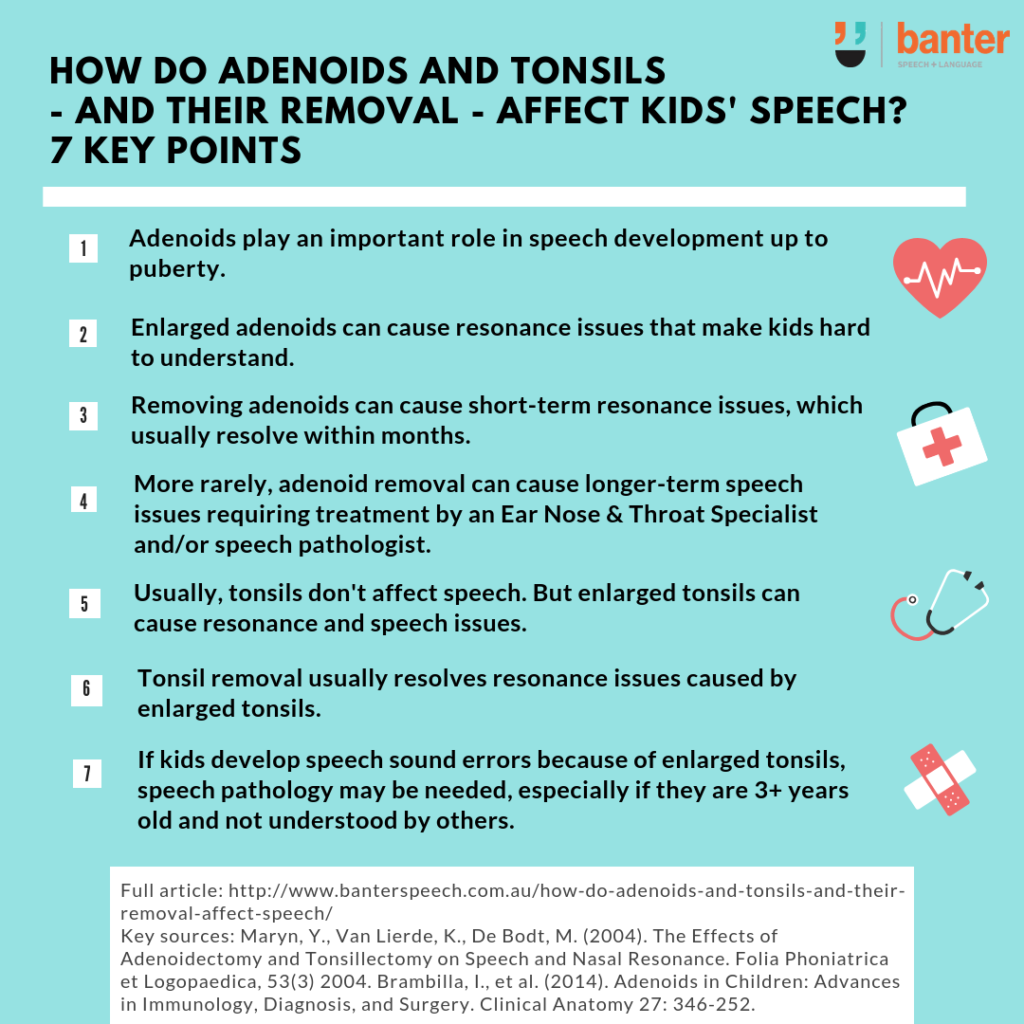
Enlarged adenoids can obstruct airflow, making it difficult for toddlers to breathe through their nose. This blockage can alter the natural way they learn to form sounds. When toddlers rely heavily on mouth breathing, it can affect the clarity and quality of their speech.
A cousin of mine noticed her child’s speech was muffled and unclear. After consulting a doctor, they found that enlarged adenoids were the culprit. Once treated, there was a noticeable improvement in speech clarity. This highlights how addressing adenoid issues can directly impact speech development.
Are you seeing similar symptoms in your toddler? Consider a medical evaluation to identify if enlarged adenoids might be affecting their speech.
Research Studies And Findings
Research has shown a significant connection between enlarged adenoids and speech delay. A study conducted by pediatric specialists observed toddlers with chronic adenoid enlargement. They found that speech clarity improved after surgical removal of adenoids.
Another study focused on the speech patterns of children with obstructed nasal passages. It revealed that nasal obstruction due to enlarged adenoids can lead to speech development delays. This research emphasizes the importance of addressing adenoid issues early.
Have you considered how medical research could guide you in supporting your child’s speech development? Exploring these studies can offer insights and prompt you to seek medical advice.
In the journey of parenthood, understanding and addressing physical health issues like enlarged adenoids can make a significant difference in your toddler’s speech development. Could this be the missing piece in your child’s speech puzzle?
Credit: www.banterspeech.com.au
Diagnosing Enlarged Adenoids
Enlarged adenoids can affect a toddler’s health. They may even impact speech development. Recognizing this condition early can be crucial. Understanding the signs helps in getting timely medical attention. Parents should remain observant. Seek advice from a healthcare professional if needed.
Signs Parents Should Watch For
Parents often notice certain signs in toddlers with enlarged adenoids. Breathing through the mouth can be a common sign. Snoring during sleep is another. Persistent nasal congestion without a cold might occur. Recurrent ear infections could also hint at enlarged adenoids. Speech delay or unclear speech can be concerning.
Medical Evaluation And Tests
A doctor may perform a physical examination. They might check for enlarged adenoids. Using a small mirror, they look at the back of the throat. X-rays can provide more detail. A nasal endoscopy offers a closer look. These tests help in confirming the diagnosis. A proper evaluation leads to the right treatment plan.
Treatment Options
Toddlers with enlarged adenoids might experience speech delays, affecting their communication skills. Addressing this issue early can improve their development. Various treatment options are available, tailored to the child’s needs. Parents and caregivers can explore non-surgical and surgical methods to help their children.
Non-surgical Approaches
Non-surgical methods often involve lifestyle changes or medications. Doctors might recommend nasal sprays to reduce adenoid swelling. These can ease breathing and improve speech clarity. Allergies may contribute to enlarged adenoids. Treating allergies might lessen adenoid size. Another approach involves monitoring the condition. Regular check-ups help track progress and decide if further intervention is needed.
Surgical Interventions
Surgery is an option when non-surgical methods aren’t effective. Adenoidectomy is the procedure to remove enlarged adenoids. It helps children breathe and speak better. Surgeons usually perform this under general anesthesia. Recovery is quick, with children returning to normal activities soon. Parents should discuss potential risks with the surgeon. Understanding the benefits and drawbacks aids in making informed decisions. Surgery can significantly enhance a child’s speech development.
Supporting Speech Development
Supporting your toddler’s speech development can be a rewarding journey, especially if you’re concerned about enlarged adenoids affecting their communication skills. Understanding how to nurture their speech can make a significant difference. You can take simple steps to enhance your child’s ability to articulate words and express themselves clearly.
Speech Therapy Techniques
Engaging with speech therapy techniques can be incredibly beneficial for toddlers. Speech therapists often use games and activities that make learning fun. For example, they might use flashcards with pictures to encourage word association and repetition. Try practicing these at home by pointing out objects and having your toddler repeat their names. Encouraging them to describe what they see can boost their vocabulary.
Another effective technique is singing songs with repetitive lyrics. Toddlers love music and rhythm, which can help them remember words and phrases. You might find your child singing along even when they aren’t prompted. This activity not only improves speech but also makes the process enjoyable for both of you.
Home Activities For Toddlers
At home, you can create a speech-friendly environment with daily activities. Consider reading bedtime stories together, emphasizing different sounds and words. This practice can spark curiosity and improve language skills. You might notice your toddler eagerly flipping through pages and mimicking the sounds you make.
Interactive play is another great way to support speech development. Simple games like ‘Simon Says’ encourage toddlers to follow instructions and articulate their actions. You can also use toys that require verbal interaction, such as dolls or action figures, to promote storytelling and dialogue.
Have you considered involving your toddler in everyday tasks? Cooking together or sorting laundry can provide opportunities to name objects and describe actions. These real-life scenarios offer a practical way to expand their vocabulary without making it feel like a chore.
Fostering speech development is a proactive approach that requires patience and creativity. Each child is unique, and what works for one may not work for another. By integrating these techniques and activities into your daily routine, you’re setting a strong foundation for your toddler’s communication skills.
Are there other activities you’ve found helpful? Your insights could be invaluable to other parents navigating similar challenges.
When To Seek Professional Help
Parents often worry about their toddler’s speech development. If your child is struggling, it may be more than just slow progress. Enlarged adenoids might be part of the problem. Identifying when to seek help is crucial for your child’s growth.
Early intervention can make a big difference. Knowing the right time to consult professionals ensures effective support. Let’s explore key indicators and the importance of consulting healthcare providers.
Indicators Of Speech Delay
Watch for signs of speech delay. Limited vocabulary is a major indicator. Difficulty in forming sentences might be a concern. If your toddler struggles to communicate, this could signal a delay.
Pay attention to their response to sounds and speech. If they do not respond, it may be time to act. These signs can help identify speech issues early.
Consulting Healthcare Providers
Seek professional advice if you notice speech delay. A pediatrician can provide valuable insights. They will assess whether enlarged adenoids are affecting speech.
An ear, nose, and throat specialist might be necessary. They have expertise in adenoid-related issues. Professional guidance ensures proper diagnosis and treatment.
Don’t hesitate to reach out. Timely help can improve your child’s speech development significantly.
Frequently Asked Questions
Will Removing Adenoids Help Speech?
Removing adenoids can improve speech if they cause nasal obstruction or breathing issues. Enhanced airflow may aid clearer speech. Consult a doctor for personalized advice.
What Are The Symptoms Of Enlarged Adenoids In Toddlers?
Enlarged adenoids in toddlers cause breathing through the mouth, snoring, nasal congestion, sleep apnea, and ear infections. They may experience difficulty swallowing and chronic runny nose. Parents might notice a nasal-sounding voice and restless sleep. These symptoms can affect the child’s daily activities and overall well-being.
Do Adenoids Affect Brain Development?
Enlarged adenoids can affect breathing and sleep quality. Poor sleep may impact cognitive development in children. Consult a healthcare professional for advice on adenoid issues and their potential effects on brain development. Proper treatment can help alleviate related concerns and promote better overall health.
Can Enlarged Adenoids Cause Behavioral Issues?
Enlarged adenoids can lead to sleep disruptions, causing fatigue and irritability. These issues may affect behavior and concentration. Timely consultation with a healthcare professional can help in managing symptoms effectively. Proper diagnosis and treatment can improve sleep quality and behavioral concerns in affected children.
Conclusion
Enlarged adenoids can impact a toddler’s speech development. They might cause speech delay. Recognizing symptoms early is crucial for timely intervention. Parents should consult healthcare professionals. They can assess and recommend appropriate treatments. Addressing the issue promptly helps improve speech skills.
Regular check-ups can ensure healthy development. Simple lifestyle changes might also help. Proper guidance and support are vital. This ensures your toddler’s speech progresses smoothly. Stay informed and proactive. Your child’s well-being is always the priority.