
If you’re worried about your child’s speech development, you’re not alone. Many parents like you wonder why their little ones are not talking as expected.
Understanding what might be causing a speech delay is crucial. It helps you take the right steps to support your child’s growth. Unraveling the mystery behind the most common cause of speech delay can empower you with knowledge and peace of mind.
This article will guide you through the main reasons children might experience delays in speech, offering insights and solutions that can make a real difference in your child’s communication journey. Dive in, and discover how you can help your child find their voice.

Credit: www.facebook.com
Speech Delay Overview
Speech delay is a common developmental issue. Many children experience it. It refers to a child’s inability to speak at the expected age. Parents often worry when their child doesn’t talk. Understanding speech delay can help. It can ease concerns and guide towards solutions.
What Is Speech Delay?
Speech delay occurs when a child doesn’t develop speech as expected. It might be due to various reasons. Each child grows at their own pace. Sometimes, speech takes longer to develop. It’s important to identify the cause. Early intervention can be beneficial.
Signs Of Speech Delay
Children with speech delay often show specific signs. Limited vocabulary is one sign. Difficulty forming sentences is another. Struggling to pronounce words can also be a sign. Watching for these signs helps. It can lead to early support.
Common Causes
There are many causes of speech delay. Hearing problems can affect speech development. Ear infections are a common issue. They impact a child’s ability to hear. This affects speech learning.
Environmental Factors
Environment plays a role in speech delay. Limited interaction with family can affect speech. Exposure to multiple languages might delay speech. Children need consistent language exposure. This helps in developing speech skills.
Developmental Disorders
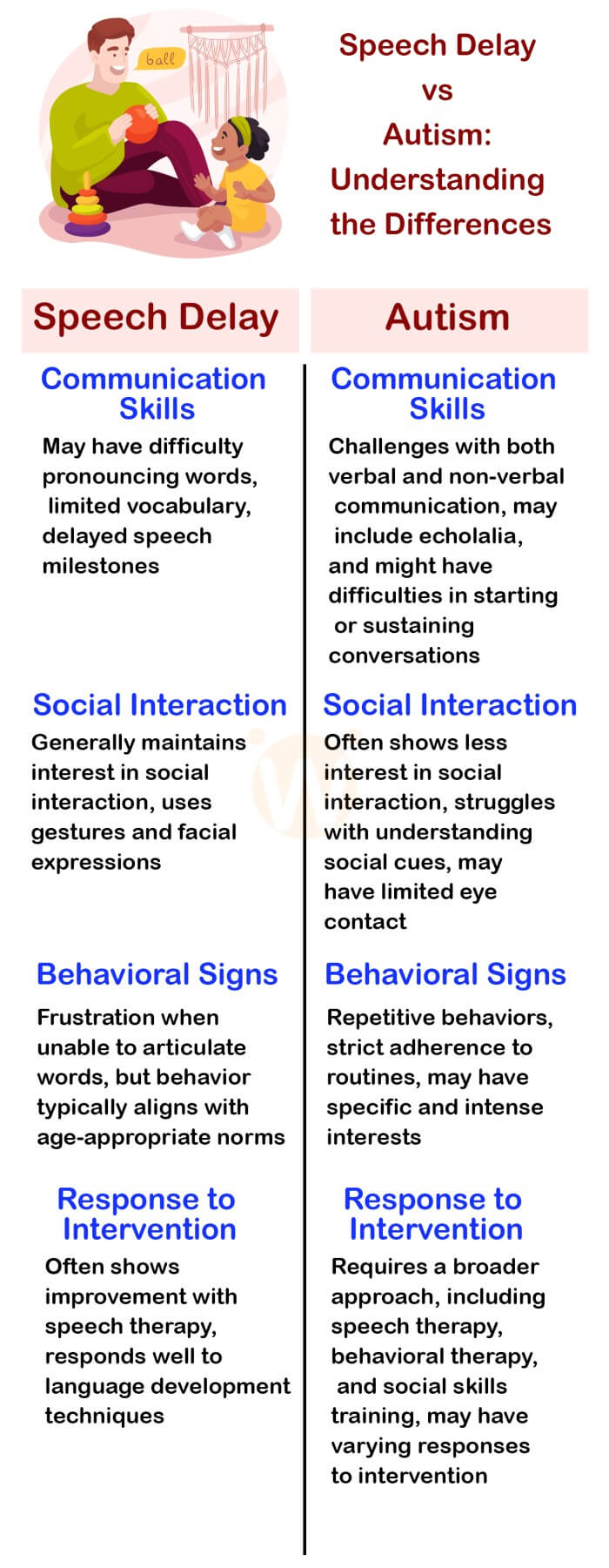
Some developmental disorders lead to speech delay. Autism spectrum disorder is one example. It affects communication skills. Other disorders like Down syndrome can also cause delays. Understanding these conditions is crucial.
Seeking Help
It’s vital to seek help if speech delay is suspected. Professionals can assess the situation. Speech therapists offer valuable support. They create tailored strategies. These strategies help children overcome speech delays. Early intervention can make a significant difference.
Early Warning Signs
Identifying speech delays early is crucial for effective intervention. Parents should watch for key signs in their child’s development. Early detection can help mitigate potential challenges. Understanding these signs is essential for caregivers.
Early Babbling Absence
Babbling usually starts around 4 months. A delay may indicate speech issues. Babies explore sounds by babbling. Lack of babbling could be an early sign of delay.
Limited Use Of Gestures
By 12 months, gestures like pointing are common. Gestures help communicate before words form. Limited gestures may signal speech delay. Observing these can provide insights.
Minimal Word Formation
Most toddlers say simple words by age two. Few words at this age might be concerning. Children express through words, gestures, or sounds. Less word formation can indicate a delay.
Difficulty Following Simple Instructions
Children should follow basic instructions by age two. Difficulty understanding simple commands may suggest a delay. Listening and responding are key communication skills. Observing their response to instructions can be revealing.
Lack Of Interest In Social Interaction
Social interaction is crucial for speech development. Limited interest in social activities may signal a problem. Children usually engage with peers and adults. Observing interaction can identify potential issues.
Developmental Milestones
Understanding developmental milestones is key to recognizing speech delays in children. These milestones are crucial indicators of a child’s growth and learning. They offer a timeline of what most children can do at different ages. But what happens when your child doesn’t follow this timeline? It can be worrying.
When my niece was two, she wasn’t speaking as much as other kids her age. My sister was concerned. She wondered if she had missed something in my niece’s development. This made her pay closer attention to developmental milestones. It turns out, there was nothing wrong. My niece just took a little longer to start talking.
Understanding Developmental Milestones
Children usually start babbling by six months. By their first birthday, they might say a few words. By age two, they often form simple sentences. These milestones help you track your child’s progress. If your child misses these, it might be a sign to consult a professional.
Why Do Some Kids Miss These Milestones?
Many factors can cause delays. Hearing problems, for example, can affect speech development. Sometimes, it’s a lack of stimulation. If a child doesn’t hear much language, they might not learn it well. It’s important to provide a rich language environment.
The Role Of Family In Speech Development
Your interaction with your child is vital. Talk to them often. Read books together and sing songs. This builds their vocabulary and encourages speech. My sister started reading more to my niece. Soon, she was chattering away happily.
Professional Help: When To Seek It
If your child is behind on milestones, it might be time to seek help. Speech therapists can offer guidance and tools to support development. Early intervention is crucial. It can make a big difference in your child’s speech abilities.
Have you noticed your child struggling with speech? Take a closer look at their developmental milestones. Sometimes, a little extra support can go a long way. Are you ready to explore how you can help your child?
Common Causes Of Speech Delay
Speech delay is a common concern among parents. Understanding its causes can help in addressing the issue effectively. Various factors contribute to speech delay in children. Some are related to hearing, neurological issues, or environmental influences. Here, we explore these factors in detail.
Hearing Impairment
Hearing problems often lead to speech delays. Children learn to speak by listening to sounds. If they can’t hear well, they might struggle to mimic sounds and words. Regular hearing tests can help identify any issues early.
Neurological Disorders
Neurological conditions may affect speech development. These include disorders like cerebral palsy or muscular dystrophy. Such conditions impact the brain’s ability to control muscles used in speech. Early intervention therapies can aid in improving speech skills.
Autism Spectrum Disorder
Speech delay is a common sign of autism. Children with autism might have difficulty with communication. They may struggle with understanding and using language. Specialized therapies can help improve their communication skills.
Environmental Factors
Environment plays a crucial role in language development. Lack of interaction or stimulation can delay speech. Children need exposure to language through talking, reading, and singing. Encouraging a language-rich environment can promote better speech development.
Role Of Genetics
Genetics play a crucial role in speech development. They can influence various aspects of language skills. Many children may experience speech delays due to inherited traits. Understanding the genetic factors can help in addressing these delays effectively.
Understanding Genetic Influence On Speech
Speech abilities often run in families. If parents or close relatives had speech delays, their children might too. This suggests a genetic link. Scientists study genes to find patterns related to speech. Identifying these patterns can assist in early intervention.
Research On Genes And Speech Delay
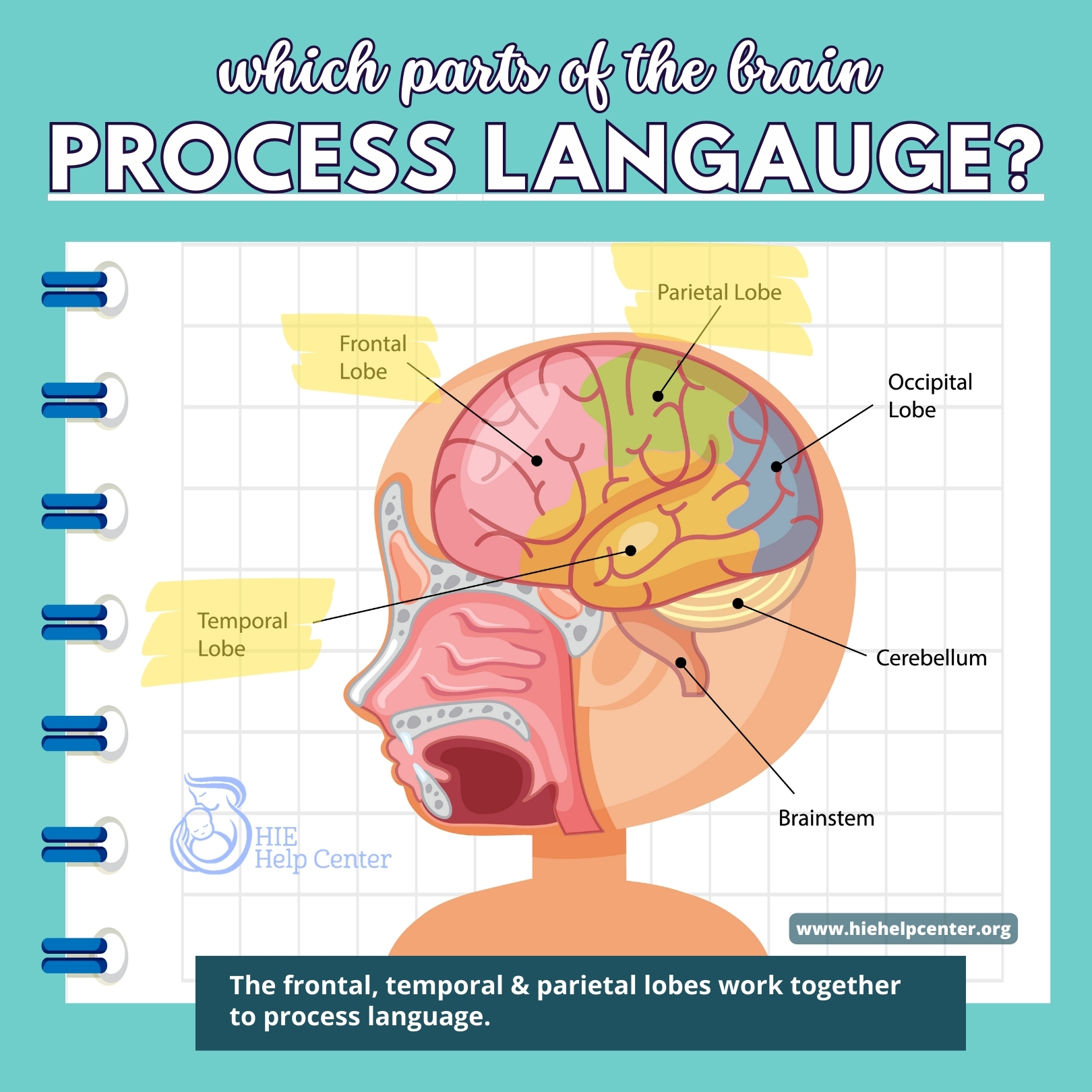
Recent research highlights certain genes linked to speech issues. These genes can affect brain areas responsible for language. By studying these genes, experts hope to find better ways to help children. Early detection is key to managing speech delays.
Genetic Testing And Speech Delay
Genetic testing can provide valuable insights. It helps identify any hereditary factors causing delays. This information aids professionals in creating personalized treatment plans. Families can make informed decisions for their child’s speech therapy.
Environmental Factors Vs. Genetics
While genetics play a role, environment also matters. Children need a stimulating environment to develop speech. Interaction with family and peers can enhance language skills. Balancing genetic and environmental factors is crucial for speech development.
Impact Of Bilingualism
Speech delay often results from various factors, with bilingualism being a notable influence. Children learning two languages may take longer to process and produce speech. This delay is typically temporary as their brains adapt to managing multiple linguistic inputs.
Bilingualism can be a fascinating journey. It might surprise you to learn that it can sometimes impact speech development in children. As you navigate this journey, you may wonder if introducing multiple languages could be delaying your child’s speech. Let’s explore how bilingualism influences speech development.Understanding Bilingualism
Bilingualism means speaking two languages fluently. It’s a skill that can offer countless benefits, including cognitive advantages and cultural awareness. However, it can sometimes create temporary challenges in speech development. Children learning two languages might mix words from each language. This can lead to confusion and slower speech development initially. But don’t worry—this phase is usually temporary.Language Confusion
Picture this: your child hears “apple” at home and “manzana” at school. They might mix these words, saying “manzana apple.” This mix can slow down their ability to speak clearly. It’s essential to encourage them to use one language at a time. You can set specific times for each language, like speaking English in the morning and Spanish in the evening.Impact On Vocabulary
You might notice your child’s vocabulary growing unevenly. They may know many words in one language but fewer in the other. This is normal in bilingual children. Encourage reading and storytelling in both languages. You could read a book in English today and in Spanish tomorrow. This helps balance their vocabulary and boosts their confidence.Speech Delay Vs. Language Delay
It’s crucial to distinguish between speech delay and language delay. Speech delay refers to difficulty in speaking, while language delay involves understanding and using language. A bilingual child may seem delayed in speech but is often just taking more time to process both languages. Be patient and supportive. Celebrate small victories like new words or phrases.Practical Tips For Parents
Here are some actionable tips for you to help your bilingual child: – Consistency: Stick to a routine where each language is used regularly. This helps your child understand when to switch languages. – Engagement: Use games and activities that encourage language use. Simple games like “Simon Says” can be fun and educational. – Exposure: Immerse your child in environments where both languages are spoken. This could be playgroups or cultural events. Are you ready to embrace the challenges and joys of raising a bilingual child? Share your experiences and let us know how bilingualism has impacted your child’s speech development.Importance Of Early Intervention
Early intervention plays a vital role in addressing speech delays. Identifying and treating speech issues early can make a significant difference. Children who receive help at a young age often show marked improvement. Early action helps them catch up with their peers. It also prevents potential long-term communication challenges.
What Is Early Intervention?
Early intervention refers to a range of services. These services support young children with developmental delays. Speech therapists and specialists work closely with the child. They tailor programs to meet specific needs. This approach ensures each child receives personalized care.
Benefits Of Early Intervention
Early intervention offers numerous benefits. It boosts a child’s confidence in communication. Children gain essential skills needed for social interactions. It helps in building better relationships. They also experience enhanced academic performance. Early support can lead to lifelong benefits.
How To Recognize Speech Delays Early
Recognizing speech delays early is crucial. Pay attention to your child’s speech milestones. Delayed babbling or limited vocabulary might be signs. Difficulties in forming sentences can indicate a delay. Consult a specialist if concerns arise. Early detection is key.
Seeking Professional Help
Professional help is essential in managing speech delays. Speech therapists offer valuable insights. They use various techniques to encourage speech development. Regular sessions can lead to steady progress. Professional support ensures a structured approach.
Role Of Parental Involvement
Parental involvement plays a crucial role in addressing speech delay, often caused by limited interaction or stimulation. Engaging with children through conversation and reading can significantly aid their speech development. Regular communication fosters a nurturing environment that supports language skills and reduces the risk of delay.
Parental involvement plays a vital role in a child’s speech development. Many parents wonder how they can actively support their child’s language skills. The truth is, your daily interactions and encouragement can make a significant difference.Understanding Your Child’s Unique Needs
Every child develops at their own pace. Some might need more encouragement and engagement to start speaking. Spend time observing your child’s interests and communication style. Does your child react more to stories or songs? Understanding their preferences helps you tailor activities to boost their speech.Engage In Regular Conversations
Talking to your child is essential. Use simple language and short sentences. Describe your activities, ask questions, and encourage them to respond. Even if they don’t reply with words yet, they are listening and learning. This interaction builds their vocabulary over time.Create A Language-rich Environment
Surround your child with words. Label objects around the house and narrate your actions. Reading books together is another excellent way to introduce new words. Notice how your child lights up when you read their favorite book? That’s a sign they are enjoying and absorbing language.Encourage Play-based Learning
Children learn best through play. Incorporate language into their playtime by asking questions and introducing new vocabulary. Consider how a simple block-building session can turn into a conversation about colors, shapes, and actions. It’s fun and educational!Be Patient And Positive
Your attitude can influence your child’s learning. Celebrate small achievements and avoid putting pressure on them to speak perfectly. Think about the last time you learned something new. Encouragement and patience make the process enjoyable, right? The same applies to your child.Seek Professional Guidance If Needed
If you’re concerned about your child’s speech progress, consulting a professional can be beneficial. Speech therapists offer tailored strategies to support your child’s development. Have you ever sought expert advice to improve a skill? Sometimes, an outside perspective provides valuable insights. By actively engaging in your child’s speech journey, you contribute to their growth in meaningful ways. What small change can you make today to support your child’s language development?Speech Therapy Options
Speech therapy can be a vital resource for children with speech delays. Various options exist to support a child’s unique needs. Choosing the right one can make a significant difference. Let’s explore some popular speech therapy options.
Individual Therapy
Individual therapy offers personalized attention. A speech therapist works one-on-one with the child. This setting helps address specific speech challenges. The therapist tailors strategies to the child’s pace. Progress is often closely monitored. Parents receive regular updates on improvements.
Group Therapy
Group therapy involves several children working together. It provides a social setting for learning speech skills. Children can practice communication with peers. This setting encourages interaction and builds confidence. Therapists guide activities to promote speech development. Feedback is shared among the group.
Home-based Programs
Home-based programs involve activities parents can do at home. These programs offer flexibility for families. Parents can integrate speech practice into daily routines. Resources and exercises are often provided by therapists. This approach can support consistent progress. It allows parents to be actively involved in their child’s development.
Credit: www.mywellnesshub.in
When To Seek Professional Help
Speech delay can worry many parents. Knowing when to seek professional help is crucial. Early intervention can make a big difference. Some signs indicate it’s time for expert advice. Understanding these signs helps parents make informed decisions.
When A Child Is Not Babbling By 12 Months
Babbling is a key milestone. Children usually babble by their first birthday. It’s a sign they are developing speech skills. If a child is not babbling, it may be a concern. Professional evaluation can identify underlying issues.
Limited Vocabulary At Age Two
By age two, children should know several words. They start forming simple sentences. If a child has less than 50 words, it may indicate a delay. A speech therapist can assess and provide guidance.
Lack Of Response To Spoken Language
Children should respond to their name and simple commands. If they don’t react to speech, it could be a sign of a problem. This may require professional intervention. Experts can determine if hearing issues affect speech.
Difficulty In Making Sounds
Speech involves various sounds. Children often struggle with specific sounds. If a child consistently has trouble, it might need attention. Speech therapy can help them learn proper sound production.
Frustration During Communication
Children may feel frustrated if they can’t express themselves. Frequent tantrums during communication attempts are concerning. It indicates they can’t convey their thoughts. Professionals can offer strategies to aid communication.
Credit: hiehelpcenter.org
Frequently Asked Questions
What Is The Number One Cause Of Speech Delay?
Hearing loss is the number one cause of speech delay in children. Early detection and intervention are crucial. Consult a healthcare professional if you suspect speech delays. Addressing hearing issues can significantly improve speech development.
What Is The Best Treatment For Speech Delay?
Speech therapy is the best treatment for speech delay. It involves personalized exercises to improve communication skills. Early intervention is crucial for better outcomes. Consulting a speech-language pathologist can provide tailored strategies. Parents can support progress by practicing exercises at home.
Regular therapy sessions help track and enhance development.
What Is The Root Cause Of Speech Delay?
Speech delay can be caused by hearing loss, developmental disorders, or lack of exposure to speech. Proper evaluation is essential for identifying specific factors. Early intervention improves outcomes, helping children develop communication skills effectively. Parents should consult healthcare providers for personalized guidance and support.
What Is A Red Flag For Speech Delay?
A red flag for speech delay is a child not speaking words by 18 months. Limited vocabulary and unclear speech by age 2 also indicate concerns. If a child struggles with understanding or expressing language, consult a professional. Early intervention can help address potential developmental issues effectively.
Conclusion
Speech delay often concerns many parents. The most common cause? Hearing issues. Early detection is crucial for effective intervention. Regular check-ups can help catch problems early. Speech therapy is beneficial for language development. Parents should engage in conversations with their child daily.
Reading together also supports language growth. Remember, every child develops at their own pace. Patience and support are key. Consult professionals if concerned about your child’s speech progress. It’s important to stay informed and proactive. Always encourage communication in fun, engaging ways.
Your involvement makes a difference in their language journey.