Are you concerned about your child’s speech development? You’re not alone.
Many parents worry when they notice delays in their child’s ability to talk. It’s natural to wonder if these delays might be a sign of something more, like autism. This thought can be overwhelming, filling you with questions and what-ifs.
But before jumping to conclusions, it’s important to understand what delayed speech truly means and how it relates to autism. By the end of this article, you’ll have a clearer picture of what to look for and when to seek professional advice. Let’s explore the connection between delayed speech and autism together, so you can make informed decisions for your child’s well-being.
Credit: www.mywellnesshub.in
Understanding Speech Delays
Speech delays can be concerning for many parents. A child not speaking as expected can cause worry. It’s essential to understand that speech delays have various causes. Not all speech delays mean autism. Knowing the reasons can help ease concerns and guide parents to the right resources.
Tracking speech development milestones can also provide clarity. Understanding what’s typical and what’s not is crucial. Let’s explore the common causes and development milestones.
Common Causes Of Delayed Speech
Several factors can lead to delayed speech in children. Hearing problems are a frequent cause. If a child can’t hear well, they struggle to mimic sounds. This can delay speech development.
Another cause is oral-motor problems. These affect the movement of muscles needed for speech. Children with these issues find it hard to produce sounds.
Sometimes, a child’s environment might influence speech. Limited interaction with others can slow down speech development. In some cases, developmental disorders, like autism, play a role. But it’s vital to remember that not all speech delays are due to autism.
Typical Development Milestones
By certain ages, children hit speech milestones. At one year, they often say simple words. Words like “mama” or “dada” are common. By two years, they usually form two-word sentences. They might say, “more juice” or “big car.”
By three years, vocabulary grows rapidly. They start using three-word sentences. Phrases like “I want cookie” or “look at me” are typical.
Understanding these milestones helps spot delays early. If a child isn’t meeting these, it might be a cause for attention. Early intervention can make a difference in a child’s speech development.
:max_bytes(150000):strip_icc()/is-late-speech-a-sign-of-autism-259888-v2-2cd7a2607c79463db302094da6fbf934.jpg)
Credit: oratoryclub.com
Autism Spectrum Disorder Overview
Autism Spectrum Disorder (ASD) is a developmental condition that affects how a person perceives the world and interacts with others. It’s called a “spectrum” because it includes a range of symptoms and skills. No two people with autism are the same, which makes understanding the disorder both challenging and fascinating.
Many parents worry if delayed speech means autism. However, it’s crucial to first understand the broader characteristics of autism.
Characteristics Of Autism
ASD is characterized by difficulties in social communication and interaction. Some individuals might struggle to make eye contact or understand social cues. Others may have intense interests or engage in repetitive behaviors.
Imagine a child who is deeply fascinated by trains. They might spend hours organizing toy trains in a line, showing a strong focus on detail. This can be a characteristic of autism, but it’s important to remember that interests vary greatly among children.
Key Signs And Symptoms
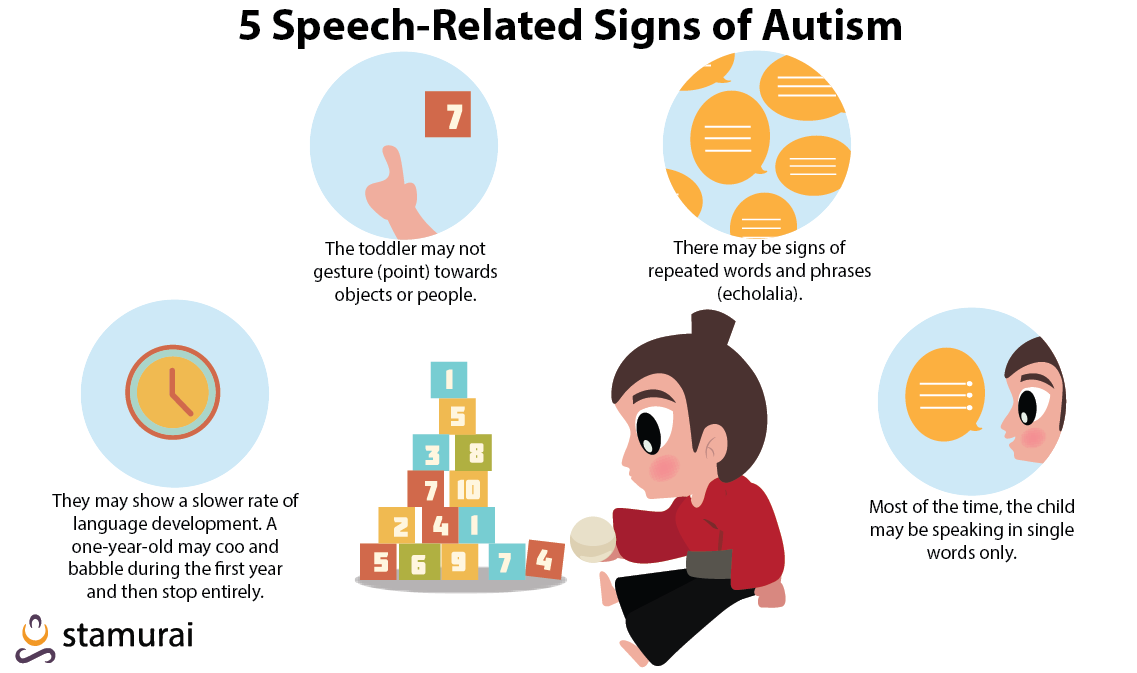
Early signs can appear as young as 18 months. These might include not responding to their name, avoiding eye contact, or not pointing to objects to show interest. However, each child is unique, and symptoms can vary widely.
Some children may develop speech later than their peers. While delayed speech is a concern, it is not an automatic indicator of autism. Consider a child who loves to play alone. This could be a preference for independent play rather than a symptom of ASD.
As you learn more about autism, ask yourself: What unique traits does my child have? Understanding these can help in seeking appropriate support and interventions.
Speech Delays Vs. Autism
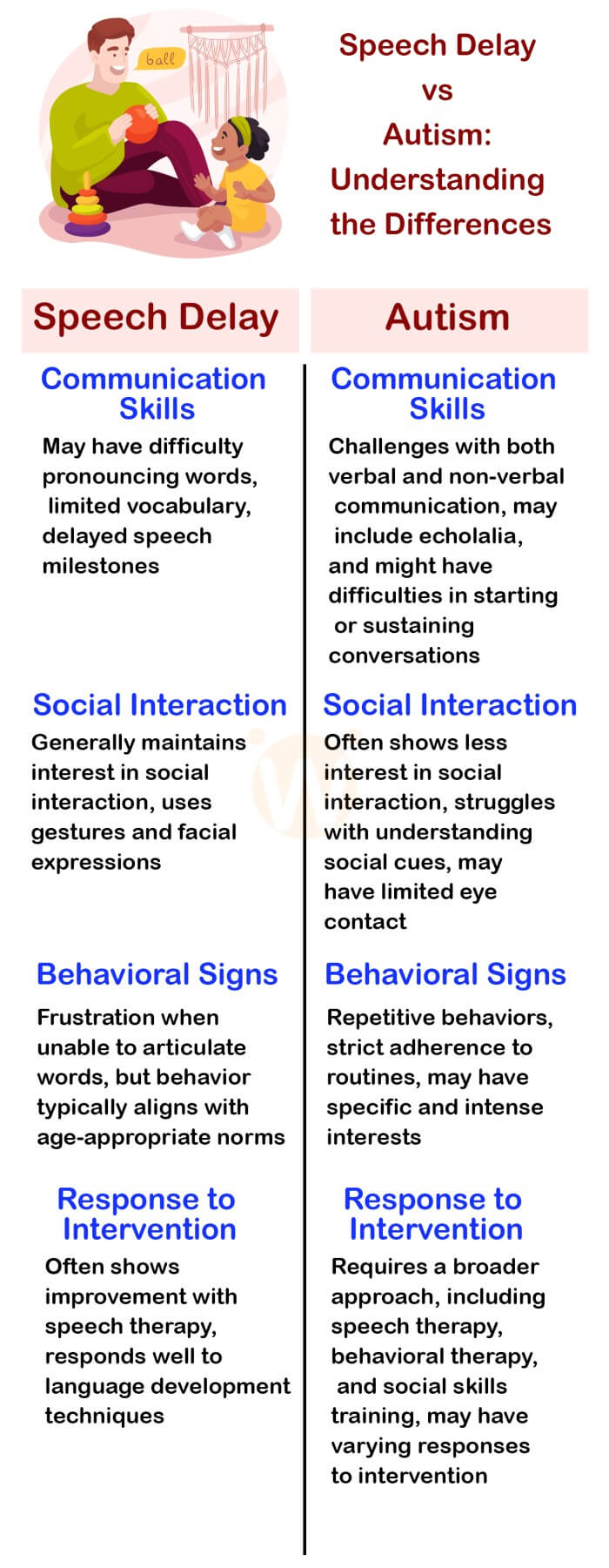
Understanding the difference between speech delays and autism is crucial for parents. Many worry when their child is slow to speak, fearing it might be autism. However, not all speech delays indicate autism. Knowing how to distinguish between the two can ease your concerns and help guide you to appropriate support.
Differentiate Speech Delays From Autism
Speech delays can occur for various reasons. Some children simply develop at their own pace. Others might face environmental factors, like limited exposure to language.
Autism, however, is a developmental disorder that affects communication and behavior. It involves more than just speech delays. Children with autism may struggle with social skills and repetitive behaviors.
One key difference is interaction. A child with a simple speech delay often engages with people well. They might point, use gestures, and show interest in communication.
In contrast, a child with autism might avoid eye contact and show little interest in social interaction. Think about how your child connects with others. Are they interested in playing with peers, or do they prefer being alone?
When Delayed Speech Indicates Autism
In some cases, delayed speech can be a sign of autism. If your child is not just delayed in speech but also shows other signs, it might be worth exploring further.
Consider if they have trouble understanding non-verbal cues. Do they seem unaware of others’ emotions? This could be an indicator of autism.
Also, observe their play habits. Children with autism might have repetitive play styles. They may insist on lining up toys or repeating the same game.
Have you noticed any unusual sensory responses? Some children with autism are overly sensitive to sounds or textures. These behaviors can hint at autism rather than a simple speech delay.
If you suspect autism, seek guidance from a pediatrician or a specialist. Early intervention can make a significant difference. Are you proactive about seeking help when you notice something unusual?
Remember, every child is unique. Trust your instincts and don’t hesitate to ask questions. Your child’s development is a journey, and understanding the signs can help you navigate it better.
Other Factors Affecting Speech
Delayed speech in children might raise concerns about autism. Yet, autism isn’t the sole cause of speech delays. Various factors can impact a child’s ability to communicate effectively. Understanding these factors can help parents and caregivers support their child’s speech development.
Hearing Impairments
Hearing is crucial for speech development. If a child struggles to hear, they might face speech delays. Hearing impairments can range from mild to severe. Even a mild hearing loss can affect speech clarity and learning. Regular hearing tests can identify issues early.
Parents should be alert to signs of hearing problems. Difficulty following conversations or responding to sounds might indicate an issue. Early detection allows for timely interventions, aiding speech development.
Environmental Influences
The environment plays a significant role in speech development. A rich language environment supports learning. Children need exposure to varied language experiences. Interaction with adults and peers enhances vocabulary and understanding.
Limited exposure to language can slow speech progress. Children benefit from storytelling, conversations, and reading. Encouraging communication at home fosters a supportive environment for speech growth. Simple activities like singing songs or naming objects can be beneficial.
Assessment And Diagnosis
Understanding the link between delayed speech and autism can be complex. Assessing and diagnosing this condition requires a careful approach, especially since speech delays can be caused by various factors. The goal is to get a clear picture of the child’s speech development and overall health. Let’s dive into how professionals assess and diagnose speech delays to determine if autism might be the underlying cause.
Speech And Language Evaluations
Speech and language evaluations are crucial in the assessment process. They provide detailed insights into the child’s communication abilities. These evaluations usually involve observing the child in different settings to see how they express themselves verbally and non-verbally.
The speech therapist might use specific tests to measure the child’s understanding and use of language. They might also consider the child’s ability to follow instructions and engage with others. It’s not just about what the child says, but how they say it.
Regular sessions can help track progress and identify any patterns that might suggest autism. Have you ever watched a child engage deeply with a toy, using gestures instead of words? This can reveal much about their communication style.
Role Of Pediatricians And Specialists
Pediatricians play a pivotal role in the early detection of speech delays. During routine check-ups, they observe your child’s developmental milestones, including speech. If concerns arise, they often refer you to specialists for a more comprehensive evaluation.
Specialists, including child psychologists and neurologists, bring a broader understanding of developmental disorders. They look beyond speech, considering factors like social interactions and repetitive behaviors. These professionals use their expertise to differentiate between autism and other causes of speech delay.
The collaboration between pediatricians and specialists ensures a well-rounded assessment. Have you found yourself discussing your child’s behaviors with different professionals? Their insights can piece together a clearer picture of your child’s needs.
When addressing speech delays, it’s essential to consider all aspects of a child’s development. Could early intervention make a difference in how your child communicates? Working closely with professionals can help answer this question and guide you toward the right support for your child.
Intervention Strategies
Delayed speech can be a concern for parents. It doesn’t always mean autism. Early intervention strategies can help identify specific needs and provide support. Understanding individual differences is crucial for effective communication development.
Intervention strategies can significantly impact a child’s communication development. Early detection and action can help children with delayed speech. Various methods can support their progress.Speech Therapy Options
Speech therapy can enhance language skills. Therapists tailor sessions to each child’s needs. They use play-based activities to engage children. These activities help improve vocabulary and sentence structure. Parents often participate in sessions. This involvement aids in reinforcing skills at home. Consistency is key in speech therapy success. Regular sessions ensure steady progress.Early Intervention Programs
Early intervention programs support children from birth to age three. These programs offer services at home or in community settings. They focus on building communication and social skills. Specialists work closely with families. This collaboration creates a supportive learning environment. Early action can lead to better outcomes. It helps children reach their full potential.Parental Support And Resources
Many parents worry when their child experiences delayed speech. These concerns often lead to questions about autism. Understanding available support and resources becomes crucial. Parents need guidance and reassurance during this time. They also need access to helpful communities and online resources.
Guidance For Parents
Parents should seek advice from speech therapists. These professionals offer tailored guidance. Doctors can provide insights into speech development. They also help in understanding if autism is a concern. Early intervention teams offer valuable strategies. They focus on enhancing communication skills.
Parents should remain patient and supportive. Encouraging their child to express themselves is key. Reading to children and engaging in conversations helps. It builds language skills. Simple daily activities can make a big difference.
Community And Online Resources
Many communities have local support groups. These groups offer a space to share experiences. Parents can connect with others facing similar challenges. Libraries often host workshops on speech development. These sessions are beneficial and informative.
Online platforms provide a wealth of information. Websites offer articles and expert advice. Forums allow parents to ask questions and share stories. Social media groups can be a source of comfort. They provide real-time support and encouragement.
Educational apps are also useful. They engage children in learning speech skills. Parents can use these tools to support their child’s development.
Credit: www.stamurai.com
Frequently Asked Questions
Can A Toddler Have Speech Delay And Not Be Autistic?
Yes, a toddler can have speech delay without being autistic. Speech delays can result from various factors like hearing issues, bilingual environment, or developmental differences. Early intervention with a speech therapist can help improve communication skills. Always consult a pediatrician for accurate diagnosis and guidance.
How To Tell The Difference Between Speech Delay And Autism?
Speech delay involves slow language development, while autism includes social interaction challenges. Autism may show repetitive behaviors. Speech delay focuses mainly on language skills without other developmental concerns. Consult a healthcare professional for accurate diagnosis and guidance. Early intervention is crucial for both conditions.
Does Speech Delay Automatically Mean Autism?
Speech delay does not automatically mean autism. Various factors can cause speech delay. Consult a specialist for evaluation. Early intervention helps address developmental concerns effectively.
At What Age Should An Autistic Child Speak?
Autistic children may begin speaking at different ages. Some start around 12-18 months, while others might take longer. Early intervention and speech therapy can help improve communication skills. Each child’s development is unique, so it’s important to support their individual needs.
Conclusion
Delayed speech doesn’t always mean autism. Each child is unique. Many factors can affect speech development. Early intervention can help. Consult a specialist if concerned about your child’s speech. They provide guidance and support. Remember, every child grows at their own pace.
Understanding and patience are key. Encourage communication through daily activities. Read, talk, and listen to your child. These small steps make a big difference. Stay informed and attentive. Seek professional advice when needed. This ensures the best for your child’s growth.