Have you ever wondered what Autism Spectrum Disorder (ASD) really means and how it impacts development? You’re not alone.
Understanding ASD is crucial, especially if you have a loved one diagnosed with it or suspect that you might be on the spectrum yourself. The way ASD affects development can be both fascinating and challenging, and gaining insight into this can help you foster better relationships and create more supportive environments.
In this blog post, you’ll discover the essentials of Autism Spectrum Disorder. We’ll explore how it affects communication, social interaction, and behavior in ways that are both unique and complex. By the end of this article, you’ll not only have a clearer picture of ASD but also gain valuable knowledge that could make a positive difference in your life or the life of someone you care about. Ready to unlock the mysteries of ASD and its impact on development? Keep reading, and let’s dive into this important topic together.
Understanding Autism Spectrum Disorder
Autism Spectrum Disorder is a developmental condition affecting communication and behavior. It influences how individuals interact socially and perceive the world. Early diagnosis and support can help manage its impact on development.
Understanding Autism Spectrum Disorder Autism Spectrum Disorder (ASD) is like a unique puzzle, with each piece representing different aspects of an individual’s experience. It’s a developmental disorder that affects how you communicate, behave, and interact with others. Whether you’re a parent, educator, or just curious, understanding ASD is crucial in providing support and fostering inclusion.
Key Characteristics
ASD manifests in varied ways, making each person’s experience unique. You might notice differences in communication, like difficulty maintaining eye contact or understanding sarcasm. Behavioral traits can include repetitive actions or intense interests in specific topics. Recognizing these characteristics helps you appreciate the diverse ways people with ASD perceive the world.
Prevalence And Statistics
ASD isn’t rare. Currently, 1 in 44 children in the U.S. is diagnosed with autism, a figure that has steadily increased over the years. This rise prompts important questions: Why are more children being diagnosed? Are we better at recognizing the signs? Knowing the prevalence helps you understand the broader impact of ASD on communities.
Causes And Risk Factors
The exact cause of ASD remains a mystery, but research points to genetic and environmental factors. You might wonder if family history plays a role; indeed, having a sibling with ASD increases the risk. Environmental influences, like parental age or exposure to certain drugs during pregnancy, are also considered. Understanding these factors can guide you in seeking early intervention and support.
ASD challenges conventional norms, but it also enriches our understanding of human diversity. How might you support someone with ASD in your community? Recognizing the unique characteristics and statistics surrounding ASD can empower you to make a difference.
Credit: legacycounselingfrisco.com
Early Signs And Symptoms
Autism Spectrum Disorder (ASD) affects each child differently. Recognizing early signs helps in understanding and support. Watching for specific patterns can guide parents and caregivers. Early intervention can make a significant difference. Here, we delve into the early signs and symptoms of ASD.
Behavioral Indicators
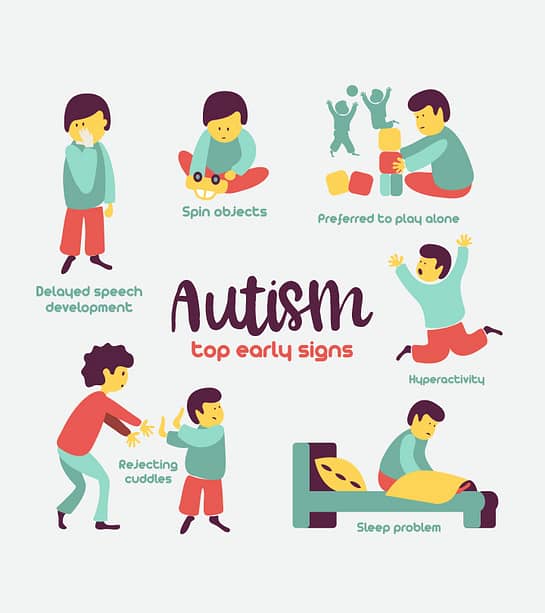
Children with ASD may show repetitive behaviors. This includes lining up toys or repeating actions. Stimming, like hand-flapping, is common. Some might have a strong attachment to specific routines. Changes in routine can cause distress. These behaviors can be noticed early.
Social And Communication Challenges
Children with ASD often face social challenges. They may avoid eye contact. Engaging in back-and-forth conversation can be hard. Understanding body language or facial expressions is also difficult. Some children might not respond to their name. Others may have delayed speech or language skills.
Sensory Sensitivities
Many children with ASD experience sensory issues. They might be sensitive to sounds, lights, or textures. Certain noises can be overwhelming. Bright lights might cause discomfort. Textures in clothing or food can be bothersome. These sensitivities vary from child to child.
Diagnosis Process
Autism Spectrum Disorder affects how a person communicates and interacts. It can influence social skills and behavior. Understanding this disorder is crucial for supporting developmental needs.
Autism Spectrum Disorder (ASD) can be challenging to diagnose, especially in young children, but early identification is crucial for effective intervention. The diagnosis process is a journey that involves several steps, focusing on understanding the child’s behavior and development. It requires a collaborative effort from healthcare professionals, parents, and educators to ensure accurate assessments and timely support. Let’s delve into the key elements of the diagnosis process.
Screening Tools
Screening tools are the first step in identifying potential signs of ASD. These tools can include questionnaires and checklists that help pinpoint early behavioral indicators. Parents often notice unusual patterns in their child’s communication or social interactions. Tools like the Modified Checklist for Autism in Toddlers (M-CHAT) are commonly used to screen for these signs in children as young as 18 months. Regular screenings at pediatric check-ups can help catch these signals early, setting the stage for further evaluation.
Role Of Healthcare Professionals
Healthcare professionals play a pivotal role in diagnosing ASD. Pediatricians and child psychologists are often the first to assess the child’s developmental milestones. They conduct comprehensive evaluations using standardized tests and observations. Imagine a team of experts who can spot subtle nuances in behavior that might go unnoticed by others. Their expertise ensures that the diagnosis is accurate, paving the way for tailored interventions. It’s not just about checking boxes; it’s about understanding the child’s unique world.
Importance Of Early Detection
Why is early detection so vital? Catching ASD early allows for timely interventions that can significantly improve developmental outcomes. Early therapy can enhance communication skills and social interactions, giving your child the tools they need to thrive. You might wonder how much of a difference a few months or years can make. Studies show that the earlier the intervention, the better the long-term results. Imagine the relief of knowing your child is receiving the support they need at the right time. The diagnosis process for ASD is not just a medical procedure; it’s a pathway to understanding and helping your child navigate their unique journey. Are you noticing signs that concern you? Don’t wait—talk to a healthcare professional today. This proactive step can open doors to support and resources that empower both you and your child. Remember, every child deserves the chance to reach their full potential.
Developmental Impact
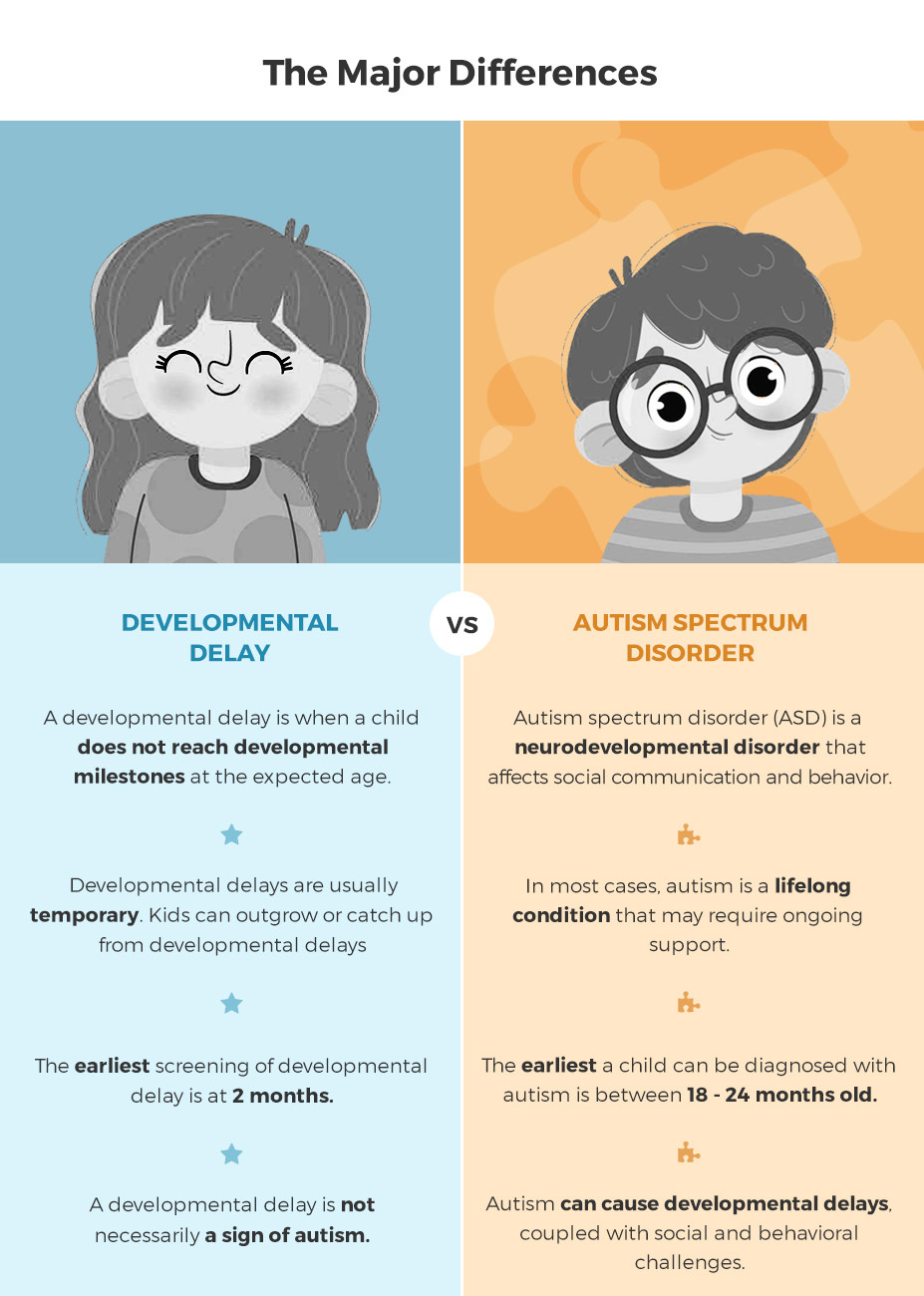
Autism Spectrum Disorder (ASD) affects development in unique ways. Children with ASD experience challenges that influence various aspects of their growth. Understanding these impacts is vital for supporting their development.
Cognitive And Learning Differences
Many children with ASD have distinct cognitive patterns. They may excel in specific areas like math or art. Yet, they might struggle with verbal communication. Learning can be less flexible and more routine-based. This impacts how they process information and solve problems.
Emotional And Social Development
Children with ASD often find social interactions challenging. They may have difficulty understanding social cues. This can lead to misunderstandings in social settings. Emotional regulation can also be a struggle. They might express emotions differently or have difficulty managing them.
Adaptive Skills
Adaptive skills involve daily living abilities like dressing or feeding. ASD can affect these skills in various ways. Some children need more support with tasks like brushing teeth. Others may develop these skills later than their peers. Consistent routines can aid in learning and practicing these skills.
Therapeutic Interventions
Autism Spectrum Disorder affects how individuals develop social and communication skills. Challenges in understanding emotions are common. Therapeutic interventions can support skill-building and emotional understanding, aiding personal growth.
Therapeutic interventions play a crucial role in supporting individuals with Autism Spectrum Disorder (ASD). These interventions aim to improve various aspects of development, including communication, social skills, and behavior. By engaging in targeted therapies, individuals with ASD can enhance their ability to interact with the world around them.
Behavioral Therapies
Behavioral therapies are often the foundation of ASD treatment. They focus on reinforcing desirable behaviors and reducing unwanted ones. Applied Behavior Analysis (ABA) is one popular approach that many families find effective. ABA therapy uses structured techniques to encourage positive behavior changes. It breaks down tasks into small, manageable steps. This can help children learn essential skills, like making eye contact or following simple instructions. Some parents have shared their success stories with ABA. One mother noticed her child’s ability to communicate improved significantly. Her child started asking for things instead of crying, which was a huge relief for the family.
Speech And Occupational Therapy
Speech therapy is essential for many individuals with ASD, especially those who struggle with communication. Speech therapists work on developing verbal skills and understanding non-verbal cues. They often use games and activities to make learning fun and engaging. Occupational therapy (OT) supports individuals in performing daily tasks. This includes improving fine motor skills and sensory processing. For example, an occupational therapist might help a child learn to dress themselves or write their name. Both therapies can be life-changing. Imagine your child finally being able to express their needs or play independently. These therapies can make those dreams a reality.
Educational Strategies
Education tailored to the needs of children with ASD is vital. Teachers can use specific strategies to create an inclusive and supportive learning environment. Visual aids, structured routines, and clear instructions can make a big difference. Individualized Education Programs (IEPs) are often used to set goals for students with ASD. These plans are created with input from teachers, therapists, and parents. They ensure that each child’s unique needs are met in the classroom. Imagine your child thriving in school, participating in activities, and making friends. Educational strategies can help turn these possibilities into achievements. Have you noticed any therapeutic interventions making a difference in your child’s life? Share your experiences and insights, as they might inspire others on this journey.
Credit: asdassignmentlm.weebly.com
Support For Families
Understanding Autism Spectrum Disorder (ASD) can be challenging for families. Support plays a crucial role in managing this journey. Families need guidance and resources. This helps them nurture their child’s development.
Community Resources
Local communities often offer valuable resources. Libraries may have special programs for children with ASD. Some community centers host support activities. These activities are designed to engage children. They also provide a sense of belonging. Parents can connect with other families too. Sharing experiences can be comforting. It fosters a supportive community network.
Family Counseling
Counseling can be beneficial for families. It helps parents understand ASD better. Counselors offer strategies to manage daily challenges. They also guide on effective communication. This strengthens family bonds. Parents learn to support their child’s needs. Counselors provide a safe space to express concerns. This helps reduce stress within the family.
Advocacy And Support Groups
Advocacy groups play a vital role. They fight for the rights of those with ASD. Support groups offer a platform to share stories. They connect families facing similar challenges. These groups often meet regularly. They provide emotional support and practical advice. Parents gain insights from others’ experiences. This fosters a sense of community and understanding.
Future Perspectives
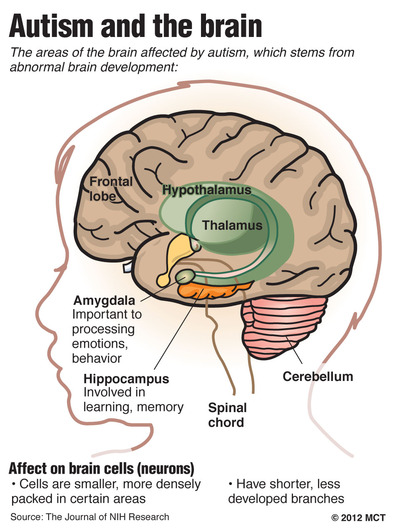
Autism Spectrum Disorder affects brain development, influencing communication and behavior. Challenges in social skills and repetitive actions often arise. Early diagnosis and support can help individuals lead fulfilling lives.
The future perspectives on Autism Spectrum Disorder (ASD) are both hopeful and challenging. While understanding of ASD has grown, there’s still much to learn about how it affects development. With research advancements, policy changes, and an increasing awareness, the potential for improved outcomes is promising.
Research And Innovations
Recent research in ASD focuses on early diagnosis and personalized interventions. Early intervention can significantly improve communication and social skills. Scientists are also exploring genetic and environmental factors to understand ASD better. Innovations in technology offer new ways for individuals with autism to communicate. Apps and devices tailored for ASD can enhance learning and interaction. Have you considered how these tools could transform daily life for those affected by autism?
Policy And Awareness Efforts
Policies play a crucial role in shaping the future for individuals with ASD. Governments and organizations are working to ensure inclusive education and employment opportunities. Increased awareness leads to more supportive communities and workplaces. Efforts to raise awareness include training programs for educators and employers. These initiatives aim to create environments where individuals with autism can thrive. How can you contribute to making your community more inclusive?
Long-term Outcomes
Long-term outcomes for individuals with ASD can vary widely. Early support and tailored interventions often lead to better life skills and independence. However, challenges in adulthood, such as employment and social relationships, remain. Communities are beginning to recognize the strengths and talents of individuals with autism. Many adults with ASD lead fulfilling lives, contributing positively to society. What changes can be made to support these individuals in achieving their full potential? Understanding autism’s impact on development is an ongoing journey. By staying informed and supporting innovative research and inclusive policies, you can play a part in shaping a brighter future for those with ASD.
Credit: autism.fratnow.com
Frequently Asked Questions
How Does Autism Spectrum Disorder Impact Development?
Autism spectrum disorder affects communication, social skills, and behavior. It can lead to challenges in learning and interaction. Development varies widely among individuals, with some experiencing significant delays and others showing advanced skills. Early intervention and tailored support can improve outcomes and help individuals reach their potential.
What Do You Mean By Autism Spectrum Disorder?
Autism Spectrum Disorder (ASD) is a developmental condition. It affects communication, behavior, and social interactions. Symptoms vary widely among individuals. Early diagnosis and intervention can improve outcomes.
How Does Autism Spectrum Disorder Affect Learning And Development?
Autism spectrum disorder affects learning by impacting communication and social skills. Individuals may struggle with sensory processing and adapting to changes. They might require tailored teaching methods to thrive. Early intervention and personalized support can significantly enhance development and learning outcomes.
What Are The Developmental Problems Of Autism Spectrum Disorder?
Autism spectrum disorder affects communication, social skills, and behavior. Challenges include delayed speech, difficulty understanding social cues, repetitive behaviors, and sensory sensitivities.
Conclusion
Autism Spectrum Disorder impacts development in unique ways. It affects communication and social skills. Early diagnosis can help manage challenges. Support from family and professionals is crucial. Every individual with autism is different. Understanding their needs is key. Creating an inclusive environment helps them thrive.
Awareness and acceptance make a big difference. We can all contribute to a supportive world. Let’s embrace neurodiversity and foster growth. With patience and care, progress is possible. Everyone deserves a chance to succeed. By learning, we can build a better future for all.