You might have found yourself wondering about Autism Spectrum Disorder and how it comes into play. Maybe it’s because you or someone you care about has shown signs that raised questions.
Or perhaps you’re just curious about how this complex condition develops. Understanding autism can feel like piecing together a giant puzzle, but it’s a journey worth taking. This isn’t just about statistics and jargon; it’s about real people and real lives.
By grasping the basics, you can empower yourself with knowledge that could make a difference. Get ready to uncover the mysteries of autism and learn how it affects individuals from all walks of life. Keep reading to discover the factors that contribute to this condition and unravel the myths that surround it. Your understanding could be the key to unlocking a more inclusive world.
What Is Autism Spectrum Disorder?
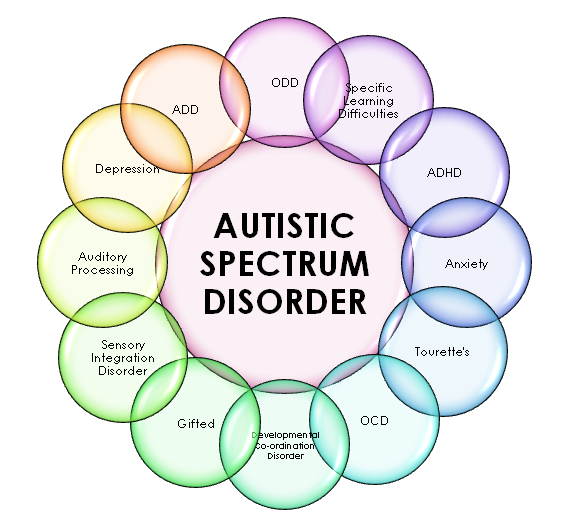
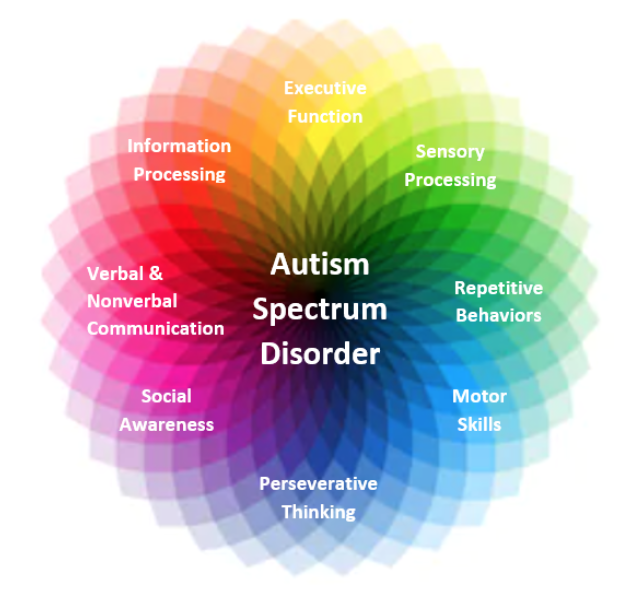
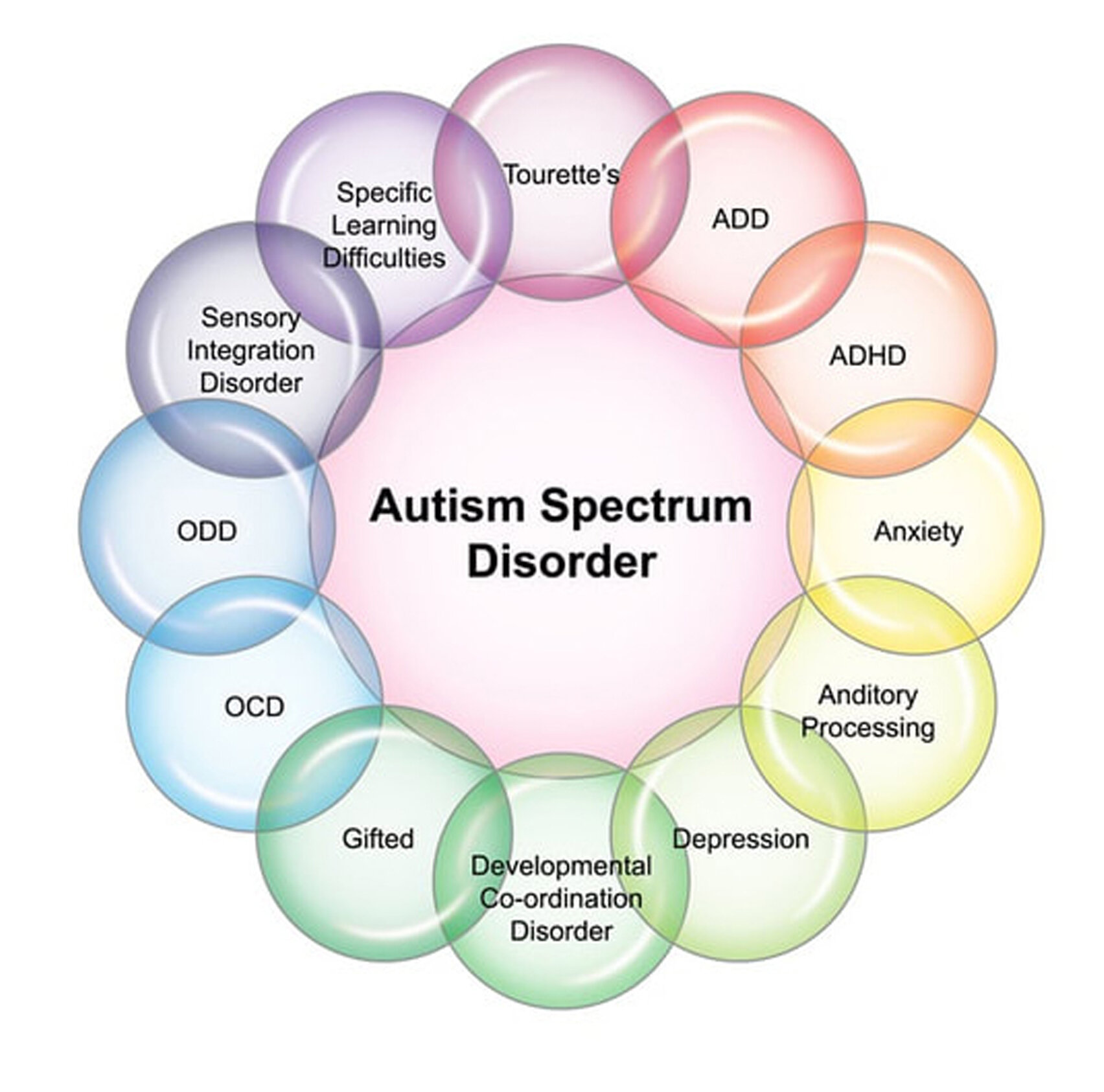
Autism Spectrum Disorder, or ASD, is a complex condition. It affects communication, behavior, and social skills. Understanding ASD is crucial for supporting those who live with it. This disorder varies widely in symptoms and severity.
Characteristics And Symptoms
ASD has many characteristics. Difficulty in social interactions is common. Some may struggle to make eye contact. Others might not understand social cues. Repetitive behaviors also mark ASD. Some repeat words or phrases. Others prefer routines and sameness. Sensory issues are frequent. Loud noises or bright lights may be distressing.
Prevalence And Demographics
ASD affects people globally. It is more common in boys than girls. Early signs often appear before age 3. Many children show symptoms at age 2. Research shows ASD rates are increasing. More awareness and better diagnosis contribute to this rise.
Credit: www.lanc.org.uk
Genetic Factors
Autism Spectrum Disorder (ASD) affects many individuals worldwide. Understanding its causes is vital. Genetic factors play a significant role in ASD development. Studies show that genes contribute to ASD risk. Let’s explore the impact of heredity and recent findings.
Role Of Heredity
Heredity influences ASD risk. Families with ASD history often show patterns. Parents pass genetic traits to their children. If one child has ASD, siblings may also be affected. Identifying these hereditary links helps researchers understand ASD better.
Recent Genetic Studies
New genetic studies provide insights into ASD. Researchers have identified specific genes linked to ASD. They study gene mutations and variations. These findings help in developing diagnostic tools. They also aid in creating targeted treatments. Genetic research continues to evolve, offering hope for future understanding.
Environmental Influences
Autism Spectrum Disorder can be influenced by environmental factors. Exposure to pollution and chemicals during pregnancy might increase risk. Research continues to explore how surroundings affect autism development in children.
Understanding the role of environmental influences in Autism Spectrum Disorder (ASD) is both fascinating and crucial. While genetics play a significant part, the environment can have a notable impact too. These influences can arise both before birth and during early childhood. Let’s dive into how these factors may contribute to ASD.
Prenatal Factors
The environment a baby experiences in the womb can shape their development. Prenatal factors include the mother’s health, diet, and exposure to certain substances. For instance, maternal infections during pregnancy can increase ASD risk. Likewise, complications such as gestational diabetes or high blood pressure may also play a role. Consider what expecting mothers can do to minimize risks. Regular prenatal care, a balanced diet, and avoiding harmful substances are proactive steps. These actions not only support the mother’s health but also nurture the baby’s development.
Environmental Toxins
Environmental toxins are substances that can disrupt a child’s development. Exposure to heavy metals like lead or mercury is one example. These toxins can impact brain development, potentially increasing the risk of ASD. Think about the everyday environments you and your family are in. Are you aware of potential hazards in your home or community? Simple measures like using water filters and ensuring safe play areas can reduce exposure. Have you ever wondered about the air quality around you? Poor air quality has been linked to higher ASD risks. Making small changes, like using air purifiers or spending time in greener spaces, can make a difference. Reflect on how these insights might apply to your own life or those you know. What steps can you take today to create a healthier environment for children? Your actions could have a lasting impact.
Credit: www.thekeyschool.org
Debunking Common Myths
Understanding autism spectrum disorder is crucial for dispelling myths. Autism is not caught like a cold or flu. It is a complex condition influenced by genetic and environmental factors.
Understanding Autism Spectrum Disorder (ASD) can be a journey filled with questions and misconceptions. Many myths cloud the truth, leading to confusion and unnecessary fear. Dispelling these myths is crucial for fostering a supportive and informed community. Let’s dive into some of the most common myths surrounding ASD and set the record straight.
Vaccines And Autism
The belief that vaccines cause autism is one of the most pervasive myths. This misconception originated from a discredited study published in the 1990s. Since then, countless scientific studies have shown no link between vaccines and autism. Vaccines are essential for protecting children from serious illnesses. Skipping them due to unfounded fears can put your child at risk. It’s important to trust reliable sources and consult healthcare professionals when it comes to your child’s health. What are your thoughts on this myth? Do you know someone who hesitated to vaccinate their child because of it? It’s a common concern, but understanding the facts can alleviate unnecessary worry.
Parenting And Autism
Another myth suggests that parenting styles can cause autism. This is simply not true. Autism is a neurodevelopmental disorder with complex genetic and environmental factors, not a result of parenting. Parents often feel guilt and blame, wondering if they did something wrong. If you feel this way, know that you’re not alone and it’s not your fault. Support and early intervention are key, but they start with accepting that you are not to blame. Have you ever questioned your parenting because of your child’s diagnosis? Remember, support and understanding are far more effective than self-blame. Focus on what you can control—providing love, support, and seeking appropriate interventions. By addressing these myths, you can make informed decisions and support those with autism more effectively. Knowledge is power, and understanding the truth about ASD is a critical step in fostering a more inclusive and empathetic society.
Diagnosis And Assessment
Understanding Autism Spectrum Disorder (ASD) involves clear diagnosis and assessment. Early diagnosis helps manage symptoms and provide support. This process includes observing behaviors and using specific tools. It ensures the right support for individuals with ASD.
Early Signs To Watch For
Parents often notice early signs of ASD in young children. These signs can include delayed speech or lack of eye contact. Some children may show repetitive behaviors or have difficulty with social interactions. Early signs vary, making careful observation important. Noticing these signs early can lead to timely assessment and support.
Diagnostic Tools And Methods
Professionals use various tools to diagnose ASD. Interviews with parents and caregivers provide valuable insights. They use structured observations to understand a child’s behavior. Standardized tests help assess communication and social skills. Tools like the Autism Diagnostic Observation Schedule (ADOS) are commonly used. This comprehensive approach ensures accurate diagnosis and support.
Credit: www.askautism.org
Living With Autism
Autism Spectrum Disorder is a developmental condition with unknown exact causes, often linked to genetics and environmental factors. Its complexity can result in diverse experiences, making understanding crucial for effective support and management. Recognizing early signs helps families seek appropriate interventions and support systems.
Living with Autism can be a unique journey filled with challenges and triumphs. Each day can bring its own set of hurdles, but it also offers opportunities for growth and understanding. Whether you or a loved one is on the autism spectrum, it’s important to know that support is available and success is achievable.
Support And Resources
Navigating life with autism is easier with the right support and resources. Many organizations offer programs that provide guidance and assistance. From educational support to therapeutic services, there is help available for different needs. Online communities can be a great place to connect with others who understand your experiences. You can share stories, find advice, and build a network of support. Consider seeking out local support groups. They can offer in-person connections and a sense of community. Check out libraries or community centers for information on autism-friendly events and programs.
Success Stories
Hearing about others’ successes can be incredibly motivating. Consider the story of Sarah, who, despite her autism diagnosis, pursued her passion for technology and now works as a successful software developer. Jack, another inspiring individual, found his niche in art. His unique perspective allows him to create captivating works that are celebrated in galleries. These stories remind us that autism is not a barrier to success. What are your passions? Embrace them and let them guide your journey. With determination and the right resources, living with autism can be a fulfilling experience. What steps will you take today to support yourself or your loved ones on this journey?
Frequently Asked Questions
What Is The Main Cause Of Autism Spectrum Disorder?
Autism spectrum disorder’s exact cause remains unknown. Genetics and environmental factors likely contribute to its development. Early diagnosis and intervention can improve outcomes for individuals with autism. Research continues to explore potential causes and treatments to better understand this complex condition.
How Do You Tell If You’re On The Spectrum?
Signs of being on the autism spectrum include difficulty with social interactions, repetitive behaviors, and intense focus on specific interests. Professional assessment by a psychologist or psychiatrist can confirm a diagnosis. It’s important to seek expert advice if you suspect autism spectrum traits.
Early intervention can provide valuable support and resources.
Who Can Give An Autism Diagnosis?
Licensed psychologists, psychiatrists, and developmental pediatricians can diagnose autism. They assess through interviews, observations, and standardized tests. Ensure they have experience with autism spectrum disorders. Early diagnosis helps with effective intervention and support. Always seek a qualified professional for an accurate diagnosis.
What Is The Most Common Type Of Autism?
The most common type of autism is Autism Spectrum Disorder (ASD). It includes various conditions like Asperger’s syndrome and pervasive developmental disorder. ASD affects social skills, communication, and behavior. Early diagnosis and intervention can improve outcomes.
Conclusion
Understanding Autism Spectrum Disorder (ASD) is crucial for awareness. It’s a complex condition with varied symptoms. Early intervention is key for best outcomes. Support and resources can help individuals thrive. Knowledge empowers families and communities. Acceptance is vital for inclusivity.
Encourage open conversations about ASD. Every person deserves understanding and respect. Educate yourself to be a supportive ally. Small steps make big differences. Celebrate diversity in all its forms. Embrace neurodiversity and learn from each other. Together, we can create a more inclusive world.
Let’s foster empathy and compassion in our daily lives.