
Are you curious about when Autism Spectrum Disorder, or ASD, is usually diagnosed? Understanding the timeline of an ASD diagnosis can be crucial for parents and caregivers like you.
It can also help you prepare for the next steps in your child’s development. Early diagnosis can lead to early intervention, which can significantly improve the quality of life for someone on the spectrum. You’ll discover that knowing the signs and age range for diagnosis is empowering and can make all the difference in the world for you and your family.
Dive into this article to uncover the key milestones and symptoms that can lead to an ASD diagnosis, and learn how to navigate this journey with confidence and clarity.
Early Signs Of Asd
Recognizing the early signs of Autism Spectrum Disorder (ASD) can be vital in ensuring timely intervention and support. By paying attention to these signs, you can help your child access resources that can aid their development. While every child is unique, certain indicators may suggest a need for further evaluation. Let’s break down these signs into two key stages: infancy and toddler hood.
Infancy Indicators
During infancy, you might notice subtle cues. Does your baby maintain eye contact while feeding or being cuddled? Eye contact is a fundamental part of social development. If it’s absent or limited, it could be noteworthy.
Another sign is a lack of response to their name. Babies typically begin to recognize and respond to their names by around six months. If your baby doesn’t seem to react, consider discussing it with your pediatrician.
Pay attention to how your infant uses gestures like pointing or waving. These are early forms of communication. Limited gesturing can be an early indicator of ASD.
Toddler Behavioral Patterns
Toddlerhood brings more visible signs. Does your child engage in repetitive movements, like rocking or hand-flapping? These patterns might signal sensory sensitivities often associated with ASD.
Observe their play habits. Is your toddler more interested in objects than people? Preference for solitary play over social interactions can be a marker.
Language development is another key area. While some toddlers might be slow to start talking, those with ASD might have unusual speech patterns or struggle with conversational skills. Is your child echoing phrases instead of forming original sentences?
These observations aren’t definitive diagnoses but starting points for discussion. If you notice any of these signs, speaking with a healthcare professional could be the next step. How can you best support your child’s unique journey?
Diagnosis In Early Childhood
Autism Spectrum Disorder (ASD) is typically diagnosed in early childhood. Signs often appear by age 2 or 3. Early diagnosis helps in understanding the child’s needs better.
### Diagnosis in Early Childhood Diagnosing Autism Spectrum Disorder (ASD) in early childhood can be crucial for a child’s development. Early detection allows for timely support, helping children build essential skills during their formative years. But when exactly is ASD usually diagnosed, and what role do pediatricians play in this process? ###
Common Age For Diagnosis
Most children are diagnosed with ASD between the ages of two and three. At this stage, parents often notice developmental differences, like delayed speech or unusual social interactions. Early diagnosis is beneficial, as it opens doors to early intervention programs that can make a significant difference in a child’s life. ###
Role Of Pediatricians
Pediatricians play a pivotal role in diagnosing ASD. They monitor your child’s development during regular check-ups, looking for signs that might indicate ASD. If concerns arise, pediatricians can refer you to specialists for further evaluation and testing. Imagine sitting in a pediatrician’s office, worried about your child’s behavior. The doctor reassures you, explaining the steps ahead, and suddenly, the path becomes clearer. This guidance can be a lifeline, offering not just medical advice but also emotional support. Have you considered how early diagnosis might change your child’s future? The earlier ASD is identified, the sooner personalized support can begin, maximizing your child’s potential. Recognizing symptoms early and seeking professional guidance can make all the difference.
School-age Diagnosis
Autism Spectrum Disorder (ASD) can be identified during school years. This period is crucial for understanding social and learning difficulties. Many children show signs of ASD as they interact more in school environments. Awareness during this time aids in addressing challenges and improving educational experiences.
Challenges In School Settings
Children with ASD often face unique challenges in school settings. They may struggle with social interactions and understanding classroom routines. Communication barriers can make group activities difficult. Sensory sensitivities might affect concentration. These challenges can hinder academic progress and social development.
Educational Assessments
Educational assessments help identify ASD in school-aged children. Teachers and specialists observe behaviors and learning patterns. These assessments include cognitive and social evaluations. They provide insights into the child’s needs. Early identification leads to tailored support plans. This ensures better academic and social outcomes.
Adolescent And Adult Diagnosis
Autism Spectrum Disorder (ASD) is often diagnosed in childhood. Yet, recognizing ASD in adolescents and adults is increasingly common. Early diagnosis can help in understanding and managing symptoms effectively.
Understanding Autism Spectrum Disorder (ASD) isn’t limited to childhood. Many discover their diagnosis in adolescence or adulthood, often after navigating life with unexplained challenges. This realization can be both a relief and a revelation, offering clarity on past experiences. But why is ASD sometimes recognized so late, and how does it affect daily life?
Late Recognition Of Symptoms
Adolescents and adults may not realize they have ASD until later in life. Often, they attribute their difficulties in social interactions or communication to personal quirks or anxiety. For some, it’s only through learning about ASD, perhaps due to a family member’s diagnosis, that they connect the dots. Consider Sarah, who always felt different but didn’t understand why until her nephew was diagnosed with ASD. Through the process, she recognized similar traits in herself. Does this sound familiar? Have you ever wondered if there’s more to your experiences?
Impact On Daily Life
Living undiagnosed can lead to significant challenges. Social situations may feel overwhelming, and maintaining relationships can be difficult. This can affect employment opportunities, as well as self-esteem. Yet, receiving a diagnosis as an adolescent or adult can be empowering. It provides a framework to understand past struggles and develop strategies to improve daily life. Learning to advocate for yourself, seeking support, and connecting with others who share similar experiences can make a world of difference. Have you or someone you know experienced a late ASD diagnosis? How did it change your perspective on life? These stories highlight the importance of awareness and understanding. Recognizing ASD at any age can foster acceptance and growth.
Diagnostic Tools And Methods
Autism Spectrum Disorder is often diagnosed between ages 2 and 3. Early signs can appear even earlier. Parents may notice delayed speech or social challenges. Pediatricians and specialists use various tools and methods to confirm the diagnosis. Early intervention can greatly help in managing symptoms effectively.
Understanding the diagnostic tools and methods for Autism Spectrum Disorder (ASD) is crucial for early intervention. Diagnosing ASD involves a variety of tests and evaluations. These tools help professionals identify the unique needs of each individual. Early diagnosis can lead to better outcomes. So, what are the key tools used? ###
Screening Tests
Screening tests are typically the first step. They are often conducted during regular pediatric check-ups. These tests help identify any developmental delays. Tools like the Modified Checklist for Autism in Toddlers (M-CHAT) are common. They usually consist of simple questions about your child’s behavior and development. Have you ever noticed your child not responding to their name? It might be a sign worth discussing with your doctor. ###
Comprehensive Evaluations
If screening tests suggest ASD, a comprehensive evaluation follows. This is a more detailed assessment. It involves a team of specialists, including psychologists and speech therapists. They use various methods, like observing social interactions and communication skills. Imagine seeing a team come together, each with their expertise, to understand your child better. Isn’t it reassuring to know every angle is covered? These evaluations provide a detailed picture of your child’s abilities and challenges. They help create a tailored intervention plan. How do these methods fit into your experience or concerns about ASD? What steps have you taken to address them? Early diagnosis is vital. It opens doors to targeted interventions, helping children thrive. So, don’t hesitate to ask questions and seek assessments if you have concerns.
Factors Influencing Diagnosis Timing
Diagnosing Autism Spectrum Disorder (ASD) involves several key factors. The timing of diagnosis can vary significantly. Understanding these factors helps parents and caregivers seek timely assessments. Early detection improves intervention outcomes. Let’s explore the factors influencing the timing of ASD diagnosis.
Genetic And Environmental Factors
Genetic makeup plays a crucial role in ASD. Some children may have family histories of autism. This increases the likelihood of early evaluation. Environmental factors also impact diagnosis timing. Prenatal conditions, such as maternal health, can influence outcomes. Exposure to certain chemicals or infections during pregnancy may increase risk. These factors can lead to earlier screenings and evaluations.
Cultural Perceptions
Cultural beliefs can affect the recognition of ASD signs. Some cultures may view developmental differences differently. This can delay seeking a professional diagnosis. Awareness and education campaigns can help bridge this gap. Language barriers might also play a role. Families may face challenges communicating concerns to healthcare providers. Understanding these cultural perceptions is vital for timely ASD diagnosis.
Importance Of Early Diagnosis
Autism Spectrum Disorder (ASD) is typically diagnosed between ages 2 and 3. Early diagnosis is crucial for effective intervention. Identifying ASD early helps children receive support to improve communication and social skills.
Understanding the importance of early diagnosis for Autism Spectrum Disorder (ASD) is crucial. Early identification can make a significant difference in a child’s development and future. By diagnosing ASD early, we can provide the necessary support and interventions that help children thrive.
Benefits Of Early Intervention
Early intervention can be a game-changer for children diagnosed with ASD. When a child receives support early, they are more likely to develop essential skills such as communication and social interaction. Imagine your child gaining confidence in expressing themselves or making friends at school. Children who start interventions early often show improvement in learning and adaptive behaviors. Think about the relief and joy of seeing your child learn to navigate their world more comfortably. Early support can set the stage for lifelong success.
Long-term Outcomes
The long-term benefits of early diagnosis are substantial. Children who receive early interventions have better chances of reaching their full potential. They may develop skills that lead to greater independence and improved quality of life. Consider the peace of mind knowing that your child can pursue their dreams with fewer obstacles. The skills they learn early on can help them in school, work, and personal relationships. Isn’t it inspiring to think about your child achieving milestones you once thought were out of reach? Early diagnosis and intervention can significantly impact a child’s future. What steps can you take today to ensure your child receives the support they need?

Credit: www.thrivingwellnesscenter.com
Challenges In Diagnosis
Identifying Autism Spectrum Disorder in children often presents challenges. Diagnosis typically occurs between ages 2 and 3. Early signs include delayed speech and social interaction difficulties.
Diagnosing Autism Spectrum Disorder (ASD) can be a complex journey. The path is often filled with obstacles that can delay or complicate the process. These challenges can impact how soon and how accurately a diagnosis is made. Understanding these hurdles can help you navigate them more effectively.
Misdiagnosis Issues
Misdiagnosis is a significant concern in ASD diagnosis. Many symptoms of autism overlap with other conditions, such as ADHD or anxiety disorders. This can lead to children being treated for the wrong condition. Imagine the frustration of parents who are told their child’s symptoms are due to something else entirely. This not only delays proper intervention but can also cause unnecessary stress. It’s crucial to observe your child’s behavior closely and seek multiple opinions if needed.
Access To Specialists
Accessing specialists can be another barrier. Not everyone has easy access to professionals experienced in diagnosing ASD. This can be due to geographical limitations or long waiting lists at specialized centers. You might wonder how to get the right help when specialists are scarce. Consider reaching out to local support groups or online communities for recommendations. They can often point you to resources you might not have considered. Both misdiagnosis and limited access to specialists can delay proper treatment. Early intervention is key in managing ASD effectively. How can you ensure your child receives the right diagnosis promptly? Start by educating yourself and advocating for your child’s needs.
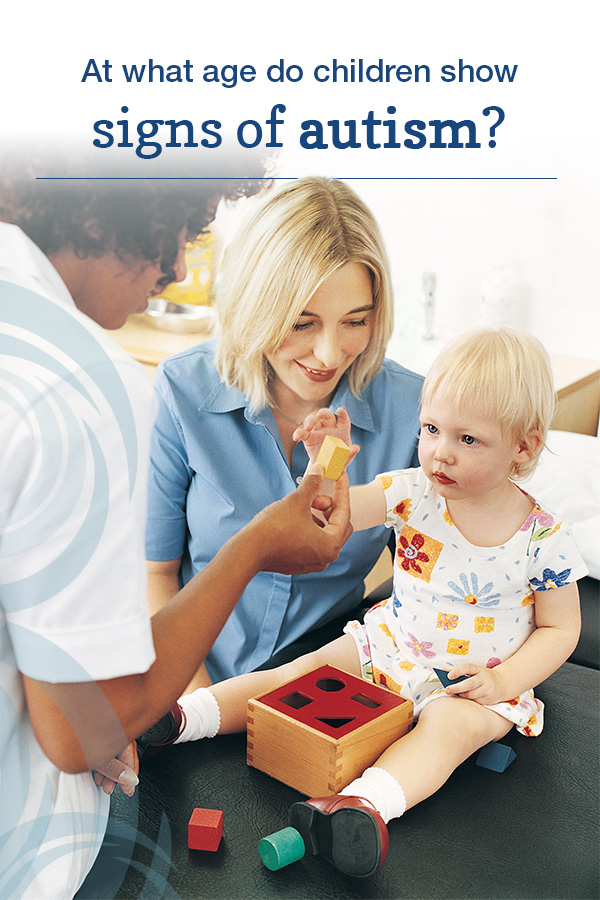
Credit: www.nichd.nih.gov
Frequently Asked Questions
When Is Asd Most Commonly Diagnosed?
Autism Spectrum Disorder (ASD) is most commonly diagnosed in children between the ages of 2 and 4. Early diagnosis helps in effective intervention. Pediatricians often screen for ASD during regular check-ups. Parents should monitor developmental milestones and consult professionals for concerns.
Early detection improves outcomes significantly.
At What Age Are Autism Spectrum Disorder Symptoms Usually Recognized?
Autism spectrum disorder symptoms usually become noticeable by age 2 to 3. Early signs can appear in infancy. Timely diagnosis and intervention can greatly help in managing the condition effectively. Parents and caregivers should monitor developmental milestones closely.
When Should Asd Be Diagnosed?
ASD should be diagnosed as early as possible, typically by age 2. Early diagnosis helps in effective intervention and support. Consult a specialist if developmental delays or ASD symptoms are observed. Early identification can lead to better outcomes for children with autism spectrum disorder.
What Is The Best Age To Diagnose Asd?
The ideal age to diagnose ASD is between 18 months and 3 years. Early detection ensures better intervention. Parents should monitor developmental milestones closely. Pediatricians can assist with early screenings. Timely diagnosis leads to more effective therapies and support.
Conclusion
Diagnosing Autism Spectrum Disorder can be complex and varies by age. Early detection helps in managing symptoms effectively. Most diagnoses occur around age two or older. Parents and caregivers should observe developmental milestones closely. Consult professionals if concerns arise. Timely intervention benefits the child’s growth and learning.
Awareness and understanding are key in supporting those with ASD. Always seek guidance from medical experts for accurate information. Early action can make a significant difference in a child’s life. Remember, every child is unique and develops at their own pace.
Stay informed and proactive.