Have you ever wondered why autism spectrum disorder (ASD) is such a complex and diverse condition? Understanding ASD can sometimes feel like piecing together a vast puzzle.
The secret lies in its two main domains. These domains are like the heart of autism, helping you make sense of the behaviors and challenges associated with it. By exploring these two crucial areas, you can gain a clearer picture of ASD and, more importantly, discover ways to support and connect with those affected.
So, if you’re curious about unlocking the mysteries of autism and finding ways to make a difference, keep reading. This could be the key to deepening your understanding and empathy.

Credit: neurolaunch.com
Social Communication Challenges
Autism Spectrum Disorder (ASD) often brings unique social communication challenges. These challenges can deeply affect everyday interactions and relationships. Understanding these can lead to better support and acceptance.
Difficulty With Social Interactions
People with autism may struggle with social interactions. They might not understand social cues or body language. Conversations can be tough. They might not respond as expected or might avoid eye contact. This can make connecting with others difficult.
Nonverbal Communication Differences
Nonverbal communication is a key part of social interaction. People with autism might have differences in this area. They may not use gestures or facial expressions like others do. This can lead to misunderstandings. It’s important to recognize these differences.
Struggles With Relationship Building
Building relationships can be challenging for those with autism. They may not share interests or understand feelings easily. This can lead to isolation. Supportive environments can help them connect with others. Patience and understanding are crucial.
Repetitive Behaviors And Interests
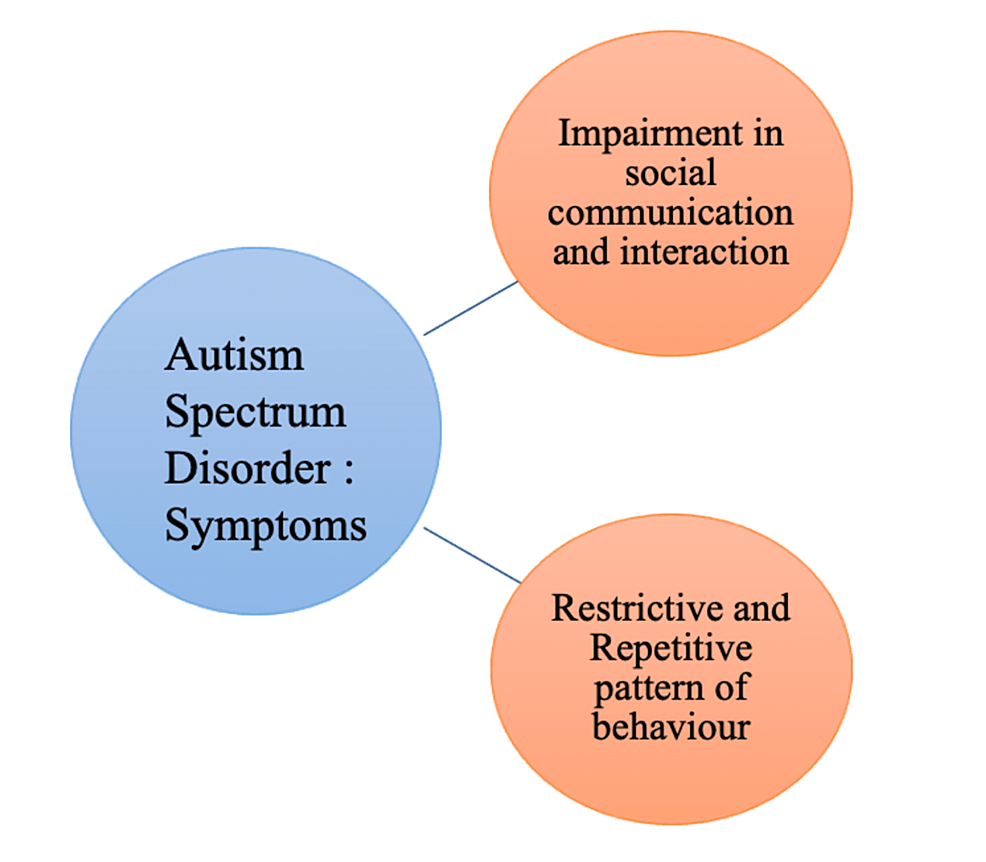
Autism Spectrum Disorder includes two main domains: social communication challenges and repetitive behaviors and interests. Repetitive behaviors involve doing the same actions repeatedly, like rocking or hand-flapping. Interests may be intense, focusing on specific topics or objects. These behaviors can vary widely among individuals.
Repetitive behaviors and interests form a significant part of the Autism Spectrum Disorder (ASD) domain. These behaviors are often a source of comfort and predictability for individuals with autism. They can range from physical movements to deep interests in specific topics, creating a structured and familiar environment amidst a complex world.
Patterns Of Repetitive Movements
Repetitive movements like hand-flapping, rocking, or spinning are commonly observed in individuals with ASD. These actions might seem unusual, but they often help manage stress or sensory overload. Imagine the relief of a familiar rhythm when everything else feels overwhelming. Parents often notice these patterns early on. It’s important to understand that such movements are not just habits but coping mechanisms. How do you respond when you see someone managing stress through movement?
Intense Focus On Specific Topics
Many individuals with autism develop an intense focus on specific subjects, sometimes to the exclusion of other activities. This focus can lead to incredible expertise, whether it’s memorizing train schedules or mastering a musical instrument. This intense interest can be beneficial, providing joy and a sense of accomplishment. As a parent or caregiver, have you recognized and nurtured these passions?
Resistance To Change
Change can be challenging for individuals with ASD. Routine and predictability offer comfort, making unexpected changes unsettling. Even small alterations in daily routines can lead to significant distress. Preparing for change with clear communication and gradual adjustments can help. How do you prepare for changes in your own life, and can these strategies be applied to support someone with autism? Understanding these behaviors and interests can help create supportive environments for individuals with autism. By appreciating their unique needs, we can build connections that respect their individuality. How can you make a difference in the lives of those who experience the world differently?
Impact On Daily Life
Autism Spectrum Disorder affects communication and behavior. It can make daily tasks challenging. Social interactions and repetitive behaviors often become focal points, impacting routines and relationships. Simple activities might require more effort and understanding.
Autism Spectrum Disorder (ASD) is a complex condition that affects individuals in two primary domains: social communication and restricted interests or repetitive behaviors. These domains can significantly influence daily life, presenting unique challenges and opportunities for those on the spectrum. Understanding these impacts can empower you to better support individuals with autism, whether in educational settings, workplaces, or family environments. Let’s explore how these domains shape various aspects of everyday life.
Influence On Education And Learning
Education is a critical area where ASD can have a profound impact. Students with autism might face challenges in traditional learning environments due to difficulties in social interaction and communication. Visual aids and structured routines can be incredibly beneficial in enhancing their learning experience. You might notice that some students excel in specific subjects due to their intense focus on areas of interest. Consider how different learning styles can be accommodated to ensure every student achieves their potential. How can educators adapt their teaching methods to meet the needs of autistic students?
Effects On Employment Opportunities
Employment can be another challenging area for individuals with ASD. Social communication difficulties might affect job interviews or interactions with colleagues. However, many individuals with autism have exceptional skills that can be valuable in the workplace, such as attention to detail or expertise in niche areas. Employers can benefit from recognizing and harnessing these strengths. Reflect on how workplaces can become more inclusive by understanding and adapting to diverse needs. What changes can businesses make to support employees with autism?
Role In Family Dynamics
Family life is deeply affected by ASD, shaping interactions and routines. Families often develop unique ways to communicate and support their loved ones, creating a nurturing environment. Emphasizing clear communication and patience is crucial. You might find that family members become more empathetic and resilient as they navigate these dynamics. Think about how families can foster positive relationships and understanding. How can they leverage resources and support networks to enhance their daily lives? By examining these areas, you gain insights into the practical impacts of ASD on daily life. Recognizing these challenges and embracing the strengths of individuals with autism can lead to more inclusive environments and meaningful connections.
Strategies For Support
Autism Spectrum Disorder encompasses two primary domains: social communication challenges and restricted, repetitive behaviors. Supporting individuals involves tailored strategies addressing both areas, enhancing understanding and interaction while minimizing stress. These approaches foster development and social integration, benefiting those with autism and their communities.
Navigating the complexities of Autism Spectrum Disorder (ASD) requires tailored strategies that cater to individual needs. With the right support, individuals on the spectrum can thrive in various aspects of life. Understanding the two domains of ASD—social communication and restrictive, repetitive behaviors—is key to providing effective support. Let’s dive into some practical strategies that can make a difference.
Therapeutic Interventions
Therapeutic interventions play a crucial role in supporting individuals with ASD. Applied Behavior Analysis (ABA) is a widely used method that focuses on improving specific behaviors, such as social skills and communication. Speech therapy, on the other hand, can help address challenges with verbal communication, aiding in clearer expression of thoughts and needs. Occupational therapy is another valuable intervention. It focuses on enhancing daily living skills, which can include anything from improving fine motor skills to better managing sensory sensitivities. Imagine helping your child tie their shoes independently for the first time—it’s a moment of joy and achievement.
Educational Support Systems
Education is a powerful tool for empowerment. Schools can implement Individualized Education Plans (IEPs) tailored to the student’s unique needs. These plans ensure that students receive the necessary accommodations and modifications to thrive in the classroom. Consider the impact of having a dedicated support aide who understands your child’s learning style. This personal attention can transform a challenging school day into a productive and enjoyable one. Collaboration between teachers, parents, and specialists is crucial in crafting an environment where every student can succeed.
Community And Family Resources
Community resources offer invaluable support for individuals with ASD and their families. Local support groups provide a space to share experiences, exchange advice, and find understanding among peers who face similar challenges. Family involvement is equally important. Attending workshops or seminars together can strengthen your knowledge and support network. Have you ever thought about organizing a family meeting to discuss strategies that work at home? It could bring everyone closer and make daily routines more manageable. Supporting someone with ASD is a journey filled with learning and growth. What strategies have you found most effective in your experience?
Future Research Directions
Future research directions in Autism Spectrum Disorder (ASD) hold immense promise. As our understanding evolves, so does the opportunity to enhance the lives of those affected by ASD. Researchers are exploring various avenues to refine diagnosis, treatment, and genetic insights, which could transform the ASD landscape in the coming years.
Advancements In Diagnosis
Imagine a world where diagnosing ASD is faster and more accurate. Researchers are developing cutting-edge tools that leverage artificial intelligence to identify ASD traits with precision. These advancements could minimize the stress of lengthy diagnostic processes, offering hope to families seeking answers.
Consider how these improvements might allow for earlier intervention. Early diagnosis can change trajectories, enabling more effective support and resources. How can you, as a parent or caregiver, benefit from these advancements?
Innovations In Treatment Approaches
Treatment for ASD is becoming more personalized and effective. New therapies focus on individual strengths, rather than a one-size-fits-all approach. Imagine your loved one benefiting from a treatment plan tailored to their unique needs and abilities.
Innovative approaches, like virtual reality therapy, are emerging. These therapies can improve social skills and communication, providing practical benefits. What innovative method do you think would make the most difference in your life?
Understanding Genetic Factors
Genetic research is uncovering vital information about ASD. Scientists are identifying specific genes linked to autism, paving the way for targeted treatments. This understanding could lead to breakthroughs in prevention or reduction of symptoms.
With genetic insights, you can gain a deeper understanding of ASD’s complexities. Imagine the potential of genetic testing in providing personalized care plans. Could this be the key to unlocking more effective strategies for managing ASD?
The future of ASD research is bright. With advancements in diagnosis, treatment, and genetic understanding, there is hope for a better tomorrow. You have the power to stay informed and advocate for innovative solutions that can transform lives.
Credit: www.cureus.com

Credit: www.researchgate.net
Frequently Asked Questions
What Are The Two Domains Of Autism?
Autism has two primary domains: social communication challenges and restricted, repetitive behaviors. Social communication issues include difficulties with social interactions and understanding nonverbal cues. Restricted behaviors involve repetitive actions, strict routines, and intense focus on specific interests. Understanding these domains helps in early diagnosis and intervention.
What Are The 2 Main Diagnostic Features Of Autism Spectrum Disorder?
Autism spectrum disorder is diagnosed by two main features: difficulties in social communication and restricted, repetitive behaviors. These signs vary in severity, impacting daily life and interactions. Early diagnosis and intervention can significantly improve outcomes for individuals with autism.
What Are The 2 Core Features Of Autism?
Autism’s core features are communication difficulties and repetitive behaviors. Individuals may struggle with social interactions and exhibit restricted interests or routines.
What Are The Two Parts Of Autism?
Autism consists of two main parts: social communication challenges and restricted or repetitive behaviors. These aspects can vary widely in severity, impacting individuals differently. Understanding these components aids in recognizing autism’s diverse manifestations.
Conclusion
Understanding the two domains of Autism Spectrum Disorder is crucial. It helps in better support and care for individuals. Communication challenges and restricted behaviors are key areas of focus. Recognizing these can improve interactions and understanding. Families and caregivers can tailor their approach.
With awareness, support becomes more effective. Everyone benefits from increased empathy and knowledge. This understanding fosters a more inclusive society. People with autism deserve acceptance and respect. Knowledge is the first step in this journey. Let’s strive to learn and support better every day.