
Have you ever wondered if delayed speech in children is something to be concerned about? You’re not alone.
Many parents and caregivers find themselves asking this very question, unsure of what it means for their child’s future. Is it just a developmental phase, or could it be a sign of a more significant issue, such as a disability?
Understanding the nuances of delayed speech can be crucial in helping you make informed decisions about your child’s development. By diving into the details, you’ll gain insights that could change your perspective and empower you with the knowledge to support your child effectively. So, let’s explore this topic together and uncover the truth behind delayed speech.
Delayed Speech Characteristics
Delayed speech in children can be puzzling for parents. Identifying the characteristics early helps in addressing the issue. Understanding these traits aids in recognizing whether a child may need support. While some children are naturally late bloomers, others may display signs needing attention. Knowing the common characteristics of delayed speech is crucial for parents and caregivers.
Signs And Symptoms
Children with delayed speech show various signs. These may include difficulty forming words. They might struggle to express simple needs. Some children may not use gestures, like pointing. They may also show frustration when trying to communicate. Limited vocabulary for their age is another sign. Parents often notice these symptoms in daily interactions. Recognizing these early signs helps in seeking timely intervention.
Common Causes
Several factors can lead to delayed speech. Hearing loss is a common cause. It affects a child’s ability to hear sounds. Some children may have developmental disorders. Conditions like autism can impact speech development. In some cases, neurological issues may be involved. Family history can also play a role in speech delays. Understanding these causes helps in planning the right approach.
Credit: www.expressable.com
Developmental Milestones
Delayed speech can sometimes be mistaken for a disability. It may indicate a developmental delay or other underlying issues. Early evaluation helps determine the cause and guide appropriate interventions.
Understanding your child’s developmental milestones can be both exciting and nerve-wracking. Speech development is a crucial part of this journey. As parents, you might find yourself constantly comparing your child’s progress to others. But remember, every child is unique and develops at their own pace.
Expected Speech Milestones
By the age of one, most children say their first words. These are often simple words like “mama” or “dada.” By age two, they typically start to combine two words, like “more juice.” By three, many kids form simple sentences and have a vocabulary of about 200 words. These are general milestones, but not meeting them doesn’t automatically mean a disability. Some children may simply take longer to reach these stages.
Variations In Speech Development
It’s common to see variations in speech development. Some children might start speaking later than their peers but catch up quickly. Others might have a different path entirely. Consider the experience of a friend whose child didn’t speak until age three. This worried her, but it turned out her child was focusing on developing other skills first. Now, he’s a chatterbox! So, what should you do if you’re concerned about your child’s speech? Begin by observing their behavior. Are they trying to communicate in other ways, like pointing or using gestures? Engage with your child regularly. Talk to them, read together, and encourage conversations. This interaction can help them build their language skills. If you still have concerns, consult a professional for guidance. They can provide insights and suggest activities to support your child’s development. Every child is unique, so don’t be discouraged if your child isn’t following the typical timeline. What’s most important is to provide a supportive and loving environment. How can you make speech development a fun and engaging experience for both you and your child?
Delayed Speech Vs. Speech Disorders
Understanding the difference between delayed speech and speech disorders is important. Delayed speech might not always be a disability. Sometimes, children just need more time to develop their speaking skills. Speech disorders, however, often require professional help to improve communication abilities effectively.
Delayed speech and speech disorders often cause concern for parents. Understanding the difference can help in seeking appropriate support. Delayed speech occurs when a child takes longer to start talking. Speech disorders involve difficulty with sounds and language patterns. Knowing these distinctions ensures proper intervention.
Differentiating Delayed Speech
Delayed speech is not always a disorder. Some children simply develop speech skills later. They may understand language but struggle to express themselves. Factors like bilingual environments or hearing issues can affect speech timing. These children often catch up with support. Early intervention can help them develop at their own pace.
Examples Of Speech Disorders
Speech disorders include several types. Articulation disorders involve trouble making sounds. For instance, a child might say “wabbit” instead of “rabbit.” Fluency disorders feature interruptions in speech, like stuttering. Voice disorders affect pitch, volume, or quality. Children may sound hoarse or too loud. Each disorder requires specific strategies for improvement. Speech therapists offer tailored support for these challenges.
Credit: www.expressable.com
Impact On Learning And Social Interaction
Delayed speech can affect learning and social interaction. Children may struggle to understand lessons and engage with peers. Early intervention helps improve communication skills and boosts confidence in social settings.
Understanding the impact of delayed speech on learning and social interaction is crucial. It shapes a child’s development in school and their ability to connect with peers. These challenges can be subtle yet significant, affecting various aspects of their daily life. ###
Challenges In Education
Delayed speech often leads to hurdles in the classroom. Children may struggle to express their needs, understand instructions, or participate in discussions. This can hinder their ability to absorb new information effectively. Some students may feel left out during group activities. Their inability to communicate clearly might result in frustration or withdrawal. Teachers might not always catch these signals, leading to a lack of support. Consider a child who can’t ask questions when confused. They might fall behind, not because they’re incapable, but because their communication barrier stops them from seeking help. How can educators bridge this gap? ###
Social Implications
Socially, delayed speech can be isolating. Kids might find it difficult to make friends or join in on playground games. This can affect their confidence and self-esteem. Imagine a child watching others play but not joining in because they can’t keep up with the conversation. This scenario is common, and it can leave the child feeling excluded. Parents often notice their child playing alone, which raises concerns. It’s essential to encourage interaction in safe, supportive environments. Have you noticed similar patterns in your community? By understanding these impacts, you can better support children facing these challenges. Whether you’re a parent, teacher, or friend, your involvement can make a difference.
Role Of Early Intervention
Early intervention plays a crucial role in addressing delayed speech in children. Recognizing speech delays early allows you to take proactive steps that can significantly improve your child’s communication skills. This approach isn’t just about identifying the issue; it’s about setting a foundation for future success. Imagine the relief and joy of hearing your child express themselves clearly and confidently. That’s the power of early intervention.
Benefits Of Early Diagnosis
Early diagnosis of delayed speech can be transformative. It opens the door to targeted therapies that cater specifically to your child’s needs. When caught early, speech delays are often much easier to address. Early diagnosis allows you to understand the root cause and implement strategies that work best for your child.
Think of it as catching a problem before it escalates. You wouldn’t wait for a small leak to flood your home, right? Similarly, addressing speech delays early prevents potential challenges in school and social interactions.
Therapies And Techniques
There are several therapies and techniques designed to help children with delayed speech. Speech therapy is often the first step, where trained professionals work one-on-one with your child. They use engaging activities to improve speech clarity and build vocabulary.
Interactive games and storytelling sessions can also be incredibly beneficial. These techniques make learning fun, encouraging your child to participate actively. It’s not just about repetition; it’s about creating a positive environment where your child feels comfortable expressing themselves.
Have you considered incorporating daily speech exercises at home? Simple activities like reading aloud or describing daily routines can make a big difference. These techniques empower you to be part of your child’s speech development journey.
Early intervention provides a roadmap to navigate speech delays effectively. But, have you thought about the long-term benefits? What if these early steps lead to a confident communicator who thrives in social settings? The possibilities are endless when you start early.
Parental And Educational Support
Parental and educational support is crucial for children with delayed speech. Families and schools play vital roles in fostering communication skills. Collaboration between parents and educators can lead to effective strategies. These strategies empower children to overcome speech challenges.
Home Strategies
Parents can create a rich language environment at home. Reading books daily introduces new words and phrases. Regular conversations with your child build confidence in speaking. Singing songs enhances vocabulary and rhythm. Encouraging storytelling helps organize thoughts and ideas. Using simple games makes learning fun and interactive.
Consistency is key in language practice. Establish a routine for speech activities. Praise and positive reinforcement motivate children. Visual aids like picture cards can support learning. Limiting screen time encourages face-to-face communication. Monitor progress and adapt strategies as needed.
School Resources
Schools offer valuable resources for speech development. Speech therapists provide specialized support. They assess each child’s needs and design tailored interventions. Teachers can integrate speech goals into daily lessons. Collaborative efforts ensure consistent progress.
Schools may offer speech and language programs. These programs focus on building communication skills. Peer interactions during group activities foster social language use. Classroom modifications can enhance participation. Utilizing technology, like speech apps, can support learning.
Regular communication between parents and educators is essential. Updates on progress and challenges guide support strategies. Parents should attend meetings and workshops. These sessions provide insights into effective techniques. Working together ensures comprehensive support for the child.
Breaking Stigmas Around Speech Delays
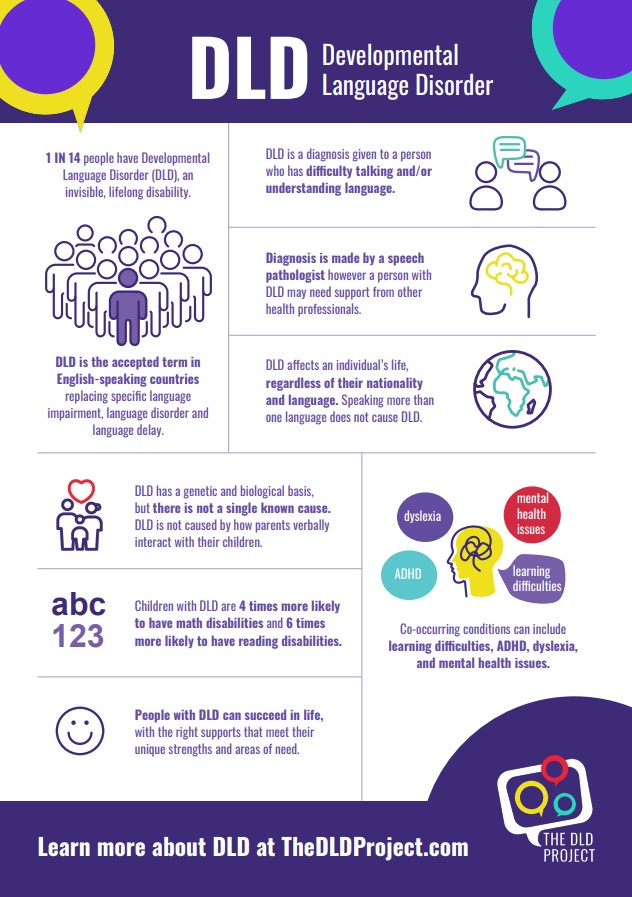
Speech delays often come with misconceptions and stereotypes. Many people equate delayed speech with a disability, but this is not always true. Breaking stigmas around speech delays involves understanding the reasons behind them and fostering a supportive environment. It’s crucial to spread awareness and encourage acceptance. This helps children and adults with speech delays feel valued and understood. Let’s explore how perceptions and awareness can reshape societal views.
Understanding Public Perception
Public perception plays a significant role in how speech delays are viewed. Many people don’t realize the diverse reasons for speech delays. These can range from developmental differences to environmental factors. Not all speech delays signal a disability. Yet, misconceptions persist. This misunderstanding can lead to stigma and isolation for those affected. Educating the public can change this narrative. Sharing stories and experiences can highlight the complexity of speech delays. It can foster empathy and reduce judgment.
Promoting Awareness And Acceptance
Awareness is a powerful tool in breaking stigmas. By promoting understanding, communities can become more inclusive. Schools, workplaces, and public spaces can support those with speech delays. Acceptance comes from knowledge and empathy. Workshops, talks, and campaigns can educate the masses. They can help people see speech delays as a spectrum, not a label. Acceptance fosters a sense of belonging. It encourages those with speech delays to engage confidently. Creating safe spaces can empower individuals and uplift communities.
Credit: thedldproject.com
Frequently Asked Questions
Does Speech Delay Count As A Disability?
Speech delay can be considered a disability if it significantly impacts daily functioning and communication. Professional evaluation helps determine if it qualifies as a disability. Early intervention and therapy can support development and improve outcomes for children with speech delays.
What Is The Cause Of Speech Delay?
Speech delay can be caused by hearing problems, developmental disorders, or lack of verbal interaction. Environmental factors, such as limited exposure to language, also contribute. Early intervention and professional evaluation are crucial for addressing speech delays effectively.
When Do Speech Delays Resolve?
Speech delays often resolve by age 5, with early intervention and therapy. Each child develops at their own pace.
Does Speech Delay Mean Low Iq?
Speech delay doesn’t necessarily indicate a low IQ. Various factors can cause speech delay, including hearing issues or developmental disorders. Children may catch up in speech skills with appropriate intervention. Always consult a healthcare professional for accurate assessments and guidance.
Conclusion
Understanding delayed speech helps support children better. It’s not always a disability. Every child develops at their own pace. Early intervention can improve communication skills. Parents should consult professionals for guidance. Encouragement is key for a child’s confidence. Celebrate small achievements.
Stay patient and positive. Create a supportive environment at home. Encourage social interaction with peers. Use simple language during conversations. Read books and tell stories often. This builds vocabulary. Remember, progress takes time. Your involvement makes a difference. Support helps children thrive.