
Have you ever wondered if a lip tie might be the reason behind your child’s speech delay? You’re not alone.
Many parents find themselves asking this very question as they seek to understand the hurdles their little ones face. A lip tie, a condition where the upper lip is tightly connected to the gums, can indeed have various impacts, including on speech development.
As a parent, you want the best for your child, and unraveling the mystery of how a lip tie might affect speech is crucial. We’ll dive into the connection between lip ties and speech delays, providing insights that could be key to unlocking your child’s full communicative potential. So, if you’re eager to learn more about how a seemingly small physical trait could influence your child’s ability to express themselves, keep reading. You might just find the answers you’ve been searching for.
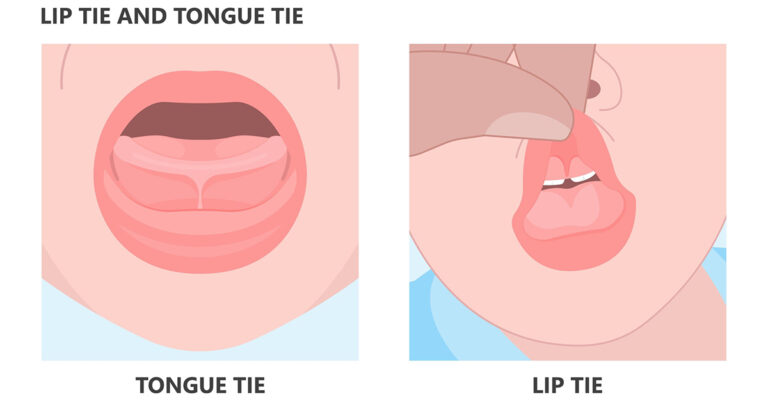
Credit: therapyworks.com
Understanding Lip Tie
Understanding lip tie is important for parents and caregivers. It helps in identifying potential issues early. A lip tie occurs when the upper lip is too tightly attached. This can affect feeding and speech development in children. Let’s explore the definition and characteristics of a lip tie, along with common symptoms in infants.
Definition And Characteristics
A lip tie is a condition involving the frenulum. The frenulum is a small tissue connecting the upper lip to the gum. In cases of lip tie, this tissue is unusually thick or short. This limits the movement of the upper lip. It can affect a child’s ability to latch during breastfeeding. A severe lip tie may impact speech development.
Common Symptoms In Infants
Infants with a lip tie often face feeding challenges. They may have difficulty latching onto the breast. This can lead to poor weight gain. Mothers may experience pain during breastfeeding. Babies might be fussy or irritable due to hunger. Other symptoms include gassiness and prolonged feeding times.
Recognizing these signs can help in seeking early intervention. Consulting a healthcare professional is recommended. They can provide guidance and possible treatment options.
Speech Development In Children
Speech development is a crucial aspect of a child’s growth. Parents often watch eagerly as their little ones start uttering words. The journey from babbling to speaking clearly is fascinating. Understanding the milestones and factors affecting speech can help in recognizing any delays.
Milestones In Early Childhood
Children typically begin babbling around 6 months. By 1 year, they might say simple words like “mama” or “dada”. Between 18 to 24 months, vocabulary expands rapidly. They start forming simple sentences. By age 3, many children can speak in full sentences. Speech milestones vary but follow a general pattern.
Factors Influencing Speech Development
Several factors can impact speech development. Hearing ability plays a crucial role. A child needs to hear sounds to mimic them. Interaction with caregivers boosts language skills. Social settings provide opportunities for practice. Physical issues, like a lip tie, can affect articulation. Early detection and intervention are key for addressing speech delays.
Link Between Lip Tie And Speech Delay
Have you ever wondered if a lip tie could be affecting your child’s ability to speak clearly? The connection between a lip tie and speech delay is a topic gaining attention among parents and professionals. Understanding this link can empower you to make informed decisions for your child’s development. Let’s dive into the science and expert opinions that shed light on this intriguing subject.
Scientific Studies And Findings
Recent studies are investigating how a lip tie might contribute to speech delay. A lip tie happens when the tissue connecting the upper lip to the gum is too tight, restricting movement. This condition can potentially affect how sounds are formed.
Research indicates that while lip ties are primarily known for breastfeeding challenges, their impact on speech is not universally acknowledged. Some studies suggest that restricted lip movement might hinder certain speech sounds, such as “p” or “b,” which require lip coordination.
However, these findings are not definitive. The scientific community continues to study the complex relationship between oral restrictions and speech development. You might find it surprising how much is still unknown in this area.
Expert Opinions
Experts in pediatric speech and oral health have varied opinions on the lip tie and speech delay connection. Some speech therapists argue that while a lip tie can complicate speech, it is not the sole factor for delays. They emphasize evaluating all aspects of speech development, including tongue movement and auditory skills.
On the other hand, dental professionals note that addressing a lip tie might improve lip function and speech clarity. They often recommend surgical procedures like frenectomy only if the tie significantly impacts daily activities.
Imagine hearing from a parent whose child struggled with a lip tie and saw improvement after treatment. Such stories can offer hope but also highlight the importance of personalized assessments by professionals.
What do you think? Could resolving a lip tie be the key to clearer speech for your child, or are other factors at play? Exploring these questions might just lead you to the answers you seek.
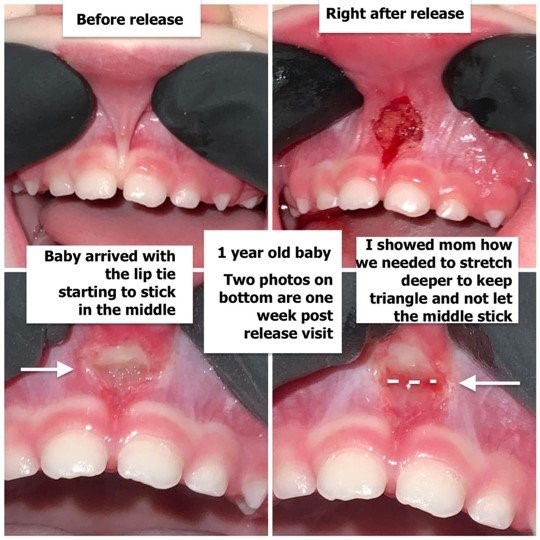
Credit: www.arlingtonsmilecenter.com
Identifying Lip Tie
Parents often worry about their child’s speech development. A lip tie can sometimes cause speech delays. Understanding lip ties helps parents take early action. Identifying a lip tie is crucial for addressing potential issues.
Signs Parents Should Look For
Spotting a lip tie early is important. Parents should check their child’s upper lip. A tight or restricted lip might indicate a tie. Feeding difficulties can also be a sign. Babies with lip ties may struggle to latch. They might also be fussy during feeding. Speech sounds could be delayed. Children might have trouble pronouncing certain letters. Dental issues may arise as well. Gaps between teeth could be noticeable.
Professional Diagnosis
Consulting a professional is essential. Dentists and pediatricians can diagnose lip ties. They will examine the child’s mouth carefully. Professionals use specific tools to assess the lip. They look for tightness and movement restrictions. A clear diagnosis helps in creating a treatment plan. Early intervention can prevent further complications.
Treatment Options
Lip ties can impact speech development in children. Treatment options include surgical intervention and speech therapy. Early diagnosis and treatment can help improve speech clarity and confidence.
When dealing with a lip tie, particularly if it might be affecting your child’s speech, understanding the range of treatment options available is crucial. Early intervention can make a significant difference in your child’s development. Let’s dive into some practical solutions and treatments for lip ties.Surgical Procedures
Surgical options often provide a swift resolution to lip ties. Frenectomy is a common procedure where the tissue causing the tie is cut using scissors, a scalpel, or a laser. Laser treatment is popular for being quick and less painful, with minimal bleeding and a short recovery time. Many parents have reported seeing immediate improvements in their child’s ability to form sounds and words more clearly post-surgery. It’s essential to consult with a pediatric dentist or an ENT specialist to assess the severity of the tie and discuss the best surgical option. Are you apprehensive about surgery? It’s normal to have concerns, but many find the long-term benefits outweigh the temporary discomfort.Alternative Therapies
Some parents prefer exploring alternative therapies before opting for surgery. Speech therapy can be effective, especially when combined with oral exercises that strengthen the muscles around the mouth. My friend Sarah tried speech therapy for her toddler, and within a few months, she noticed her child’s pronunciation improved significantly. It was a relief for Sarah to see her child engage more confidently with peers at playgroups. Chiropractic adjustments, craniosacral therapy, or bodywork are other non-invasive methods some parents try. They aim to release tension in the fascia, potentially easing the restriction caused by a lip tie. Have you considered these therapies? They can be a gentle way to address a lip tie, allowing you to gauge progress without surgical intervention. Choosing the right treatment involves weighing the pros and cons of each option. Consider your child’s unique needs and your family’s preferences. What’s most important is finding a path that supports your child’s growth and development.Impact Of Untreated Lip Tie
Untreated lip tie may lead to speech delays. It restricts lip movement, affecting a child’s ability to form words. Early diagnosis and treatment can help improve speech development.
Understanding the Impact of Untreated Lip Tie is crucial for parents and caregivers. A lip tie occurs when the tissue connecting the upper lip to the gum is too tight or thick, restricting movement. Ignoring a lip tie can lead to various complications, especially when it comes to speech development.Long-term Effects On Speech
Untreated lip tie can lead to speech delays in children. Difficulty in forming certain sounds might occur because the lip can’t move freely. Imagine a child struggling to pronounce words, leading to frustration and lowered self-esteem. You may notice your child avoiding certain words or speaking less than peers. This is not just about mispronunciation; it’s about the inability to express themselves fully. Over time, this can impact their social interactions and learning experiences.Possible Complications
Leaving a lip tie untreated can lead to other issues beyond speech. Eating and oral hygiene might also be affected. If your child has difficulty breastfeeding or struggles with solid foods, a lip tie might be the culprit. Moreover, dental health can suffer as the tightness may prevent proper cleaning of teeth and gums. This could lead to cavities or gum disease. Addressing the lip tie early can prevent these complications and improve overall oral health. Have you considered how these issues might affect your child’s future? Early intervention can make a significant difference. Identifying and treating a lip tie can pave the way for better speech, improved eating habits, and a healthier mouth. By acknowledging the potential effects of an untreated lip tie, you empower yourself to seek solutions. Taking action ensures your child’s speech and oral health don’t face unnecessary hurdles. Remember, proactive steps today can save a lot of stress tomorrow.Role Of Parents And Caregivers
The role of parents and caregivers in a child’s speech development, especially when faced with a challenge like a lip tie, is crucial. You are often the first to notice any delays or difficulties, and your support can make a significant difference. Understanding how to assist your child effectively can set a strong foundation for their communication skills.
Supporting Speech Development
Your active involvement in your child’s speech journey can boost their confidence and progress. Spend time engaging in conversations with your child. Even simple exchanges can make a big impact on their ability to express themselves.
Encourage your child to mimic sounds and words. This can be a fun bonding activity while also supporting their speech development. Try using picture books to introduce new vocabulary and concepts, making learning interactive and enjoyable.
Seeking Professional Help
If you suspect a lip tie might be affecting your child’s speech, consulting a specialist is a wise step. A speech therapist can assess your child’s needs and suggest targeted exercises or interventions. You might wonder if a small change can truly help, but professional guidance can offer personalized strategies that make a difference.
Consider collaborating with a pediatrician or a dentist familiar with oral ties. They can provide insights into whether a medical intervention is necessary. Don’t hesitate to seek a second opinion if you’re unsure about the advice you’ve received. Your proactive approach can pave the way for positive outcomes in your child’s speech development.

Credit: www.weetalkers.com
Frequently Asked Questions
Can A Lip Tie Cause Speech Issues?
A lip tie can potentially cause speech issues in some children. It may restrict lip movement, impacting pronunciation and articulation. Early diagnosis and treatment can help improve speech development. Consulting a healthcare professional is advisable for personalized guidance and solutions.
Can Lip Tie Cause Problems Later In Life?
Yes, a lip tie can lead to issues later in life. It may cause speech difficulties, dental problems, or oral hygiene challenges. Early diagnosis and treatment can help prevent these complications. Consulting with a healthcare professional is essential for proper assessment and management.
What Letters Are Hard To Say With A Lip Tie?
A lip tie can make it difficult to pronounce letters like “P,” “B,” and “M. ” These sounds require proper lip movement, which may be restricted.
What Causes Delayed Speech In A 2 Year Old?
Delayed speech in a 2-year-old can result from hearing issues, developmental disorders, or lack of social interaction. Autism, intellectual disabilities, and neurological conditions may also contribute. Consulting a pediatrician for evaluation and early intervention is crucial for addressing speech delays effectively.
Conclusion
Lip ties can impact speech development in children. Early detection is vital. Parents should consult healthcare providers for advice. Proper evaluation helps identify speech delays. Treatment options exist, like surgery or therapy. Each child is unique. Tailored solutions work best.
Open communication with professionals aids progress. Early intervention often leads to positive outcomes. Every step supports your child’s speech journey. Be proactive and informed. Understanding lip ties helps make better decisions. Stay observant and seek help when needed. Your child’s speech can improve with the right support.