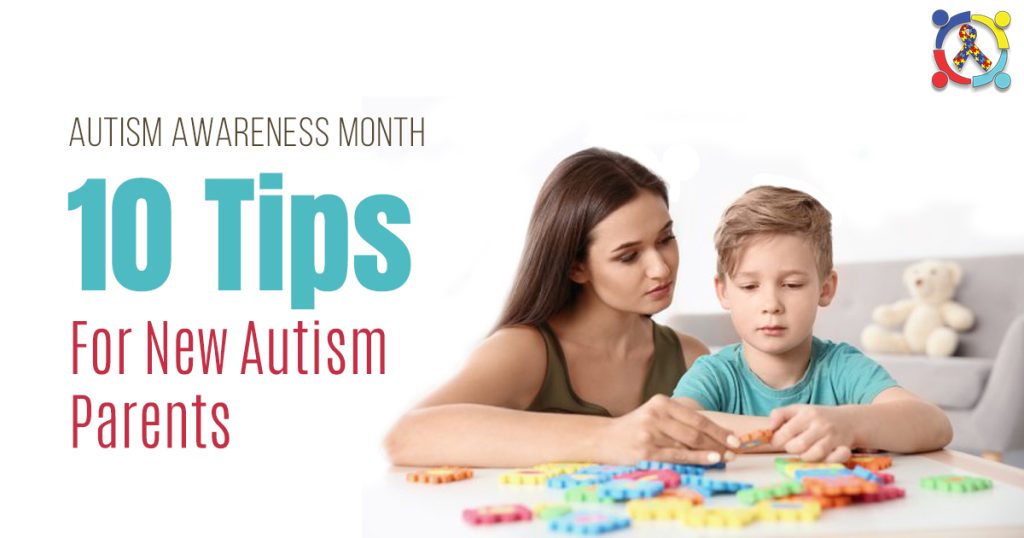
When your child turns three, you expect to hear them chatter about their favorite toys, animals, and friends. But what if those sentences aren’t coming together as you hoped?
You’re not alone. Many parents find themselves worried about speech delays, and it’s natural to want answers. Understanding speech delay in a 3-year-old can be a mix of confusion and concern. You might be wondering why your child isn’t speaking as fluently as others, or if there’s something more serious happening.
In this blog post, we will explore the common causes, signs to watch for, and practical steps you can take to support your child. Let’s unravel the mystery behind speech delay and empower you with the knowledge to help your little one find their voice.
Signs Of Speech Delay
Spotting speech delay in a 3-year-old involves noticing if they struggle with simple sentences or mispronounce common words. Limited vocabulary and difficulty in following simple directions can also signal delays. Observing these signs early may help address potential speech development issues effectively.
Understanding the signs of speech delay in a 3-year-old can be crucial for early intervention. As a parent or caregiver, you might wonder if your child is on track with their speech development. Recognizing these signs early can make a significant difference in their communication skills later on.
Common Indicators
Speech delay can manifest in various ways. One common sign is limited vocabulary. By age three, children typically know about 200 to 300 words. If your child is using fewer words or struggles to form simple sentences, it might be a sign of delay. Another indicator is difficulty in understanding instructions. If your child often seems confused or unable to follow simple directions like “put the toy away,” it might suggest they are struggling with language comprehension. Social interactions are also telling. If your child avoids or has trouble engaging with peers, it could be linked to their difficulty in communicating verbally. It’s worth considering how often they initiate conversations or respond to questions.
When To Seek Professional Help
If you notice these signs, you might wonder if it’s time to consult a specialist. Seeking help doesn’t mean there’s something wrong with your child; it simply opens doors to support and resources. Consider reaching out to a speech therapist if the delay persists beyond a few months. Early intervention can provide tools and strategies to help your child overcome these hurdles. Have you ever noticed your child getting frustrated because they can’t express themselves? This frustration can be a strong signal to seek professional guidance. Consulting with a pediatrician or speech-language pathologist can offer clarity. They can assess your child’s speech and provide a tailored approach to enhance their communication skills. Ultimately, recognizing and addressing speech delay is about empowering your child. With the right support, they can express themselves confidently and engage more fully with the world around them.
Causes Of Speech Delay
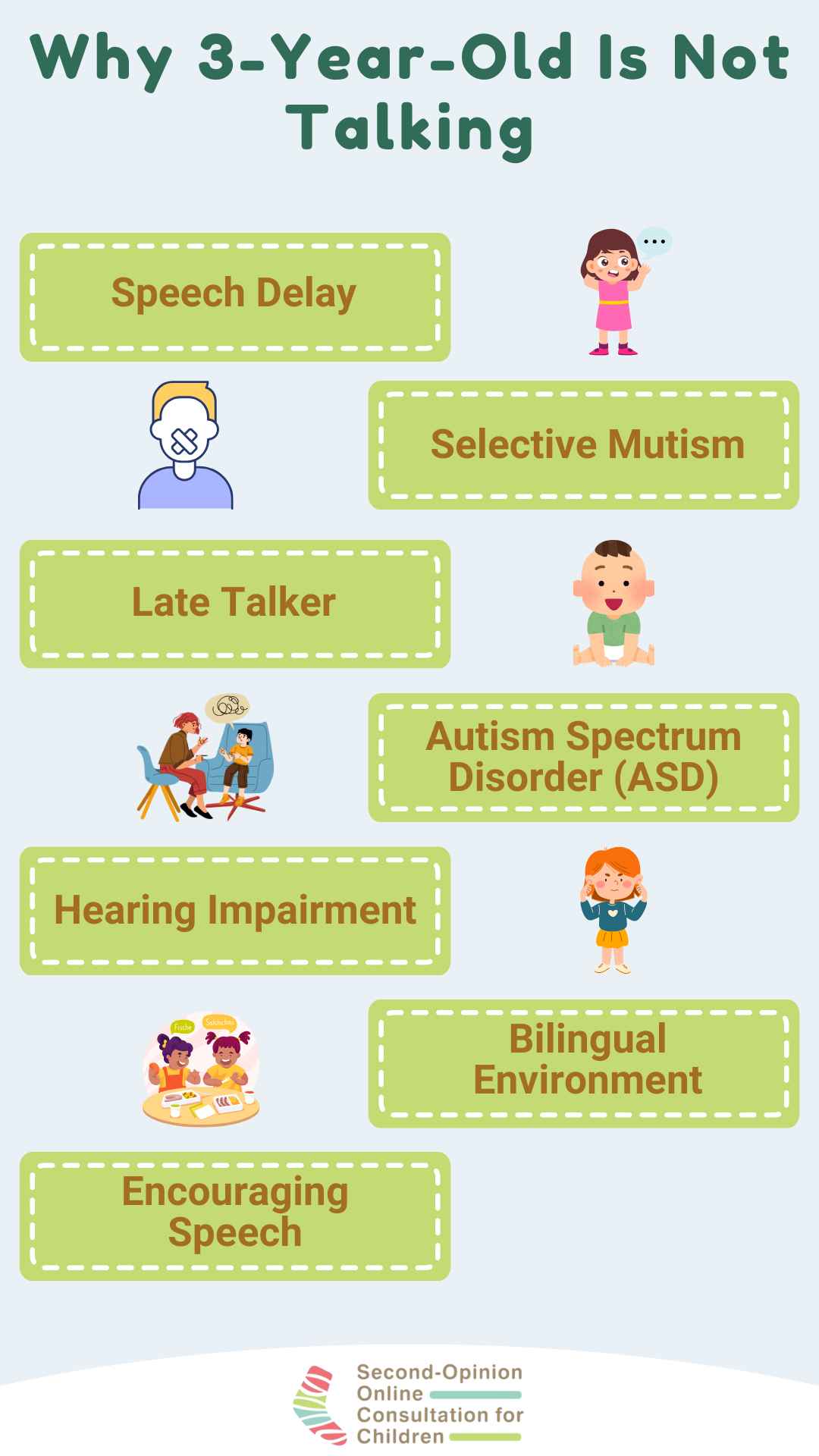
Speech delay in 3-year-olds can occur due to various reasons. Hearing problems might impact their ability to learn words. Sometimes, a lack of interaction or exposure to language-rich environments affects speech development. Additionally, neurological issues may play a role in delaying speech.
Understanding the causes of speech delay in a 3-year-old can be both challenging and enlightening. Speech delay can stem from various factors, and recognizing these can guide effective interventions. It’s crucial to pinpoint the root causes to support your child’s communication skills effectively.
Developmental Factors
Developmental factors often play a significant role in speech delays. Some children naturally develop speech at a slower pace. Every child is unique, and what might be a delay for one could be entirely normal for another. Consider if your child is also experiencing delays in other areas such as walking or fine motor skills. This can indicate a broader developmental delay. Early intervention can help address these issues effectively.
Environmental Influences
The environment in which a child grows can significantly impact their speech development. A language-rich environment encourages quicker speech development. This includes regular conversations, reading, and storytelling. If a child is exposed to multiple languages, they might take longer to speak. However, this can lead to bilingual advantages later. Ensure that your child is getting enough direct communication and interaction daily.
Medical Conditions
Certain medical conditions can contribute to speech delays. Hearing issues are a common cause; if a child can’t hear properly, they can’t mimic sounds or words. Regular hearing tests can help catch this early. Other conditions like autism or neurological disorders can also affect speech. If you suspect a medical issue, consulting with a pediatrician or a speech therapist can offer clarity. Early diagnosis can lead to more effective treatment strategies. By understanding these potential causes, you can better support your child’s journey to effective communication. Have you noticed any specific patterns or behaviors in your child that might hint at the underlying cause of their speech delay? Taking the time to observe and reflect can be the first step towards meaningful solutions.
Speech Therapy Options
Speech delay in a 3-year-old can be a challenging experience for parents. The good news is, there are several therapy options available that can help your child improve their speech skills. Each option has its own unique benefits and can be tailored to fit the needs of your child. Let’s dive into the possibilities of individual and group therapy sessions.
Individual Therapy Sessions
Individual therapy sessions offer a personalized approach to address your child’s speech delay. Your child will work one-on-one with a speech therapist, focusing on specific areas that need improvement. This tailored approach ensures that the therapy directly targets your child’s speech challenges.
Imagine the progress as your child receives undivided attention. The therapist can quickly identify patterns and habits that may need correction. This setting allows for immediate feedback and adjustment, making it an effective choice for many parents.
Have you ever considered how your child responds to personal attention? This method might be ideal if your child thrives in focused settings. It also provides flexibility in scheduling, often accommodating busy family lives.
Group Therapy Benefits
Group therapy offers a different dynamic and can be incredibly beneficial for speech development. In a group setting, children can learn from each other, often finding motivation and encouragement among peers. This social interaction can boost confidence, making it easier for your child to practice speaking.
Does your child enjoy playing and interacting with others? Group sessions provide a chance to build social skills alongside speech improvement. It’s a safe space for kids to experiment with language in real-world scenarios.
Parents often find that group therapy can be more affordable than individual sessions. Plus, witnessing other children’s progress can be reassuring and motivating. How do you think your child would benefit from interacting with peers in a structured environment?
Choosing between individual and group therapy depends on your child’s needs and personality. While individual sessions provide focused attention, group therapy encourages social learning. Have you explored both options to see which resonates more with your child?
Home Activities For Speech Development
Encourage speech development in 3-year-olds with engaging home activities. Storytelling, singing, and interactive play can foster communication skills. Simple activities like naming objects, reading, and asking questions help improve vocabulary and sentence formation.
Home activities play a vital role in speech development for 3-year-olds. Engaging, fun activities can help children improve their speech skills. Parents can incorporate simple exercises into daily routines. These activities foster communication and enhance language abilities. Let’s explore some effective home activities for speech development.
Interactive Play
Interactive play encourages toddlers to express themselves. Use toys that spark conversations. Dolls, action figures, and animal toys are perfect. Create simple dialogues with your child. Ask questions about the toys. Encourage your child to respond. This helps build vocabulary and sentence structure. Playing pretend games like shopping or cooking can also boost speech skills.
Storytelling And Reading Aloud
Reading aloud is a powerful tool for speech development. Choose books with colorful pictures and simple stories. Read to your child daily. Pause and ask questions about the story. Encourage your child to describe the pictures. Storytelling can also be interactive. Make up stories together. This strengthens listening and speaking skills.
Use Of Technology And Apps
Technology offers many tools for speech development. Select educational apps designed for young children. Look for apps that focus on vocabulary and pronunciation. Interactive games can make learning fun. Limit screen time to ensure a balanced approach. Use technology as a supplement to traditional activities. Always supervise your child during app usage.
Parental Involvement
Active parental involvement can significantly aid a 3-year-old experiencing speech delay. Engaging in regular conversations and reading sessions helps children develop better speech skills. Parents can create a supportive environment by encouraging verbal expressions during playtime.
Parental involvement is crucial when addressing a speech delay in a 3-year-old. Your active role can make a significant difference in your child’s progress. By being present and engaged, you create an encouraging space for your child to grow. Your involvement can be the key to unlocking your child’s full potential, while also fostering a deeper bond between you.
Building A Supportive Environment
Creating a supportive environment starts with understanding your child’s needs. This means providing them with opportunities to express themselves in everyday situations. Encourage them to ask questions and share their thoughts. Use simple language when talking to your child. This helps them grasp new words and concepts. Celebrate even small improvements in their speech to boost their confidence. Consider setting up a dedicated ‘speech zone’ in your home. This can be a cozy corner with books, toys, and games that promote language skills. Involve your child in daily activities, like cooking or cleaning, where you can introduce new vocabulary naturally.
Monitoring Progress
Tracking your child’s progress is vital. Regularly observe how they communicate in different settings. Are they more comfortable speaking at home or in public? This can guide your efforts in supporting them. Keep a journal of new words or phrases your child learns. This can help you notice patterns in their development. Share your observations with speech therapists or educators to get valuable insights. Engage your child in interactive games that encourage speech. Apps and flashcards can be useful tools. They make learning fun while providing you with a measure of your child’s progress. How do you know if your involvement is making a difference? Look for signs of increased confidence in your child’s speech. Are they trying out new words more often? Your active involvement is likely contributing to these positive changes. In what ways can you further enhance your child’s speech development? Explore creative methods and stay committed. Your dedication is a powerful tool in helping your child overcome their speech delay.
Credit: cheerschildcare.com
Nutrition And Speech Development
Proper nutrition plays a vital role in speech development. A balanced diet can support brain function and cognitive abilities. For a child with speech delay, focusing on nutrition may aid in progress. Parents need to understand the impact of diet on cognitive function. Supplements and vitamins can also be part of a comprehensive approach.
Impact Of Diet On Cognitive Function
Food directly affects a child’s brain health. Omega-3 fatty acids are crucial for brain development. These are found in fish and nuts. They support cognitive functions and communication skills. Whole grains and lean proteins provide energy and focus. They help children think clearly. Sugar and processed foods should be limited. They may hinder brain performance.
Supplements And Vitamins
Some children may need extra nutrients. Vitamin B6 aids neurotransmitter functions. It supports speech and language skills. Zinc plays a role in brain development. It’s found in meat and beans. Iron deficiency can impact attention and learning. Ensure your child gets enough iron. Omega-3 supplements can be helpful. Consult a doctor before starting any supplements. Proper guidance ensures safe and effective use.
Community Resources
Speech delay in 3-year-olds can be challenging for parents. But you are not alone. Many community resources can support your child’s speech development. These resources provide guidance, support, and practical advice.
Local Support Groups
Local support groups offer a safe space for parents. Here, you can share experiences and learn from others. These groups often meet regularly in community centers. They provide emotional support and practical tips. Connecting with other parents can be comforting. You may find new strategies to help your child.
Educational Workshops
Educational workshops focus on speech and language development. They are led by experts in child development. Workshops often cover practical techniques and activities. Parents learn ways to support their child’s communication skills. These sessions might include interactive activities. Workshops also provide a chance to ask questions and get advice.

Credit: focusflorida.com

Credit: connectedspeechpathology.com
Frequently Asked Questions
Is It Normal For A 3 Year Old To Have Speech Delay?
Some 3-year-olds experience speech delay. Early intervention can help improve communication skills. Consult a pediatrician if concerned. Speech therapy might be recommended for further development. Every child progresses at their own pace. Regular monitoring ensures timely support if needed.
Can A Toddler Have Speech Delay And Not Be Autistic?
Yes, a toddler can have speech delay without being autistic. Speech delays can result from various factors like hearing issues or developmental differences. Early intervention and therapy often help improve speech in toddlers. Consult a pediatrician for an accurate diagnosis and tailored advice.
Why Is My 3 Year Old Not Talking But Understands Everything?
A 3-year-old may understand but not speak due to speech delay or developmental issues. Consult a pediatrician for assessment and guidance. Early intervention can improve communication skills and address potential underlying causes. Speech therapy might be beneficial for enhancing language development.
How To Tell The Difference Between Autism And Speech Delay In A 3 Year Old?
Observe social interaction and repetitive behaviors. Autism may include difficulties in social communication and restricted interests. Speech delay usually affects only language development. Consult a pediatrician for professional assessment and diagnosis. Early intervention can support both autism and speech delay effectively.
Conclusion
Addressing a 3-year-old’s speech delay requires patience and understanding. Early intervention can make a significant difference. Engage your child in daily conversations. Read books together to boost vocabulary. Encourage play with other kids to improve social skills. Consult a speech therapist if concerns persist.
They can offer tailored strategies. Remember, every child develops at their own pace. Celebrate small achievements. Stay supportive and positive. Your involvement is crucial in their speech development journey. Keep learning, exploring, and supporting your child. They’ll get there with your love and guidance.