
Watching your child grow and learn is an incredible experience, but when your 3-year-old struggles with speech delay, it can be concerning. You might find yourself wondering if there’s something you should be doing differently or if there’s a way to help them find their voice.
You’re not alone. Many parents face this challenge, and there are effective strategies you can use to support your child’s speech development. You’ll discover practical tips and expert advice designed to make a real difference in your child’s communication skills.
Imagine the joy of hearing your child express themselves clearly and confidently. By understanding the simple steps you can take today, you’ll be paving the way for their future success. Ready to unlock the potential of your child’s voice? Let’s dive in and explore how you can help your 3-year-old with speech delay.

Credit: connectedspeechpathology.com
Identifying Speech Delay
Helping a 3-year-old with speech delay involves encouraging frequent conversations. Read stories together and sing songs to enhance language skills. Consider consulting a speech therapist for personalized strategies.
Identifying speech delay in a 3-year-old can be a daunting task for many parents. It’s important to know what to look for to help your child effectively. Understanding the specific signs of speech delay will empower you to take action early.
Common Signs In Toddlers
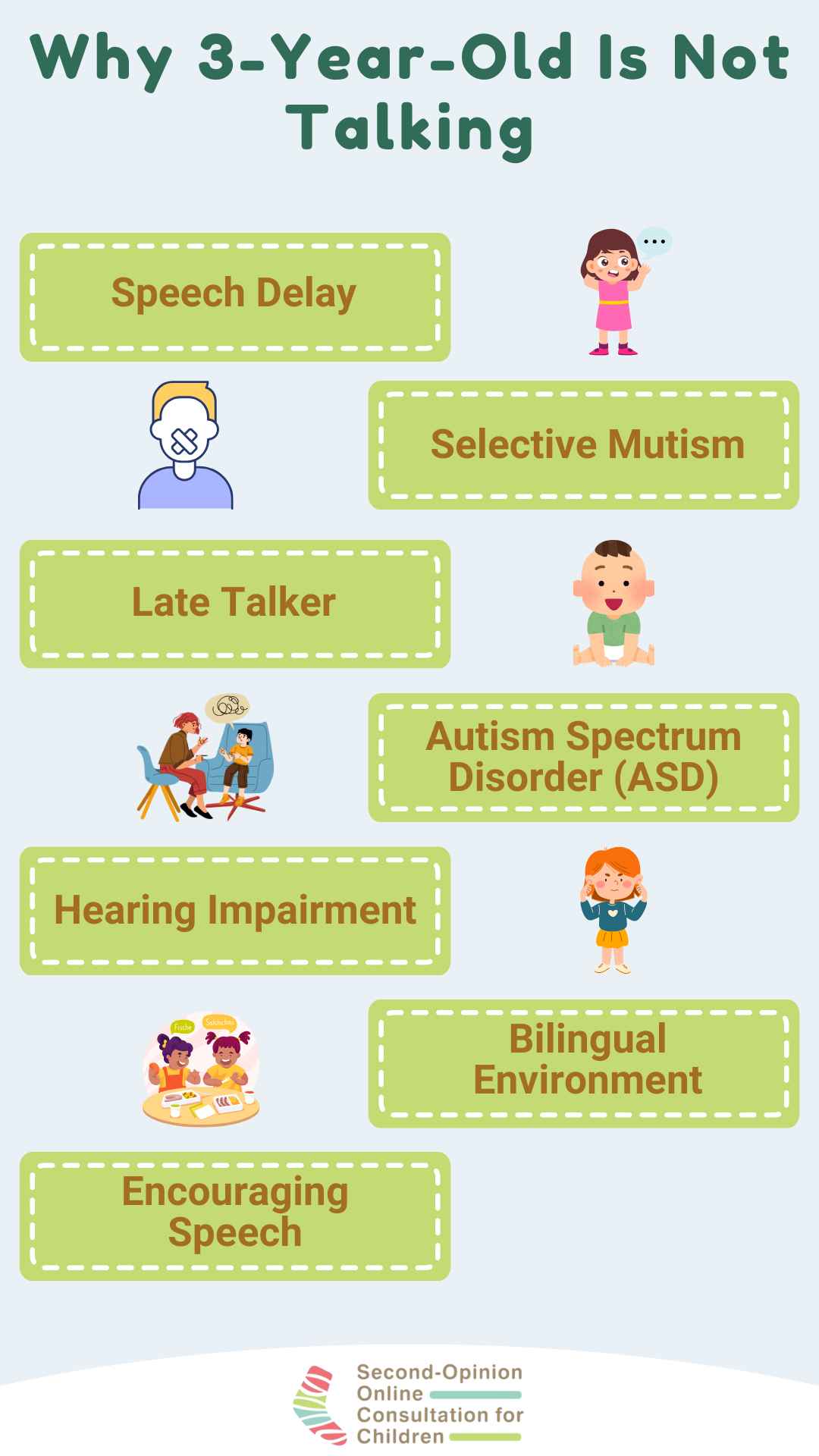
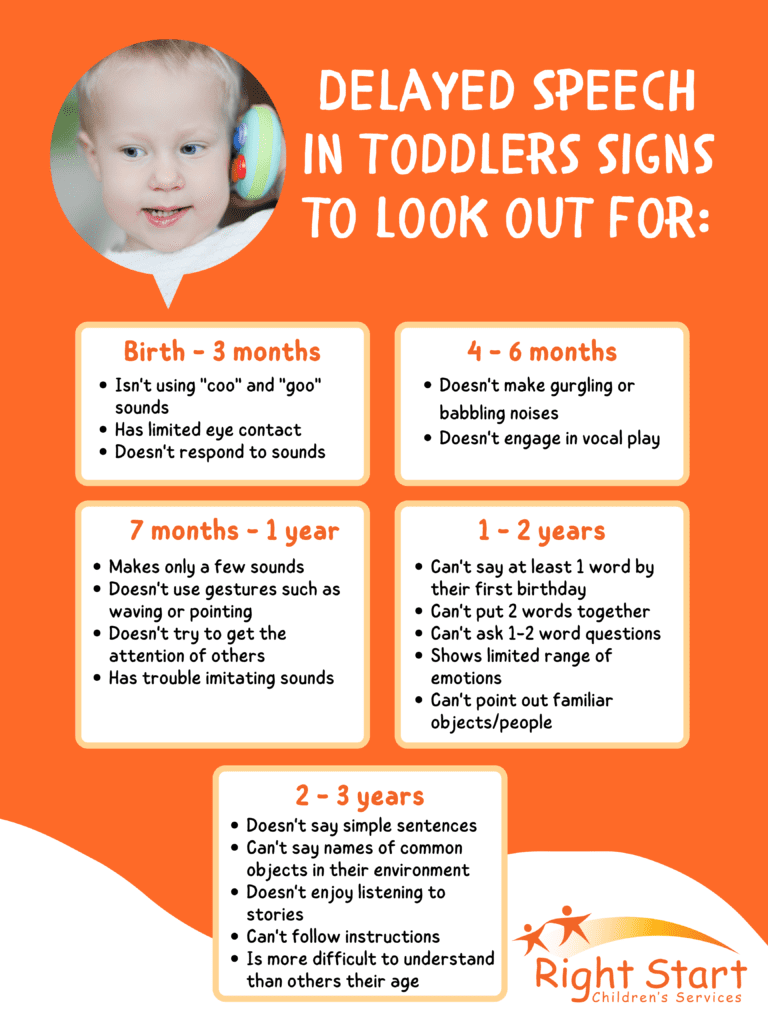
Do you often find your child struggling to form simple words or phrases? This could be a sign of speech delay. By age three, many toddlers can say around 200 to 300 words and form short sentences. If your child isn’t doing this, it might be time to pay closer attention. Another sign is difficulty following simple instructions or questions. If your child frequently seems confused or unable to respond, this might indicate speech delay. Observing these signs will help you decide on seeking professional advice. Notice if your child avoids social interactions. It’s natural for kids to shy away sometimes, but consistent avoidance can be a red flag. Engaging with other children and adults is crucial for language development.
Differences From Other Developmental Delays
Speech delay is specific to communication skills. It’s different from other developmental delays, like motor skill challenges. It’s crucial not to mix these up as each requires different approaches. While motor delays might affect physical activities, speech delay impacts how a child expresses themselves. This distinction is vital in finding the right support. A practical way to differentiate is by observing social behavior. Children with speech delay might understand social cues but struggle to express themselves, while other developmental delays might affect social understanding itself. These distinctions help you focus your efforts on the right area. Early identification ensures you can seek the right interventions and make a positive impact on your child’s development. Have you considered the importance of early intervention? The sooner you address speech delay, the easier it becomes for your child to catch up with their peers. Recognizing the signs and differences will equip you with the knowledge to act swiftly and confidently.
Credit: cheerschildcare.com
Seeking Professional Help
Consulting a speech therapist can aid a 3-year-old with speech delay. Early intervention ensures tailored strategies for language development. Professional guidance helps parents support their child’s communication skills effectively.
Helping a 3-year-old with speech delay can feel daunting. But you’re not alone on this journey. Seeking professional help is a crucial step that can make a significant difference. Professionals bring expertise that can offer clarity and direction. Let’s explore how consulting a pediatrician and the role of speech-language pathologists can aid your child’s speech development.
Consulting A Pediatrician
Your first stop should be the pediatrician. They’re the familiar face who knows your child’s history well. Their expertise can help identify potential causes of speech delay. A pediatrician will conduct initial assessments and may ask questions about your child’s milestones. They might perform hearing tests or refer you to specialists. This step ensures you’re on the right track, addressing underlying health concerns. Have you noticed specific behaviors in your child? Share them openly during consultations. Your insights are valuable and can guide the pediatrician’s understanding.
Role Of Speech-language Pathologists
Speech-language pathologists (SLPs) specialize in communication disorders. They can offer tailored strategies that foster speech development in your child. Their role is pivotal in creating a supportive environment for learning. SLPs assess your child’s speech and language skills through interactive sessions. They use playful activities to encourage speaking, making therapy engaging for your child. This approach helps your child associate speech with positive experiences. Imagine your child participating in a fun game that boosts their confidence. Such activities are common in speech therapy sessions. SLPs also provide exercises for home, allowing you to support your child’s progress. Are you worried about your child’s social interactions? SLPs can work on this too, helping your child communicate effectively with peers. Addressing these concerns can enhance your child’s overall well-being. Seeking professional help is not just about finding solutions; it’s about equipping yourself and your child with the right tools. Consider making these professionals part of your support system. What steps will you take to ensure your child reaches their speech milestones?
Creating A Supportive Environment
Creating a nurturing environment boosts speech development in 3-year-olds. Engage in playful conversations and read simple stories daily. Encourage expressive gestures and celebrate small speech milestones for positive reinforcement.
Creating a supportive environment for a 3-year-old with speech delay is crucial. This nurturing space encourages growth and communication. It fosters confidence and helps the child feel comfortable expressing themselves. Parents play a key role in shaping this environment. They can use various strategies to aid speech development.
Encouraging Verbal Interaction
Engage your child in daily conversations. Talk about your activities together. Ask simple questions to prompt responses. Use open-ended questions to encourage thinking. Repeat words and phrases often. This repetition helps with memory. Share stories during meals. Stories stimulate imagination and speech. Praise any verbal attempts. Positive feedback boosts confidence. Celebrate small victories in speech.
Incorporating Play-based Learning
Play is a powerful tool for learning. Choose games that involve speaking. Role-playing games encourage dialogue. Use dolls or action figures for storytelling. Singing songs can enhance vocabulary. Music helps with rhythm and speech patterns. Use puzzles with pictures and words. They aid word recognition. Encourage pretend play with friends. Social interactions build communication skills. Play-based learning makes speech practice fun.
Credit: www.rightstartservices.com
Engaging In Daily Speech Activities
Daily speech activities can enhance a 3-year-old’s communication skills. Encourage storytelling, singing songs, and naming objects to boost vocabulary. Interactive play fosters engagement and improves speech delay in a fun way.
Helping a 3-year-old with a speech delay can be a rewarding journey. One of the most effective strategies is to engage in daily speech activities. These activities not only promote language development but also strengthen the bond between you and your child. By making speech practice a fun part of your everyday routine, you can create a supportive environment for your little one to thrive.
Storytime And Reading Aloud
Reading aloud to your child is a simple yet powerful way to boost their speech skills. Choose books with vibrant pictures and repetitive phrases that encourage participation. When my niece struggled with speech, we made a game out of naming the animals in her favorite storybook. Ask questions about the story to engage them. “What do you think will happen next?” or “Can you find the red car?” These questions invite your child to think and respond, enhancing their language skills. Remember, it’s not about reading perfectly. It’s about enjoying the moment and sparking your child’s interest in language.
Music And Singing Exercises
Music can be a magical tool for speech development. Singing simple songs with actions can help your child learn new words and phrases. I once used “The Wheels on the Bus” song, and my nephew couldn’t stop mimicking the “wipers on the bus” with his hands. Incorporate songs into your daily routine. Sing during bath time or while cleaning up toys. This repetition and rhythm make learning fun and memorable. Don’t worry if you’re not a great singer. Your child will love your voice because it’s yours. Have you tried turning your daily tasks into a musical adventure? It might just be the key to unlocking your child’s speech potential. Engaging in these activities can significantly impact your child’s speech development. Have patience and celebrate every small victory along the way. What new activity will you add to your routine today?
Utilizing Technology And Resources
Helping a 3-year-old with speech delay can be a challenging task, but technology offers some exciting tools and resources that can make a difference. In today’s digital age, you have access to a wealth of educational apps and online communities that can support your child’s speech development. These resources not only provide interactive learning experiences but also connect you with other parents and professionals who can offer valuable advice. Let’s dive into how technology can be a powerful ally in this journey.
Educational Apps And Tools
Educational apps are a fantastic way to engage your child in learning while having fun. Many apps focus on language and communication skills, offering interactive games and activities tailored for young children. Look for apps that encourage speech by using repetition and visual cues. You might find that your child responds well to colorful characters and engaging stories that prompt them to speak.
Consider apps like “Speech Blubs” or “Articulation Station” which are designed to enhance speech skills. These apps offer exercises that can help with pronunciation and vocabulary building. The best part is that they turn learning into a playful activity, keeping your child motivated and excited to learn. What if just a few minutes a day could make a noticeable difference in your child’s speech?
Online Support Communities
Connecting with others can be incredibly reassuring when you’re navigating speech delays. Online support communities are a treasure trove of shared experiences and advice. These platforms allow you to ask questions, share concerns, and get tips from parents who have been in your shoes. You might discover new strategies or find comfort in knowing you’re not alone in this journey.
Websites like “Parenting Forums” or groups on social media can be excellent resources. Joining these communities can give you access to discussions on the latest technologies and methods for speech development. You might even find professionals offering free webinars or workshops. Have you considered how these shared experiences could change your approach?
Technology and resources offer practical solutions and support for speech delays in young children. By leveraging educational apps and engaging with online communities, you can create a nurturing environment that encourages speech development. Remember, every child is unique, and finding the right tools can make all the difference in their progress.
Building Patience And Consistency
Helping a 3-year-old with speech delay requires patience and consistency. Engage in daily conversations using simple words and phrases. Encourage them to express themselves through games and storytelling.
Building patience and consistency is crucial in supporting a child with speech delay. These qualities foster a nurturing environment, encouraging progress over time. Parents play a significant role in this journey. Their understanding and dedication can make a difference. Patience helps in managing expectations and reducing stress. Consistency aids in establishing a routine, which is comforting for the child.
Setting Realistic Expectations
Parents often desire quick results. Speech development varies in each child. Set achievable goals to avoid disappointment. Understand that progress might be slow. Celebrate every small improvement. Comparing your child with peers can be discouraging. Each child is unique and develops at their own pace. Focus on your child’s individual progress.
Celebrating Small Milestones
Acknowledging small achievements boosts confidence. It reinforces positive behavior and encourages the child. Celebrate when your child learns a new word. Even attempting to form sounds is a step forward. These moments build the child’s self-esteem. Share their progress with family and friends. This creates a support system for both you and your child.
Involving Family And Caregivers
Engaging family and caregivers in daily activities can significantly boost a child’s speech development. Regular conversations and interactive play encourage language skills. Support from loved ones creates a nurturing environment, fostering confidence in communication.
Helping a 3-year-old with speech delay can be a journey that involves not just you, but everyone in your child’s life. Family members and caregivers play a crucial role in fostering a supportive environment. By actively involving them, you create a unified front that can significantly impact your child’s progress.
Collaborative Communication Strategies
Imagine if every family member and caregiver used the same words and phrases when talking to your child. Consistency can be key. Encourage everyone involved to use simple, clear language. Organize a family meeting to discuss effective ways to communicate with your child. Share tips on using gestures, facial expressions, and repetition. This ensures everyone is aligned and can collaborate effectively.
Sharing Progress And Goals
Regularly updating your family and caregivers about your child’s speech progress keeps everyone motivated. Create a chart or journal to track achievements and milestones. Discuss short and long-term goals during family gatherings. This not only keeps everyone informed but also motivates them to contribute actively. Have you considered setting up a WhatsApp group or email chain? This can be an effective way for caregivers to share observations and insights. It promotes a sense of community and shared purpose, making every small win a celebrated moment. Involving family and caregivers in your child’s speech journey can transform challenges into shared victories. How can you further engage your family to support your child’s speech development?
Frequently Asked Questions
How Can I Improve My 3 Year Old’s Speech Delay?
Encourage speech by reading aloud, singing, and playing interactive games. Consult a speech therapist for personalized guidance. Limit screen time and engage in conversations. Provide positive reinforcement and be patient. Use toys and activities to stimulate language skills. Maintain regular communication with your child to foster development.
Is It Normal For A 3 Year Old To Have Speech Delay?
It’s common for 3-year-olds to experience speech delays. Every child develops language skills at their own pace. Consult a pediatrician if you’re concerned about your child’s speech development. Early intervention can help address any potential issues effectively.
What Is A Red Flag For Speech Delay?
A red flag for speech delay is a child not speaking simple words by 15 months. Lack of gestures like pointing or waving by 12 months also indicates a concern. Limited vocabulary or difficulty putting words together by age two can be a sign.
Early intervention is crucial.
Why Is My 3 Year Old Not Talking But Understands Everything?
Children develop speech at different rates. Some may understand language but struggle to express verbally. Consult a pediatrician or speech therapist for guidance. Early intervention can help improve communication skills effectively.
Conclusion
Helping a 3-year-old with speech delay needs patience and love. Engage with them daily through simple conversations. Read their favorite stories aloud. Play games that involve talking and listening. Consult a speech therapist for expert guidance. Celebrate small achievements. Keep the environment positive and encouraging.
Remember, every child progresses at their own pace. Stay patient and supportive. Your efforts make a big difference. With consistency and care, improvement will come. Remember to be patient with yourself too. Parenting is a journey. Stay hopeful and positive.
Your child is learning every day. You’ve got this!