Are you a parent concerned about the impact of pacifiers on your child’s speech development? You’re not alone.
Many parents like you wonder whether these soothing tools might be doing more harm than good. It’s a common worry: could that little piece of plastic be the reason your child isn’t speaking as expected? We dive into the relationship between pacifiers and speech delays.
We explore the science, expert opinions, and real-life experiences to help you make informed decisions for your child’s well-being. Stay with us as we unravel the truth behind pacifiers and their potential effects on speech. You won’t want to miss this vital information that could shape your parenting choices.
Pacifiers And Oral Development
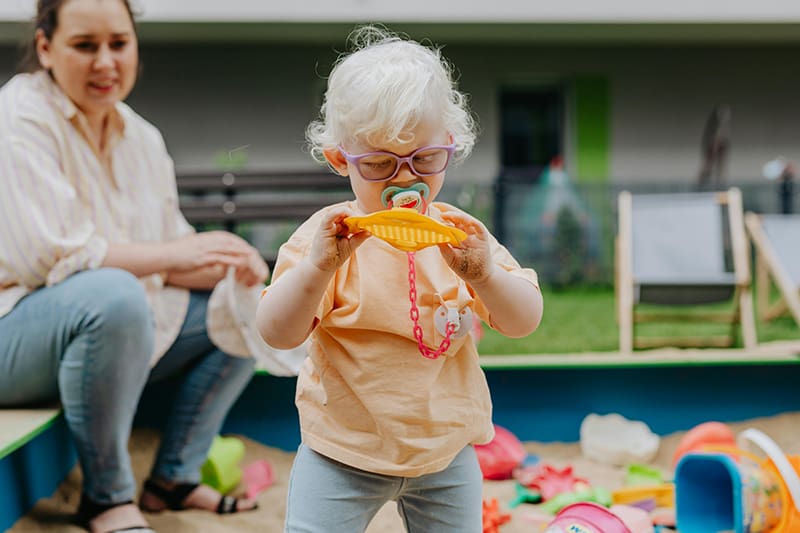
Pacifiers are a common tool for soothing babies. Parents often use them to calm their little ones. Yet, questions arise about their impact on oral development. Can pacifiers affect a child’s speech? Understanding their effect on oral structures helps answer this.
Impact On Jaw Growth
Frequent pacifier use might change jaw growth. The constant sucking pressure can reshape the jaw’s structure. This may lead to alignment issues. These changes can affect chewing and speech. Early detection is key to prevent long-term effects.
Effects On Tongue Movement
The pacifier’s presence can limit tongue movement. This restriction impacts speech sound formation. Proper tongue movement is crucial for clear speech. Limited movement can delay speech skills. Parents should monitor pacifier use to support healthy development.
Credit: chicagospeechtherapy.com
Speech Development Milestones
Speech development is crucial for young children. Understanding speech milestones helps parents. These milestones guide parents about their child’s progress. Each child develops at their own pace. Knowing typical milestones aids in monitoring growth. Early intervention can address delays effectively.
Typical Age Ranges
Babies start cooing around two months. By six months, they babble with varied sounds. At one year, many say their first word. By two years, children often speak in two-word phrases. Three-year-olds can form short sentences. Each milestone reflects normal speech growth.
Key Language Skills
Language skills begin with listening and understanding. Babies recognize familiar voices early on. As they grow, they start mimicking sounds. By one year, they understand simple instructions. Vocabulary expands significantly by age two. By three, children grasp basic grammar rules. Key skills shape future communication abilities.
Potential Risks Of Prolonged Pacifier Use
Pacifiers can be a parent’s best friend, providing instant comfort to a crying baby. However, like many things in life, moderation is key. Prolonged pacifier use may come with risks that could impact your child’s development, particularly in areas you might not expect. It’s essential to weigh the comforting benefits against potential downsides to make informed decisions.
Dental Concerns
Extended pacifier use can potentially lead to dental issues. You might notice changes in the alignment of your child’s teeth, especially if the pacifier is used beyond the age of two. This misalignment can result in what’s commonly known as “pacifier teeth,” where teeth grow in an awkward position.
Are you wondering if your child’s pacifier habit is affecting their smile? Pay attention to how their teeth are growing. Some parents find themselves surprised at the dental bills they face because of prolonged pacifier use. It’s worth considering a dental check-up to ensure your child’s oral health isn’t compromised.
Oral Muscle Impairment
Using a pacifier for extended periods can also impact the development of oral muscles. These muscles play a crucial role in speech development and other oral activities like chewing. Overuse of a pacifier might limit the natural movements of these muscles, which can delay speech articulation.
Have you noticed any difficulty when your child tries to pronounce certain words or sounds? This could be an indicator of oral muscle impairment. Encourage activities that promote muscle movement, like chewing on different textures or practicing sounds, to strengthen these muscles.
While pacifiers serve their purpose, it’s essential to be mindful of their potential long-term effects. How do you balance comfort with potential risks? Observing your child’s development and consulting with professionals can guide you in making the best choice for your little one. Stay informed and proactive in your approach to your child’s growth and development.
Scientific Studies And Findings
Pacifiers are common for soothing babies. Yet, parents often worry about speech delays. Scientific studies explore if pacifiers impact speech development. This section delves into the findings from research and expert opinions.
Research On Speech Delays
Several studies have analyzed the link between pacifiers and speech delays. Researchers have examined how long and frequent pacifier use affects speech. Some studies suggest extended use might delay speech milestones. Babies using pacifiers constantly might develop slower speech. They may have fewer opportunities to practice speaking sounds.
Other research finds no significant connection. These studies argue that pacifiers alone do not cause speech delays. They emphasize other factors like genetics and environment play a bigger role. The findings remain mixed, leaving room for more investigation.
Expert Opinions
Speech therapists often weigh in on the pacifier debate. Many experts suggest moderation in pacifier use. They advise limiting use as babies grow older. Experts believe reducing pacifier use can aid speech development.
Some experts stress the importance of active speaking practice. They encourage parents to engage in conversations with their babies. Speech therapists recommend activities that promote oral motor skills. Experts advise parents to watch for speech milestones. Early identification can help address any delays efficiently.
Alternatives To Pacifier Use
Many parents wonder if pacifiers might delay speech development. While pacifiers offer comfort, some seek alternatives. Finding suitable substitutes can be beneficial. These alternatives can provide comfort and aid teething without speech concerns.
Comforting Techniques
Babies often seek comfort, especially at bedtime. Swaddling can create a cozy feel. A gentle back rub soothes many infants. Soft music or lullabies can calm restless babies. A favorite blanket or toy can offer reassurance. Holding your baby close strengthens the parent-child bond. This physical closeness can be deeply comforting.
Teething Solutions
Teething can be uncomfortable for babies. Silicone teething rings are safe and effective. Chilled fruit or veggies offer relief and nutrition. A cold, wet washcloth can soothe sore gums. Many parents use baby teething gels for pain relief. Always ensure the product is safe for infants.

Credit: toddlertalk.com
Tips For Responsible Pacifier Use
Concern about pacifiers and speech delays is common among parents. Using pacifiers responsibly can help avoid any impact on speech development. Limit use to nap and bedtime, and encourage more talking and singing during the day.
Pacifiers have been a lifesaver for countless parents. They soothe fussy babies, provide comfort, and can even help with sleep. But, as a parent, you might wonder if pacifiers could be causing more harm than good, particularly when it comes to speech development. The key lies in responsible use. Let’s explore some practical tips to ensure that pacifiers do not become a stumbling block in your child’s speech journey.
Age Recommendations
Experts generally suggest limiting pacifier use after six months. This is when babies begin to babble and experiment with sounds. By the age of one, it’s beneficial to encourage your child to rely less on the pacifier. Why? Because this is the time when they start imitating words and sounds they hear around them. It’s crucial to strike a balance. Keep the pacifier for sleep or comfort but let your child explore sounds during their waking hours.
Gradual Weaning Strategies
Suddenly taking away a pacifier can be tough for both you and your child. Instead, think of gradual weaning as a more gentle approach. Start by limiting its use to nap times and bedtime. You could try the “trade-in” method. Swap the pacifier for a favorite toy or book, creating a positive exchange. For my niece, cutting down the tip of the pacifier each week worked wonders. She lost interest naturally as it became less satisfying. Have you considered introducing a “bye-bye” pacifier ritual? This can make the transition feel special rather than stressful. A small ceremony where your child waves goodbye to their pacifier might create a sense of closure, helping them move on confidently. In your journey, remember that every child is unique. What worked for one may not work for another. Stay patient and attentive to your child’s needs, and you’ll find the best path forward.

Credit: www.tinytalkerschicago.com
Frequently Asked Questions
Do Pacifiers Interfere With Speech?
Prolonged pacifier use might affect speech development by hindering tongue movement and jaw growth. Limit usage to prevent potential issues. Encouraging speech practice and reducing pacifier time can help. Consult a pediatrician if concerns arise about speech delays related to pacifier use.
What Is The Most Common Cause Of Speech Delay?
The most common cause of speech delay is hearing loss. Children may struggle to develop language skills without proper auditory input. Early detection and intervention can help address this issue effectively. Consult a speech-language pathologist for a comprehensive evaluation and tailored treatment plan.
Are Pacifiers Bad For Mouth Development?
Pacifiers can affect mouth development, especially if used excessively. They might alter teeth alignment and palate shape. Limiting pacifier use after age 2 reduces potential issues. Consulting a pediatric dentist ensures healthy oral development. Proper usage and timing are crucial for minimizing risks to mouth development in children.
Is It Better To Use A Pacifier Or Not?
Using a pacifier can soothe infants and reduce SIDS risk. Overuse may cause dental issues and ear infections. Consider your child’s needs and consult a pediatrician for personalized advice.
Conclusion
Pacifiers and speech development. A common concern for many parents. Research shows mixed results. Some studies suggest delays, others show no impact. Balance is key. Limit pacifier use as your child grows. Encourage speech through play and interaction. Listen and talk with your child often.
Every child is unique. Consult a pediatrician if worried. Remember, pacifiers offer comfort. But moderation matters. Foster a supportive environment. Prioritize your child’s needs. With patience, children thrive in their own time. Keep communication open. Stay informed. Your love and attention make the biggest difference.