
Are you wondering if Autism Spectrum Disorder (ASD) qualifies as a disability? You’re not alone.
Many people ask this question because understanding the legal and social implications of ASD can be confusing. In this blog post, we’ll break down what it means for ASD to be considered a disability and what benefits or support you or your loved ones might be eligible for.
We’ll also explore the impact this recognition has on daily life and long-term planning. Stick with us to uncover essential insights that could significantly affect your future.

Credit: www.nyneurologists.com
Autism Spectrum Disorder Overview
Autism Spectrum Disorder (ASD) affects communication and behavior. It varies widely among individuals. Some people with autism might need substantial support. Others may live independently. Understanding ASD helps determine its qualification for disability benefits.
What Is Autism Spectrum Disorder?
Autism is a developmental disorder. It impacts social skills and communication. People with autism may behave differently. They might have repetitive actions or interests. Symptoms start early in childhood. They can last a lifetime.
Characteristics Of Autism Spectrum Disorder
Each person with autism is unique. Some might have strong verbal skills. Others may struggle with speech. Sensitivity to sounds or lights is common. Routine changes can be challenging. Social interactions may be difficult.
Diagnosis And Early Signs
Doctors diagnose autism through observation. They look for specific behaviors. These include lack of eye contact or limited speech. Early signs appear before age three. Early intervention can improve skills.
Common Challenges Faced By Individuals With Asd
Social interactions are often challenging. Many struggle with understanding cues. This can impact forming friendships. Sensory issues might cause discomfort. Changes in routine may trigger anxiety.
Understanding The Spectrum
Autism is called a spectrum. It ranges from mild to severe. Some may need little support. Others might require constant care. This spectrum makes autism unique. It influences the type of assistance needed.
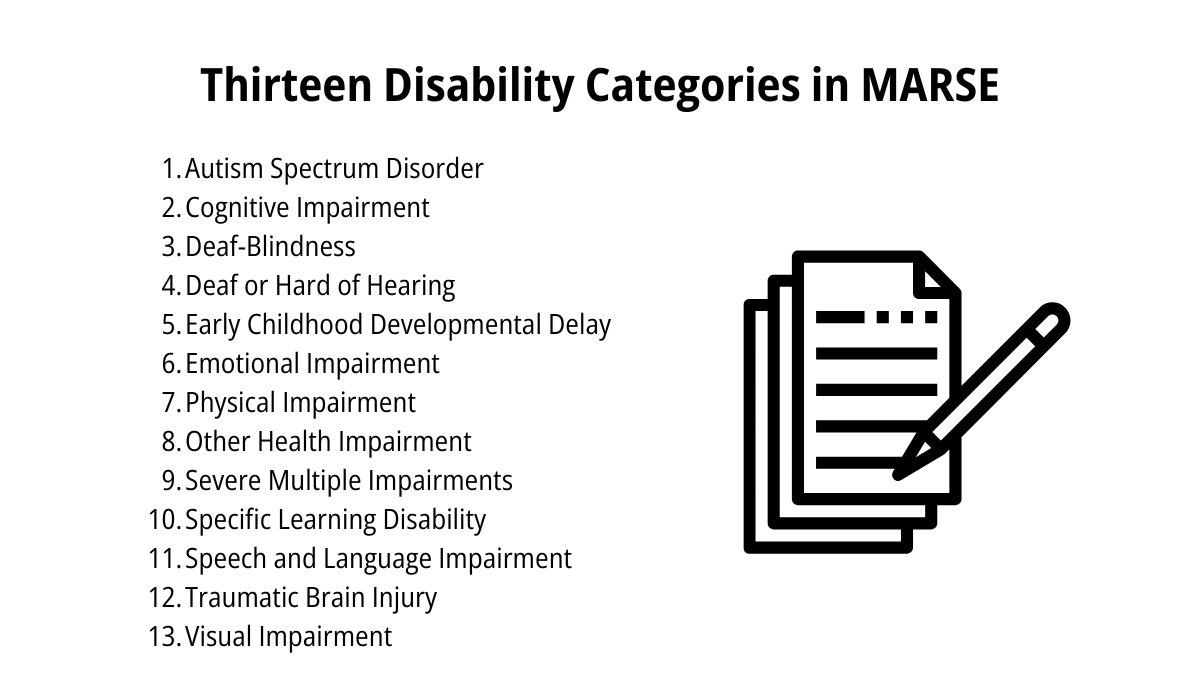
Credit: www.michiganallianceforfamilies.org
Understanding Disability Classification
Autism Spectrum Disorder can qualify for disability benefits. It depends on the individual’s challenges and needs. Understanding the classification helps families access necessary support and resources.
Understanding how disabilities are classified can be a complex journey. For those with Autism Spectrum Disorder (ASD), the process might feel daunting. You may wonder if ASD qualifies as a disability. This question is essential for accessing support and resources. Let’s break down the classification of disabilities and see where ASD fits in.
What Is Disability Classification?
Disability classification is a system to identify and organize various disabilities. It helps determine eligibility for services and benefits. Understanding this system is crucial for anyone seeking support. Every country has its own criteria and definitions for disabilities. In the United States, the Americans with Disabilities Act (ADA) provides a clear definition. It includes physical or mental impairments that substantially limit one or more major life activities.
How Does Autism Spectrum Disorder Fit?
Autism Spectrum Disorder is recognized as a developmental disability. It affects communication, behavior, and social skills. These challenges can impact daily life significantly. Individuals with ASD may qualify for disability benefits under certain conditions. The key is whether ASD substantially limits major life activities. This can include communication, learning, or social interaction.
Real-life Applications Of Disability Classification
Consider Sarah, a young adult with ASD. She struggles with communication and requires support in social settings. Her condition limits her ability to work independently. Sarah’s experience is a practical example of how ASD can qualify as a disability. Her classification allows her to access necessary support services and job accommodations.
Why Is This Classification Important For You?
Understanding disability classification can open doors to essential resources. If you or a loved one is on the autism spectrum, knowing your rights is empowering. This knowledge helps in advocating for appropriate accommodations at work or school. It also aids in securing financial support through programs like Supplemental Security Income (SSI).
Questions To Consider
Have you explored the disability classification in your region? Are there resources you might not be aware of? These questions can guide your next steps in seeking support for ASD. Accessing the right information is crucial for making informed decisions. Engage with these insights and see how they apply to your situation. Are there areas where you need more clarity? Share your thoughts and experiences in the comments below.
Legal Criteria For Disability Status
Understanding the legal criteria for disability status is crucial. Autism Spectrum Disorder (ASD) can qualify for disability benefits, but specific conditions must be met. Legal definitions and medical assessments play significant roles in this process. Each aspect determines eligibility in different ways.
Government Definitions
Governments define disability based on functional limitations. ASD is recognized under mental and developmental disorders. Criteria often include difficulty in communication and social interaction. The Social Security Administration (SSA) outlines specific guidelines. These guidelines determine if ASD qualifies as a disability. Documentation of challenges is essential for proving disability status.
Medical Assessments
Medical assessments are vital for disability determination. Professionals evaluate the impact of ASD on daily life. They assess communication skills, behavior, and social interactions. Reports from doctors, therapists, and psychologists are crucial. These assessments provide evidence of the disorder’s severity. A detailed medical evaluation supports the claim for disability benefits.
Asd And Disability Benefits
Autism Spectrum Disorder (ASD) can qualify for disability benefits under certain conditions. Eligibility often depends on the severity of symptoms and their impact on daily life. Individuals may need to provide medical documentation showing how ASD affects their ability to function in work or social settings.
### ASD and Disability Benefits Navigating the world of disability benefits can be daunting, especially when considering the unique challenges faced by those with Autism Spectrum Disorder (ASD). The good news is, there are several avenues through which individuals with ASD can access essential support. Understanding these options is crucial for ensuring that you or your loved one receives the assistance needed to thrive. ####
Social Security Benefits
The Social Security Administration (SSA) recognizes ASD as a disability under specific criteria. This means individuals with ASD may qualify for Social Security Disability Insurance (SSDI) or Supplemental Security Income (SSI). Eligibility for these benefits often depends on the severity of the condition and its impact on daily functioning. You might wonder what this process looks like. It involves detailed documentation of how ASD affects everyday activities, work capabilities, and social interactions. Parents of children with ASD often share how SSI benefits have provided crucial financial support, enabling them to afford therapies and educational resources. This assistance can be a lifeline, offering a sense of stability and hope. ####
State-level Assistance
While federal benefits play a significant role, state-level assistance can also be a vital resource. Many states offer additional programs tailored specifically for individuals with ASD. These programs may include Medicaid waivers, which cover services like occupational therapy or specialized education. Did you know some states even have unique grants for families affected by ASD? These can significantly ease the financial burden associated with therapies and interventions. It’s essential to research the specific benefits available in your state. Local autism support groups can be a valuable resource, sharing insights and experiences about accessing state-level assistance. Have you explored what your state offers? Taking the time to investigate these options can open doors to support you might not have realized was available.
Challenges In Securing Disability Status
Securing disability status for Autism Spectrum Disorder presents unique challenges. Autism’s varying symptoms complicate the qualification process. Many face difficulties proving the disorder’s impact on daily life.
Securing disability status for Autism Spectrum Disorder (ASD) can be a challenging process, often fraught with hurdles that require persistence and detailed understanding. Many families face obstacles that can seem overwhelming, but understanding the intricacies of the system can make a significant difference. Knowing what’s required and tackling common misconceptions head-on can pave the way for a smoother experience.
Documentation Requirements
To qualify for disability benefits with ASD, thorough documentation is key. You need to gather medical records that clearly outline the diagnosis and any evaluations conducted by professionals. Schools can also provide valuable information, such as Individualized Education Plans (IEPs) or 504 plans, which illustrate the support needed for the child. This paperwork is crucial in demonstrating how ASD impacts daily life and the necessity for assistance. It’s beneficial to keep detailed notes from doctors and therapists. Consistent documentation shows the ongoing nature of ASD and the challenges it presents. Have you considered maintaining a journal to record daily struggles and achievements? This can be an invaluable asset when applying for disability status.
Common Misconceptions
One common misconception is that all individuals with ASD automatically qualify for disability benefits. Unfortunately, this is not the case. The severity and impact of symptoms can vary widely, affecting the qualification process. Another misunderstanding is that ASD is solely a mental health issue. While it does affect social and communication skills, it can also lead to sensory overload and difficulties in executive functioning. Recognizing the multifaceted nature of ASD can help in presenting a comprehensive case. Have you encountered skepticism from those around you regarding ASD and its challenges? It’s important to educate them, not just for the sake of your application, but to foster broader understanding and support. Sharing your experiences can change perceptions and build empathy.

Credit: www.thrivingwellnesscenter.com
Impact Of Disability Status On Individuals
Autism Spectrum Disorder can qualify for disability status, impacting social interactions and communication. Many individuals experience challenges that affect daily life. Support and resources are vital for improving their quality of life.
Understanding whether Autism Spectrum Disorder (ASD) qualifies as a disability can profoundly impact an individual’s life. Disability status can open doors to crucial support systems, enhance quality of life, and provide a sense of security. But what does it really mean for someone on the autism spectrum to be recognized as having a disability? Let’s break it down.
Access To Support Services
Having a recognized disability status can significantly increase access to support services. Individuals with ASD may gain eligibility for educational programs, therapeutic services, and financial assistance. This can make a world of difference for families who might otherwise struggle to afford essential care. Consider the story of Jake, a young man with ASD. Once classified as having a disability, Jake was able to attend specialized classes that catered to his learning style. This access not only improved his academic performance but also boosted his self-esteem.
Quality Of Life Improvements
Disability status can lead to meaningful improvements in quality of life. With the right resources, individuals can develop skills that enhance independence. Moreover, access to mental health services can help manage anxiety or depression often associated with ASD. For some, the change is as simple as having a support worker to help with daily tasks. For others, it means accessing technology that aids communication. The ripple effect of these improvements extends to the entire family, reducing stress and enhancing overall well-being. Think about what it might be like if you or a loved one could suddenly access a range of services that were once out of reach. Wouldn’t that change your perspective on disability status? By acknowledging ASD as a disability, society can better support those who need it. This recognition doesn’t label individuals; it empowers them with the tools to thrive. Have you seen similar impacts in your community or personal life?
Advocacy And Support Networks
Autism Spectrum Disorder often qualifies for disability benefits. Support networks help individuals navigate this process. Advocacy groups provide essential resources and guidance. Understanding eligibility criteria is crucial for receiving assistance.
Navigating the world with Autism Spectrum Disorder (ASD) can be challenging, and understanding whether ASD qualifies for disability benefits can be a crucial part of ensuring the right support is in place. Advocacy and support networks play a vital role in this process. They not only help individuals with ASD and their families navigate the complexities of disability benefits but also provide a community of support and resources. This section will explore the essential roles of advocacy groups and community resources in empowering those affected by ASD.
Role Of Advocacy Groups
Advocacy groups are pivotal in championing the rights of individuals with ASD. They offer guidance on legal rights and help you understand the criteria for disability benefits. These groups can be your voice in the system, ensuring that your or your loved one’s needs are not overlooked. Many advocacy groups also provide workshops and training sessions. These can help you learn how to effectively communicate with service providers and government agencies. By participating, you gain valuable skills that empower you to advocate for yourself or your loved one. Have you ever felt overwhelmed by the paperwork and requirements for disability benefits? Advocacy groups can simplify this process. They offer step-by-step assistance, making the journey less daunting and more manageable.
Community Resources
Community resources offer invaluable support that can enhance the quality of life for individuals with ASD. Local organizations often provide services such as therapy, educational programs, and social activities. These resources can be life-changing, providing a sense of belonging and inclusion. Consider checking out support groups in your area. They can connect you with other families and individuals facing similar challenges. Sharing experiences and advice in these groups can offer new perspectives and solutions you might not have considered. Libraries, community centers, and local non-profits frequently host events and workshops. These can be excellent opportunities to learn more about ASD and connect with others in your community. Participating in such events can broaden your support network and open doors to new resources. Have you utilized any community resources or advocacy groups that made a significant difference? Sharing your experience can inspire others and provide them with the tools they need to succeed.
Future Directions In Asd Disability Recognition
Autism Spectrum Disorder (ASD) has gained significant attention globally. Recognizing ASD as a disability is evolving. New policies and research are shaping its future recognition. Understanding these changes is important for all stakeholders.
Policy Developments
Governments worldwide are updating disability policies. They aim to include ASD more comprehensively. This includes access to support services and resources. Policymakers focus on tailoring assistance to individual needs. These changes help improve quality of life for those with ASD.
Some countries have already expanded their definitions of disability. This includes recognizing the diverse impacts of ASD. Better policies lead to more inclusive societies. This is a positive trend for those affected by ASD.
Research And Awareness
Research plays a crucial role in ASD recognition. Studies reveal new insights into ASD challenges. This information guides policy changes and support services. Increased awareness leads to better understanding. It also reduces stigma associated with ASD.
Awareness campaigns are vital for educating the public. They highlight the needs and rights of individuals with ASD. Knowledge empowers communities to support those with ASD. As awareness grows, so does acceptance.
Frequently Asked Questions
What Level Of Autism Qualifies For Disability?
Individuals with severe autism often qualify for disability benefits. Eligibility depends on significant impairments in communication, social interaction, and self-care. Medical documentation supporting the diagnosis is crucial. Each case is assessed individually by Social Security Administration or relevant authority.
What Is Level 1 Autism In Adults?
Level 1 autism in adults is a milder form of autism spectrum disorder. Individuals need minimal support for daily functioning. They may face challenges with social interactions and communication. These adults often have average or above-average intelligence. Early diagnosis and tailored support can improve their quality of life.
How Hard Is It To Get Ssdi For Autism?
Getting SSDI for autism can be challenging. Applicants must prove significant impairment in daily functioning. Medical evidence and detailed documentation are crucial. Legal guidance might help increase approval chances.
Is Autism On The Spectrum A Disability?
Yes, autism is considered a disability. It affects social interaction, communication, and behavior. People with autism may have varying levels of support needs. Autism is a spectrum, meaning its impact can differ greatly among individuals. Early intervention and support can improve quality of life.
Conclusion
Understanding Autism Spectrum Disorder’s role in disability qualification is vital. Each case is unique. Some individuals qualify for disability benefits. Others may not. It depends on the severity and impact on daily life. Consultation with a medical professional helps. They guide through the process.
Remember, support is available. Many resources exist for those in need. Families and individuals should explore all options. This ensures the best possible outcome. Seeking advice from experts can make a difference. It provides clarity and peace of mind. Keep informed and advocate for your needs.