
Are you concerned about how autism symptoms might change as you or your loved one grows older? It’s a common question that many people have, and you’re not alone in seeking answers.
Understanding the progression of autism can be a complex journey, filled with both challenges and opportunities. You might wonder if the symptoms will get worse over time or if they’ll become more manageable. By delving into this topic, you can gain valuable insights that might ease your worries and equip you with the knowledge to better navigate the future.
Let’s explore what you can expect as the years go by and how you can proactively support those on the autism spectrum. Stay with us, and discover the facts that can make a significant difference in your life or the life of someone you care about.
Autism Across The Lifespan
Autism is a lifelong condition. It affects individuals differently at various stages. Understanding these changes helps in providing better support. Each stage brings unique challenges and strengths.
Childhood Symptoms
In childhood, autism signs are often noticeable. Children might have delayed speech. They may struggle with social interactions. Repetitive behaviors are common. Sensory sensitivities often become apparent. Parents and teachers play a crucial role in support.
Adolescent Changes
Adolescence can be a challenging time. Social demands increase. Teenagers may feel more isolated. Anxiety levels might rise. Changes in routine can be hard. Support systems need adaptation during these years.
Adult Manifestations
Adulthood brings its own set of challenges. Many adults with autism live independent lives. Some may need ongoing support. Social interactions can remain difficult. Employment opportunities might be limited. Awareness and support can make a difference.

Credit: www.thetreetop.com
Factors Influencing Symptom Changes
Autism symptoms vary across individuals and can change with age. Understanding these changes involves examining several key factors. Biological, environmental, and social elements all play a role. Each factor influences how symptoms manifest over time. Let’s explore these influences in detail.
Biological Factors
Biological changes can affect autism symptoms. Brain development continues throughout life. This can alter symptom presentation. Hormonal changes also influence behavior and mood. Genetics may impact how symptoms evolve. Each person’s biology is unique, leading to varied experiences.
Environmental Impact
The environment significantly affects autism symptoms. Changes in surroundings can trigger new behaviors. Stressful environments may exacerbate symptoms. Supportive settings can help manage them. Accessibility to resources plays a role. Consistent routines and supportive care are crucial.
Social Influences
Social factors shape autism symptom changes. Relationships with family and friends are important. Positive social interactions can improve outcomes. Isolation might worsen symptoms. Peer support is valuable for social learning. Engagement in community activities helps too.
Role Of Early Intervention
The role of early intervention in autism is crucial. Early intervention can significantly impact the trajectory of autism symptoms as individuals grow older. By addressing developmental challenges early, you can help your child build essential skills and improve their quality of life.
Importance Of Early Diagnosis
Early diagnosis is pivotal in understanding your child’s unique needs. Identifying autism symptoms in the early stages allows for timely intervention. This proactive approach can alleviate potential challenges and provide your child with the support they need.
Consider the story of a mother who noticed her child’s difficulty in social interactions. By seeking a professional assessment early, she was able to access services that transformed her child’s communication skills over time.
Therapeutic Strategies
Engaging in therapeutic strategies is essential for managing autism symptoms. Various therapies, such as speech and occupational therapy, can promote skill development. These interventions are tailored to your child’s individual needs.
Imagine finding a therapist who helps your child connect better with peers. Such therapeutic support fosters growth and confidence, making everyday interactions more manageable.
Long-term Benefits
The long-term benefits of early intervention are profound. Children who receive early support often develop stronger coping mechanisms and social skills. These advantages can lead to more independence in adulthood.
Reflect on the potential impact: what if your child could navigate social situations with ease? Early intervention makes this possibility more attainable, offering a brighter future.
As a parent, you have the power to shape your child’s journey. Embrace early intervention and witness the transformation it can bring. Are you ready to take the next step for your child’s future?
Challenges In Adulthood
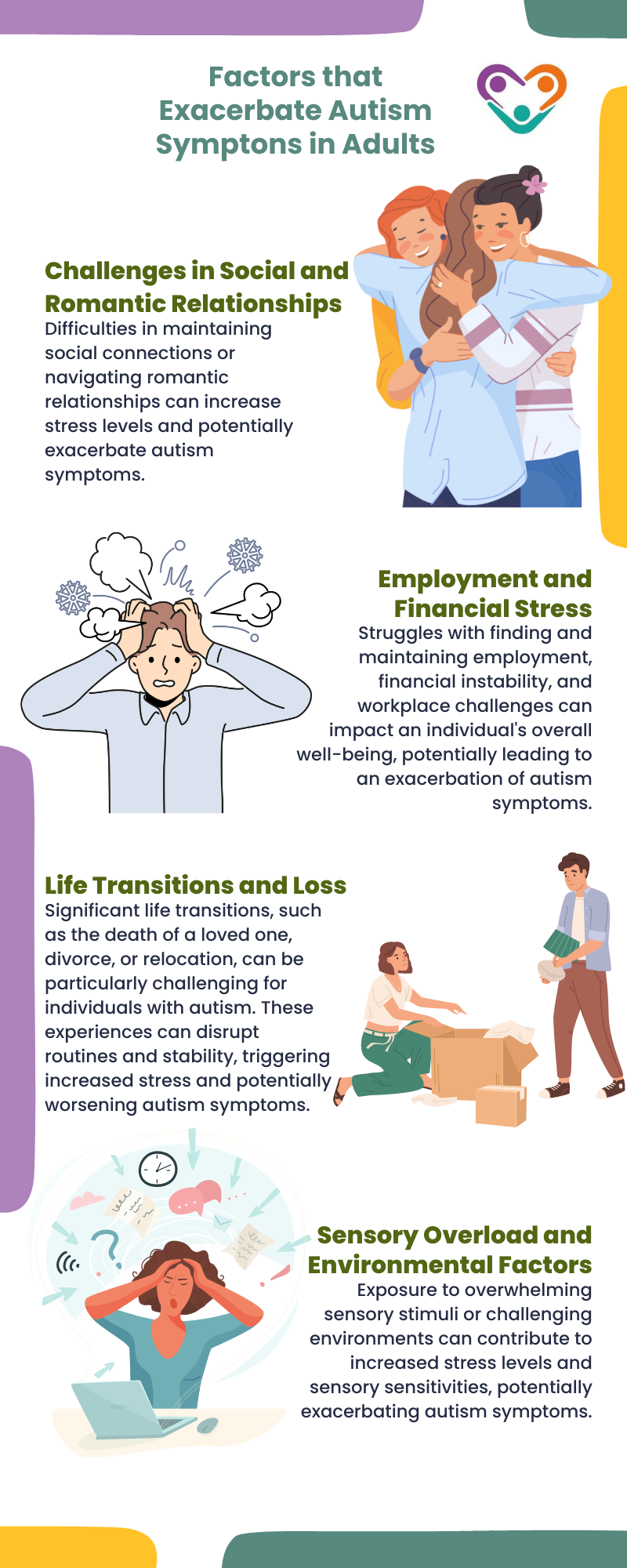
Adulthood brings unique challenges for individuals with autism. As they age, daily life complexities can intensify. Understanding these challenges helps in providing effective support. It involves navigating employment, social relationships, and mental health concerns.
Employment And Independence
Finding and keeping a job poses significant challenges. Many adults with autism struggle with workplace dynamics. They may find it difficult to adapt to new routines or tasks. Employers might not understand their unique needs or strengths. This can lead to job instability. Independence in daily life can also be challenging. Simple tasks like managing finances or household chores require additional effort.
Social Relationships
Building and maintaining social relationships can be difficult. Many adults with autism experience social anxiety. They may find it hard to understand social cues. Making friends or maintaining romantic relationships requires patience and understanding. Miscommunication often leads to misunderstandings. This can result in feelings of isolation and loneliness.
Mental Health Concerns
Mental health is a significant concern for adults with autism. Anxiety and depression are common. These issues often stem from social isolation or employment stress. Access to mental health resources is crucial. Tailored support can improve overall well-being. Early intervention helps in managing these concerns effectively.
Supporting Individuals With Autism
Autism symptoms can change as individuals age, but they don’t necessarily worsen. Many find ways to manage challenges better. Supportive environments and tailored interventions can significantly improve quality of life over time. Understanding these changes helps in providing effective support and care.
Supporting individuals with autism requires a compassionate approach. It involves understanding their unique needs. Many face challenges as they age. Symptoms can vary, making support crucial. Effective support helps improve quality of life. Family, community, and awareness play key roles in this journey.
Family Support Systems
Families are the first line of support. They provide love and understanding. A stable home environment is essential. Open communication is key. Family members should learn about autism. This knowledge helps in offering better support. Regular family meetings can address concerns. Encourage family involvement in daily routines. This fosters a sense of belonging.
Community Resources
Communities offer valuable resources for autism support. Local support groups provide a sense of connection. They offer a platform to share experiences. Community centers often host autism-friendly events. These events promote social interaction. Schools may have specialized programs. They can cater to specific learning needs. Libraries often have resources for further education. Accessing these resources strengthens community bonds.
Advocacy And Awareness
Advocacy raises autism awareness. It ensures individuals receive necessary support. Public education campaigns reduce stigma. They promote understanding and acceptance. Individuals can become their own advocates. This empowers them to voice their needs. Social media platforms help spread awareness. Sharing personal stories can inspire others. Awareness leads to more inclusive communities.
Credit: goldencaretherapy.com
Future Directions In Autism Research
Exploring autism research, experts investigate whether symptoms intensify with age. Understanding changes helps improve support strategies for individuals. Researchers aim to identify factors affecting symptom progression.
Future research in autism focuses on understanding its progression with age. Scientists aim to explore why symptoms may intensify over time. They seek effective interventions for these challenges. This research could bring hope to many families.
Emerging Therapies
New therapies are under investigation. Researchers explore behavioral therapies to ease symptoms. These therapies focus on improving communication and social skills. They also look at medications that might help. The goal is to enhance quality of life. Scientists study how these treatments affect autism over time.
Technological Innovations
Technology plays a big role in autism research. Tools like virtual reality offer new ways to interact. These tools help teach social skills in a safe space. Apps and devices track behaviors and progress. Data collected can guide personalized treatment plans. Technology offers new hope for understanding autism.
Policy Implications
Research impacts policies that support those with autism. Policymakers use findings to create supportive environments. Schools and workplaces may benefit from these insights. Policies can ensure access to therapies and resources. They can promote awareness and inclusion. Research findings guide these essential changes.

Credit: www.discoveryaba.com
Frequently Asked Questions
Why Is My Autism Getting Worse As I Get Older?
Autism may seem worse due to increased life stressors or responsibilities. Sensory sensitivities or co-occurring conditions might intensify. Aging can also change how symptoms manifest, making them more noticeable. Seeking professional guidance or support can help manage these changes effectively.
What Is The Hardest Age For Autism?
The hardest age for autism varies among individuals. Many parents find early childhood challenging due to developmental milestones. Adolescence can also be difficult due to social and behavioral changes. Each stage presents unique challenges requiring tailored support and understanding. Consulting professionals can provide valuable guidance for navigating these phases.
What Does High Functioning Autism Look Like?
High functioning autism often includes strong focus, routine preference, social skill challenges, and intense interests. Individuals might excel academically or in specific tasks but struggle with social interactions and sensory sensitivities. They may display unique problem-solving skills and creativity.
What Happens When You Yell At An Autistic Child?
Yelling at an autistic child can increase anxiety and stress. It may cause confusion and emotional distress. This approach might hinder communication and trust. Calm, supportive interactions foster understanding and comfort.
Conclusion
Understanding autism’s progression is crucial for supporting individuals effectively. Autism symptoms may vary with age. Some might experience challenges, while others find stability. Staying informed helps caregivers and families adapt better. Consistent support and therapy can aid in managing symptoms.
Recognizing each person’s unique needs is vital. Encouraging a supportive environment fosters growth and well-being. Early interventions often make a positive difference. Remember, patience and understanding are key. With the right approach, individuals with autism can lead fulfilling lives. Keep learning, adapting, and offering support.
It’s a journey worth taking.