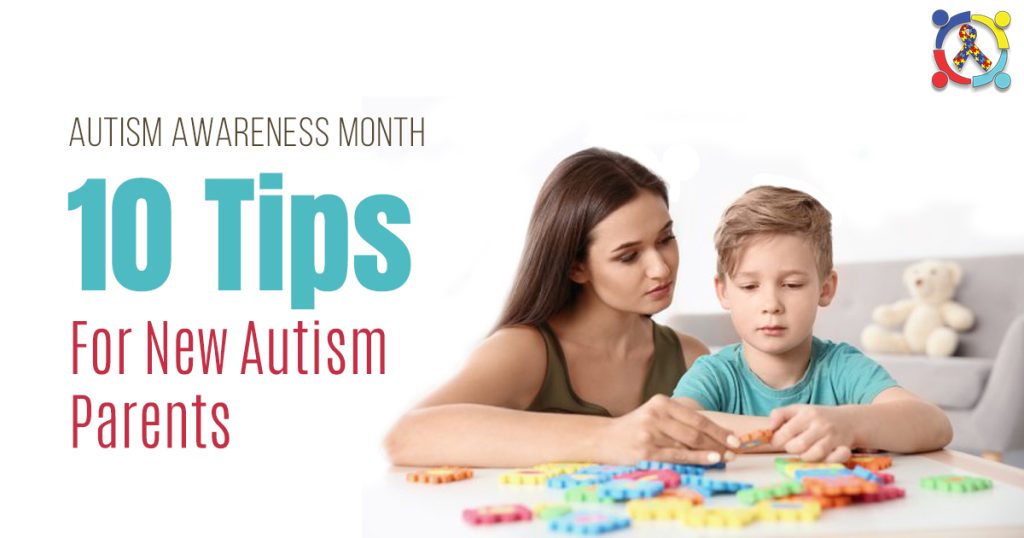
Yes, speech therapy can support individuals with autism. It aids communication skills, social interaction, and understanding language.
Autism often impacts communication, making it a key area for intervention. Speech therapy offers tailored strategies to enhance speech, language, and social skills. Therapists work closely with individuals, addressing challenges such as difficulty in expressing needs or understanding verbal cues.
This personalized approach fosters better communication, helping individuals connect with others and navigate social situations. Speech therapy also incorporates play and interactive activities, making learning engaging and effective. By focusing on strengths and addressing weaknesses, it can significantly improve quality of life for those with autism. This blog explores the benefits and methods of speech therapy in autism care, shedding light on how it supports growth and connection.
Role Of Speech Therapy In Autism
Speech therapy can help children with autism. It focuses on enhancing communication. This includes speaking and understanding words. Therapists use fun activities. They teach kids how to express their needs. Kids learn to use words, pictures, or signs. This helps them communicate better at home and school. Speech therapy also helps children understand what others say. This way, they can respond correctly. Improved communication builds confidence in kids. It makes them happier and more social.
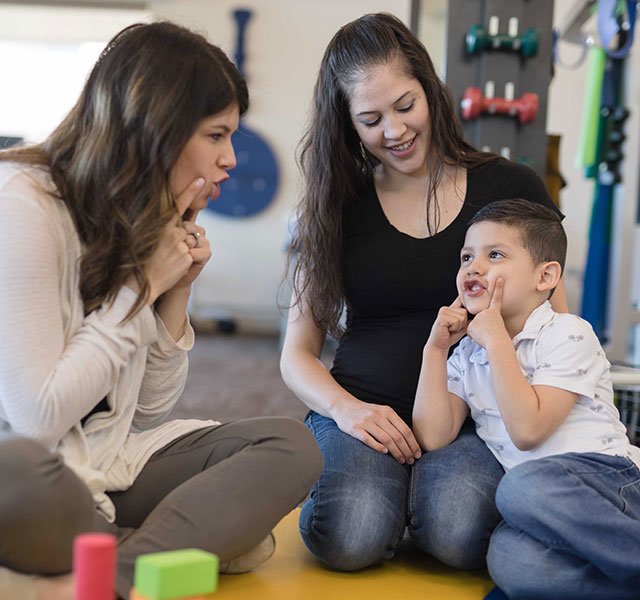
Social interaction is important. Speech therapy helps with this too. Kids learn how to greet and talk to others. They practice taking turns in conversations. Playing games with other kids is also part of therapy. This helps them make friends. Kids learn how to behave in different situations. They understand how to share and play nicely. All these skills help them fit in better with friends. They feel more included in groups.
Credit: www.healthline.com
Techniques Used In Speech Therapy
Speech therapy can support autism by using techniques like modeling, repetition, and visual aids. These methods improve communication skills and enhance social interactions. Tailored sessions focus on individual needs, helping to build language abilities and confidence in everyday situations.
Articulation Therapy
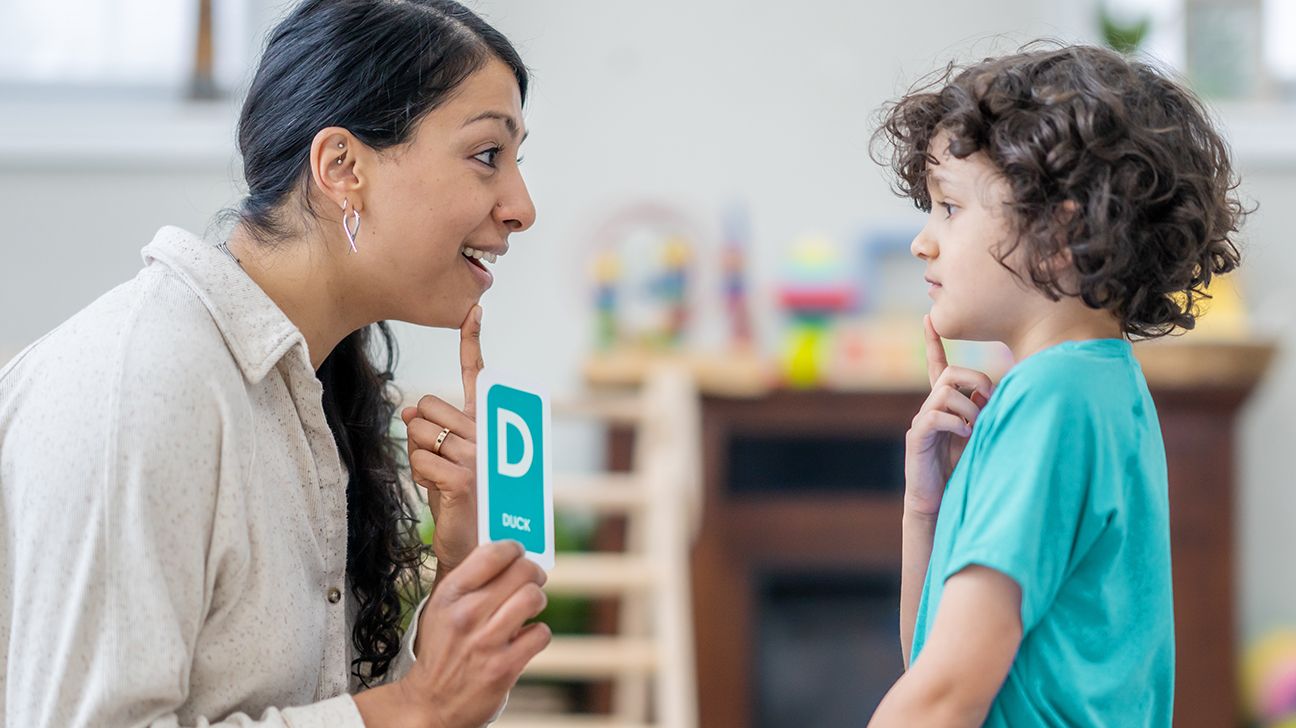
Articulation therapy helps children say words correctly. Therapists show how to move the mouth. This helps make sounds clearer. They may use games to practice. Sounds like “s,” “r,” and “l” are common. Kids repeat words and phrases. This practice makes speech better. Articulation therapy is fun and engaging. It builds confidence in speaking.
Language Intervention Strategies
Language intervention focuses on using words. Kids learn new vocabulary. They practice forming sentences. Therapists use pictures and stories. These help kids understand meaning. They learn to ask questions. This encourages conversation. Language games are often used. These games make learning enjoyable. Kids gain skills to communicate with others.
Benefits For Autism Spectrum Disorders
Speech therapy helps kids with autism talk better. It helps them use words clearly. Kids feel good when they use words right. This builds their confidence. They start to believe in themselves. They join in more conversations. They feel less shy.
Speech therapy also helps kids understand better. They learn the meaning of words. They learn how to ask for things. They understand what others say. This makes it easy to make friends. They understand jokes and stories better. This makes them happy. They feel part of the group.
Credit: www.henryford.com
Challenges And Limitations
Each child with autism is unique. Some may respond well to speech therapy. Others might need more time and different methods. It’s important to understand each child’s specific needs. Tailoring the therapy to fit these needs is crucial. Parents and therapists work together to find the best approach. Patience is key. Progress can be slow, but every small step is a victory.
Not all families can access quality speech therapy. This can be due to costs or location. Some areas lack trained therapists. This makes it hard for many families. Community resources can help. Schools might offer some services. Online resources are growing. They can be a helpful tool. Finding the right support is important for each child.
Incorporating Technology
Technology helps kids with autism talk better. Digital tools make learning fun and easy. Tablets and computers offer many apps. These apps help with speaking. They use pictures and sounds. Kids can touch the screen. This makes words come alive. Parents can see what helps their kids. Teachers use these tools in class. This way, children learn faster.
Many apps are made for speech therapy. Proloquo2Go is one popular app. It shows pictures to help kids speak. Autism Therapy with MITA is another app. It uses puzzles to teach language. Speech Blubs is also helpful. It uses videos and games. Kids enjoy using these apps. They learn while having fun. Parents can try these apps at home. They support speech learning in a safe way.
Collaborative Approaches
Speech therapy can assist children with autism in improving communication skills. These sessions often enhance verbal and non-verbal interactions. Through tailored techniques, therapists encourage better understanding and expression in social settings.
Working With Families
Speech therapists often work closely with families. They share techniques. Families learn ways to help at home. This creates a strong support system. Families become active partners. This helps the child improve communication skills. It builds confidence. Parents understand their child’s needs. Together, they celebrate small victories. This team effort makes a big difference.
Integration With Other Therapies
Speech therapy can be part of a bigger plan. Therapists may work with other professionals. This includes occupational and physical therapists. Each therapy has a role. Together, they form a complete care plan. This helps address various needs. Children benefit from a holistic approach. It supports their growth. Therapists communicate and coordinate. This ensures effective treatment.
Future Directions In Speech Therapy
Speech therapy offers promising support for individuals with autism by enhancing communication skills. Techniques focus on improving verbal abilities and non-verbal cues. Tailored interventions aid in building social connections, fostering better interactions in everyday life.
Innovative Research
Innovative research is helping kids with autism. Scientists are finding new ways to teach speech. They use special tools like computers and apps. These tools make learning fun and easy. Kids can practice speech at home. This helps them learn faster. New ideas in therapy are important. They help many children. More research is being done. This means even better tools in the future.
Expanding Access To Services
Expanding access to services is very important. Many kids need speech therapy. But not all can get it. Some live far from therapy centers. Online therapy can help these kids. It brings experts to their homes. Families can join the sessions too. This makes learning speech easier for children. More people are working to make therapy easy to get. This helps all kids have the same chances to learn.

Credit: lighthouseautismcenter.com
Frequently Asked Questions
Can Autism Be Treated With Speech Therapy?
Yes, speech therapy can help individuals with autism. It improves communication skills and social interactions. Therapists work on language development, comprehension, and expression. Early intervention often yields better outcomes. Each therapy plan is personalized to meet specific needs.
What Is The Best Treatment For Autism In The World?
ABA therapy is widely recognized as the best autism treatment. It focuses on improving communication and social skills. Early intervention often leads to better outcomes. Individualized approaches can enhance development significantly. Always consult healthcare professionals for personalized advice.
Can High Functioning Autism Have Speech Delay?
Yes, high functioning autism can include speech delays. Some individuals may have difficulties in language development. Early intervention can help improve communication skills. Speech therapy often benefits those with speech delays. Each person’s experience with autism is unique, and speech abilities can vary widely.
How Long Does Speech Therapy Take For Autism?
Speech therapy duration for autism varies. It can last several months to years, depending on individual needs and progress. Regular assessments help tailor the therapy plan, ensuring effective communication improvements. Consistent involvement and practice enhance outcomes. Always consult a certified speech therapist for personalized guidance.
Conclusion
Speech therapy offers valuable support for children with autism. It helps improve communication skills and social interactions. With patience and practice, many children see progress. Families can see positive changes in daily communication. Each child is unique, so therapy is personalized.
Working with a skilled therapist makes a big difference. It’s important to start early for the best results. Parents play a crucial role in supporting their child’s journey. Engaging in speech therapy can be a step towards better communication. Consider speech therapy to enhance your child’s abilities.
Success is a journey, not a race.