Imagine noticing your child isn’t speaking as much as others their age. It’s natural to worry and wonder what this means.
You might fear this is a sign of autism. But here’s the key question: can a child have a speech delay and not be autistic? The answer is crucial for your peace of mind. You’re not alone in this concern, and understanding the difference can guide you to the right support for your child.
Dive into this article to discover the facts, dispel myths, and learn about the possibilities that could reshape your understanding. Your child’s future communication success could start with what you learn today.
:max_bytes(150000):strip_icc()/is-late-speech-a-sign-of-autism-259888-v2-2cd7a2607c79463db302094da6fbf934.jpg)
Credit: oratoryclub.com
Speech Delay In Children
Speech delay in children can be a common concern for parents. Many worry about the possibility of autism when their child is not speaking at the expected age. It’s important to understand that speech delay doesn’t always mean autism. There are various reasons a child might experience speech delay.
Common Causes
Several factors can lead to speech delay in children. Hearing problems are a frequent cause. If a child can’t hear well, they may struggle with speech. Developmental delays can also impact speech. Some children need more time to develop language skills. Environmental factors, like limited exposure to speech, can play a role. A bilingual environment might affect speech progress. Each child’s situation is unique.
Signs And Symptoms
Signs of speech delay vary among children. Limited vocabulary compared to peers is a key symptom. Difficulty forming sentences or pronouncing words may be observed. Some children struggle to follow simple instructions. Lack of interest in communicating with others can be a sign. It’s crucial to monitor these symptoms closely. Early intervention can make a difference.
Distinguishing Speech Delay From Autism
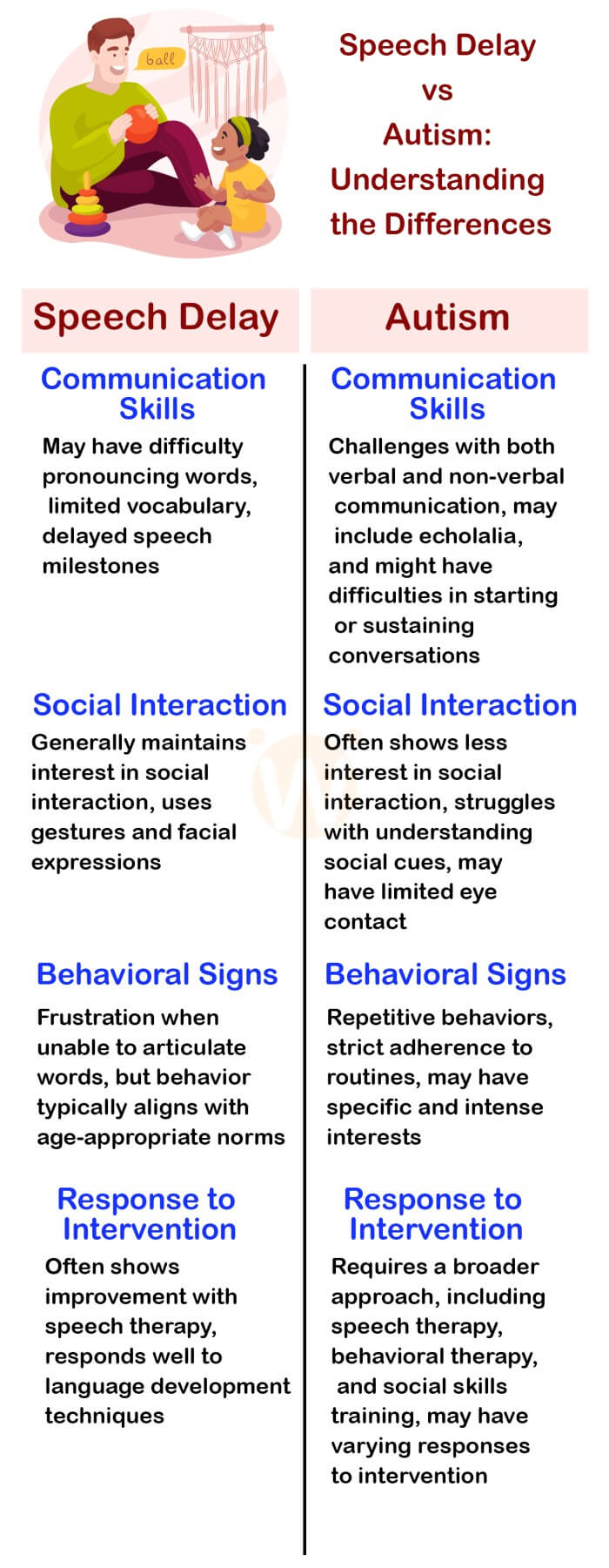
A child can have speech delay without being autistic. Different factors contribute to speech delay, such as hearing issues or developmental differences. Autism involves more than speech delay, including social interaction challenges.
Distinguishing speech delay from autism can feel overwhelming for many parents. Both conditions may present with similar symptoms, but they have distinct characteristics. Understanding these differences can guide you in seeking the right support for your child. ###
Key Differences
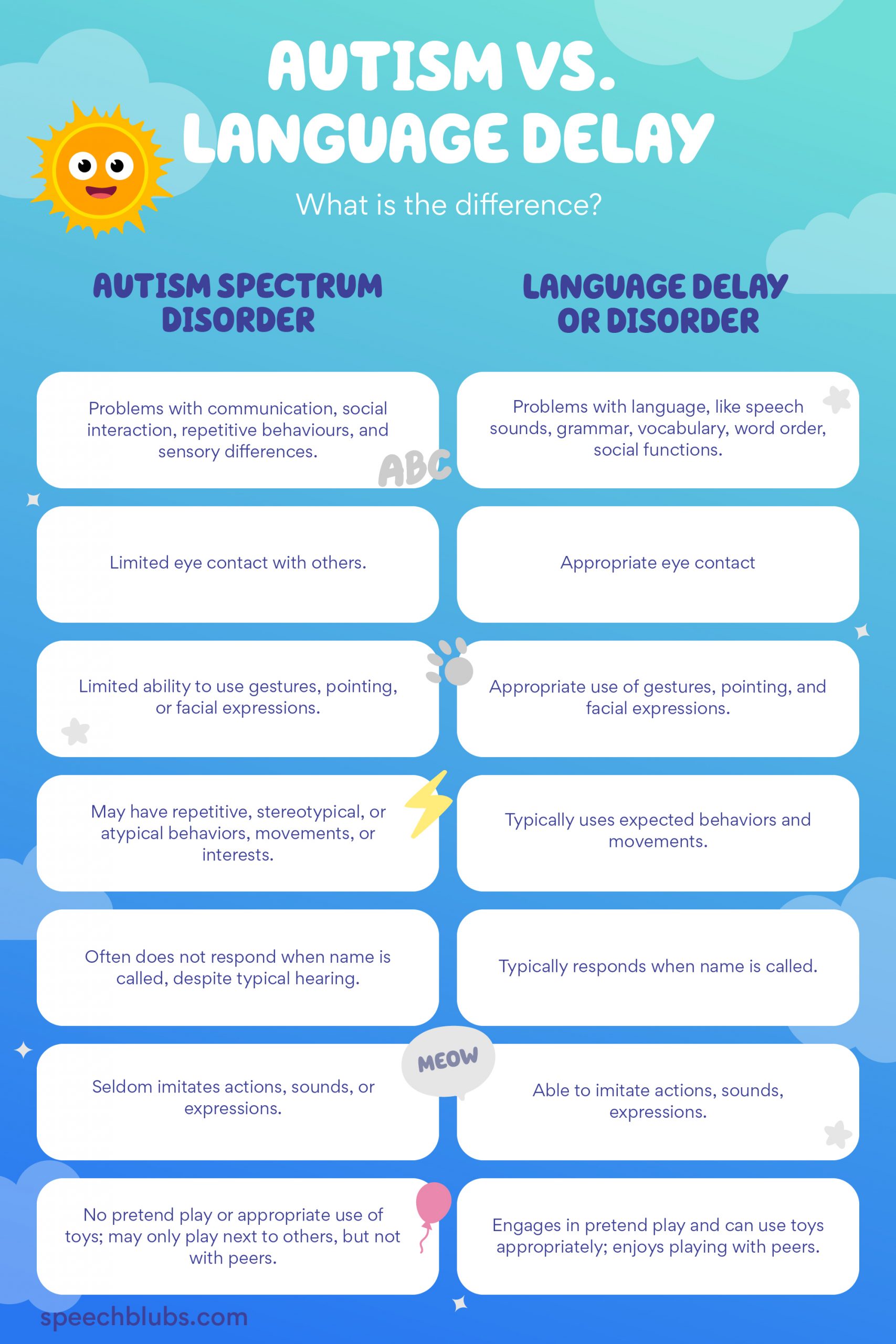
Speech delay and autism are not the same, though they can sometimes appear similar. A child with speech delay typically exhibits normal social interactions. They might gesture, use facial expressions, and engage in play activities, but struggle with verbal communication. In contrast, autism often affects social skills beyond speech. A child with autism may show challenges in understanding social cues, making eye contact, or forming peer relationships. Speech delay focuses solely on language development. Autism is a broader developmental issue, impacting behavior and social skills. ###
Similarities And Misconceptions
Both conditions can lead to late talking, which often confuses parents. It’s easy to mistake speech delay for autism due to overlapping symptoms. Consider how a child plays with toys. A child with speech delay might play appropriately but remain silent. A child with autism may show repetitive play patterns or lack imaginative play. Misconceptions arise when we assume every late talker is autistic. This can lead to unnecessary worry. Understanding that speech delay doesn’t always point to autism can be a relief. Yet, it’s crucial to recognize when expert assessment is needed. Have you ever wondered if seeking guidance earlier could make a difference? Parents often find that early intervention, regardless of the diagnosis, offers the best outcomes.
Non-autistic Speech Delay Factors
Understanding speech delays in children can be complex, especially when separating these delays from autism. It’s crucial to recognize that speech delay doesn’t automatically mean autism. Various non-autistic factors can contribute to a child’s delayed speech development. Let’s explore some of these factors, which can offer insights into why a child might experience speech delays without being autistic.
Hearing Impairments
Hearing impairments can significantly affect speech development. If a child cannot hear sounds clearly, they may struggle to mimic them. This can delay speech and language skills. Consider having a child’s hearing tested if you notice speech delays. Early intervention can make a significant difference.
Developmental Milestones
Children reach developmental milestones at different rates. Some may talk later than others without any underlying issues. Remember that each child has a unique path. If your child is late in reaching speech milestones, it might just be their individual pace. Observing other milestones can provide a fuller picture of their development.
Environmental Influences
The environment plays a crucial role in speech development. Language-rich settings can boost a child’s communication skills. Reflect on the speech exposure your child receives at home or daycare. Simple changes, like reading more books or engaging in conversations, can enhance their language abilities. How can you enrich your child’s linguistic environment?
Recognizing these non-autistic factors can help you take practical steps to support your child’s speech development. Remember, timely action and understanding your child’s unique needs are key to fostering their communication skills effectively.
Role Of Early Intervention
Early intervention plays a crucial role in addressing speech delays in children who are not autistic. Identifying and supporting speech challenges early can significantly improve communication skills. This proactive approach helps children develop confidence and better interaction abilities.
Early intervention plays a crucial role in addressing speech delays in children. By acting promptly, you can significantly influence your child’s communication skills and overall development. It’s a proactive approach that can make a world of difference. Many parents often wonder if a speech delay automatically means their child is autistic. It’s important to understand that while some autistic children may experience speech delays, not all children with speech delays are autistic. Every child’s journey is unique, and understanding the specific needs of your child is key. This is where early intervention shines, offering tailored strategies to support your child’s growth.
Speech Therapy Benefits
Speech therapy can be a game-changer for children with speech delays. It provides specialized techniques and exercises to help children develop their language skills. These sessions are often fun and engaging, making learning enjoyable for kids. Imagine your child building confidence as they learn to express themselves more clearly. Speech therapy offers this and more, helping your child connect better with others. With professional guidance, children can overcome hurdles and reach important milestones. Early intervention ensures that these benefits are realized sooner rather than later.
Parental Support Strategies
As a parent, your support is invaluable in your child’s speech development journey. Create a language-rich environment at home by engaging in conversations and storytelling. Use everyday activities as opportunities to teach new words. Consider joining support groups where you can share experiences and learn from other parents. These communities can provide encouragement and valuable insights. Think about the power of small, consistent efforts. Reading bedtime stories or singing songs can significantly boost your child’s language skills. Your involvement can accelerate progress and make the learning process more enjoyable for your child. How can you integrate these strategies into your daily routine? It’s the little actions that can lead to big improvements in your child’s communication abilities.
When To Seek Professional Help
Many children experience speech delays without being autistic. Identifying speech delay early is crucial for effective intervention. Consulting a professional can help determine the cause and provide targeted support.
When a child shows signs of speech delay, parents often worry. Speech delays can have many causes. Autism is only one possibility. Understanding when to seek professional help is crucial. Knowing the right time can make a difference in your child’s progress. Early intervention often leads to better outcomes.
Indicators For Evaluation
Parents should watch for specific signs. If a child is not babbling by 12 months, it might be time to consult a professional. Limited vocabulary by age two is another indicator. Struggling to form simple sentences by age three suggests a need for evaluation. Difficulty following simple instructions can be a red flag. Limited eye contact and social interaction also warrant attention. Trust your instincts. If you feel something is off, seek advice.
Choosing The Right Specialist
Selecting the right specialist is essential. Speech-language pathologists focus on communication issues. They assess speech and language development. Pediatricians can provide initial guidance. They might recommend further evaluation. Child psychologists assess broader developmental concerns. They can identify emotional factors affecting speech. Audiologists check for hearing issues. Hearing problems can impact speech development. Collaboration among specialists often provides a clearer picture. Always ensure the professional has experience with children. Look for specialists with good reviews and recommendations.
Success Stories And Case Studies
Understanding speech delays in children can be challenging. Not every child with a speech delay has autism. Many parents find hope in success stories. Real-life examples show different paths to improvement. These stories inspire and offer valuable insights.
The Journey Of Emma: Overcoming Speech Delay
Emma was a lively two-year-old. Yet, she spoke very few words. Her parents felt concerned but remained hopeful. They consulted a speech therapist. The therapist identified a speech delay, not autism. Through regular sessions, Emma’s speech improved. By age four, she chatted happily with peers. Her story gives hope to many parents.
Max’s Story: From Silence To Sentences
Max loved playing with cars. He rarely spoke. His parents noticed the delay and sought help. Experts ruled out autism. They began speech therapy. Max made steady progress. At five, he could speak in full sentences. His parents shared their journey, encouraging others facing similar challenges.
Lily’s Experience: Finding Her Voice
Lily struggled with words. Her parents worried about her silence. They worked closely with specialists. Lily’s therapy focused on building confidence. Slowly, she started speaking. By kindergarten, Lily was a chatterbox. Her journey highlights the power of persistence and support.
James’ Path: From Few Words To Many
James was a quiet toddler. His speech delay puzzled his family. After evaluations, autism was ruled out. His parents tried various approaches. They focused on interactive games and reading. Gradually, James found his voice. He now speaks with ease, inspiring others.
Sophia’s Success: Breaking Through The Silence
Sophia spoke little at age three. Her parents feared autism, but tests showed a delay. They embraced speech therapy with optimism. Sophia responded well to visual aids and music. Her vocabulary grew, and her confidence soared. Today, Sophia’s story is a testament to early intervention.
Resources For Parents
Parents often feel overwhelmed when their child has a speech delay. Understanding that speech delay doesn’t always mean autism is crucial. There are many resources available to help parents navigate this journey. Accessing the right support can make a significant difference.
Support Groups
Joining a support group can be beneficial for parents. These groups offer a space to share experiences. Meeting other parents in similar situations provides comfort. They can exchange valuable tips and advice. Support groups often meet online or in person. They provide a sense of community.
Educational Materials
Educational materials can aid in understanding speech delays. Books and online resources offer insights into child development. They can help parents recognize different milestones. These materials often include practical exercises. Parents can use them to support their child’s progress. Accessing these resources can empower parents.
Credit: www.mywellnesshub.in
Credit: speechblubs.com
Frequently Asked Questions
Can A Child Have A Speech Delay Without Autism?
Yes, a child can have a speech delay without autism. Causes include hearing loss, developmental delays, or language disorders. Early intervention and professional assessment can help determine the underlying cause and provide appropriate support. Speech therapy often improves communication skills significantly.
How Can You Tell The Difference Between Autism And Speech Delay?
Autism affects social skills and communication, while speech delay mainly impacts language development. Autism might include repetitive behaviors and difficulty with social interactions. A professional evaluation can provide an accurate diagnosis. Speech delay usually shows improvement with speech therapy, while autism requires a broader range of interventions.
Why Would A Child Have Delayed Speech?
A child may have delayed speech due to hearing issues, developmental disorders, or lack of exposure to language. Early intervention can help address these challenges effectively. Consult a specialist for a comprehensive evaluation to determine the cause and appropriate treatment.
What Vitamin Deficiency Causes Speech Delay?
Vitamin B12 deficiency can lead to speech delay in children. This vitamin supports brain development and function. Ensure a balanced diet rich in B12 sources like meat, dairy, and fortified cereals. Early diagnosis and treatment can help improve speech and cognitive abilities.
Consult a healthcare provider for guidance.
Conclusion
Speech delay in children doesn’t always mean autism. Many factors can cause speech delays. Hearing issues or developmental differences may be reasons. Early intervention can greatly help. Consult a speech therapist for guidance. They can offer strategies tailored to your child’s needs.
Remember, every child develops at their own pace. Patience and understanding are key. A supportive environment encourages progress. Keep communication open with your child’s healthcare team. Monitor and celebrate small victories. Every step forward matters. Your child is unique, and their path is too.
Stay proactive and positive in your approach.