
Have you ever wondered why weighted blankets are being hailed as a game-changer for individuals with autism? You’re not alone.
These cozy, heavy blankets are gaining attention for their potential to bring comfort and calm. Imagine wrapping yourself in a hug-like sensation that eases anxiety and stress. It sounds appealing, doesn’t it? If you or someone you care about is navigating the challenges of autism, understanding how weighted blankets work could be a transformative discovery.
Stay with us as we unravel the science and stories behind this simple yet powerful tool that might just change how you experience peace and tranquility.
Sensory Processing In Autism
Individuals with autism often experience the world differently. Sensory processing plays a key role. Many face challenges in filtering sensory information. This can lead to feeling overwhelmed. Weighted blankets can help manage these sensory difficulties.
How Sensory Processing Works
Sensory processing involves interpreting sensory signals. The brain processes sights, sounds, smells, and textures. For some with autism, this process is unique. Everyday stimuli may feel intense or uncomfortable. Light touches might feel painful. Loud sounds can become distressing. Weighted blankets offer a grounding effect. They provide deep pressure touch stimulation.
The Role Of Deep Pressure Stimulation
Deep pressure stimulation calms the nervous system. It offers a comforting, consistent pressure. This can help reduce anxiety and stress. Weighted blankets utilize this principle. They apply gentle weight across the body. It mimics the sensation of a warm hug. This can improve focus and relaxation.
Why Weighted Blankets Matter
Weighted blankets are designed with sensory needs in mind. They provide a soothing sensory input. This can help regulate sensory processing. Many individuals find comfort in their use. They promote better sleep and relaxation. The gentle pressure can improve sleep quality. It helps the body feel safe and secure.
Choosing The Right Weighted Blanket
Choosing the right blanket is important. Consider weight, material, and size. A proper fit enhances the benefits. Generally, the weight should be 10% of the user’s body weight. Ensure the material is soft and breathable. A comfortable texture is crucial for sensory needs.
Impact On Daily Life
Weighted blankets can improve daily life. They help manage sensory overload. Users report feeling calmer and more focused. This leads to better mood and interactions. They offer a simple, non-invasive solution. Their benefits extend beyond sleep. Improved sensory processing can enhance overall well-being.

Credit: harkla.co
What Are Weighted Blankets?
Weighted blankets provide comfort through deep pressure stimulation, helping individuals with autism feel calm and relaxed. These blankets mimic a gentle hug, reducing anxiety and improving sleep quality. Many find them beneficial for sensory processing challenges.
Weighted blankets are more than just cozy additions to your bedding. They hold a special place in therapeutic practices, especially for individuals with autism. But what exactly are weighted blankets, and why might they be beneficial? Weighted blankets are designed to provide gentle pressure across your body, mimicking a hug or swaddle. This pressure is often referred to as “deep touch pressure.” Imagine a blanket filled with tiny glass beads or plastic pellets, evenly distributed to create a comforting weight. This weight helps calm the nervous system, promoting relaxation and reducing stress.
How Do Weighted Blankets Work?
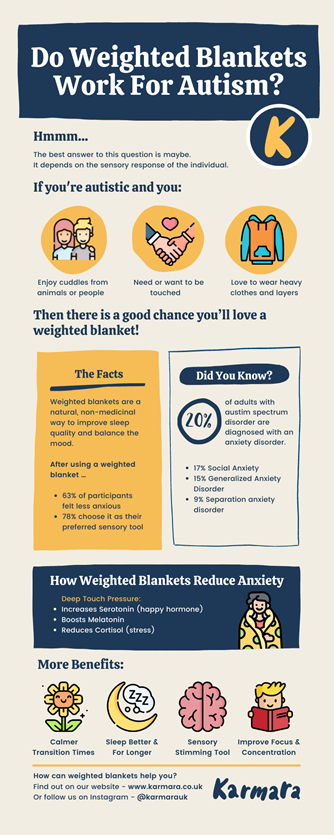
These blankets rely on the science of deep pressure stimulation. This technique is known to increase serotonin and melatonin levels, while decreasing cortisol levels. Have you ever felt more relaxed after a massage? Weighted blankets work in a similar way, calming the body’s sensory system. This can be particularly beneficial for people with autism who may experience sensory overload.
Benefits For Individuals With Autism
Weighted blankets can offer a sense of security and comfort. They help manage anxiety and improve sleep quality. Many parents of children with autism have noticed their kids sleep more peacefully when using a weighted blanket. Think about your own sleeping habits. Do you toss and turn, struggling to find a comfortable position? A weighted blanket might help you feel more grounded and less restless. Selecting the right blanket is crucial. Look for one that’s about 10% of your body weight. This ensures it’s heavy enough to provide the benefits, but not so heavy that it’s uncomfortable. Consider the fabric and filling too. Some prefer a soft fleece, while others might opt for a breathable cotton. Personal preference plays a big role here.
Practical Tips For Using Weighted Blankets
Start by using the blanket during quiet activities, like reading or watching TV. Allow yourself time to adjust to the sensation. Keep an eye on how you feel. If you notice improved mood or sleep, you’ve probably found the right balance. Weighted blankets aren’t just for night-time use. Consider using them during stressful moments in the day to help maintain calm. Have you ever tried a weighted blanket, or considered one for someone with autism? What changes did you notice?
Deep Pressure Stimulation
Weighted blankets provide comfort for individuals with autism through deep pressure stimulation. This gentle pressure helps reduce anxiety, promoting calm and relaxation. Many find it easier to sleep, enhancing overall well-being.
Weighted blankets have gained popularity for their ability to provide comfort and relaxation. A key reason for this is deep pressure stimulation (DPS). This therapeutic approach uses gentle, distributed weight to apply pressure across the body. It’s like a comforting hug that calms the senses. But how exactly does DPS work, and why is it beneficial for individuals with autism?
How It Works
Deep pressure stimulation works by evenly distributing weight across the body. This pressure triggers your body’s release of serotonin, a chemical that enhances mood and promotes relaxation. Picture yourself wrapped in a blanket that feels just right—not too heavy, but enough to make you feel secure. This feeling can help calm your nervous system. Weighted blankets mimic this effect by applying a consistent, soothing pressure. It’s not about heaviness but about how the weight is spread. Have you ever noticed how a gentle touch or a hug can instantly make you feel better? That’s DPS in action, working to improve mood and reduce anxiety.
Benefits For Autism
Individuals with autism often experience heightened sensitivity to sensory stimuli. Weighted blankets can help by providing a consistent sensory input that feels predictable and soothing. This can make a big difference in reducing sensory overload. Imagine you’re in a noisy, chaotic environment. Wouldn’t a quiet space with a calming blanket be a relief? Weighted blankets offer this kind of comfort. They can enhance focus and concentration by creating a sense of calm. These blankets can also improve sleep quality. Many with autism struggle with disrupted sleep. A weighted blanket can feel like a gentle embrace, helping the body relax and promoting restful sleep. Have you ever tried using a weighted blanket for yourself or someone you know with autism? How did it impact the experience?

Credit: nationalautismresources.com
Calming Effects On Anxiety
Weighted blankets offer soothing pressure, which can help calm anxiety in people with autism. This gentle pressure mimics a comforting hug, promoting relaxation and improving sleep quality.
Weighted blankets have gained popularity for their calming effects, especially for individuals with autism. These blankets can help reduce anxiety, which is often a significant challenge for those on the autism spectrum. By applying gentle, even pressure, they mimic a comforting hug, providing a sense of security and calm. This effect can be particularly beneficial in managing anxiety levels.
Reducing Stress
Imagine a day where your mind is racing and every little thing seems overwhelming. A weighted blanket can help ease that feeling. The pressure from the blanket stimulates deep touch pressure, which can lower stress hormones like cortisol. With less stress, you might find it easier to face daily tasks. Even a friend of mine, whose child has autism, noticed a remarkable change after using a weighted blanket. Her child seemed less agitated and more at peace during what used to be stressful times.
Improving Sleep Quality
Quality sleep is often elusive for many with autism. Weighted blankets can make a difference here too. They encourage the production of serotonin and melatonin—hormones that are key for relaxation and sleep. Isn’t it frustrating when you can’t fall asleep despite being exhausted? A weighted blanket can help by creating a cozy cocoon, allowing you to drift off easier. You might wake up feeling more refreshed and ready to take on the day. Parents often report that their children fall asleep faster and stay asleep longer with a weighted blanket. It’s a simple change that can lead to significant improvements in sleep quality.
Enhancing Focus And Attention
Weighted blankets can help improve focus and attention in individuals with autism. The gentle pressure provides a calming effect, reducing anxiety and sensory overload. This soothing sensation can lead to better concentration and a more peaceful environment for learning and daily activities.
Weighted blankets have gained popularity for their potential benefits in enhancing focus and attention, particularly for individuals with autism. The gentle pressure they provide can create a calming effect, which is crucial for improving concentration and reducing sensory overload. This is particularly important when you or your loved ones are trying to stay focused and attentive in various environments.
Impact On Hyperactivity
Hyperactivity can be a significant challenge for individuals with autism, often disrupting their ability to focus on tasks. Weighted blankets offer a soothing sensation that helps in calming restless bodies. This calming effect can reduce the urge to move constantly, making it easier for individuals to sit still and concentrate on the activities at hand. You might notice that with a weighted blanket, the restless energy diminishes, allowing more peaceful moments and productive time.
Supporting Learning Environments
In learning environments, maintaining focus is essential for absorbing information effectively. Weighted blankets can play a supportive role by creating a sense of security and reducing anxiety. When anxiety is minimized, it becomes easier to pay attention and engage with educational materials. Imagine your child in a classroom setting, feeling overwhelmed by sensory stimuli. A weighted blanket can help them feel grounded and more present, enabling better participation in learning activities. Have you ever considered how small changes like adding a weighted blanket can transform a learning experience? By fostering a more focused mindset, these blankets provide a practical tool to support educational success.
Choosing The Right Weighted Blanket
Choosing the right weighted blanket is crucial for those with autism. It can greatly impact comfort and effectiveness. A weighted blanket should feel cozy, not overwhelming. The right choice can provide calming benefits and improve sleep. Consider the weight, fabric, and design carefully. Each aspect plays a vital role in the blanket’s effectiveness. Making the right decision ensures the best support for sensory needs.
Selecting The Correct Weight
The weight of the blanket is important. It should be about 10% of the user’s body weight. Too heavy, and it might feel restrictive. Too light, and it won’t provide the desired pressure. Test different weights if unsure. The goal is a gentle, comforting pressure. This helps soothe and reduce anxiety in autistic individuals.
Fabric And Design Considerations
Fabric choice affects comfort and sensory experience. Cotton is soft and breathable, good for sensitive skin. Minky fabric offers a plush, cozy feel. Some prefer a cooler touch, like bamboo fabric. Consider the blanket’s design too. Simple, solid colors often work best. Avoid busy patterns that might overwhelm. Ensure the design aligns with personal preferences. This helps maximize the calming effect.
Potential Drawbacks And Considerations
Weighted blankets may feel too heavy or restrictive for some individuals with autism. They can also increase body temperature, which might cause discomfort. Always consult with a healthcare professional before use.
Considering the benefits of weighted blankets for autism, it’s important to also understand the potential drawbacks and considerations. While these blankets can offer comfort and a sense of security, they may not be suitable for everyone. As you explore their use, it’s essential to weigh the pros and cons carefully.
Safety Precautions
Safety should be your top priority. Weighted blankets can be heavy, which poses a risk if they’re too heavy for the user. Always ensure the weight of the blanket is appropriate for the individual’s size and strength. Consider the fabric and filling materials. Some people might have allergies or sensitivities to certain materials. Check for any signs of discomfort or allergic reactions. Never use a weighted blanket on a child under two years old. They may not be able to remove it if it becomes uncomfortable or covers their face. Always supervise younger users to ensure their safety.
Suitability For Different Age Groups
Weighted blankets are not a one-size-fits-all solution. They need to be tailored to the user’s age and weight. For children, a good rule of thumb is to choose a blanket that’s about 10% of their body weight. Teenagers and adults may have different preferences. Some might like a heavier blanket for more pressure, while others prefer something lighter. It’s crucial to involve the user in the decision-making process to ensure they feel comfortable. Have you ever tried a weighted blanket yourself? Understanding how it feels can offer insights into whether it’s suitable for your loved one with autism. Your personal experience can guide you in making the right choice. When considering a weighted blanket, ask yourself: Is this the right tool for comfort and safety? Make sure to evaluate all aspects before making a decision.
Credit: livingautism.com
Personal Stories And Testimonials
Weighted blankets have gained popularity for their calming effects on autism. Many parents and caregivers share their experiences, offering insights into the benefits of these blankets. Personal stories often highlight emotional and sensory improvements. Testimonials provide real-life examples of how weighted blankets have made a difference. These narratives are powerful, connecting readers with authentic experiences.
Stories Of Calming Comfort
Parents often describe their children’s newfound peace. A mother shared how her son sleeps better. His restless nights became calm. The blanket’s gentle pressure helped him relax. Another parent mentioned reduced anxiety in her daughter. The blanket offered a sense of security. She felt enveloped in a gentle hug.
Testimonies Of Improved Sleep
Many families report better sleep quality. A father noticed his child falls asleep faster. The weighted blanket mimics a soothing embrace. This comfort leads to longer, uninterrupted sleep. Another caregiver shared similar experiences. Her child wakes up refreshed. The blanket’s consistent pressure aids deep sleep.
Positive Behavioral Changes
Weighted blankets often lead to positive behavior shifts. One story involved a young boy. He showed fewer meltdowns. The blanket helped regulate his emotions. Another testimony highlighted improved focus. The child became more attentive during tasks. The calming effect enhanced concentration.
Enhanced Sensory Experiences
Sensory experiences become more enjoyable. A parent shared how their daughter loves the feeling. The weight of the blanket provides tactile comfort. Sensory overloads occur less frequently. The blanket offers a soothing touch. These changes make daily activities easier.
Community Support And Sharing
Online communities discuss weighted blanket benefits. Parents exchange stories and tips. These interactions provide encouragement. They foster a sense of belonging. Sharing experiences helps others feel understood. It creates a supportive network for families dealing with autism.
Research And Studies
Weighted blankets have gained attention for their potential benefits for individuals with autism. But how much of this is backed by science? Let’s delve into the research and studies that explore this promising tool. Understanding the scientific evidence and ongoing research can help you make informed decisions.
Scientific Evidence
Scientific studies have begun to explore the soothing effects of weighted blankets on individuals with autism. A study published in the journal Occupational Therapy International found that weighted blankets can help reduce anxiety and improve sleep quality in children with autism. Researchers believe that the deep pressure stimulation provided by these blankets can have a calming effect.
Another study highlighted in The American Journal of Occupational Therapy suggested that weighted blankets might promote a sense of security and relaxation. This can be particularly beneficial for those who experience sensory processing difficulties. Have you ever felt more comfortable when wrapped in a heavy quilt? That’s the kind of comfort these blankets aim to provide.
Ongoing Research
While there is promising evidence, the research on weighted blankets and autism is still growing. Ongoing studies aim to better understand how these blankets affect different aspects of life for those with autism. Some researchers are examining the long-term effects and whether these benefits are consistent over time.
Current research is also exploring the ideal weight and materials for different age groups. Are there specific factors that make a weighted blanket more effective? This is one of the many questions that researchers are striving to answer. As new studies emerge, they contribute valuable insights that can guide you in choosing the right weighted blanket for your needs.
Have you tried using a weighted blanket or considered it for someone with autism? Keeping up with ongoing research can help you stay informed about the latest findings and make the best choices for your family.
Tips For Introducing Weighted Blankets
Weighted blankets can be beneficial for people with autism. They offer comfort and help ease anxiety. Introducing a weighted blanket requires care and patience. Gradual steps can make the transition smoother.
Gradual Introduction
Start with short sessions using the blanket. Allow the person to get used to the weight. Increase the duration slowly. Begin with a light blanket and adjust the weight over time. Ensure the blanket is never too heavy. Comfort is key in this process.
Monitoring Responses
Observe the individual’s reactions to the blanket. Check for signs of discomfort or distress. Positive responses may include calmness or relaxation. Keep notes on how the person feels and behaves. Adjust the blanket usage based on their feedback. Communication is important in understanding their needs.
Frequently Asked Questions
Do Weighted Blankets Help Autism?
Weighted blankets can provide comfort for individuals with autism. They offer deep pressure stimulation, which may help reduce anxiety and improve sleep. While not a cure, many find them calming. Consult a healthcare professional to determine if it’s suitable for specific needs.
Why Do Kids With Autism Like Pressure?
Kids with autism often enjoy pressure because it provides calming sensory input. Deep pressure can help reduce anxiety and stress by organizing sensory information. This sensation promotes relaxation, focus, and comfort, improving overall well-being. Weighted blankets or tight hugs can offer this beneficial pressure for autistic children.
Why Do Autistic People Like Weighted Stuff?
Autistic individuals often find comfort in weighted items due to the deep pressure they provide. This pressure helps regulate sensory input, promoting relaxation and reducing anxiety. Weighted blankets or vests can offer a sense of security, enhancing focus and calming overstimulated senses.
How Heavy Should A Weighted Blanket Be For Autism?
A weighted blanket should be 5-10% of the user’s body weight. This helps provide calming pressure for individuals with autism. Ensure the blanket is comfortable and allows easy movement. Always consult with a healthcare professional for personalized advice.
Conclusion
Weighted blankets offer comfort and calmness for individuals with autism. These blankets help reduce anxiety and improve sleep quality. The gentle pressure feels like a warm hug. This can be soothing. Many find it easier to relax with a weighted blanket.
They create a sense of security. Sensory input is balanced, helping focus and relaxation. Families and caregivers often see positive changes. Better sleep, less stress, and more smiles. Choosing the right weight is key. Always consider personal needs and preferences.
Weighted blankets can be a valuable tool for those with autism.