
Imagine watching a toddler at play. They’re eagerly exploring their world, but something seems a little different.
The words aren’t coming as quickly as expected. If you’re concerned about your child’s language development, you’re not alone. Many parents face the uncertainty of wondering if their child is experiencing a speech delay. Understanding what a speech delay is can be crucial in helping your child thrive.
You’ll discover the signs of speech delay, its potential causes, and what steps you can take to support your child’s communication skills. You’ll learn how early intervention can make a significant difference and why it’s essential to trust your instincts. Stay with us, and let’s unravel the mystery of speech delay together. Empower yourself with knowledge and gain the confidence to help your child find their voice.

Credit: www.gigis-kids.com
Speech Delay Basics
Understanding speech delay is crucial for parents and caregivers. It helps identify potential speech issues early. Speech delay is common among young children. Knowing the basics can guide effective interventions. This section focuses on the fundamental aspects of speech delay. Explore what it means, its signs, and who can experience it.
What Is Speech Delay?
Speech delay happens when children do not develop speech skills on time. It varies from child to child. Some kids might struggle with forming words. Others might have trouble understanding language. The delay can be mild or severe. It’s important to note speech delay is not the same as language delay.
Signs Of Speech Delay
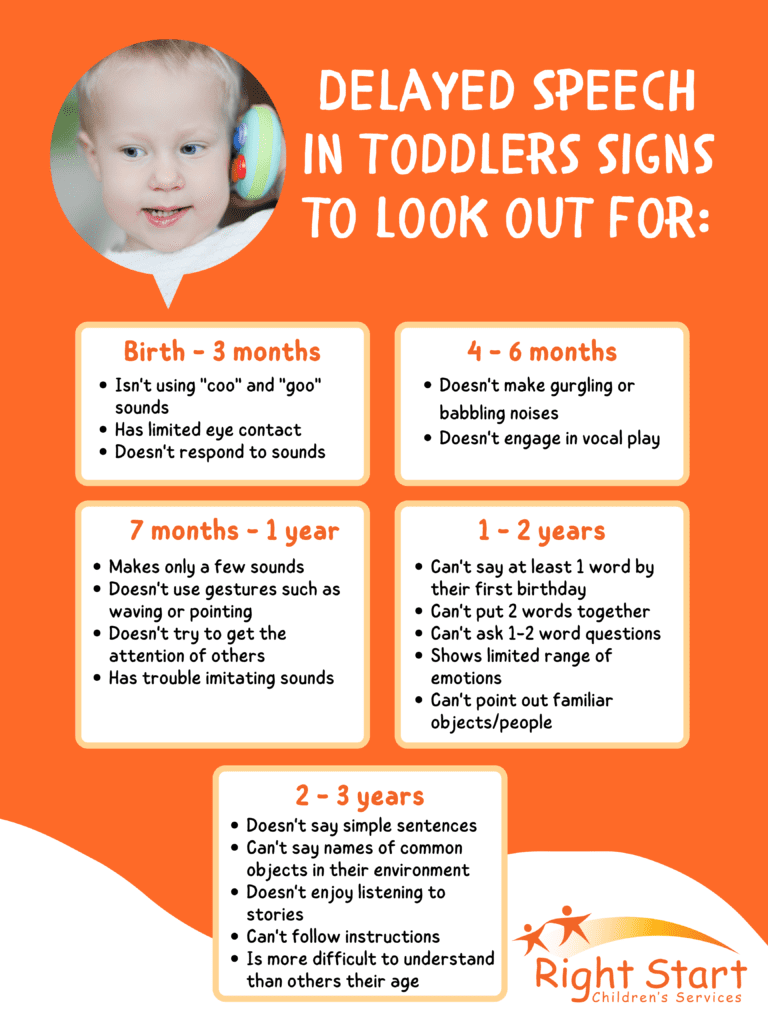
Signs include limited vocabulary for their age. Difficulty in forming sentences is another sign. Some children might use gestures instead of words. They might have trouble understanding simple instructions. It’s common to see frustration during communication attempts. Parents should watch for these signs.
Who Is Affected?
Speech delay can affect any child. It is often seen in toddlers. Boys might experience delay more than girls. Children with hearing problems are at risk. Kids in bilingual households might show delays. Early identification helps address these challenges.
Common Causes
Understanding speech delay in children is crucial for effective intervention. Several factors contribute to speech delays. Recognizing these can help in providing the right support. Let’s explore some common causes that impact speech development.
Hearing Impairments
Hearing is vital for speech development. If a child has hearing issues, they may struggle to mimic sounds. This difficulty can lead to delayed speech. Regular hearing tests can identify these impairments early. Early detection often aids in better management and support.
Developmental Disorders
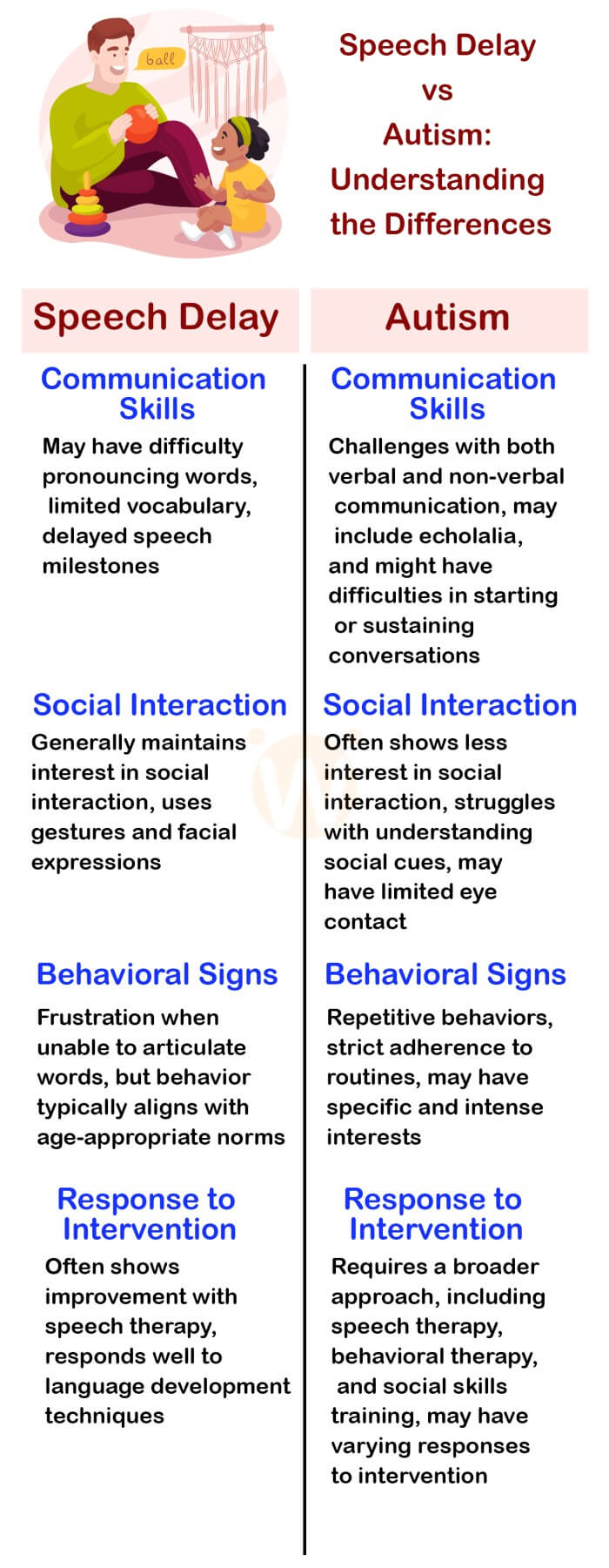
Some developmental disorders affect speech. Autism spectrum disorder often impacts communication skills. Children with Down syndrome might also face speech delays. These disorders can slow down language processing. Early intervention programs can be beneficial. They often include speech therapy as part of the treatment.
Environmental Factors
The child’s environment plays a role in speech development. Limited interaction with adults can delay speech. A home with less verbal communication might slow speech progress. Reading and talking to children can encourage language skills. A supportive environment fosters better speech development.
Signs To Watch For
Understanding the signs of a speech delay is crucial. Identifying these signs early can help address potential issues. Parents often wonder if their child’s speech development is on track. Recognizing specific indicators can ease these concerns.
Age-specific Milestones
Children reach speech milestones at different ages. By 12 months, many can say simple words like “mama”. At 18 months, a child might know several words. By age 2, children often form two-word phrases. Missing these milestones may signal a speech delay.
A 3-year-old usually speaks in simple sentences. If a child struggles with basic sentences, pay attention. Speech delays vary, but watching milestones helps assess progress.
Communication Challenges
Communication involves more than just words. A child with speech delay might struggle with understanding or expressing thoughts. They might have difficulty following simple directions. Or they might not respond to questions. These challenges can affect social interactions.
Some children may avoid talking. Or they may rely on gestures instead of words. Difficulty in making eye contact or engaging in conversations can be signs. Being aware of these challenges can help guide the next steps.
Credit: www.mywellnesshub.in
Diagnosis Process
Understanding a speech delay can be challenging for parents. Early diagnosis is essential. It helps in addressing the issue effectively. The diagnosis process involves careful evaluation. Professionals and parents play crucial roles. Their observations provide valuable insights.
Professional Assessments
Professionals conduct thorough assessments. Speech-language pathologists are key in this process. They evaluate a child’s speech and language skills. They use standardized tests to measure abilities. These tests identify any delays or disorders. The pathologist considers the child’s developmental history. They also review medical history and family background.
Hearing tests are also important. Audiologists check if hearing issues affect speech. A child’s hearing ability influences speech development. Other specialists might be involved too. This ensures a comprehensive diagnosis.
Parental Observations
Parents observe their child’s behavior daily. Their insights are invaluable. They notice changes in speech patterns. They see how their child communicates with others. These observations help professionals understand the child’s environment. Parents can track language milestones. They can note any missed milestones.
Parents should share detailed observations. This includes how the child interacts with siblings. Information about playtime and social interactions is useful. Parents are the child’s first teachers. Their role in the diagnosis process is significant.
Effective Treatments
Understanding speech delay is crucial for parents and caregivers. Effective treatments can make a significant difference. These treatments help children improve their communication skills. They also assist in building confidence and social interaction.
Speech Therapy
Speech therapy is a common treatment for speech delay. A trained therapist works with the child. The therapist creates personalized exercises and activities. These activities focus on improving speech and language skills. Sessions usually involve games and interactive tasks. These keep the child engaged and motivated. Progress is often monitored closely. This ensures the therapy is effective and adapted as needed.
Home Strategies
Parents can support speech development at home. Reading books aloud to the child helps. It introduces new words and sounds. Singing songs is another effective method. Songs reinforce language rhythm and vocabulary. Encouraging conversations during daily routines is beneficial. Simple talks about groceries or toys can make a big impact. Visual aids like pictures or flashcards are useful. They help in associating words with images. Consistency and patience are key in home strategies.
Credit: www.rightstartservices.com
Role Of Parents
Parents play a crucial role in addressing speech delays in children. Their involvement can significantly impact a child’s progress. Parents provide love, support, and understanding. These elements are essential for fostering development. Active participation can help identify issues early. This leads to timely interventions and support.
Supportive Environment
Creating a supportive environment is vital. Children thrive in nurturing spaces. Encourage communication and interaction. Use simple and clear language. Consistency is key in daily routines. Make your child feel safe and heard. This builds confidence and encourages speech.
Engagement Techniques
Engagement techniques can stimulate a child’s speech. Read books together daily. Ask questions about pictures and stories. Use songs and rhymes to teach new words. Play games that require talking and listening. Encourage storytelling about daily events.
Limit screen time to increase interaction. Focus on face-to-face communication. Praise efforts and celebrate small achievements. This boosts motivation and self-esteem.
When To Seek Help
When your child is learning to talk, it can be both exciting and nerve-wracking. You celebrate every new word and worry when they seem to lag behind. Speech delay can be a common concern, but knowing when to seek help is crucial. Early intervention can make a significant difference. Let’s explore the signs that may indicate it’s time to consult a professional.
Identifying Red Flags
As a parent, you might wonder if your child’s speech development is on track. Some children take their time, but persistent delays can signal a problem. Pay attention to specific milestones. By age two, most children can say around 50 words and start forming simple sentences.
If your child isn’t meeting these milestones, it might be time to consider professional advice. You might notice your child struggles to follow simple instructions or doesn’t respond to their name. These could be signs of a delay. But remember, every child is unique, and variations are normal.
A neighbor once shared how her son was quiet until almost three. She was worried but hesitated to seek help. After consulting a specialist, she learned he had a mild hearing issue, easily corrected. Her story is a reminder: Trust your instincts and seek support when needed.
Consulting Specialists
Deciding to consult a specialist can feel daunting. You might question if it’s necessary or worry about the cost. But early support can prevent future challenges. Speech therapists and pediatricians are trained to assess and provide guidance.
Imagine sitting in the waiting room, feeling anxious yet hopeful. Many parents have been there. Specialists offer personalized strategies tailored to your child’s needs. They can identify underlying issues like hearing problems or developmental disorders.
Would you rather wait and hope, or take proactive steps now? Seeking help early can empower both you and your child. It’s not just about fixing a problem; it’s about equipping your child with the tools they need to thrive.
Remember, you’re not alone in this journey. Many parents face similar challenges. Consulting a specialist isn’t admitting defeat; it’s taking a positive step towards your child’s future.
Frequently Asked Questions
What Is Considered A Speech Delay?
A speech delay occurs when a child doesn’t meet typical speech milestones. By age two, they should use simple phrases. Concerns arise if they have limited vocabulary, struggle with sentences, or aren’t understood by others. Early intervention can help address speech delays effectively.
What Is Speech Delay Caused From?
Speech delay can result from hearing loss, developmental disorders, or lack of stimulation. Genetic factors and neurological issues may also contribute. Environmental factors, such as limited interaction, can play a role. Early intervention and professional assessment are crucial for diagnosis and treatment.
Can Speech Delay Be Fixed?
Yes, speech delay can often be improved. Early intervention and speech therapy can help children develop communication skills effectively. Consulting a specialist ensures personalized strategies. Parental involvement and practice enhance progress, supporting language development in everyday activities.
At What Age Should You Worry About A Child Not Talking?
Parents should worry if a child isn’t talking by age 2. Early intervention is crucial. Seek professional advice for guidance. Language milestones vary, but delays need attention.
Conclusion
Recognizing speech delay is crucial for a child’s development. Early detection helps in finding effective solutions. Parents should watch for signs like limited vocabulary or unclear speech. Consult professionals if concerns arise. Speech therapy can aid in improvement. Patience and support are key in this journey.
Every child develops at their own pace. Understanding speech delay boosts confidence in handling challenges. It promotes a nurturing environment for growth. Encouragement and guidance make a significant difference. Stay informed and proactive to help your child thrive. Remember, progress takes time, but every step counts.