
Imagine watching your child grow, eagerly waiting for the moment when their first words fill the room with joy. But what if those words are delayed?
You might find yourself wondering: “Is speech delay a disability? ” This question can be both puzzling and worrying for any parent. Understanding speech delay and its implications is crucial, not just for the child, but for you as well.
You deserve to know whether this is a temporary hurdle or something more significant. We’ll explore what speech delay truly means, how it might impact your child’s development, and most importantly, what steps you can take to support them. With the right information, you can turn uncertainty into clarity and find the best path forward for your child. Keep reading to discover insights that could transform your perspective and empower your decisions.
Speech Delay Defined
Many parents wonder if a speech delay is a sign of a disability. Understanding what speech delay means can help you support your child effectively. It’s essential to know the difference between a delay and a disorder, as this can impact the approach you take in addressing your child’s speech development.
What Is Speech Delay?
Speech delay means a child is not developing speech abilities at the expected rate. This doesn’t necessarily mean a disability. Children develop at different speeds, and some just take a little longer to start talking.
Imagine your child as a unique puzzle. Each piece of development fits at its own pace. Sometimes, speech is one of those pieces that takes longer to slot into place.
Several factors might cause speech delay. Hearing issues can impact a child’s ability to learn language. A child may struggle with speech if they can’t hear words correctly.
Another cause could be environmental. If a child isn’t exposed to enough language, it can slow their speech development. Think of language as a seed that needs nurturing. Without enough interaction, it might grow slowly.
Is It A Disability?
A speech delay is not automatically a disability. In many cases, children catch up with their peers. However, you should consult a specialist if you notice persistent issues.
Consider seeking advice if your child shows frustration with communication. Early intervention can make a world of difference. Have you noticed these signs in your child?
Practical Steps For Parents
Engage your child in conversation. Use simple words and repeat them often. This helps build their vocabulary and confidence.
Read to your child regularly. Books are a fantastic tool for language development. They introduce new words and ideas, sparking curiosity.
Encourage play with peers. Interaction with other children can boost speech development. Playdates could be the key to unlocking your child’s speech potential.
Your Role As A Parent
Your involvement is crucial. Monitor your child’s progress and celebrate small victories. Every word spoken is a step forward.
Keep communication open with healthcare providers. They can offer tailored advice for your child’s needs. Are you ready to take proactive steps?
Remember, patience and persistence are your allies. You’re on a journey with your child, and each step is progress.
Credit: www.expressable.com
Common Causes
Speech delay can stem from various factors like hearing loss, developmental disorders, or environmental influences. Each child’s situation is unique, requiring professional evaluation. Early intervention often improves outcomes.
Understanding the common causes of speech delay is crucial for recognizing whether it might be a disability. Speech delay can arise from various factors, each requiring different approaches for support. By identifying these causes early, you can seek the right assistance and strategies to help your child or loved one improve their communication skills. Let’s look at some of these causes.
Hearing Impairments
Hearing impairments significantly impact speech development. When a child cannot hear clearly, they may struggle to learn how to form words and sentences. Regular hearing tests can help identify any issues early, allowing for timely interventions like hearing aids or therapy. Have you considered having your child’s hearing tested if you’re concerned about their speech development?
Developmental Disorders
Developmental disorders such as autism or Down syndrome can also lead to speech delays. These conditions often come with a range of challenges, including difficulties with language and communication. Specialized therapies and educational plans can provide targeted support. It’s important to remember that each child’s journey is unique, and progress might look different for everyone.
Environmental Factors
The environment plays a critical role in a child’s speech development. Limited exposure to language, whether due to less interaction or a lack of verbal engagement at home, can contribute to delays. Encouraging more conversations, reading together, and even singing can create a rich linguistic environment. Are there ways you can enrich your child’s daily interactions to boost their language skills? Understanding the cause of a speech delay is the first step toward supporting your child’s development. Identifying whether the delay is due to hearing issues, developmental disorders, or environmental factors can guide the next steps for intervention. What changes can you make today to support better communication for your child?
Identifying Speech Delay
Speech delay might not always be considered a disability. It’s often a developmental issue affecting children’s communication skills. Early identification helps in understanding whether intervention or support is needed for proper language development.
Identifying Speech Delay Speech delay can be a perplexing challenge for parents. You might wonder if your child’s quietness is just a phase or something more. Understanding the signs early can make a huge difference. ###
Signs In Toddlers
Does your toddler seem unusually quiet compared to others? It’s common to have concerns. Some clear signs include not babbling by 12 months, or limited use of words by 18 months. If your toddler struggles to string two words together by age two, it might be time to seek advice. You could also notice frustration in your child due to inability to express themselves. Pay attention to how they react in social settings; do they avoid interaction? ###
Assessment Techniques
Assessing speech delay requires careful observation. Many parents use a checklist to track milestones. Speech therapists often conduct a series of tests to evaluate sound production and understanding. They might assess how your child responds to simple instructions. You can participate by observing if your child imitates sounds or words. Technology has also made assessments easier. Apps and online tools can offer preliminary insights but don’t replace professional evaluation. Consider engaging your child in activities that encourage speech. Reading aloud and engaging in conversations can provide valuable insights into their speech abilities. Have you noticed any of these signs in your child? Early identification can lead to effective intervention, turning potential challenges into opportunities for growth.
Credit: www.expressable.com
Speech Delay Vs. Speech Disorder
Speech delay and speech disorder often confuse many. Speech delay refers to a slower development of speaking skills. While not always a disability, it can require support. Speech disorders involve problems with sounds or voice. Early detection can help both conditions.
Understanding the difference between speech delay and speech disorder can be crucial in addressing your child’s communication needs effectively. While both conditions can affect a child’s ability to communicate, they are not the same. Recognizing which one your child might be experiencing can lead to more targeted interventions and support.
What Is Speech Delay?
Speech delay refers to a situation where a child is developing speech skills at a slower rate than their peers. This doesn’t mean they won’t catch up. Many children with speech delays eventually develop normal speech patterns. A speech delay can often be identified by age milestones. For instance, if a child isn’t using simple words by the age of two, it might indicate a speech delay. This is where your attention and observation become vital.
Understanding Speech Disorder
A speech disorder is more complex. It involves difficulties in producing specific sounds or words correctly. Unlike speech delay, these challenges might not resolve on their own. Speech disorders can include issues like stuttering or articulation problems. Professional help is often necessary to address these challenges effectively. Knowing this can help you seek the right kind of support for your child.
Key Differences Between Speech Delay And Speech Disorder
– Development Timeline: Speech delay is about timing, while speech disorder involves the ability to produce sounds. – Resolution: Many children with speech delays catch up naturally, whereas speech disorders often require intervention. – Types of Challenges: Speech delay might mean fewer words, whereas a disorder could mean incorrect pronunciation. Reflect on your child’s communication habits. Are they simply speaking later than others, or is there difficulty in forming words? This distinction can guide you in seeking appropriate help.
Why Early Intervention Matters
Early intervention can make a significant difference. Consider consulting a speech therapist if you notice persistent challenges. They can assess whether it’s a delay or disorder and suggest tailored strategies. You might feel hesitant, thinking your child will outgrow their speech issues. But addressing these concerns early on can enhance their communication skills significantly.
Personal Experience: A Mother’s Insight
As a mother, I noticed my child wasn’t speaking as much as others their age. Initially, I thought it was just a phase. However, a consultation with a speech therapist revealed a speech delay. This early intervention was crucial. With the right support, my child caught up with their peers. Your proactive approach can lead to similar positive outcomes. Have you noticed any signs in your child? Taking action sooner rather than later could make all the difference.
Speech Delay And Disability Criteria
When discussing speech delay, many parents wonder if it qualifies as a disability. Understanding the criteria for disability can help you navigate the support systems available. Let’s explore the intersection of speech delay and disability criteria.
Legal Definitions
Legal definitions of disability vary across regions. In the U.S., the Americans with Disabilities Act (ADA) defines a disability as a physical or mental impairment that substantially limits one or more major life activities. Speech delay may fit this definition if it significantly impacts daily communication.
It’s important to consider how speech delay affects interactions. Can your child express needs, emotions, and thoughts effectively? If the delay limits these abilities, it could be seen as a disability under legal standards.
Consulting legal resources or professionals can clarify whether your child’s speech delay meets specific criteria. Would your child benefit from protections and accommodations under disability laws?
Educational Impact
Speech delay can influence a child’s educational experience. Schools often assess speech and language development to determine eligibility for special education services. If speech delay hinders learning, it might be considered a disability in an educational context.
Think about your child’s classroom interactions. Are they able to follow instructions, participate in discussions, or engage with peers? Speech delay can impact these areas, affecting academic success and social integration.
Teachers and speech therapists can offer insights and support. How can you work with educators to ensure your child receives the necessary help to thrive academically?
Understanding these criteria can guide you in seeking appropriate support and resources. Does your child’s speech delay align with disability standards? Evaluating this can lead to meaningful interventions and improved outcomes.
Credit: www.smartspeechtherapy.com
Treatment And Support Options
Speech delay can be challenging for families. Fortunately, several treatment and support options are available. These options help children improve their speech and communication skills. Below, we explore some effective methods.
Speech Therapy
Speech therapy is a common treatment for speech delay. A speech therapist works with the child. The goal is to improve their speech and language skills. These sessions are often tailored to the child’s needs. Regular sessions can help the child make significant progress. Parents should ensure consistency in attending these sessions.
Parental Involvement
Parental involvement plays a critical role in a child’s speech development. Parents can create a language-rich environment at home. Reading books together and talking frequently are beneficial. Encouraging the child to express themselves helps too. Patience and positive reinforcement are key. They motivate the child to keep trying.
School-based Programs
Schools often offer programs for children with speech delays. These programs provide additional support during school hours. Specialized educators work with children in these programs. They focus on improving communication skills. Collaborating with teachers ensures a consistent approach. This helps reinforce what the child learns in therapy.
Success Stories
Speech delay isn’t always a disability. Many children catch up with proper support and therapy. Success stories show kids thriving despite early speech challenges.
Success stories of individuals overcoming speech delay can be incredibly inspiring and motivating. They not only offer hope but also provide practical insights for others facing similar challenges. By sharing these stories, we can highlight the potential for growth and success even when starting from a place of difficulty.
From Silence To Song
Imagine a child who struggled with speech delay, unable to express simple needs. Through therapy and consistent parental support, this child not only began speaking but developed a love for singing. Now, they perform in school musicals, showcasing their talent and newfound confidence. What changed? Dedicated efforts and a belief in the child’s potential.
Academic Achievements Beyond Expectations
A teenager with speech delay may face academic hurdles. However, with tailored support, they can excel beyond expectations. One student, once considered behind peers, discovered a passion for creative writing. Now, their essays win awards, proving that speech challenges don’t define intellectual capabilities. Are we underestimating the potential of those with speech delays?
Thriving In Social Circles
Navigating social interactions can be daunting for someone with speech delay. Yet, with perseverance and empathy from peers, integration is possible. Take, for example, a young adult who once avoided social events due to communication struggles. Today, they lead a community group, fostering inclusivity and understanding. This transformation reminds us of the power of supportive environments.
Professional Success: Breaking Barriers
Speech delay need not be a barrier to professional success. Consider an individual who faced speech challenges in childhood but now excels in a customer service role. Their unique perspective and empathy have become assets, leading to promotions and accolades. How can workplaces better support and benefit from diverse communication styles?
Empowering Parents And Caregivers
Parents and caregivers play a crucial role in these success stories. One mother’s journey involved countless hours of research and collaboration with therapists. Her dedication helped her child not only speak but thrive academically and socially. This story highlights the importance of advocacy and support from those closest to us. What steps can you take today to empower a loved one with speech delay? These stories serve as a testament to the resilience and potential of individuals with speech delay. They remind us that with the right support and determination, overcoming speech challenges is not only possible but can lead to remarkable achievements.
Future Implications
Understanding speech delay involves looking at potential future implications. Many parents ask if speech delay is a disability. It’s important to explore what this could mean for a child’s future.
Long-term Outcomes
Speech delay can affect a child’s academic performance. Difficulties in communication might lead to challenges in school. Social interactions might be affected as well. Children could face struggles in forming friendships. This can impact their self-esteem and confidence. Language skills are crucial for learning and expressing thoughts. A delay might hinder a child’s ability to grasp new concepts. Early challenges might persist into adulthood without intervention.
Role Of Early Intervention
Early intervention plays a crucial role in speech development. It’s vital to address speech delays as soon as possible. Speech therapy can significantly improve communication skills. Professionals can help develop language abilities effectively. Early support can prevent long-term negative outcomes. Parents should seek guidance from specialists quickly. They can provide strategies to enhance speech skills. Early efforts can lead to better educational and social experiences.
Frequently Asked Questions
Does Speech Delay Mean Learning Disability?
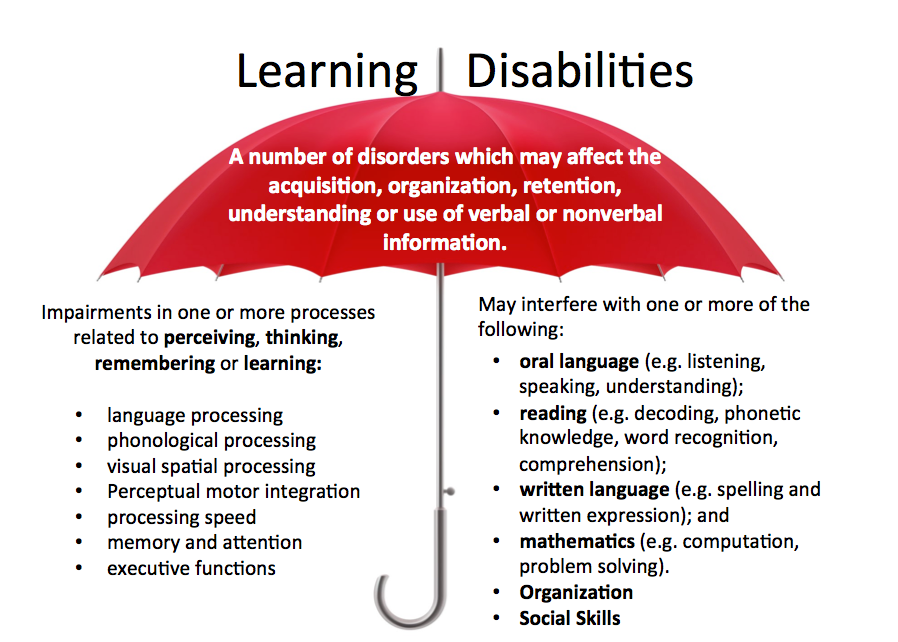
Speech delay doesn’t necessarily indicate a learning disability. Some children might catch up later. Evaluation by professionals helps determine the cause. Early intervention can support development. Consult a speech therapist for guidance tailored to your child’s needs. Understanding the difference is key to effective support.
Can A Child Get Disability For Speech Delay?
Yes, a child with speech delay can qualify for disability benefits if it significantly affects daily functioning. Eligibility depends on medical documentation and how the delay impacts the child’s life. Parents should consult with professionals to assess the child’s condition and apply for benefits accordingly.
What To Do If Your Child Is Speech Delay?
Consult a pediatrician to evaluate your child’s speech development. Consider speech therapy for personalized guidance. Encourage talking through games and reading. Limit screen time and engage in conversations. Monitor progress closely.
What Is Considered A Speech Disability?
A speech disability affects a person’s ability to speak clearly or fluently. It includes conditions like stuttering, articulation issues, and voice disorders. People may struggle with pronunciation, volume, or rhythm. Speech therapy can often help improve communication skills for those affected.
Conclusion
Speech delay can be challenging, but it’s not always a disability. Early intervention helps children improve communication skills. Parents should observe their child’s development closely. Consult professionals if concerns arise. Support and patience are crucial. Speech therapy can make a difference.
Remember, each child is unique. Their journey may vary. Seek guidance when needed. Encourage your child’s growth. Celebrate small achievements. Stay informed and proactive. With the right support, progress is possible. Understand and embrace your child’s pace. Provide a nurturing environment.
Keep communication open and positive. Your efforts can lead to meaningful improvements.