Is your child not speaking as early as you expected? Are you worried that delayed speech might be a sign of autism?
You’re not alone. Many parents share these concerns, and it’s natural to seek answers. Understanding the connection between delayed speech and autism can be crucial for your child’s development. You’ll discover insightful information that can help you navigate this complex topic.
We will break down the signs, dispel common myths, and provide practical advice for moving forward. By the end, you’ll have a clearer picture and feel more confident in supporting your child’s needs. Ready to dive in and learn more? Let’s get started!
Delayed Speech In Children
Delayed speech in children can sometimes signal autism, but it isn’t the only indicator. Various factors contribute to speech delays, including hearing problems or developmental disorders. Consulting a specialist is crucial to determine the underlying cause and appropriate interventions.
Delayed speech in children can be a confusing and concerning issue for many parents. You might find yourself comparing your child’s speech development to that of other children and wonder if there’s a deeper issue at play. While some children may simply be late bloomers, others might have underlying conditions affecting their ability to communicate effectively. Understanding the possible causes and recognizing developmental milestones can help you determine whether your child’s speech delay is something to be worried about.Common Causes
Speech delay can be attributed to various factors. Hearing problems are a common culprit, as children need to hear words and sounds clearly to reproduce them. Chronic ear infections, for example, can impact a child’s ability to hear correctly and, subsequently, their speech development. Environmental factors also play a significant role. A child growing up in a bilingual household may take longer to speak as they are processing multiple languages simultaneously. Additionally, limited interaction with caregivers or peers can slow speech development, as children learn language skills through interaction and play.Typical Developmental Milestones
Understanding typical speech milestones can provide a benchmark to gauge your child’s progress. By around 12 months, most children say their first words. By age two, they typically begin forming simple two-word phrases like “more juice” or “big truck.” By age three, children often have a vocabulary of about 200 words and can form short sentences. At this stage, you should notice a surge in the complexity and variety of their speech. If your child isn’t meeting these milestones, it may be worth discussing with a pediatrician or speech therapist. As a parent, it’s natural to be concerned about your child’s development. Have you noticed any patterns or habits that might affect your child’s speech? Paying attention to these cues can be a crucial step in understanding your child’s needs.Autism Spectrum Disorder
Autism Spectrum Disorder (ASD) affects communication and behavior. It is a developmental condition. Children with ASD often face unique challenges. These challenges vary in intensity and type. Understanding the characteristics of ASD helps in early detection.
Characteristics Of Autism
Autism shows diverse traits. Some children may have intense focus. Others might prefer routines and order. Sensory sensitivities are common. They might be sensitive to sounds or lights. These traits differ from child to child. Awareness of these traits aids in understanding autism better.
Communication Challenges
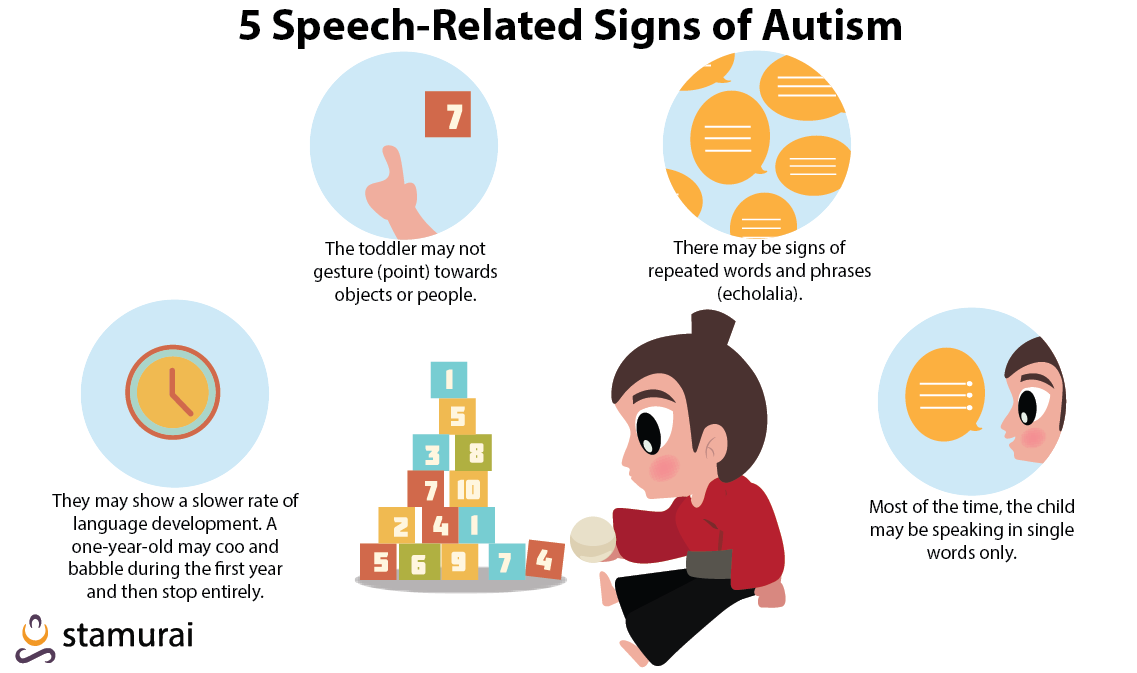
Communication is often a hurdle for those with ASD. Some children face delayed speech. Others might use non-verbal communication. Gestures and facial expressions might be hard to understand. Difficulty in interpreting social cues is common. Early intervention can help improve communication skills.
Delayed Speech And Autism
Delayed speech can be a significant concern for parents. Many wonder if it might indicate autism. Speech delays are common in young children. They can result from various factors. Autism is one of them. Understanding the link between delayed speech and autism helps in early detection. Early intervention can improve outcomes for affected children.
Correlation Vs. Causation
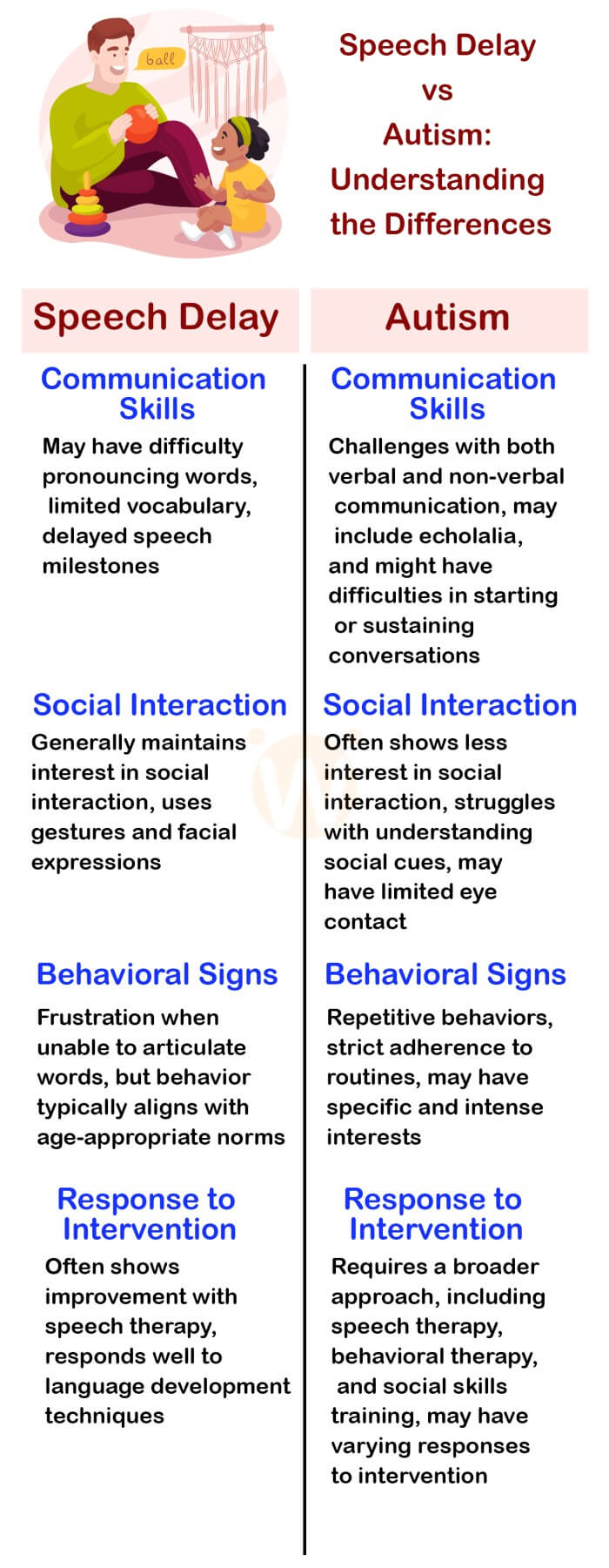
Delayed speech does not always mean autism. Correlation and causation are different. A child might have delayed speech due to other reasons. Hearing issues, developmental delays, or bilingual environments can contribute. It is crucial to recognize the difference. Autism often includes other symptoms beyond delayed speech. Observing multiple signs is important.
Other Signs Of Autism
Autism presents with various signs. Social challenges are common. Children may avoid eye contact. They might struggle with social interactions. Repetitive behaviors are another sign. A child might repeat actions or phrases. Sensory sensitivities could also appear. Loud noises or bright lights might bother them. Delayed speech is only one piece of the puzzle. Awareness of other signs aids in understanding autism.
:max_bytes(150000):strip_icc()/is-late-speech-a-sign-of-autism-259888-v2-2cd7a2607c79463db302094da6fbf934.jpg)
Credit: oratoryclub.com
Evaluating Speech Delays
Delayed speech might hint at autism, though other factors can cause it. Consulting a specialist helps identify the cause. Early evaluation ensures the right support.
Evaluating speech delays in children can be a puzzling experience for many parents. You might notice that your child isn’t speaking as much or as clearly as their peers. It’s natural to wonder if this is just a phase or if it could be a sign of something more, like autism. Understanding when to seek professional help and how speech therapists can assist is crucial in addressing these concerns.When To Seek Professional Help
Recognizing the right time to seek professional help for your child’s speech delay can be challenging. Ask yourself: Is my child struggling to express simple needs by age two? Do they have difficulty understanding basic instructions? If these questions raise concerns, it might be time to consult a pediatrician or a child development specialist. Early intervention is key. If you notice any red flags, don’t hesitate to reach out. Trust your instincts; you know your child best. Seeking help sooner rather than later can make a significant difference in your child’s communication skills.Role Of Speech Therapists
Speech therapists play a crucial role in helping children with speech delays. They assess your child’s specific needs and create a tailored plan to improve their communication skills. The goal is to make speech therapy fun and engaging, using games and activities that capture your child’s interest. Imagine your child gradually finding their voice, uttering words that were once a struggle. A speech therapist can guide them through this journey, providing the support and encouragement they need. This professional partnership can transform your child’s ability to communicate effectively and confidently. Have you ever worked with a speech therapist? What was your experience like? Sharing stories can offer comfort and insights to others facing similar challenges. Remember, you’re not alone in this journey, and support is available when you need it.Differential Diagnosis
Delayed speech can raise concerns about autism. But it’s not the sole indicator. Autism is complex. It shares symptoms with other conditions. Understanding this is key to a proper diagnosis. A differential diagnosis helps distinguish between autism and other disorders. This process ensures accurate identification. The right treatment plan can then be crafted.
Distinguishing Autism From Other Conditions
Speech delays might suggest autism. They can also hint at other issues. Conditions like hearing loss or language disorders may also cause speech delays. Each has unique traits. Autism typically includes social and behavioral challenges. Other conditions might lack these. Identifying these differences is crucial.
Doctors need to look at the whole picture. They consider social interactions, repetitive behaviors, and communication skills. Observing these areas helps pinpoint the issue. A thorough evaluation can prevent misdiagnosis. It ensures children receive the right help.
Importance Of Comprehensive Assessment
A comprehensive assessment is vital. It dives deep into a child’s abilities. Speech delays are examined alongside social and cognitive skills. Professionals use various tools and tests. They gather data on behavior and development. This data forms a complete view.
Parents play a role too. They provide insights into their child’s daily life. Their observations can guide the assessment process. Together, professionals and parents build an accurate profile. This leads to informed decisions. The goal is to support the child’s growth and development.
Intervention Strategies
Intervention strategies can significantly help children with delayed speech. Early identification and support can improve communication skills. It is essential to address speech delays promptly. This helps in enhancing the child’s overall development. Various strategies can be employed to support children. These strategies focus on improving their speech and communication abilities.
Early Intervention Benefits
Early intervention offers numerous advantages for children with speech delays. It can significantly enhance their communication skills. Engaging children early improves their social interactions. It boosts their confidence and reduces frustration. Early support can prevent further developmental delays. It lays a strong foundation for future learning and communication.
Speech Therapy Techniques
Speech therapy provides tailored techniques to support speech development. Therapists use play-based activities to engage children. These activities make learning fun and effective. Repetition and practice are vital components of therapy sessions. Therapists encourage parents to practice techniques at home. This reinforces learning and improves progress. Visual aids and gestures can also be beneficial. They help children understand and communicate better.
Parental Support And Resources
Parents often worry about delayed speech as a sign of autism. Understanding the available support and resources is crucial. It can ease concerns and provide guidance. Knowledge helps parents support their child effectively. This section offers guidance and resources for parents facing such challenges.
Guidance For Parents
Parents should first consult with a healthcare professional. They can provide an accurate diagnosis. Understanding your child’s needs is vital. Regular communication with specialists ensures the best care. Parents should also observe their child’s behavior. It helps in identifying other signs of autism. Early intervention can make a significant difference.
Joining support groups can be beneficial. They offer shared experiences and advice. Connecting with other parents facing similar issues provides reassurance. It helps to know you are not alone. Online forums and communities are also valuable. They offer tips and resources for managing delayed speech. These platforms help parents gain confidence in their roles.
Available Resources
Many resources are available for parents of children with delayed speech. Speech therapy is a primary resource. Trained therapists work with children to improve communication. They use techniques tailored to individual needs. Early intervention programs offer comprehensive support. They address various aspects of development.
Local community centers may offer workshops and seminars. These events educate parents about autism and speech delays. Books and online courses provide additional learning opportunities. They cover strategies for supporting speech development. Parents should also explore government and nonprofit organizations. They often provide free or low-cost resources.
Educational apps designed for children with speech delays can be helpful. They make learning fun and engaging. These tools offer interactive activities that promote language skills. Parents can use them at home to support therapy sessions. Consistent practice is key to progress.
Credit: www.mywellnesshub.in
Credit: www.stamurai.com
Frequently Asked Questions
Can Speech Delay Be Autism?
Speech delay can be a sign of autism, but not always. Autism involves social, communication, and behavioral challenges. Consult a healthcare professional for an accurate diagnosis if concerned about speech delay. Early intervention can significantly help children with autism.
Will My 7 Year Old Autistic Child Ever Talk?
Many autistic children develop speech skills over time. Early intervention and tailored therapy greatly enhance communication abilities. Each child’s progress varies, so consistent support and patience are crucial. Consult a healthcare professional for personalized guidance. Celebrate small milestones to encourage further development and maintain a positive environment.
How Early Can You See Signs Of Autism?
Signs of autism can appear as early as 12 to 18 months. Early indicators include limited eye contact, delayed speech, and repetitive behaviors. Early diagnosis and intervention can significantly improve outcomes. Observing your child’s development closely can help identify any concerns early on.
Consult a healthcare professional for an accurate assessment.
At What Age Is Speech Considered Delayed?
Speech is considered delayed if a child isn’t speaking simple words by 18 months or phrases by 2 years. Early intervention is crucial for addressing speech delays effectively. Consulting a pediatrician or speech therapist can help determine appropriate steps.
Conclusion
Understanding delayed speech is crucial for parents and caregivers. It can be a sign of autism but not always. Each child develops at their own pace. Early intervention helps in many cases. Speech therapy offers support and improvement. Consult professionals for accurate assessments.
Keep an eye on other developmental signs. Communication is key. Encourage expressive activities daily. Build a supportive environment. Educate yourself about autism and speech delays. Be patient and proactive. Your involvement makes a difference. Seek help when needed. Support your child’s unique journey.
Every step counts in their growth.