
Improving receptive language in autism involves understanding and responding to communication. It’s crucial for building relationships and navigating daily life.
Autism affects how individuals process information. Receptive language skills are vital because they help with understanding spoken words, gestures, and expressions. Strengthening these skills can greatly enhance communication and social interactions. Many children with autism face challenges in this area.
They may struggle to follow instructions or comprehend questions. Enhancing receptive language requires patience, practice, and tailored strategies. This journey involves creating supportive environments and using specific techniques. The goal is to help individuals better understand and interact with the world around them. In this guide, we’ll explore effective methods to improve receptive language skills in autism. Let’s delve into practical approaches that make a difference.
Receptive Language In Autism
Receptive language is the ability to understand words and sentences. In autism, challenges in receptive language can be significant. Many individuals find interpreting language complex. Difficulty understanding spoken or written words affects communication. Enhancing receptive language skills is crucial for better interaction.
Understanding Receptive Language
Receptive language involves processing and understanding what others say. It includes recognizing words, gestures, and facial expressions. Individuals use these skills to follow instructions and respond appropriately. It’s vital for effective communication. Those with autism may struggle with receptive language. Early intervention is key in addressing these challenges.
Challenges In Autism
Autism can affect how individuals process language. Sensory overload may hinder understanding. Difficulty in focusing on speech impacts comprehension. Misinterpretation of words or phrases is common. Non-verbal cues can be confusing. These challenges require tailored strategies for improvement.
Visual supports can aid comprehension. Simplified language helps in understanding. Repetition reinforces learning. Engaging activities encourage interaction. Consistent practice enhances receptive skills. Family involvement provides support and reinforcement.
Importance Of Early Intervention
Early intervention is crucial for children with autism. It offers a window of opportunity. During this time, children are most adaptable. Their brains can learn new skills quickly. This period is perfect for boosting receptive language.
Benefits Of Early Intervention
Starting early offers many advantages. Children develop stronger communication skills. They understand others better. This leads to improved social interactions. They become more confident in group settings.
Early intervention also helps caregivers. They gain tools to support their child’s growth. This support is essential. It reduces stress and fosters a positive environment. Families feel more connected and hopeful.
Impact On Development
Intervening early impacts overall development. It enhances cognitive skills. Children process information more effectively. They make sense of their environment. This understanding boosts learning in other areas.
Social skills improve too. Children learn to respond to cues. They engage in conversations. This increases their ability to form friendships. Their quality of life significantly improves.
Language skills are foundational. Early intervention builds this foundation. It sets the stage for future success. The earlier the start, the better the outcomes.
Role Of Speech Therapy
Speech therapy is a cornerstone in enhancing receptive language skills in individuals with autism. It offers tailored strategies that cater to the unique needs of each person. By focusing on understanding and processing language, speech therapy plays a vital role in helping individuals with autism communicate more effectively.
Techniques Used
Speech therapists employ a variety of techniques to improve receptive language. Visual aids, like pictures and videos, can make understanding concepts easier. They might also use social stories, which are simple narratives that describe social situations, helping individuals grasp what is expected in different scenarios.
Another technique involves interactive activities. Games that require listening and following instructions can be both fun and educational. These activities help reinforce language understanding in a practical way.
Technology also plays a part. Apps designed for language learning offer interactive exercises that can be tailored to different skill levels. They provide immediate feedback, which can be crucial for learning.
Choosing The Right Therapist
Finding the right speech therapist is essential for progress. Consider their experience with autism specifically. Therapists who have worked with autistic individuals are likely to have specialized techniques.
Look for a therapist who collaborates well with parents and caregivers. You want someone who understands your child’s needs and communicates effectively with you. This ensures that strategies used in therapy can be reinforced at home.
Evaluate their approach to therapy. Some therapists use play-based methods, which can be engaging for children. Others might focus on structured lessons. Choose what aligns best with your child’s interests and learning style.
In your journey to improve receptive language, ask yourself: what kind of environment does your child thrive in? Ensuring a match between your child’s preferences and the therapist’s methods can make a significant difference.
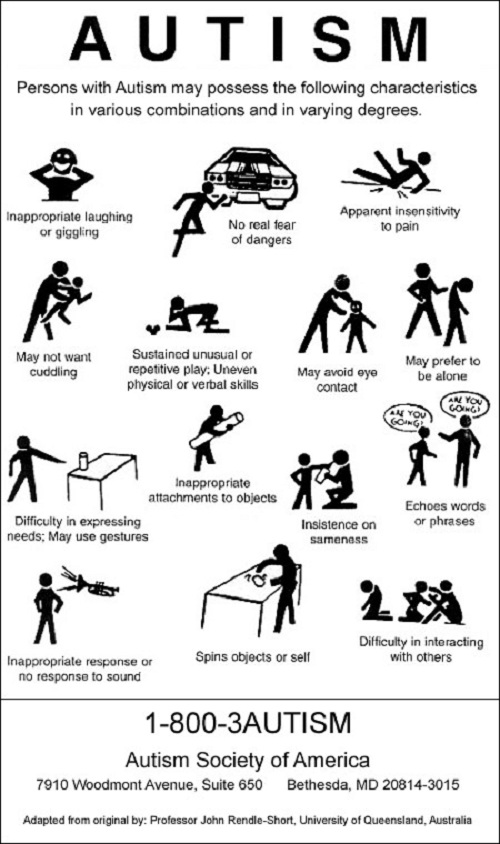
Credit: www.speechbuddy.com
Utilizing Visual Aids
Visual aids play a crucial role in supporting receptive language in autism. They provide clear, concrete examples that help individuals understand spoken language better. Visual aids can bridge the gap between verbal instructions and comprehension. By integrating these tools, caregivers can make communication more effective and less frustrating. The use of visual aids can lead to more positive interactions.
Types Of Visual Aids
There are various types of visual aids available. Picture cards are one of the most common. They represent everyday objects or actions. These cards can help individuals associate words with images. Another popular aid is storyboards. They outline daily routines or tasks in a sequence. Storyboards provide a visual step-by-step guide. Social stories are also useful. They explain social situations with pictures and simple text. These stories help individuals understand social cues.
Implementing Visual Strategies
Start by assessing the individual’s needs and preferences. Choose visual aids that align with their interests. Consistency is key. Use the same visual aids regularly to build familiarity. Place visual aids in accessible locations. This makes them easy to reference during daily activities. Pair visual aids with verbal instructions. This reinforces learning and comprehension. Gradually introduce new visual aids as understanding improves.
Incorporating Technology
Integrating apps and devices can enhance receptive language skills in children with autism. Interactive tools offer engaging exercises that improve listening and understanding. Personalized programs adapt to each child’s needs, promoting effective learning.
Incorporating technology into learning can make a world of difference, especially when supporting children with autism in improving receptive language skills. Technology offers a dynamic and interactive way to engage learners, often making the process more enjoyable and less daunting. The right digital tools can transform everyday learning into a captivating adventure.
Digital Tools And Apps
Digital tools and apps are game-changers for enhancing receptive language skills in children with autism. They provide interactive experiences that traditional methods might lack. Apps like Proloquo2Go and Speech Blubs offer visual aids and engaging activities that help children understand and respond to language better. Have you ever tried an app that mimicked real-life scenarios to teach language? Using apps that simulate daily situations can help your child practice language in a safe environment. This not only boosts understanding but also builds confidence.
Interactive Learning Platforms
Interactive learning platforms take technology to the next level by providing immersive experiences. Websites like ABCmouse and Starfall offer structured programs that adapt to your child’s pace, ensuring no one gets left behind. These platforms often include games and activities that require the child to listen and respond. This interaction reinforces language comprehension in a fun setting. Imagine your child excitedly logging on to learn, not realizing they’re practicing crucial skills. Are you using technology to its fullest potential? If you haven’t yet explored these options, consider how they might fit into your daily routine. Balancing screen time with quality content can make technology a powerful ally in language development. Using technology creatively can transform learning from a chore into an adventure, providing your child with the tools they need to thrive.
Parental Involvement
Parents play a vital role in improving receptive language in children with autism. Their involvement can make a significant difference. It helps reinforce strategies that professionals teach. Parents can create a nurturing environment that encourages communication. This active participation builds a foundation for effective language skills. Parents can use simple techniques daily. They can engage in activities that stimulate understanding and expression.
Effective Communication Practices
Parents can start with clear, simple language when talking to their child. Short sentences work best. Visual aids can enhance understanding. Pictures or gestures can aid in conveying messages. Consistency is key. Repeating phrases helps reinforce learning. Encourage your child to express themselves. Ask open-ended questions. Celebrate even small communication attempts. This boosts confidence.
Creating A Supportive Environment
A calm, distraction-free space encourages better focus. Limit noise and distractions in the communication area. Use familiar objects and routines. These provide comfort and predictability. Engage in activities that interest your child. Use toys or games they love. This makes learning enjoyable. Positive reinforcement helps. Praise efforts and achievements. This motivates continued engagement.
Building Social Skills
Improving receptive language in autism enhances social skills. Engage with simple games and visual aids for better understanding. Encourage interaction through storytelling and role-play activities to boost communication skills effectively.
Building social skills is essential for improving receptive language in children with autism. These skills help children better understand and respond to the world around them. By fostering social interaction, you can create a supportive environment for language development.
Group Activities
Engaging children in group activities can significantly enhance their social skills. Think about organizing simple games like “Simon Says” or “Duck, Duck, Goose.” These activities require children to listen attentively and respond to instructions, thereby improving their receptive language. Consider hosting a weekly playgroup where children can interact with peers. This setting offers opportunities to practice turn-taking and sharing. Keep the group small to avoid overwhelming the child, ensuring a comfortable and productive experience. You might also want to include activities like group storytelling. Encourage children to contribute to the story by adding their own ideas. This not only builds language skills but also boosts creativity and confidence.
Role-playing Techniques
Role-playing can be a powerful tool for teaching social skills. It allows children to practice real-world scenarios in a safe and controlled environment. Create simple role-play situations, such as ordering food at a restaurant or asking for help in a store. Use role-playing to teach children how to recognize and respond to different facial expressions and tones of voice. This can greatly enhance their understanding of non-verbal cues, which are crucial for effective communication. Involve other children or family members in the role-play to make it more dynamic. This helps the child with autism to interact with different personalities and adapt to various social contexts. Have you tried using costumes or props in role-playing sessions? They can make the activity more engaging and help the child immerse in the role. The more fun and interactive the session, the more likely the child is to participate actively and learn effectively. Building social skills through group activities and role-playing is not just about improving language. It’s about giving your child the tools they need to thrive in social settings and feel confident in their interactions. What strategies have you found effective in nurturing these skills in your child?
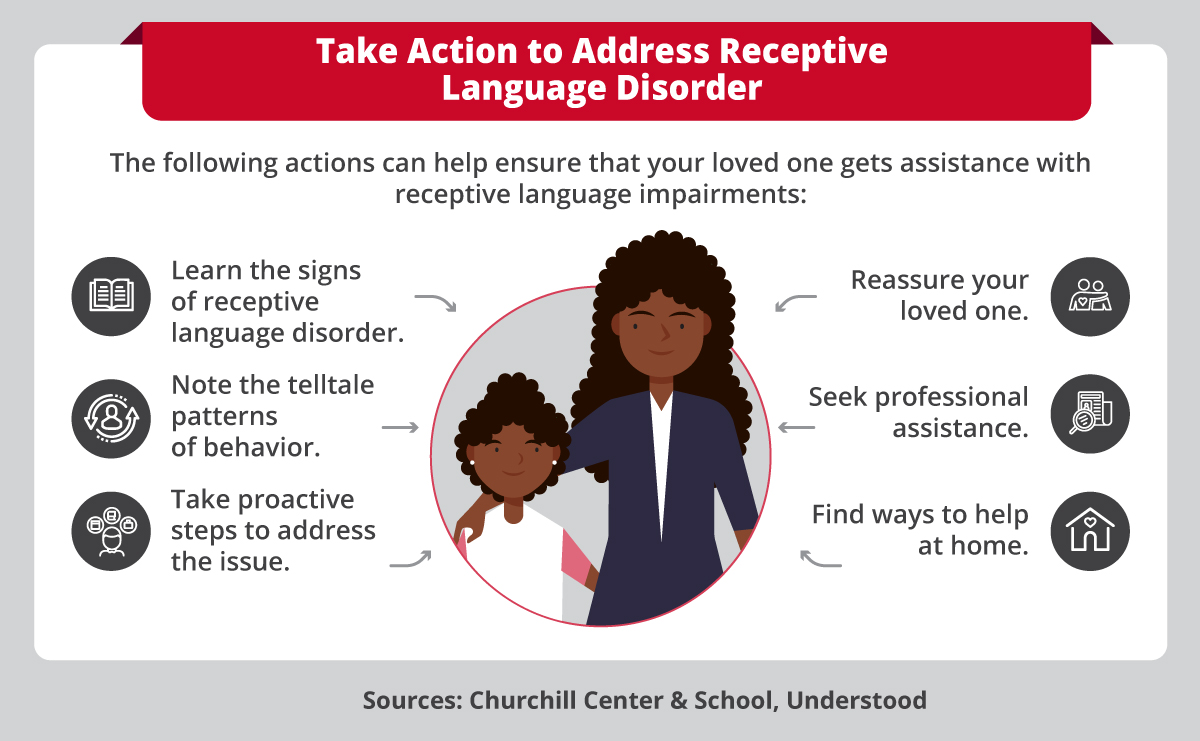
Credit: online.maryville.edu
Monitoring Progress
Monitoring progress in receptive language development for individuals with autism is crucial. Understanding how receptive language skills evolve can inform effective intervention strategies. It helps caregivers and educators to tailor approaches that suit the unique needs of each individual.
Tracking Improvement
Tracking improvement in receptive language involves regular assessments. Use tools designed for language evaluation. These tools help measure understanding of words and phrases. Observe how the individual responds to verbal instructions. Note changes in their comprehension over time. Keep a record of their progress to identify patterns.
Adjusting Strategies
Adjusting strategies is necessary when monitoring progress. Some methods might work better for certain individuals. If a strategy shows little improvement, consider alternatives. Incorporate visual aids if verbal communication is challenging. Engage with interactive activities that stimulate understanding. Tailor the approach to fit the individual’s preferences and strengths.
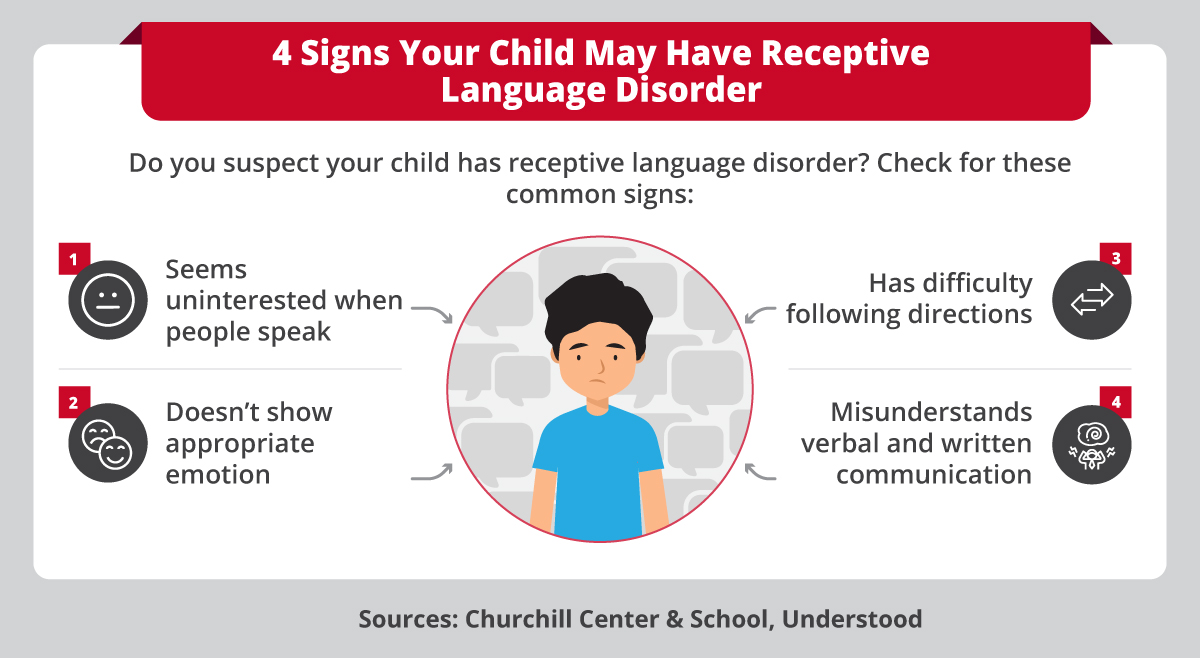
Credit: online.maryville.edu
Frequently Asked Questions
How To Teach Receptive Language In Autism?
Use visual aids and simple language to teach receptive language in autism. Incorporate games and consistent routines. Encourage interaction through modeling and repetition. Provide positive reinforcement to motivate learning.
Can Receptive Language Be Improved?
Yes, receptive language can be improved. Engage in regular practice with listening activities and reading comprehension. Speech therapy and language exercises also help. Encourage conversations in diverse settings to enhance understanding. Consistent practice and exposure to new vocabulary boost receptive language skills effectively.
How To Fix Receptive Language?
Improve receptive language by engaging in interactive reading, using visual aids, and practicing listening skills. Incorporate language games and activities to enhance understanding. Speech therapy offers tailored exercises and support. Consistent practice and patience lead to progress in receptive language skills.
Does Autism Affect Receptive Language?
Yes, autism can affect receptive language. Individuals with autism may struggle to understand spoken language. This can impact their ability to follow instructions and engage in conversations. Early intervention and therapy can help improve receptive language skills in autistic individuals.
Conclusion
Improving receptive language in autism takes time and patience. Small, consistent efforts make a difference. Practice with games and daily routines helps skills grow. Use visual aids and simple instructions. Encourage communication with gestures and expressions. Celebrate progress, even small achievements.
Support from family and professionals is important. Every child is unique; adapt strategies to fit their needs. Stay positive and flexible. Keep learning and exploring new methods. Receptive language improvement opens doors to better understanding. It enhances connections and enriches lives.
Continue nurturing these skills for lasting growth and development.