
Language development in autism can be challenging. It requires patience and tailored strategies.
Many parents seek effective ways to support their child’s communication skills at home. This blog explores home strategies that can make a real difference for children with autism. Understanding autism’s unique language development needs is crucial. Each child may have different experiences and challenges.
Parents can play a key role in nurturing language skills. Through simple, consistent practices, families can create a supportive environment. These strategies can help children express themselves better. They can also improve social interactions. With the right approach, progress is possible. Let’s dive into practical methods that can boost language development in autistic children at home.
Credit: www.mywellnesshub.in
Creating A Language-friendly Environment
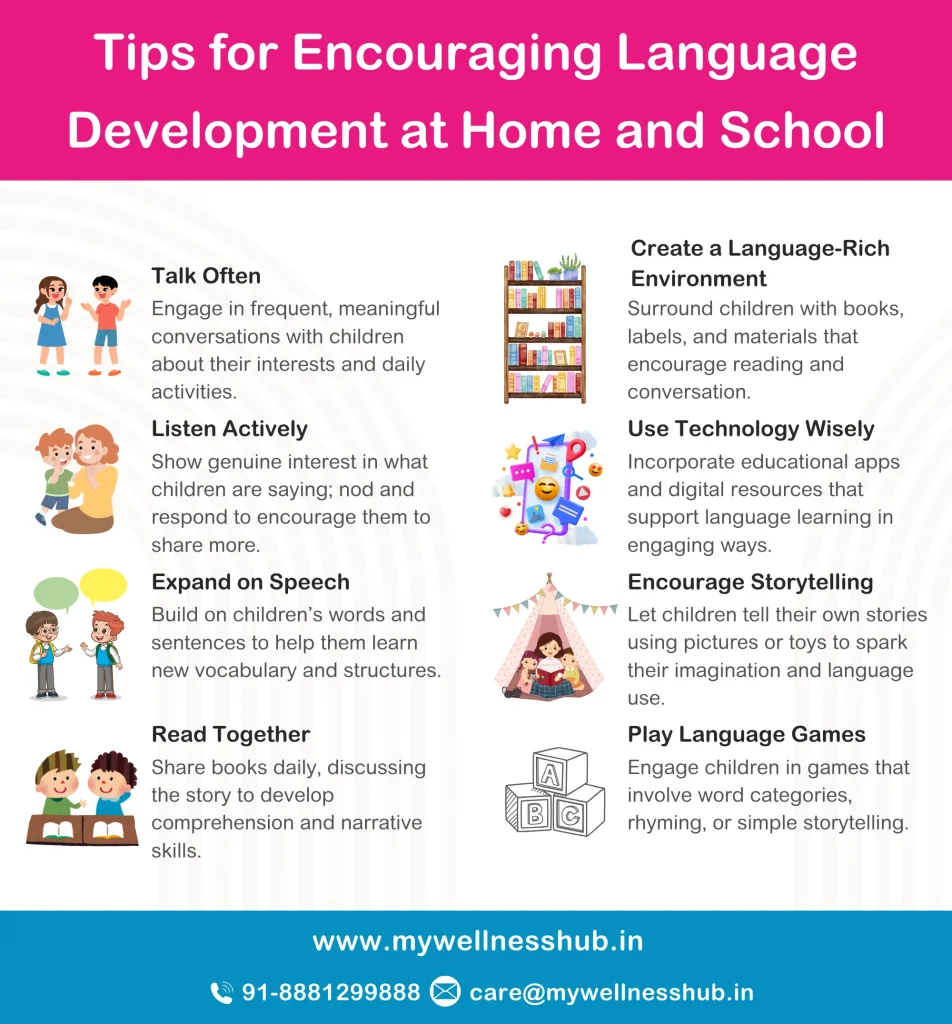
Creating a supportive home environment boosts language development in children with autism. Use visual aids and clear routines to encourage communication. Encourage daily interactions through storytelling and play, fostering natural language growth.
Creating a language-friendly environment is essential for language development in children with autism. This supportive space encourages communication and understanding. Families can foster a language-rich atmosphere at home. It involves using visual aids and organizing tools effectively. Each element plays a unique role in enhancing language skills.
Visual Supports In The Home
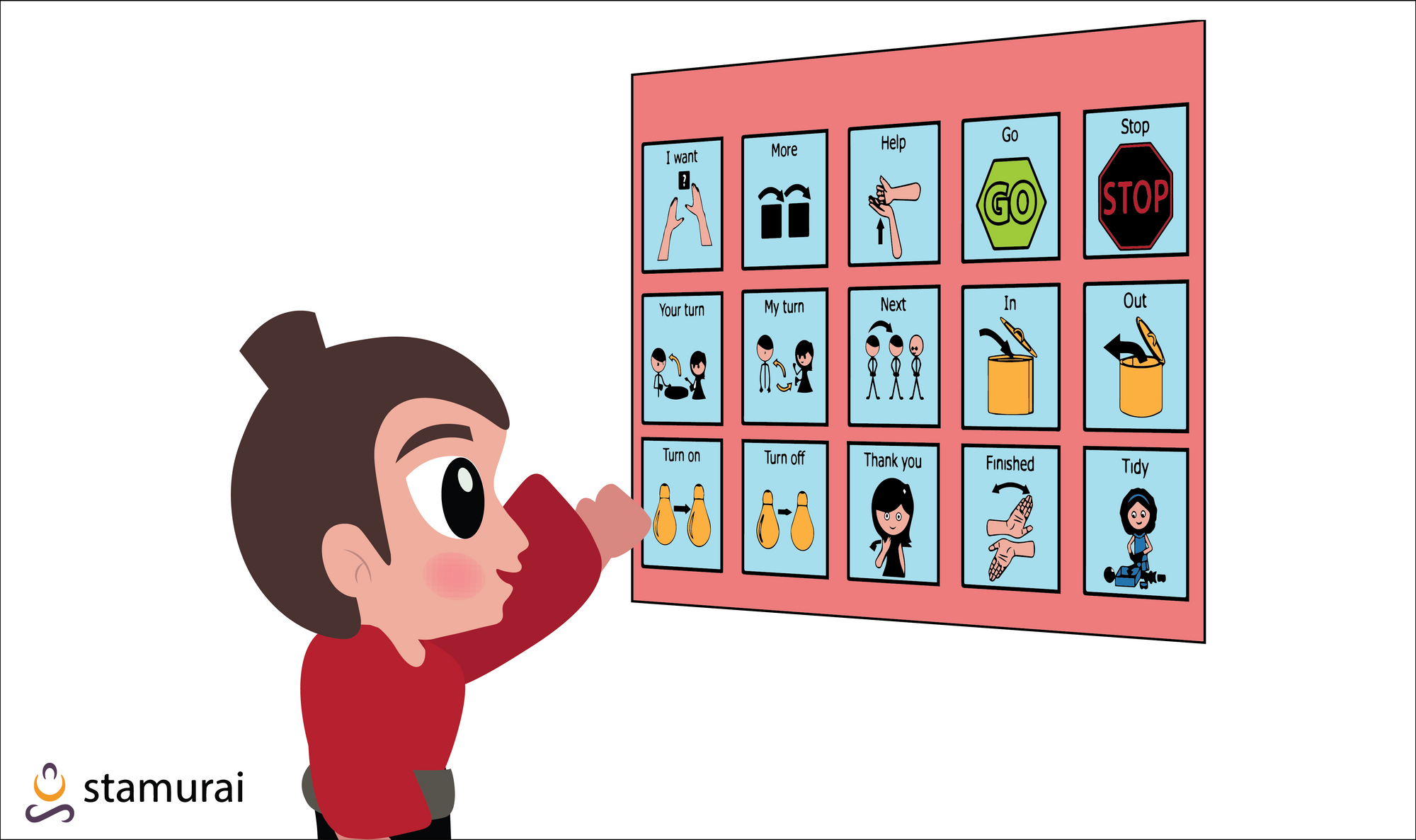
Visual supports are powerful tools for communication. They provide clear cues and reminders. Use picture schedules to outline daily routines. Label household items with words and images. This helps link words to objects. Create a visual calendar to mark special events. These supports can reduce anxiety and improve comprehension.
Organizing Language Tools And Resources
A well-organized space makes learning easier. Dedicate a shelf for language resources. Include books, flashcards, and educational games. Keep these tools accessible to encourage frequent use. Rotate items to maintain interest and engagement. Organize materials by theme or subject. This helps children connect new concepts with familiar ones. A tidy environment supports focused learning.
Daily Routine Integration
Integrating language development into daily routines can significantly help children with autism. It provides consistent opportunities for practice, making language a natural part of everyday life. Engaging in daily activities supports gradual language acquisition. Parents can use familiar routines to enhance communication skills effectively.
Incorporating Language In Daily Activities
Daily activities offer rich opportunities for language learning. During meal times, label foods and utensils. Use phrases like “big spoon” or “red apple.” Encourage your child to repeat these words. Involve them in simple tasks, such as setting the table. Describe each step to reinforce vocabulary. Bath time can also be educational. Name body parts while washing. Use action words like “splash” and “pour.”
Shopping trips can be language lessons too. Discuss items on the grocery list. Describe their colors and shapes. While driving, point out signs and landmarks. Use short sentences like “Look, a tall tree” or “Red car.” These activities make language learning engaging and relevant.
Using Consistent Language Cues
Consistency in language cues helps children with autism understand and communicate better. Use the same phrases for daily routines. For example, say “Time to eat” before meals. Consistent cues help create predictable patterns. This predictability builds confidence in communication.
Visual cues can support verbal instructions. Use picture cards for daily tasks like dressing or brushing teeth. Combine words with gestures to reinforce understanding. Consistency in language use reduces confusion and supports learning. It helps children anticipate what’s coming next.
Interactive Play Techniques
Interactive play techniques are vital for language development in children with autism. These playful methods can foster communication skills and encourage social interaction. Through play, children learn to express themselves and understand language better. Using toys and games thoughtfully can significantly enhance language learning at home.
Role Of Play In Language Learning
Play is a natural way for children to learn. It helps them discover new words and understand their meanings. During play, children experiment with language in a safe environment. They learn to associate words with actions and objects. This process boosts their confidence in speaking.
Interactive play allows children to practice language. They learn through imitation and repetition. As they play, they grasp sentence structures and new vocabulary. Play also develops their listening skills. It encourages them to respond to verbal cues and instructions.
Choosing Language-rich Toys
Selecting the right toys is crucial for language development. Toys should encourage verbal interaction and storytelling. Opt for toys that require conversation or role-playing. These toys prompt children to use language creatively.
Books and puzzles with words are excellent choices. They introduce children to new vocabulary. Picture books stimulate discussions about images and stories. Puzzles with letters and words enhance reading skills.
Consider toys that make sounds or play music. These toys engage children and prompt them to talk about the sounds. Musical instruments encourage children to sing and express themselves. Toys with interactive features often stimulate curiosity and dialogue.
Use Of Technology
Technology offers new ways for language learning in autism. It provides accessible tools that can engage children in a meaningful way. With the right apps and tools, parents can support language development at home. This section explores how technology can aid in this journey.
Apps And Tools For Language Development
There are many apps designed for language development. These apps offer interactive features that engage children. Visual and auditory elements make learning fun. Some apps focus on vocabulary building. Others help with sentence formation. Look for apps with user-friendly interfaces. They should be easy for children to navigate. Parental controls are also important. They ensure a safe learning environment. Explore various tools and find what works best for your child.
Balancing Screen Time And Interaction
Screen time should not replace real interactions. Technology is a tool, not a babysitter. Balance is key for effective learning. Limit screen time to prevent over stimulation. Encourage interaction with family and peers. Use technology as a supplement to conversations. Create opportunities for face-to-face communication. This helps reinforce language skills. Real-life practice is crucial for development.
Family Involvement
Family involvement is crucial in supporting language development in children with autism. When families actively participate, children often feel more understood and connected. This environment fosters better communication and growth. Families can create a nurturing space for language learning. Consistent support and encouragement from loved ones make a significant difference.
Encouraging Family Communication
Open communication within the family is essential. Regular conversations help children practice language skills. Family dinners are a perfect time to chat and share stories. Ask open-ended questions to encourage longer responses. Listen actively and show interest in their thoughts. This builds confidence and improves language use.
Games that involve speaking can also be beneficial. Simple games like “I Spy” or storytelling can boost vocabulary. Make communication a fun part of daily life. Encourage everyone in the family to participate. This creates a supportive environment for the child.
Sharing Language Goals With Family
Share language development goals with all family members. Understanding these goals helps everyone stay on the same page. It ensures consistent support for the child across different settings. Discuss these goals during family meetings or gatherings. Set realistic and achievable targets together.
Celebrate small achievements to motivate the child. Rewarding progress encourages continued effort and improvement. Keep track of milestones to see how far the child has come. This shared journey strengthens family bonds. Everyone feels a part of the child’s success.
Social Interaction Opportunities
Social interaction plays a key role in language development for children with autism. Creating opportunities for social engagement can enhance communication skills. In the comfort of home, parents can foster social interactions. These interactions can significantly improve language abilities. Encouraging social play helps children understand and use language. It also aids in building friendships. Let’s explore strategies to facilitate peer interaction and organize group activities.
Facilitating Peer Interaction
Peer interaction is crucial for language growth. Invite classmates over for playdates. Create an environment where children feel comfortable. Offer toys that encourage sharing and talking. Games like pretend play stimulate imagination and dialogue. Encourage children to express themselves during these activities. Open-ended questions can prompt conversation. Parents should model appropriate social behaviors. This helps children learn the nuances of communication.
Organizing Group Activities
Group activities can enhance social skills. Plan small group gatherings with familiar peers. Structured games can encourage participation. Activities like storytelling sessions engage children. They can take turns narrating parts of the story. Arts and crafts can be a creative outlet. Kids can describe their creations and discuss ideas. Choose activities that require teamwork and communication. This helps foster collaboration and language use. Regular group activities build confidence in social settings.
Monitoring Progress
Monitoring progress in language development for children with autism is crucial. Parents and caregivers need effective strategies to track improvements. Observing small changes can lead to major breakthroughs. It helps tailor approaches to support each child’s unique needs. This section offers practical guidance on setting goals and tracking milestones. Understanding these aspects is vital for fostering communication skills in children with autism.
Setting Realistic Language Goals
Start by setting achievable language goals. Consider the child’s current abilities. Focus on simple words and phrases. Encourage consistent practice. Use everyday situations to promote language use. Aim for gradual improvements. Adjust goals as the child progresses. Celebrate small victories. It boosts motivation and confidence.
Tracking Language Development Milestones
Record key language milestones. Create a checklist of achievements. Note new words and phrases used. Pay attention to improvements in understanding. Track the ability to follow simple directions. Keep a journal of daily interactions. Use it to identify patterns. Consult with specialists for additional insights. Regular updates can highlight progress. It shows areas needing more focus.
Credit: www.stamurai.com
Seeking Professional Support
Professional support helps families create effective home strategies for language development in children with autism. Tailored techniques enhance communication skills, fostering a nurturing environment for growth. Collaboration with specialists ensures personalized approaches that suit individual needs.
Supporting a child with autism in language development can be a challenging yet rewarding journey. One key aspect of enhancing this journey is seeking professional support. Professionals bring specialized skills and insights that can greatly benefit your child’s growth. They can help you navigate the complexities of language development and tailor strategies to your child’s unique needs.
Collaborating With Speech Therapists
Speech therapists are invaluable partners in your child’s language development. They assess your child’s communication strengths and areas for improvement. With their expertise, they design personalized therapy plans that target specific language goals. Engage actively with your speech therapist. Ask questions, share observations, and discuss progress. Your involvement is crucial in reinforcing therapy techniques at home. Real-life experiences show that collaboration fosters consistency. One parent noted how mimicking therapy activities at home sped up their child’s progress. You can make language learning fun by turning therapy exercises into games.
Accessing Community Resources
Your community is a treasure trove of resources waiting to be tapped. Local support groups, libraries, and autism centers often offer programs that enhance language skills. These resources can provide both structured activities and informal settings for language practice. Explore community events and workshops. Such gatherings not only facilitate learning but also offer networking opportunities. Sharing experiences with other parents can provide fresh perspectives and solutions. Imagine the potential of a library story hour or a community playgroup. These settings encourage social interaction and language use in a relaxed environment. You might be surprised at the progress your child makes when engaged in community activities. What resources are available in your area that you haven’t explored yet? Consider reaching out to local autism organizations or your child’s school for guidance. These connections can open doors to new opportunities for language development.
Credit: quicktalkerfreestyle.com
Frequently Asked Questions
How To Do Speech Therapy At Home For Autism?
Start by creating a quiet, distraction-free environment. Use visual aids and simple language for better understanding. Engage in repetitive speech exercises and encourage imitation. Incorporate fun activities like songs and games to enhance learning. Monitor progress and adjust techniques as needed.
Consider online resources and consult professionals if necessary.
What Is An Example Of Strategies Used By Parents To Support Their Child’s Language Development?
Parents can support language development by reading aloud daily, engaging in conversations, and playing word games. Encourage storytelling and ask open-ended questions. Create a language-rich environment with books and educational toys. Use positive reinforcement to build confidence in speaking and listening skills.
How Can I Help My Autistic Child With Language?
Engage in daily conversations with your child to improve language skills. Use visual aids and gestures for better understanding. Encourage storytelling and reading together. Practice speech therapy exercises regularly. Seek professional guidance for personalized strategies.
What Techniques Or Strategies Do You Use To Encourage Language Development?
I use storytelling, interactive games, and songs to enhance language skills. Encouraging conversation and reading together boosts vocabulary. Visual aids and role-playing can also stimulate language development effectively. Consistent practice and positive reinforcement are key strategies.
Conclusion
Supporting language development in autism requires patience and creativity. Small, consistent efforts make a big difference. Use daily routines to encourage communication. Simple games can spark interest and engagement. Be patient, and listen actively. Celebrate small victories. Every word spoken is progress.
Adapt strategies to fit individual needs. Keep interactions positive and encouraging. Create a safe space for expression. Remember, each child grows at their own pace. Stay hopeful and committed. Progress comes with time and dedication. Together, we can foster growth and understanding.
Language is the key to connection. Your efforts matter deeply.