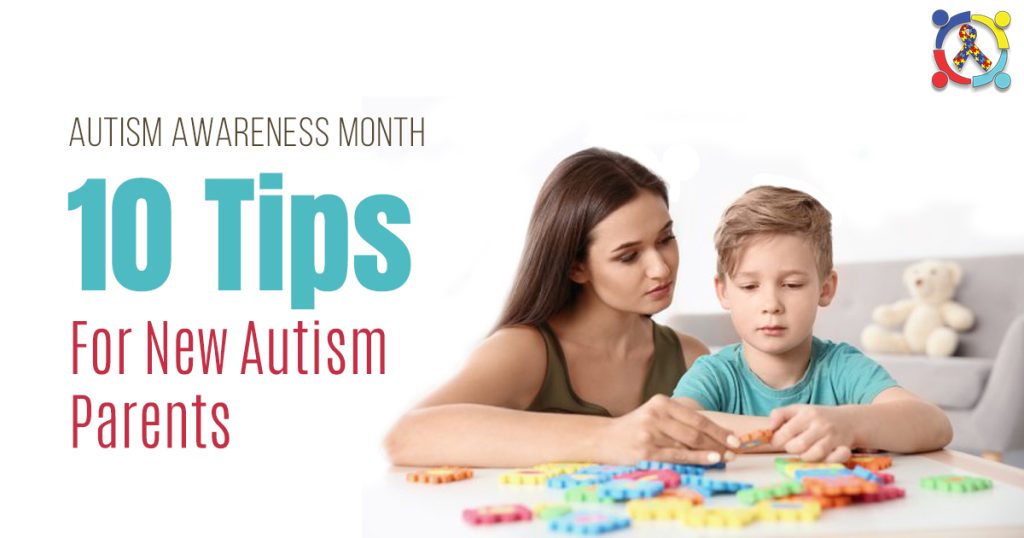
Are you a parent worried about your child’s speech delay? You might be wondering if it could be a sign of autism.
It’s natural to be concerned when your little one isn’t hitting the expected milestones. But before jumping to conclusions, it’s important to understand that speech delays can have many causes. By learning more about these potential reasons, you can make informed decisions about your child’s development.
You’ll discover the differences between speech delay and autism, helping you to breathe a little easier and focus on what truly matters: supporting your child’s unique journey. Dive in to find out more!
What Is Speech Delay?
Speech delay doesn’t always indicate autism. Many factors can cause delays, including hearing problems or developmental differences. It’s important to consult a professional for an accurate diagnosis.
Speech delay is a common concern for parents. It involves a child not speaking as expected for their age. This condition can cause worry, but it’s not always linked to serious disorders. Understanding speech delay helps address concerns effectively.
Definition And Causes
Speech delay means a child is not using words like peers. By age two, most children use simple words. A speech delay can result from various causes. Hearing problems often contribute. Ear infections may lead to temporary delays. Environmental factors also play a role. Limited interaction can affect speech development. Sometimes, family history influences speech patterns.
Common Signs And Symptoms
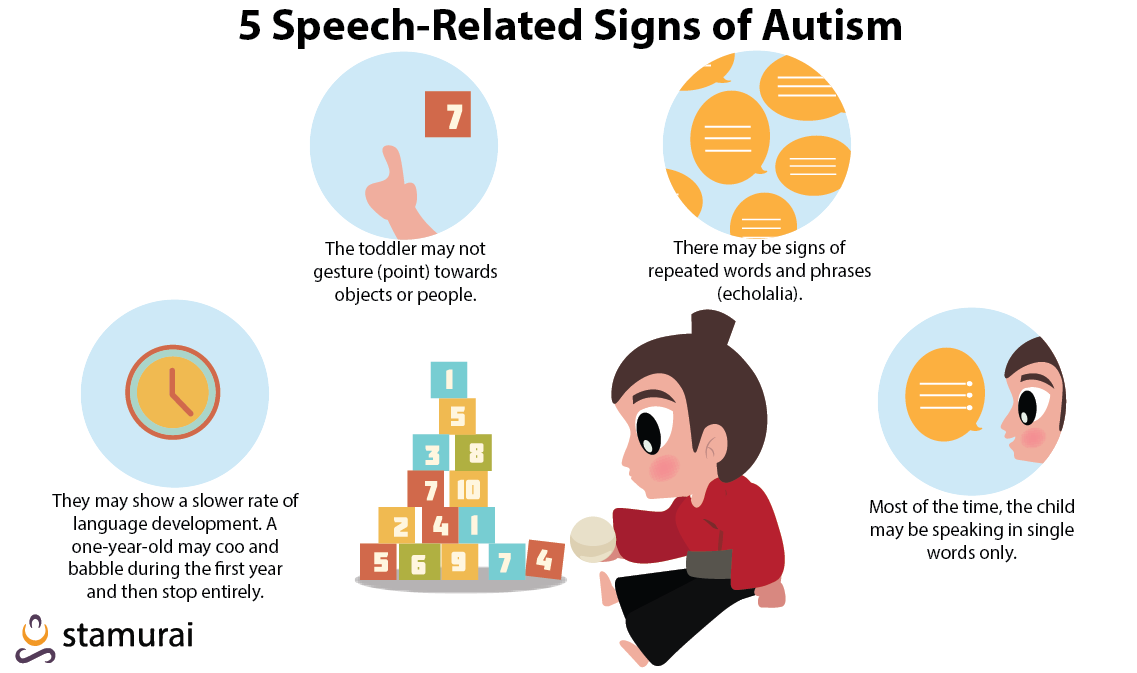
Identifying speech delay involves observing key signs. By 12 months, children usually babble. Lack of babbling may indicate a delay. At two years, children should form simple phrases. Difficulty doing so could be a sign. Not responding to names or familiar words is another symptom. Limited vocabulary compared to peers can also indicate speech delay. Watching your child’s communication skills is crucial. “`
Speech Delay Vs Autism
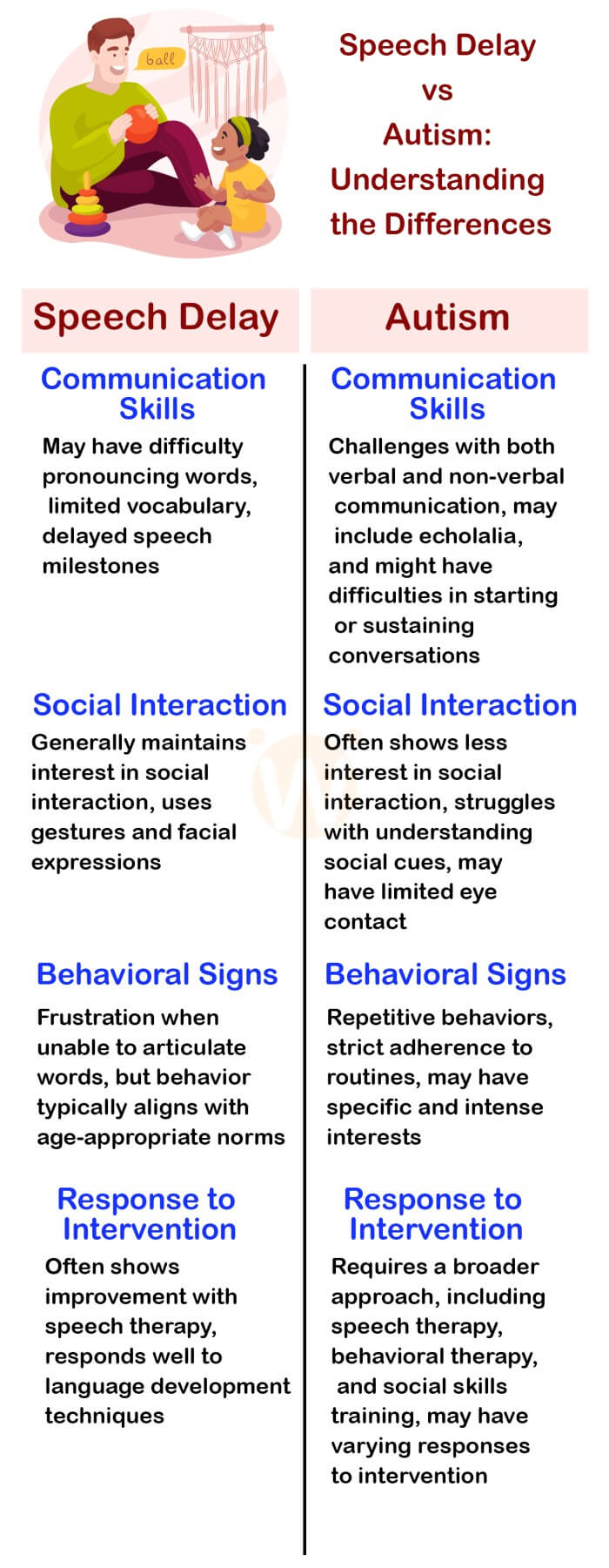
Understanding speech delay and autism is crucial for parents. Speech delay doesn’t always mean autism. Both have distinct characteristics. They can affect children differently. Knowing the differences helps in identifying the right path for support.
Key Differences
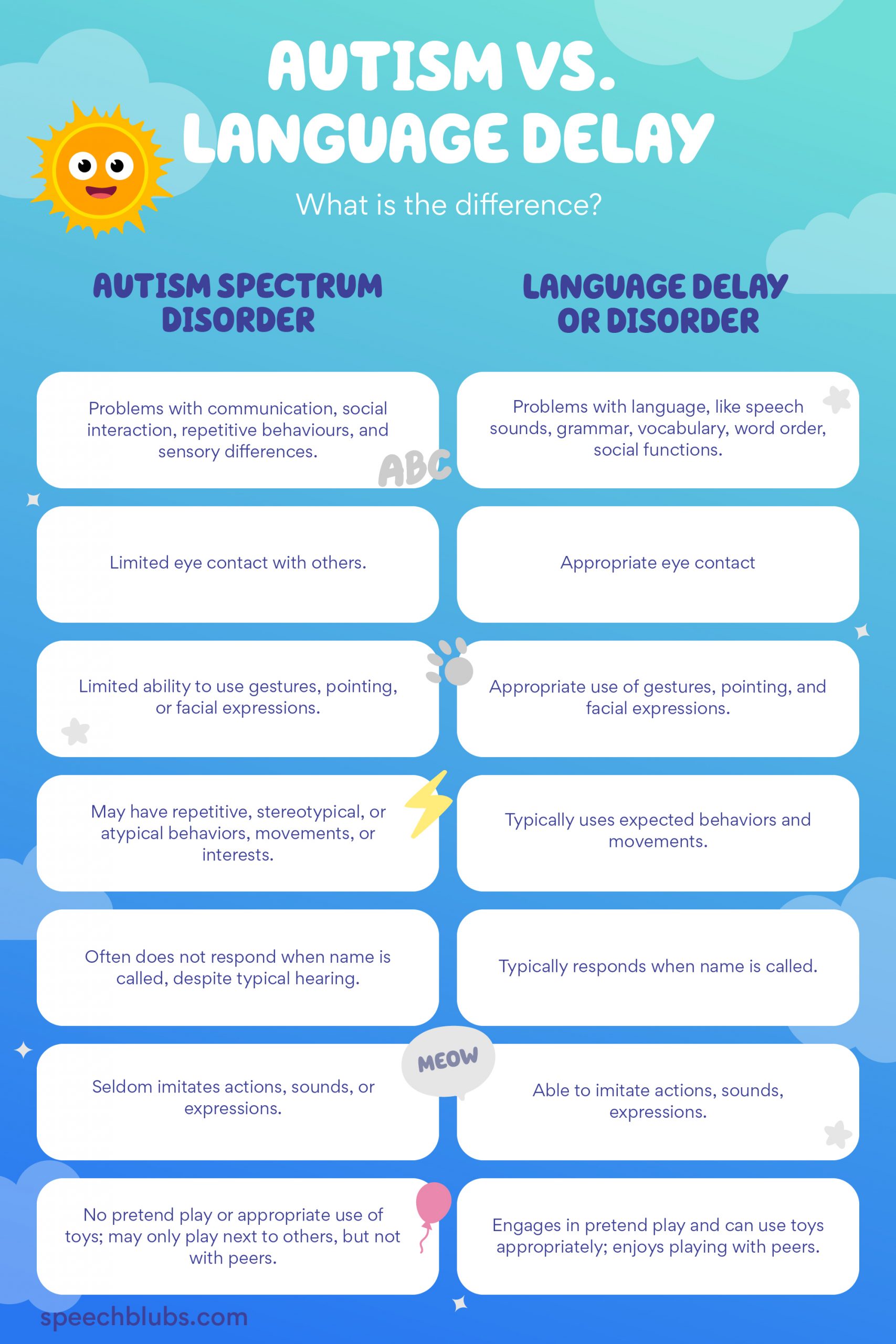
Speech delay often involves late language development. Children might struggle with forming words. They may find it hard to express thoughts. Autism, on the other hand, includes social challenges. It can affect communication and interaction. Speech delay is purely a language issue. Autism affects broader areas like behavior.
Overlap In Symptoms
There can be common signs between speech delay and autism. Both can show limited verbal skills. Some children might avoid eye contact. Repetitive behaviors might also be present. These similarities can confuse parents. But not all speech delays indicate autism. It’s essential to look at other signs. Observing social interactions and interests is key. Professional evaluation can help clarify the situation.
Factors Contributing To Speech Delay
Speech delay in children can be a source of concern for parents. It’s essential to understand the various factors contributing to this delay. Not all speech delays indicate autism. Several factors can play a role in a child’s speech development.
Environmental Influences
The environment can greatly affect a child’s speech development. Children learn by listening and mimicking sounds they hear. Limited exposure to language can slow speech progress. A child’s interaction with family members and peers shapes their language skills. Noise or distractions can hinder speech learning. Engaging conversations and reading can improve speech.
Genetic Factors
Genetics play a significant role in speech development. Family history of speech issues can indicate a genetic link. Genes can affect how language skills develop in children. Each child is unique in their genetic makeup. Some may inherit speech-related challenges from parents. Understanding genetic influences helps in addressing speech delays effectively.
Developmental Conditions
Certain developmental conditions can contribute to speech delay. Conditions like hearing loss or auditory processing disorders affect speech. Some children may have motor skill challenges impacting speech. Developmental disorders like Down syndrome can also influence speech delay. Early diagnosis and intervention can aid in overcoming these challenges.
Credit: www.mywellnesshub.in
Myths And Misconceptions
Many people worry when a child experiences speech delay. It’s a common concern among parents and educators. Some believe that speech delay always means autism. This notion can lead to unnecessary anxiety. Misunderstandings often spread due to lack of knowledge.
Let’s explore the common misbeliefs and the impact of misinformation. By doing so, we can better understand speech delays.
Common Misbeliefs
One major myth is that all speech delays indicate autism. This is not true. Many children with speech delays do not have autism. Speech delay can stem from various causes. Hearing problems, for example, can affect speech. Other reasons include bilingual environments or slow development.
Another misconception is that speech therapy is unnecessary. Some believe children will “catch up” on their own. But early intervention can make a big difference. It supports better communication skills over time.
Impact Of Misinformation
Misinformation can harm both parents and children. It can lead to stress and worry for families. Parents might feel isolated or blamed for their child’s delay. This stress can affect their overall well-being.
Children may miss out on early support. Misunderstandings might delay seeking professional help. Early intervention is crucial for development. It helps children improve their speech and language skills.
Raising awareness can combat these myths. Sharing accurate information helps parents make informed decisions.
Diagnosis And Evaluation
Speech delays in children do not always indicate autism. Various factors, including hearing issues or developmental disorders, can cause speech delays. Proper diagnosis and evaluation by professionals help identify the underlying causes accurately.
Diagnosing and evaluating speech delay can be a complex process, often raising concerns about autism. But does speech delay always mean autism? Not necessarily. Understanding the diagnostic process can help demystify this connection and provide clarity for parents and caregivers. This involves a comprehensive evaluation by healthcare professionals, using specific assessment techniques, and highlights the importance of early intervention.
Role Of Healthcare Professionals
Healthcare professionals are pivotal in diagnosing speech delays. Pediatricians often serve as the first point of contact. They may refer you to a speech therapist or a developmental pediatrician for further evaluation. A multidisciplinary team often collaborates to assess your child’s needs. This team might include speech therapists, psychologists, and audiologists. Their collective expertise ensures a thorough evaluation. Trusting these professionals is crucial. They bring experience and a neutral perspective to the table. This can help in distinguishing between a speech delay and autism.
Assessment Techniques
The assessment of speech delay involves various techniques. Observations of your child in different settings can provide valuable insights. Structured interviews with parents help gather developmental history. Standardized tests are often used to measure language skills. These tests compare your child’s abilities to typical developmental milestones. This comparison can pinpoint specific areas of concern. It’s important to note that assessments are not one-size-fits-all. Each child is unique, and evaluations are tailored to their individual needs. This personalized approach can lead to more accurate diagnoses.
Importance Of Early Intervention
Early intervention can make a significant difference in outcomes. Identifying and addressing speech delays early can improve communication skills. This can also reduce potential frustration for both you and your child. Intervention can take many forms. Speech therapy, behavioral therapy, or occupational therapy are common. Each approach is designed to support your child’s specific needs. Waiting for your child to “grow out of it” can delay progress. Early support can lay a foundation for future success. It empowers you to take proactive steps for your child’s development. Do you notice signs of speech delay in your child? Consider seeking an evaluation sooner rather than later. An early start can open doors to the support your child needs.
Credit: www.stamurai.com
Treatment Options For Speech Delay
When addressing speech delay in children, understanding the available treatment options is crucial. Many parents worry when their child doesn’t hit speech milestones. It’s important to know that speech delay doesn’t automatically mean autism. Various treatment options can help, tailored to each child’s unique needs.
Speech Therapy
Speech therapy is often the first step for children with speech delay. A speech therapist can assess your child’s specific challenges and develop a personalized plan. They use engaging activities, like games and storytelling, to make learning fun. One mother noticed her child’s progress when the therapist used their favorite toys during sessions. This connection encouraged her child to participate more actively.
Alternative Methods
Sometimes, speech therapy alone isn’t enough, and alternative methods can be beneficial. Techniques like music therapy and sign language can support communication development. A friend shared how introducing simple sign language at home helped bridge the gap while their child was learning to speak. Consider exploring these options to see what resonates with your child.
Family Involvement
Family plays a pivotal role in supporting a child with speech delay. Engaging in daily activities that promote speech, like reading aloud or narrating actions, can make a difference. One family found success by dedicating 15 minutes each day to interactive reading, which fostered their child’s vocabulary and confidence. Ask yourself: How can you integrate these small but impactful practices into your daily routine?
Understanding and choosing the right treatment for speech delay involves exploring different options and seeing what works best for your child. Remember, patience and consistency from you as a parent are key components in your child’s progress.
How To Support Children With Speech Delay
Speech delay in children can be concerning for parents. It often raises questions about autism. Not every speech delay signals autism. Parents and caregivers can take steps to support children with speech delay.
Creating A Supportive Environment
A nurturing environment helps children feel secure. Spend quality time with your child daily. Show interest in their activities. This builds trust and comfort. Limit background noise at home. Quiet spaces encourage focus and listening. Consistent routines provide stability. Children thrive with predictability. Designate a special area for books and toys. Encourage exploration and imagination.
Encouraging Communication
Engage in conversations during daily activities. Describe tasks while cooking or cleaning. Ask simple questions to provoke responses. Use gestures to aid understanding. Visual aids support learning. Picture cards can help express needs. Read aloud regularly. Books introduce new words and ideas. Play interactive games like role-playing. These activities foster communication skills.
Building Confidence
Praise your child’s efforts. Positive reinforcement boosts self-esteem. Celebrate small victories in communication. Encourage attempts to speak without correction. Patience is key to building confidence. Use storytelling to inspire expression. Stories allow children to share thoughts. Offer choices to empower decision-making. This strengthens their voice. Create opportunities for social interaction. Playdates and group activities enhance social skills.
Credit: speechblubs.com
When To Seek Professional Help
Speech delay can be worrying for many parents. It raises questions about a child’s development. Does it always mean autism? Not necessarily. But knowing when to seek professional help is crucial. Early intervention can make a difference.
Signs To Watch For
Some signs may indicate a need for professional advice. By 12 months, no babbling or gestures may be concerning. By 18 months, not saying single words could be a sign. By 24 months, not speaking simple phrases might need attention. Also, a loss of previously acquired speech skills should be noted. Each child is different, but these signs can guide you.
Choosing The Right Professional
Finding the right expert is important. Start with your pediatrician. They can offer an initial assessment. You might be referred to a speech-language pathologist. These specialists focus on speech development. A child psychologist can provide insight into behavioral aspects. An autism specialist can help if autism is suspected. Make sure to choose someone experienced with children. Their expertise can provide clarity.
Frequently Asked Questions
Can A Child Have A Speech Delay Without Having Autism?
Yes, a child can have a speech delay without autism. Speech delays often arise from various causes like hearing issues, developmental disorders, or environmental factors. Consulting a speech therapist can help identify the underlying reason and guide appropriate interventions. Early diagnosis and treatment are crucial for effective outcomes.
How Do You Know If Your Child Has A Speech Delay But Not Autism?
Identify speech delay through limited vocabulary, difficulty forming sentences, or unclear speech. Autism includes social interaction challenges and repetitive behaviors. Seek evaluation from a speech therapist for accurate diagnosis. Early intervention can help improve speech skills.
How To Tell The Difference Between Speech Delay And Autism?
Speech delay involves late language development, while autism includes social challenges and repetitive behaviors. Observe interaction and communication skills. Consult professionals for accurate diagnosis and personalized guidance. Early intervention can improve outcomes significantly.
Does Speech Delay Automatically Mean Autism?
Speech delay doesn’t automatically mean autism. Various factors can cause speech delays, including hearing issues or developmental differences. Autism is a complex condition with diverse symptoms. Consult a healthcare professional for accurate diagnosis and guidance. Early intervention can help address speech and developmental concerns effectively.
Conclusion
Speech delays don’t always indicate autism. Many factors can cause delays. Each child is unique. It’s important to consult a specialist for accurate diagnosis. Early intervention helps in addressing speech issues effectively. Parents should observe their child’s overall development. Seek professional advice if concerned.
Remember, patience and understanding are key. Support your child with love and attention. Encouraging speech through play can be beneficial. Stay informed and proactive in your child’s growth. Every step forward matters.