You care about your child’s development, and you’re always on the lookout for the best ways to support their growth. You’ve probably heard mixed opinions about pacifiers and their impact on speech development.
Some say they’re harmless, while others warn of potential delays. But what’s the truth? Are pacifiers really affecting your child’s ability to speak? We’ll unravel the facts and myths surrounding pacifiers and speech development. Understanding this could be crucial in ensuring your child’s communication skills flourish.
Get ready to dive into the research and discover practical insights that can make a difference in your parenting journey.

Credit: www.tinytalkerschicago.com
Pacifiers And Speech Development
Pacifiers may affect speech development in some children. Extended use can lead to fewer opportunities for babbling. This might delay speech milestones. Parents should monitor usage and encourage talking activities.
Pacifiers are a common tool for soothing infants. Parents often wonder about their impact on speech. Do pacifiers delay speech development? This question arises in many parenting discussions. Understanding how pacifiers affect speech is essential for informed choices.Early Speech Milestones
Babies start cooing around two months. By six months, babbling begins. Words usually appear by their first birthday. These milestones mark speech development progress. Parents use these stages to track their child’s growth. Speech milestones show how a child communicates with the world.Role Of Oral Muscles
Pacifiers engage oral muscles. These muscles play a role in speech. Using a pacifier can strengthen these muscles. But excessive use might limit tongue and lip movements. This could affect speech clarity. Balancing pacifier use is key for healthy muscle development. “`
Credit: brainwave.watch
Common Concerns About Pacifiers
Parents often worry about pacifiers affecting speech development. Some studies suggest prolonged use might delay speech. Early intervention and limited use can help mitigate these concerns.
Pacifiers are a common tool for soothing babies, but they often come with a set of concerns that parents worry about. Are you one of the many parents wondering if pacifiers could harm your child’s oral health or delay their speech development? You’re not alone. Let’s dive into the common concerns about pacifiers and what you should know.Impact On Oral Health
One of the most frequent worries is how pacifiers might affect a child’s oral health. Dentists often warn that prolonged use can lead to dental issues. For example, some children develop an overbite or misalignment of teeth. Parents often wonder about the right time to wean their child off a pacifier to prevent these problems. Many experts suggest limiting pacifier use to the first couple of years. This could minimize potential oral health issues.Speech Delay Worries
Another common concern is whether pacifiers contribute to speech delays. Some parents notice their children are less verbal when using pacifiers extensively. Could this be impacting your child’s ability to develop language skills? Experts generally recommend reducing pacifier use as your child begins to babble and speak. This can encourage more frequent verbal interactions, which are crucial for speech development. Have you ever noticed your child trying to speak with a pacifier in their mouth? It might be a good time to encourage more pacifier-free time to promote better speech habits. Addressing these concerns early can help balance the soothing benefits of pacifiers with your child’s health and development needs. Are you ready to make the best choice for your child’s growth?Scientific Studies And Findings
Have you ever wondered if pacifiers could actually delay your child’s speech development? This question has intrigued many parents and researchers alike. Scientific studies offer valuable insights into whether using a pacifier affects speech development.
Research On Speech Delays
Various research projects have attempted to uncover the relationship between pacifier use and speech delays. Some studies suggest prolonged use may lead to reduced opportunities for practicing speech sounds.
For instance, babies who frequently use pacifiers might rely less on vocalizations to express themselves. This could limit the variety of sounds they produce, potentially impacting speech development.
But not all researchers agree. Other studies show no significant correlation between pacifier use and speech delays. This leaves many parents confused. Should you worry if your child uses a pacifier?
Comparative Studies
Comparative studies provide further clarity by analyzing groups of children with varying pacifier habits. Researchers compare children who use pacifiers often with those who don’t, examining differences in speech development.
One study found that children who used pacifiers for extended periods had slightly delayed speech milestones compared to their peers. But the differences were not always drastic.
Interestingly, children who had limited pacifier use showed similar speech patterns to those who never used them. This suggests moderation might be key. Could reducing pacifier time help your child’s speech flourish?
These findings are a starting point. They encourage parents to observe their child’s speech development closely. What practical steps can you take to ensure your child has ample opportunity to develop speech skills?
Credit: www.facebook.com
Factors Influencing Speech Development
Speech development in children is a complex process. Many factors can influence it. Understanding these factors helps in supporting a child’s language growth. Parents often worry about the impact of pacifiers on speech. But it’s essential to look at the bigger picture.
Genetic Considerations
Genes play a crucial role in speech development. Some children may have a family history of speech delays. This genetic link can affect their speech milestones. It’s important for parents to be aware of these genetic factors. Early intervention can help when needed. Recognizing these patterns can lead to better support for the child.
Environmental Influences
The environment significantly impacts a child’s speech development. Interaction with parents and caregivers is vital. Talking and reading to children encourages language skills. A stimulating environment can enhance vocabulary and sentence structure. On the other hand, a lack of interaction can hinder speech progress. Ensuring a child is in a language-rich setting supports their growth.
Parental Strategies For Speech Enhancement
As a parent, you’re always looking for ways to support your child’s growth, especially their ability to communicate. Speech enhancement is a vital part of their development, and understanding the role of pacifiers can be crucial. While pacifiers are comforting, they may impact speech progress. Discovering effective strategies to enhance your child’s speech can make a significant difference.
Encouraging Verbal Interaction
Boosting your child’s speech starts with engaging them in conversation. Spend time talking with them, even if it’s about simple everyday activities. Ask questions that require more than a yes or no answer. This encourages them to think and articulate their thoughts.
Use descriptive language to narrate what you’re doing. “I’m pouring the milk into your cup,” can help them associate words with actions. You might be surprised at how quickly they start mimicking your words and phrases.
Create a language-rich environment. Surround your child with books, songs, and stories. These tools not only build vocabulary but also introduce them to sentence structure and rhythm in language.
Limiting Pacifier Use
While pacifiers are great for soothing, overuse might impede speech development. Consider setting specific times when pacifier use is allowed, like nap time and bedtime. This helps them rely on verbal communication during the day.
Gradually reduce reliance on the pacifier. Start by shortening the duration of use each day. You can distract them with engaging toys or activities that require interaction, steering them towards verbal communication.
Keep a record of your child’s speech progress. Note any changes when you limit pacifier use. This will help you assess if adjustments are needed and keep you motivated on your path to enhancing their speech.
How do you balance comfort and communication for your child? Share your thoughts in the comments below!
Expert Opinions And Recommendations
Experts debate if pacifiers hinder speech development. Some suggest prolonged use might slow down speech milestones. Others argue it depends on individual factors like frequency and duration of use.
When it comes to understanding if pacifiers delay speech, expert opinions and recommendations play a crucial role. Parents are often caught in a dilemma, wondering if their child’s favorite soothing tool could be hindering their speech development. By examining insights from speech therapists and pediatric guidelines, you can make an informed decision.Speech Therapist Insights
Speech therapists provide valuable perspectives on the pacifier-speech connection. They often observe that excessive pacifier use might interfere with the natural development of speech muscles. Overusing a pacifier can lead to less time spent practicing sounds and words. One speech therapist shared an experience where a child’s speech clarity improved significantly after reducing pacifier time. This shows that moderation is key. Therapists generally recommend limiting pacifier use, especially when your child is starting to babble and form words. Do you notice if your child uses the pacifier more than necessary? Monitoring usage can offer insights into whether it’s becoming a speech barrier.Pediatric Guidelines
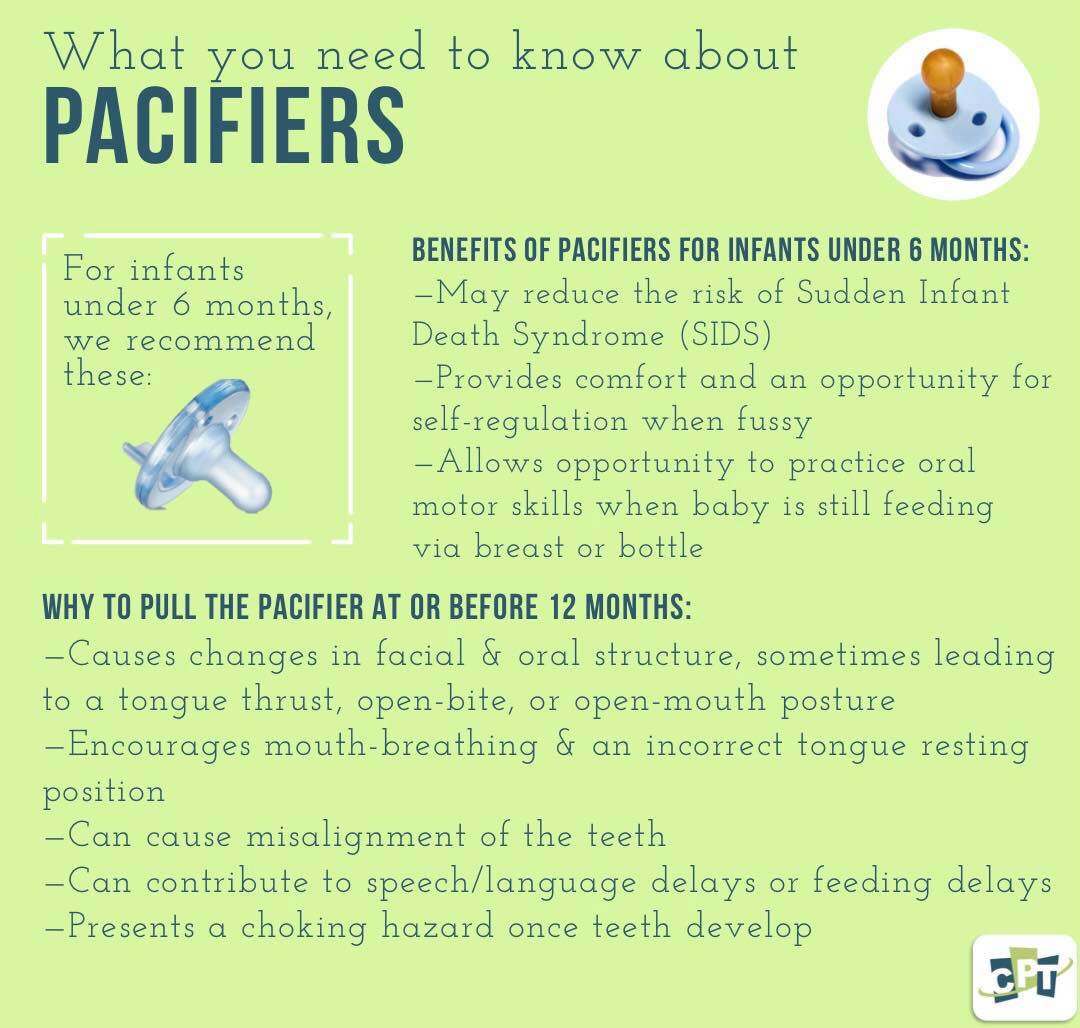
Pediatricians offer guidelines that help parents balance the benefits and drawbacks of pacifier use. The American Academy of Pediatrics suggests that pacifier use should be minimized as children grow older, particularly past the age of one. Pediatric guidelines emphasize that pacifiers can be beneficial for soothing and even reducing the risk of SIDS during infancy. However, prolonged use can lead to dental issues and potential speech delays. Parents are encouraged to gradually wean their children off pacifiers. This can be done by introducing alternatives like comfort toys or engaging in more interactive playtime. Are you ready to make a plan that aligns with these recommendations? Taking small steps can make the transition smoother for both you and your child. Understanding expert opinions and guidelines helps you make informed choices. By balancing pacifier use, you support your child’s healthy speech development.Alternative Comfort Solutions
Exploring alternative comfort solutions, parents often wonder if pacifiers delay speech. Experts suggest limited use might help. Balancing comfort and speech development is key for toddlers.
When considering alternatives to pacifiers, many parents worry about speech delays. It’s natural to want to provide comfort while also supporting your child’s speech development. Fortunately, there are various ways to soothe your child without relying on a pacifier. Let’s explore some practical solutions that can offer comfort and encourage early speech development.Non-pacifier Soothing Methods
If you’re looking for ways to soothe your baby that don’t involve a pacifier, consider the power of physical touch. Holding your baby close or gently rocking them can be incredibly calming. My neighbor swears by the effectiveness of skin-to-skin contact, saying it not only soothed her daughter but also strengthened their bond. Routines also play a significant role in comforting children. Establishing a consistent bedtime routine, like a warm bath followed by a story, can help your child feel secure and relaxed. This predictability reduces stress and can be a great alternative to pacifiers. Music can be another fantastic soothing tool. Soft lullabies or calming classical music can work wonders in calming a fussy baby. Some parents even record themselves singing or talking to their child, using it as a soothing mechanism when they’re not around.Promoting Early Speech
Encouraging early speech doesn’t have to be complicated. Start with simple interactions. Talking to your baby throughout the day helps them get accustomed to sounds and language patterns. You could describe what you’re doing, like “Now we’re putting on your socks,” to engage them with language. Reading aloud is another powerful tool. Choose books with vibrant pictures and simple words. When my brother started reading to his son at just a few months old, it became a cherished routine, sparking early interest in words and sounds. Games and songs that involve repetition can also boost speech development. Singing “The Wheels on the Bus” with accompanying actions can be both entertaining and educational. Plus, it’s a great way to interact with your child in a fun and meaningful way. Are you using enough of these speech-promoting strategies in your daily routine? Making small changes can have a big impact on your child’s comfort and language skills. Embrace these alternatives and watch as your child blossoms in a nurturing, supportive environment.Frequently Asked Questions
Can Pacifiers Cause Speech Delays?
Pacifiers may contribute to minor speech delays if used excessively. They can affect oral muscle development and speech sounds. Limiting pacifier use and encouraging speech activities can help minimize potential impacts. Consult a pediatrician for personalized advice regarding pacifier use and speech development.
At What Age Should A Pacifier Be Taken Away?
Remove the pacifier between 6 months and 1 year. Prolonged use may affect dental development. Gradual removal helps ease the transition. Consult your pediatrician for personalized advice. Early weaning minimizes future dependency and potential speech issues. Aim for a smooth and supportive process to encourage healthy habits.
What Is The Most Common Cause Of Speech Delay?
The most common cause of speech delay is hearing loss. Hearing problems affect the child’s ability to process sounds, impacting speech development. Early diagnosis and intervention can help manage these challenges effectively, promoting better communication skills. Always consult a healthcare professional for an accurate assessment and appropriate treatment options.
What Are The Side Effects Of Pacifiers?
Pacifiers may lead to dental issues, speech delays, or ear infections. Overuse can affect teeth alignment and oral development. Limit usage to reduce risks and consult a pediatrician for guidance. Regular cleaning is essential to prevent germs.
Conclusion
Deciding on pacifier use requires understanding its impact on speech. Parents should consider factors like duration and frequency of use. Experts suggest moderation is key. Limiting pacifier time can help avoid potential speech delays. Observing your child’s speech development is crucial.
Every child is unique, so experiences vary. Consult a pediatrician if concerns arise about speech progress. Ultimately, balance is essential for your child’s growth. Make informed choices for the best outcomes. Your child’s well-being is the priority. Stay attentive and proactive in their development journey.