
Have you ever wondered if a weighted blanket could be a game-changer for your child with autism? You’re not alone.
Many parents are on the hunt for simple, effective ways to help their children feel more at ease. The concept of weighted blankets is catching on quickly. These blankets promise comfort, security, and a calming effect. But do they really work for kids with autism?
Are they the soothing solution you’ve been searching for? You’ll discover the potential benefits and science behind weighted blankets. You’ll also find practical tips on how to choose the right one for your child. Keep reading to find out if a weighted blanket could be the comforting companion your child needs.
What Are Weighted Blankets?
Weighted blankets are heavy quilts that provide gentle pressure. They may help kids with autism feel calmer. This soothing effect can improve sleep and reduce anxiety.
Weighted blankets are becoming increasingly popular for their calming effects, especially among children with autism. But what exactly are weighted blankets? At their core, these are blankets filled with materials like glass beads or plastic pellets that add weight. This extra weight is designed to mimic a therapeutic technique known as deep touch pressure, which can help reduce stress and anxiety.
What Are Weighted Blankets Made Of?
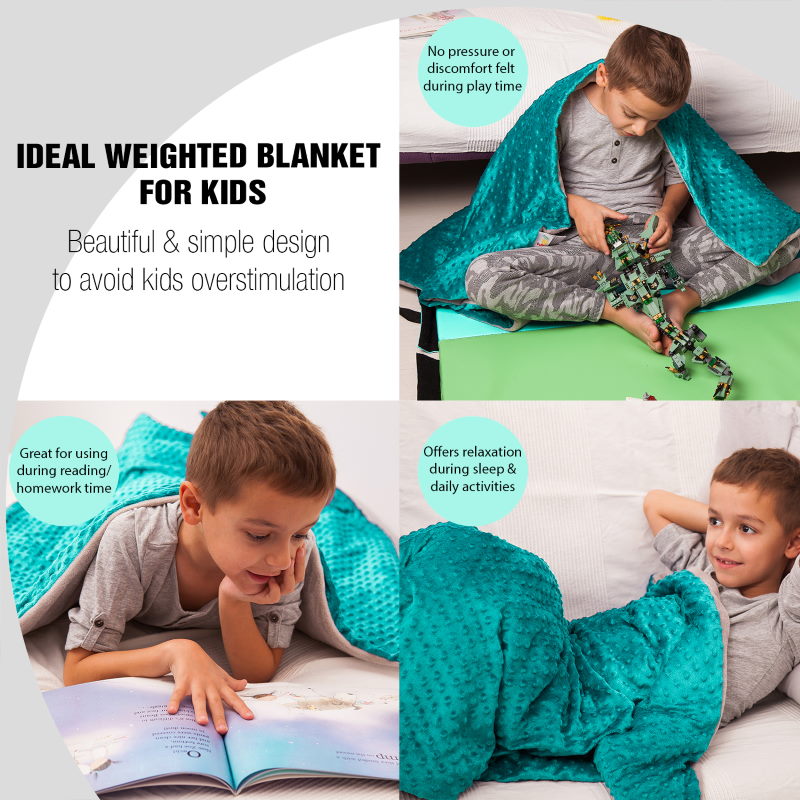
Weighted blankets come in various materials, each offering unique benefits. Commonly, these blankets are filled with glass beads or plastic pellets that provide the necessary weight. The outer fabric can vary, with options like cotton or fleece, allowing for personal preference in terms of texture and warmth.
How Do Weighted Blankets Work?
The principle behind weighted blankets is simple yet effective. They provide deep pressure stimulation, which helps calm the nervous system. This can make a child feel secure and relaxed, similar to the feeling of being hugged.
What Are The Benefits Of Weighted Blankets For Kids With Autism?
Weighted blankets can be particularly beneficial for children with autism. They may help improve focus and reduce anxiety, making daily routines smoother. Parents often notice an improvement in their child’s sleep patterns, with the child falling asleep faster and staying asleep longer.
How Heavy Should A Weighted Blanket Be?
Choosing the right weight for a blanket is crucial. A general guideline is selecting a blanket that is about 10% of the child’s body weight. However, it’s important to consider the child’s comfort and preference, as some may prefer a lighter or heavier blanket.
Are Weighted Blankets Safe For All Kids?
While weighted blankets can be beneficial, safety should always come first. It’s essential to ensure that the child can move freely and that the blanket does not pose a risk of suffocation. Consulting with a healthcare professional is advisable before introducing a weighted blanket to a child’s routine. Have you ever tried using a weighted blanket for your child? What changes did you notice? Engaging with your child’s needs and preferences can make a significant difference in their comfort and well-being.
How Weighted Blankets Work
Weighted blankets have become popular for children with autism, offering a sense of comfort and calm. But how exactly do they work? Understanding the mechanics behind these blankets can help you decide if they’re right for your child. Let’s explore the science of weighted blankets, focusing on two key concepts: deep touch pressure and sensory integration.
Deep Touch Pressure
Weighted blankets provide deep touch pressure, a gentle form of tactile stimulation. Imagine a comforting hug that envelopes your body. That’s what these blankets aim to replicate. They use evenly distributed weight to apply pressure to the skin, which can create a calming effect. This pressure can reduce anxiety and stress.
Children with autism often experience sensory overload. The steady pressure from a weighted blanket can help manage this, providing a sense of security. It’s like having a personal comfort zone wherever you go. Have you ever noticed how a tight embrace can help calm a child? Weighted blankets offer a similar soothing sensation, helping your child feel more grounded and relaxed.
Sensory Integration
Sensory integration is crucial for kids with autism. It’s about how the brain processes and responds to sensory information. Weighted blankets can support sensory integration by offering consistent feedback through touch. This helps the brain organize sensory input more effectively.
Imagine your child struggling with overwhelming stimuli. A weighted blanket can act as a buffer, helping them focus and manage their environment. Have you seen how some kids wear headphones to block noise? Weighted blankets can have a similar effect for touch, making it easier for kids to concentrate.
When choosing a weighted blanket, consider your child’s preferences and needs. Ask yourself, how do they respond to touch? This will guide you in selecting the right blanket that will offer the most comfort and support.
Benefits For Kids With Autism
Weighted blankets have become popular tools for helping kids with autism experience better daily living. These special blankets offer various benefits that can make a significant difference in the lives of these children. As you explore how weighted blankets can support your child, consider the following advantages.
Improved Sleep Quality
Sleep is crucial for every child, but especially for those with autism. Weighted blankets can help improve sleep quality by providing a comforting pressure that calms the nervous system. This gentle pressure might remind your child of a warm hug, encouraging relaxation and making it easier to fall asleep.
Parents often notice their children sleeping longer and waking up less during the night when using a weighted blanket. Imagine the relief of seeing your child wake up refreshed and ready to face the day!
Reduced Anxiety
Anxiety can be a common challenge for children with autism. Weighted blankets can help reduce anxiety by promoting a sense of security. The even distribution of weight can help your child feel grounded and less overwhelmed by external stimuli.
Think about those moments when your child seems anxious or stressed. Wouldn’t it be helpful to have a tool that offers comfort and ease during these times? A weighted blanket can be that tool.
Enhanced Focus And Attention
Maintaining focus and attention can be difficult for children with autism. Weighted blankets can support better concentration by calming the mind and body. When your child feels more relaxed, they can focus more effectively on tasks or learning activities.
Consider how a peaceful environment can enhance your child’s ability to concentrate. A weighted blanket could be a simple addition to their learning space that helps them stay attentive and engaged.
Have you ever wondered how a small change could make such a big difference in your child’s life? Weighted blankets might just be that change, offering benefits that extend beyond comfort. Could this be the solution you’ve been searching for to improve your child’s daily experience?

Credit: harkla.co
Choosing The Right Weighted Blanket
Finding the right weighted blanket can be crucial for kids with autism. The right choice can help improve sleep and provide comfort. Many factors play a role in selecting the perfect blanket. Consider the weight, material, and size for the best results.
Weight Considerations
The weight of the blanket matters a lot. Experts suggest a blanket that’s 10% of the child’s body weight. This ensures the blanket is heavy enough to provide benefits. Yet, not too heavy to cause discomfort or restrict movement.
Material And Fabric Options
Material and fabric choice can affect comfort and durability. Cotton is popular for its breathability and softness. Fleece offers warmth and a cozy feel. Some blankets use minky fabric for a plush texture. Choose a fabric that suits the child’s preferences and needs.
Size And Coverage
Size is important for proper coverage and effectiveness. The blanket should cover the child without hanging off the bed. Ensure it fits the bed size, whether it’s a twin or full. Proper size ensures even weight distribution across the body.
Safety Considerations
Weighted blankets can calm kids with autism, but safety is crucial. Ensure the blanket isn’t too heavy for them. Monitor use to prevent overheating or discomfort.
Weighted blankets can offer comfort to kids with autism. They may help in reducing anxiety and improving sleep. Safety is vital when using these blankets for children. Parents need to be aware of guidelines and monitor usage.
Age And Weight Guidelines
Weighted blankets should suit the child’s age and weight. Choose a blanket that is about 10% of the child’s body weight. This ensures safety and comfort. Avoid blankets that are too heavy. They can cause discomfort or breathing issues. Younger children need lighter blankets. Always check the manufacturer’s recommendations.
Monitoring Usage
Always supervise the child’s use of a weighted blanket. Ensure the child can remove the blanket easily. Monitor the child for signs of discomfort. Regularly check for breathing or movement issues. Encourage breaks from the blanket. This prevents overheating and discomfort.
Credit: hazlicollection.com
Parental Experiences And Testimonials
Parents share touching stories about weighted blankets helping kids with autism. These blankets often promote calm and improve sleep. Many find them useful for reducing anxiety and enhancing focus during daily activities.
When it comes to supporting children with autism, many parents are turning to weighted blankets. These blankets are designed to provide deep pressure stimulation, which can have a calming effect. But do they really make a difference? Let’s dive into real-life experiences shared by parents who have tried weighted blankets for their kids with autism.
Parental Experiences With Weighted Blankets
Parents have shared a variety of experiences, with many noting positive changes. One mother shared that her son, who often struggled with sleep, now falls asleep faster and stays asleep longer with the use of a weighted blanket. Another parent observed that their daughter, who frequently experienced anxiety, appeared more relaxed during the day after using the blanket at night. These individual stories highlight the potential benefits weighted blankets can offer.
Testimonials On Improved Sleep Patterns
A father of a 10-year-old with autism mentioned that bedtime used to be a challenge. However, after introducing a weighted blanket, his son began to look forward to bedtime. He noted a significant improvement in his son’s overall mood and energy levels the next day. This experience was echoed by another parent who found that consistent use of the blanket led to a more predictable sleep routine for their child.
Feedback On Reduced Anxiety And Sensory Overload
Weighted blankets seem to help children with autism manage anxiety and sensory overload. One parent noted that during high-stress situations, the blanket served as a comforting tool for her child. She described a scenario where her daughter, feeling overwhelmed, wrapped herself in the blanket and was able to calm down within minutes. This practical solution provided a sense of security and control for her daughter.
Are Weighted Blankets A Universal Solution?
While many parents report positive outcomes, it’s important to remember that every child is unique. Some children may not respond to weighted blankets in the same way. Have you considered trying one for your child? It might be worth experimenting to see if it could make a difference in their daily routine. Remember, what works for one child might not work for another, but the shared experiences of other parents can offer valuable insights.
Expert Opinions And Research
Many parents of children with autism wonder about the benefits of weighted blankets. These blankets are said to provide comfort and improve sleep. But do they really help kids with autism? Let’s explore expert opinions and research to find out more.
What Do Experts Say?
Experts in occupational therapy often recommend weighted blankets. They believe these blankets help reduce anxiety and stress. This effect can lead to better sleep for children with autism.
Some specialists think the deep pressure from the blanket is key. It can mimic a comforting hug, providing a sense of security.
Research On Weighted Blankets
Research on weighted blankets shows mixed results. Some studies suggest they help improve sleep quality in children with autism. They may also decrease nighttime restlessness.
Other research shows little to no improvement. It’s important to note that each child reacts differently to weighted blankets.
The Science Behind Deep Pressure Stimulation
Deep pressure stimulation is a gentle, firm pressure applied to the body. Experts believe it can calm the nervous system. This calming effect may help children with autism feel more relaxed.
Weighted blankets provide this type of stimulation. They may help reduce overstimulation and increase focus.
Considerations For Parents
Parents should consider their child’s needs before using a weighted blanket. Consulting with a healthcare professional is advisable. They can offer guidance based on the child’s specific sensory needs.
Choosing the right weight and size of the blanket is crucial for safety and effectiveness.

Credit: harkla.co
Alternative Therapies For Autism
Finding effective ways to support children with autism is a journey many parents embark on. While traditional treatments like behavioral therapy play a vital role, alternative therapies are increasingly popular. These methods offer unique avenues to help children manage symptoms and improve their daily lives. Are you exploring new ways to enhance your child’s development? Let’s dive into how occupational therapy and sensory integration techniques can be beneficial.
Occupational Therapy
Occupational therapy focuses on helping children develop skills needed for everyday tasks. It’s especially useful for kids with autism as it addresses challenges they face in daily routines. Therapists work with children to improve motor skills, social interactions, and self-care abilities.
Consider this: your child struggles with buttoning a shirt. An occupational therapist can break down this task into smaller steps, making it easier to learn. This approach builds confidence and independence. Have you noticed your child becoming frustrated with routine tasks? Occupational therapy might be the support they need.
Sensory Integration Techniques
Sensory integration techniques are designed to help children process sensory information more effectively. Kids with autism often have sensory sensitivities, making everyday experiences overwhelming. Through tailored activities, therapists help children respond more calmly to sensory stimuli.
Imagine your child avoiding crowded places due to noise sensitivity. Sensory integration techniques can teach them to manage their reactions to loud environments. Activities may include swinging, jumping, or deep pressure exercises. These techniques can be a game-changer in improving your child’s comfort in various settings.
Have you ever tried a sensory-friendly activity at home? Incorporating sensory integration techniques into daily life can make a noticeable difference.
Exploring alternative therapies can open doors to new opportunities for your child. Why not give these approaches a try and see the positive impact they can have? Your child’s journey to mastering new skills could start here.
Frequently Asked Questions
Does A Weighted Blanket Help With Autism?
Weighted blankets can help individuals with autism by providing calming pressure. This may reduce anxiety and improve sleep quality. Always consult a healthcare professional before use to ensure it’s suitable for the individual’s needs.
What Helps Autistic Children?
Therapies like Applied Behavior Analysis and speech therapy help autistic children. Visual supports and structured routines aid development. Social skills training and occupational therapy improve social and motor skills. Early intervention and personalized education plans are crucial. Sensory-friendly environments also support their well-being and learning.
How Heavy Should A Weighted Blanket Be For Autism?
Choose a weighted blanket that is 10% of the user’s body weight. This helps provide comfort for autism. Ensure it is breathable and safe for daily use. Consult a healthcare professional for personalized recommendations.
How To Help A Child With High Functioning Autism?
Support a child with high functioning autism by establishing routines and providing clear instructions. Encourage social interactions through structured activities. Use visual aids to enhance understanding. Celebrate their strengths and achievements to boost confidence. Collaborate with professionals for tailored support and interventions.
Conclusion
Weighted blankets can offer comfort to kids with autism. They provide deep pressure, which might calm anxiety. This gentle pressure mimics a hug. It can help children feel safe and secure. Parents have reported better sleep for their kids. Improved sleep can lead to better moods and focus.
But not all children may respond the same. It’s important to observe your child’s reaction. Consult a healthcare professional if unsure. Weighted blankets can be a helpful tool. Consider it one part of a broader autism support plan.