
Imagine watching your child struggle to communicate, knowing that something might be holding them back. You want answers, solutions, and reassurance that things can get better.
If your child has been grappling with chronic ear infections, you might wonder if there’s a connection to their speech delay. You’re not alone in this concern. Many parents face similar worries and seek clarity on how these persistent ear issues might impact their child’s ability to speak.
We’ll explore the potential link between chronic ear infections and speech delay, offering you insights and solutions that could make a real difference. Understanding this connection might be the key to unlocking your child’s potential, helping them find their voice and express themselves fully. Dive in to discover how you can support your child on their journey to clearer communication.
Credit: www.northstarslpc.com
Chronic Ear Infections Explained
Chronic ear infections may lead to speech delay in children. They often cause hearing difficulties, impacting language development. Regular check-ups can help identify issues early.
Chronic ear infections are more than just a recurring annoyance; they can significantly impact a child’s development. Many parents wonder if these persistent infections are linked to speech delays. Understanding the causes, symptoms, and risk factors is crucial in addressing this concern and ensuring your child receives the necessary help.
Causes And Symptoms
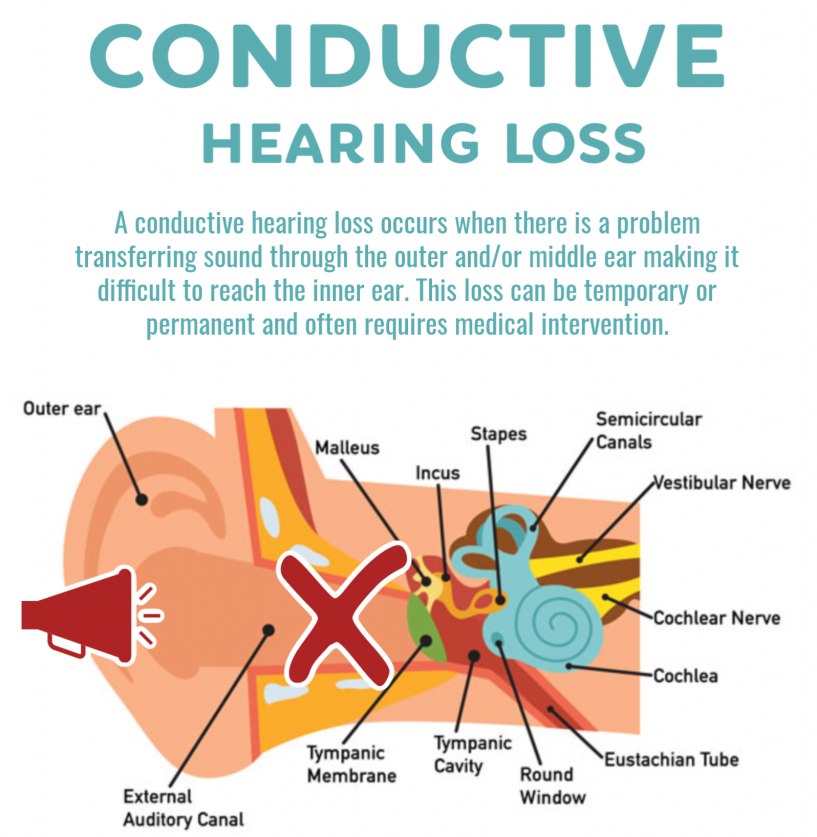
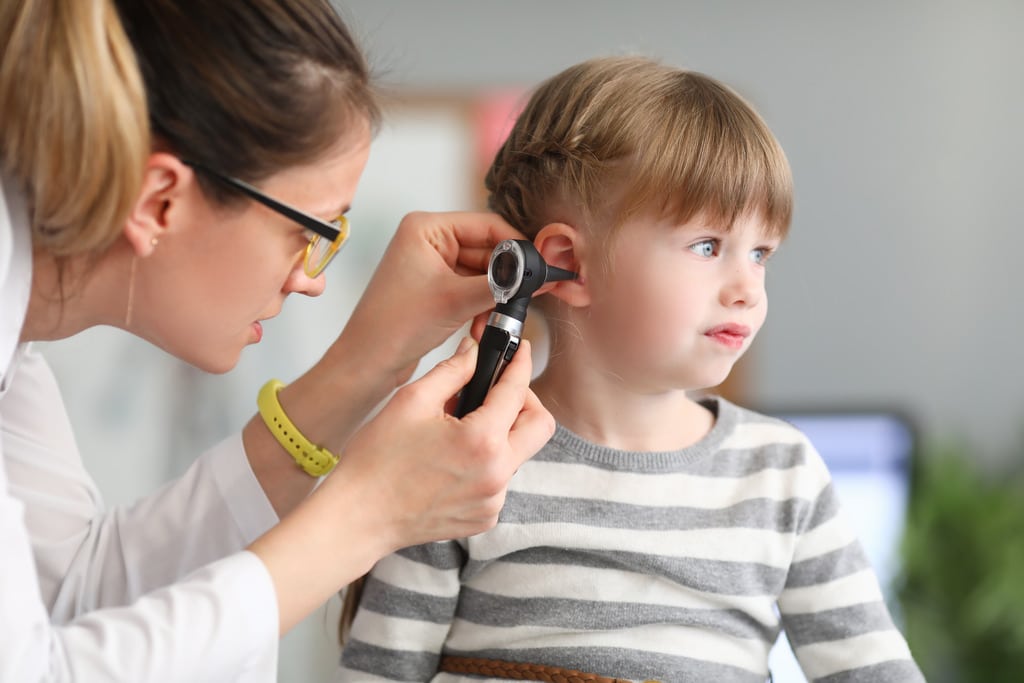
Chronic ear infections, also known as otitis media, occur when fluid builds up behind the eardrum and becomes infected. This can happen due to bacteria or viruses. Symptoms often include ear pain, irritability, and trouble sleeping. Your child might also tug at their ear, and you may notice fluid draining from their ear. Hearing loss is another common symptom, leading to difficulties in speech and language development. If you observe these symptoms frequently, it’s essential to consult a pediatrician.
Common Risk Factors
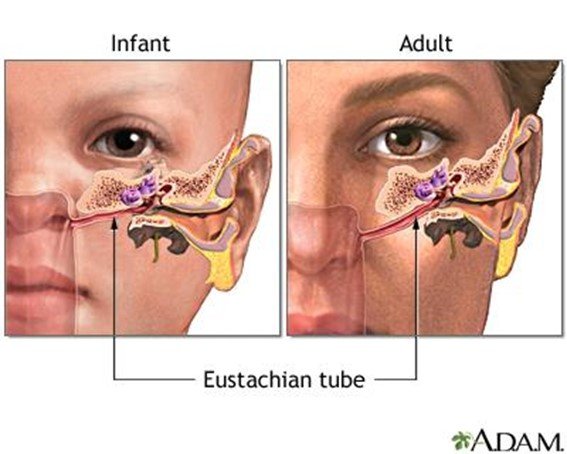
Certain factors increase the likelihood of chronic ear infections. Children under the age of three are particularly susceptible, as their immune systems are still developing. Also, the structure of their Eustachian tubes—shorter and more horizontal—makes it easier for infections to occur. Environmental factors play a significant role too. Exposure to tobacco smoke or a history of allergies can elevate risk levels. Attending daycare or having siblings with ear infections can also contribute. Being aware of these risk factors helps in taking preventive measures. Could your child’s frequent ear infections be more than a temporary issue? Consider how these risk factors apply to your situation. Taking proactive steps can make a difference in your child’s speech and language development.
Credit: www.northstarslpc.com
Impact On Hearing
Chronic ear infections can greatly impact a child’s hearing. This can lead to difficulties in speech development. Hearing is crucial for learning and understanding language. When a child experiences hearing loss, speech delays can occur. Let’s explore how hearing is affected by chronic ear infections.
How Hearing Is Affected
Ear infections cause fluid buildup behind the eardrum. This fluid blocks sound waves. The child hears muffled sounds. This makes understanding words challenging. Over time, repeated infections can damage the ear. This damage affects how sound travels to the brain.
Temporary Vs Permanent Hearing Loss
Temporary hearing loss occurs when fluid remains in the ear. It usually improves after treatment. But, frequent infections can lead to permanent damage. Permanent hearing loss happens if the ear’s structure is harmed. Early treatment helps prevent lasting damage. Monitoring ear health is crucial for speech development.
Speech Development Basics
Understanding speech development basics is crucial for parents and caregivers. Early speech development lays the foundation for effective communication. Children learn to express themselves and interact with others. Speech development begins at birth and evolves as a child grows. It involves listening, understanding, and producing sounds. Each step is essential for reaching communication milestones.
Milestones In Early Childhood
Babies start with cooing and babbling. These sounds are the first signs of speech development. By six months, they respond to their name and recognize sounds. Around one year, toddlers say their first words. Simple words like “mama” or “dada” are common. By age two, children string words into short sentences. “More juice” or “want toy” are examples. These milestones reflect a child’s growing ability to communicate.
Importance Of Auditory Input
Listening is key to speech development. Children learn language by hearing sounds and words. Auditory input helps them understand and mimic speech. Hearing words frequently boosts vocabulary growth. Conversations with caregivers enhance language skills. Background noise can interfere with this process. Clear and consistent sounds are vital for learning speech patterns.
Link Between Ear Infections And Speech Delay
Chronic ear infections can affect hearing, impacting speech development in children. Frequent infections might lead to speech delay. Early treatment helps improve language skills and prevent delays.
Chronic ear infections can affect a child’s speech development. When children experience frequent ear infections, they may struggle to hear sounds clearly. This can lead to difficulties in learning to speak. The ear plays a critical role in how children perceive and produce speech sounds. If an infection disrupts this process, speech delays may occur. Understanding this link is crucial for early intervention.
Scientific Studies And Findings
Research shows a strong connection between ear infections and speech delays. Scientists have conducted studies to explore this link. A study observed children with frequent ear infections. They found these children had a higher risk of speech delays. Another study highlighted the impact on language skills. Children with ear infections often had poorer vocabulary development. These findings underline the importance of addressing ear health.
Real-life Cases
Real-life stories highlight the impact of ear infections on speech. Parents often notice their child’s speech is not developing as expected. Some children struggle with pronouncing words correctly. Others may not start speaking on time. These cases emphasize the need for medical evaluation. Early treatment can help prevent long-term speech issues. Parents play a vital role in monitoring their child’s progress. Awareness can lead to timely interventions and better outcomes. “`
Signs Of Speech Delay
Understanding the signs of speech delay is crucial for parents concerned about their child’s communication development. Chronic ear infections can sometimes contribute to speech delays, making it essential to recognize early warning signs. Identifying these signs can help you take timely action to support your child’s growth.
Indicators In Toddlers
Toddlers are like little sponges, soaking up language from their surroundings. If your child struggles to form simple words or sentences by age two, it might indicate a speech delay. Pay attention to their ability to follow simple instructions, as well. Difficulty in responding could be a sign.
Observe their interactions with peers. Are they hesitant to join in play or communicate with others? Lack of social engagement can be another indicator. If your toddler doesn’t seem to recognize familiar sounds or voices, it may be worth discussing with a pediatrician.
When To Seek Professional Help
If you find yourself constantly worried about your child’s speech progress, consider consulting a speech-language pathologist. These professionals can assess your child’s needs and provide tailored strategies to encourage speech development.
Hearing issues from chronic ear infections can exacerbate speech delays. Addressing these health concerns with an ENT specialist might help alleviate the problem. Seek help if you notice that your child is frustrated or upset when trying to communicate.
Think about how empowering it would be for your child to express themselves freely. Early intervention could be the key to unlocking that potential. Wouldn’t you want to give them the best chance to thrive?
Managing Chronic Ear Infections
Chronic ear infections might impact speech development in children. These infections can lead to hearing difficulties. Hearing problems may delay language acquisition and speech clarity. Early intervention is crucial to manage infections and support communication skills. Regular check-ups can help in preventing speech delays associated with persistent ear issues.
Managing chronic ear infections in children is crucial, especially if you’re worried about potential speech delays. Chronic ear infections can be more than just a passing ailment; they can significantly impact a child’s ability to develop speech and language skills. Addressing these infections early can lead to better outcomes for your child’s hearing and communication abilities.
Medical Treatments
Medical treatments are often the first line of defense against chronic ear infections. Your child’s doctor might prescribe antibiotics to clear any bacterial infection. However, repeated use of antibiotics can lead to resistance, so it’s essential to follow the prescription carefully. In some cases, doctors may recommend surgical options, like inserting ear tubes. These small tubes help drain fluid and reduce the risk of future infections. While surgery sounds daunting, many parents find it brings their child significant relief and improved hearing.
Preventive Measures
Prevention plays a vital role in managing ear infections. Keeping your child’s ears dry and clean can significantly reduce infection risks. Consider using earplugs during baths or swimming sessions. Maintaining a smoke-free environment is another effective measure. Secondhand smoke can irritate the ear passages and increase the likelihood of infections. A healthy diet and regular check-ups with the pediatrician can also help keep those infections at bay. Have you considered monitoring your child’s exposure to other sick children? This simple action can prevent the spread of infections that might lead to ear problems. Your proactive measures can make a big difference in your child’s health and development.
Supporting Speech Development
Chronic ear infections might lead to speech delays in children. These infections can affect hearing, impacting language learning. Early detection and treatment are crucial for supporting speech development.
Supporting your child’s speech development can be a journey filled with both challenges and triumphs. Chronic ear infections may lead to speech delays, but with the right support, your child can overcome these hurdles. Understanding the role of speech therapy and how you, as a parent, can get involved is crucial.
Role Of Speech Therapy
Speech therapy can be a game changer for children facing speech delays. A speech therapist will create a personalized plan that targets your child’s specific needs. This might include exercises to improve articulation, expand vocabulary, or practice conversational skills. Sessions are often interactive and fun, making it easier for your child to engage. Therapists use games and activities that hold a child’s attention while developing their speech. This structured support can help bridge the gap caused by chronic ear infections.
Parental Involvement
Your involvement is vital in supporting your child’s speech development. Engage in activities that promote language, such as reading books together or playing word games. These interactions can significantly boost your child’s communication skills. Set aside time each day to talk with your child. Encourage them to express their thoughts and feelings. This practice helps them learn new words and understand how to use them in different contexts. Consider collaborating with your child’s speech therapist. They can provide strategies and tips for reinforcing lessons at home. Your active participation can accelerate your child’s progress. Have you ever noticed how much your child learns just by watching and listening to you? By being an active participant in their speech journey, you can provide the additional support they need to succeed.
Future Research Directions
Exploring the link between chronic ear infections and speech delay opens new research paths. Understanding how these infections impact speech development can help identify effective interventions. This research holds potential for improving outcomes in affected children.
Future research on chronic ear infections and speech delay opens many doors. New studies can lead to better understanding and treatments. Researchers aim to find links between ear issues and speech problems. The goal is to improve life quality for children.
Potential Areas Of Study
Examining the impact of ear infections on brain development is crucial. Researchers can study how infections affect language centers in the brain. This could reveal new insights into speech delays. Another area to explore is genetic factors. Understanding if some children are more prone to infections can help. This can lead to early interventions.
Innovative Approaches
Advanced technology offers new ways to study ear infections. Researchers can use imaging tools to observe ear structures. These tools can provide real-time data. This helps in understanding the infection’s progression. Digital health tools can also track ear health over time. Apps and sensors can monitor symptoms and provide valuable data. These approaches can lead to personalized treatment plans.
Credit: www.raleighcapitolent.com
Frequently Asked Questions
Can Recurrent Ear Infections Cause Speech Delay?
Recurrent ear infections can lead to speech delay. They often cause hearing problems, impacting language development in children. Early treatment and monitoring can help prevent such delays, ensuring better communication skills. Parents should consult a healthcare professional if frequent ear infections occur in their child.
Can An Ear Infection Affect Your Speech?
Yes, an ear infection can impact speech development, especially in children. Hearing difficulties may hinder speech clarity and learning. Early treatment and intervention can help minimize speech issues related to ear infections. Consult a healthcare professional if you suspect an ear infection is affecting speech.
Can Ear Tubes Help Speech Delay?
Ear tubes can improve hearing, which may help some children with speech delay. They reduce ear infections and fluid buildup. Enhanced hearing might aid in better speech development. Consult a healthcare professional for personalized advice on ear tubes and speech delay concerns.
Can An Ear Infection Change A Child’s Behavior?
Yes, an ear infection can alter a child’s behavior. Symptoms include irritability, crying, sleep disturbances, and reduced appetite. These changes are due to discomfort and pain. Prompt medical attention can help manage symptoms and improve behavior. Parents should consult a pediatrician for proper diagnosis and treatment.
Conclusion
Chronic ear infections may affect speech development in children. This connection highlights the importance of early detection and treatment. Parents should monitor ear health and seek advice if they notice speech delays. Regular check-ups with pediatricians can help prevent complications.
A healthy hearing environment is crucial for speech development. Simple measures make a big difference. Encourage your child to communicate and express themselves. Early intervention supports better speech outcomes. Prioritize ear health for your child’s future. Your vigilance can lead to significant improvements in your child’s speech journey.