Imagine being able to channel all your restless energy into something simple and soothing. If you or someone you love has ADHD, you know how challenging it can be to stay focused and calm.
You might have tried various strategies, but have you ever considered fidget toys? These small gadgets have captured the attention of many for their potential to assist with concentration and anxiety relief. But do they really work for ADHD? We’ll explore how fidget toys might be just the tool you need to help manage symptoms and improve daily life.
Dive in to discover whether these trendy toys could be the key to unlocking a more focused and peaceful day.

Credit: ot4adhd.com
Adhd And Its Challenges
ADHD, Attention Deficit Hyperactivity Disorder, affects millions worldwide. It impacts focus, behavior, and emotional regulation. Those with ADHD face unique challenges daily. Understanding these challenges is crucial for providing support.
Common Symptoms
ADHD symptoms vary greatly among individuals. Inattention is a primary symptom. Many struggle with staying focused on tasks. Hyperactivity is another common symptom. Constant movement or talking can be observed. Impulsivity often accompanies ADHD. Acting without thinking is frequent.
Impact On Daily Life
ADHD can disrupt daily routines. Difficulty in completing tasks is common. School performance may suffer. Maintaining relationships can be challenging. Social interactions often become complex. Adults with ADHD may face work-related issues. Managing time efficiently can be difficult.
What Are Fidget Toys?
Fidget toys offer a tactile experience that aids in focus. They may help manage ADHD symptoms by providing sensory input. Users often find them calming and effective for maintaining attention during tasks.
Fidget toys have become popular tools for individuals with ADHD. But what exactly are these intriguing gadgets? You might have seen them in classrooms, offices, or even in your friend’s hands. They are small objects designed to be fiddled with, helping to channel nervous energy and improve focus. But do they really help? Let’s dive in to find out more.
Types Of Fidget Toys
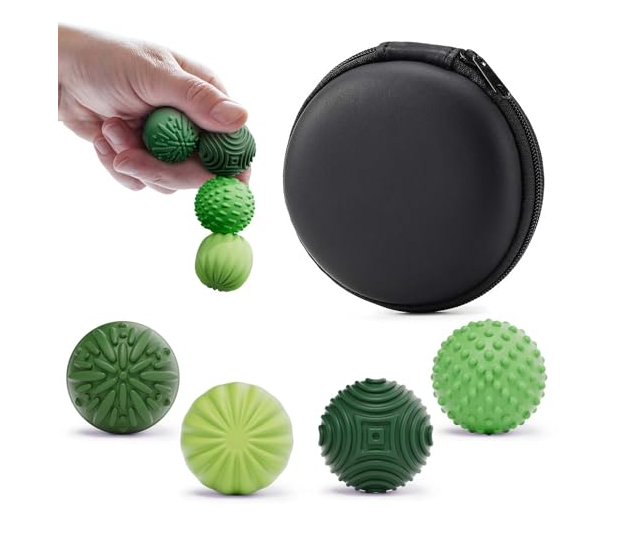
Fidget toys come in many shapes and sizes, catering to different preferences. There’s the classic fidget spinner that you can spin between your fingers, offering a mesmerizing motion. Then there’s the stress ball, which you can squeeze to relieve tension. Don’t forget about fidget cubes, which feature buttons, switches, and dials. Each type serves a unique purpose, providing sensory input that can help maintain attention.
Popularity Among Users
Why have these toys gained such traction among users, especially those with ADHD? Many find them effective in reducing anxiety and improving concentration. You might even notice a child more focused on their homework while quietly spinning a fidget spinner. Adults report using them during long meetings to keep their hands busy and their minds sharp. Have you tried one yet? It might be worth exploring if you’re looking for a simple way to enhance your productivity. Fidget toys are more than just a passing trend; they offer real benefits for individuals seeking ways to manage ADHD symptoms. Have you ever thought about how a small gadget could make such a difference in your daily life? It’s fascinating how such simple tools can lead to noticeable improvements in focus and calmness.
Fidget Toys And Adhd
Fidget toys have gained popularity among people with ADHD. They offer a simple way to manage symptoms. These toys provide a tactile experience that helps focus and calm. Many wonder if these toys truly aid in managing ADHD symptoms. Let’s explore how they work and what science says.
How They Work
Fidget toys are small and handheld. They offer repetitive movements or textures. These elements help keep the mind engaged. People with ADHD often face challenges with attention. Fidget toys provide a physical outlet. They help redirect energy and improve concentration. This tactile stimulation keeps hands busy. It allows the mind to focus better on tasks.
Scientific Studies
Research on fidget toys and ADHD is emerging. Some studies suggest positive effects. Fidgeting can help improve attention and reduce stress. Certain toys may support cognitive performance. However, evidence is still limited. More studies are needed to confirm these benefits. Scientists are examining how these toys aid ADHD management. Current findings are promising and encourage further exploration.
Benefits Of Fidget Toys
Fidget toys have gained popularity for their potential benefits. Many find them helpful, especially those with ADHD. These toys offer more than just fun. They can improve focus, reduce stress, and enhance motor skills.
Improved Focus And Concentration
Fidget toys can aid in maintaining attention. They provide a physical outlet for excess energy. This helps in keeping the mind engaged. Many people with ADHD find it hard to concentrate. Fidgeting can redirect restless energy. This makes it easier to stay focused on tasks.
Stress And Anxiety Reduction
Stress can be overwhelming for many. Fidget toys can offer relief. They provide a simple distraction. This can lower anxiety levels. The repetitive motion of fidgeting can be soothing. It allows the mind to relax. For those with ADHD, this can be especially beneficial.
Enhanced Motor Skills
Fidget toys can improve fine motor skills. They involve hand movements and coordination. This practice can strengthen hand muscles. It also enhances dexterity and precision. For children and adults with ADHD, this is helpful. It provides a productive way to channel physical energy.
Choosing The Right Fidget Toy
Choosing the right fidget toy is crucial for managing ADHD symptoms. These toys can help improve focus and reduce anxiety. They offer a tactile way to channel excess energy and improve concentration. Selecting the right one can make a big difference.
Factors To Consider
Consider the age and preferences of the user. Some toys are more suitable for older kids. Others fit well with younger children. Look at the size and portability. This helps if the toy is for school use. Durability is essential for frequent use. Ensure the toy is made of safe materials. Check for certifications if possible. Noise level matters for classroom settings. Quiet toys are often preferred. Consider the sensory feedback needed. Some toys provide visual stimulation. Others focus on tactile sensations. Choose based on the child’s specific needs.
Popular Options For Adhd
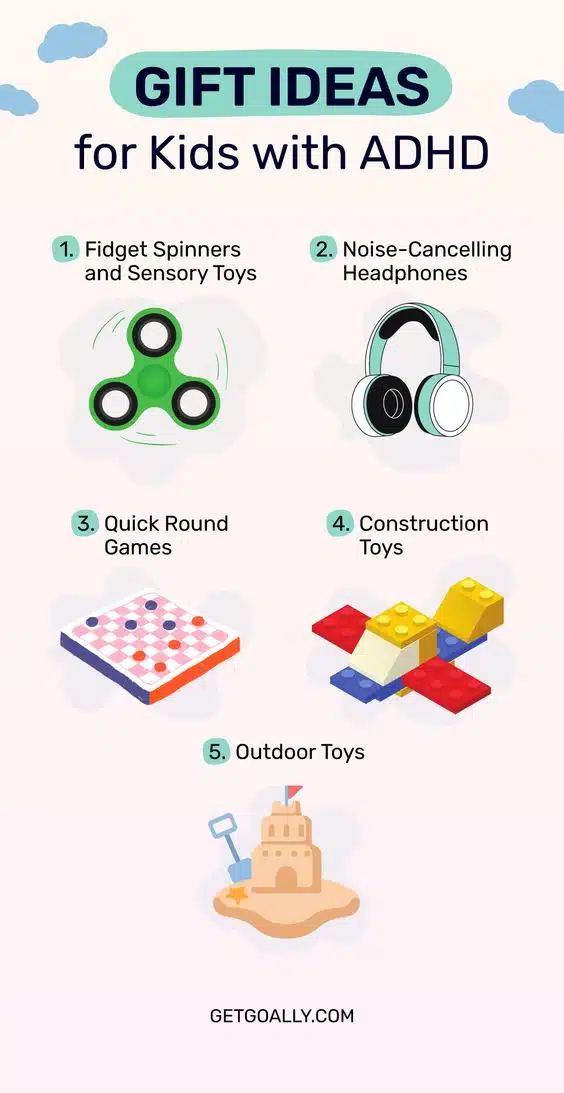
Spinners are a classic choice. They offer simple yet effective movement. Stress balls provide tactile feedback. They are great for squeezing and releasing tension. Putty or clay can be molded. This offers both tactile and creative engagement. Fidget cubes provide various activities. They have buttons, switches, and dials. These cubes offer multiple sensory experiences. Chewable necklaces or bracelets are available. They are perfect for oral stimulation. Tangle toys are another option. They can be twisted and untangled repeatedly. Each toy has its unique benefits. Choose one that best suits the child’s needs.

Credit: www.pinterest.com
Criticisms And Limitations
Fidget toys may offer temporary relief for ADHD symptoms, but they are not a cure. Some experts question their effectiveness, arguing they might distract rather than help focus. Users often experience varying results, highlighting their limitations in addressing complex ADHD needs.
Fidget toys have gained popularity as tools for managing ADHD. Yet, they face criticisms. Some argue that these toys might not suit everyone with ADHD. They may not address all symptoms. While some see benefits, others express concerns. These concerns highlight potential drawbacks and limitations.
Potential Distractions
Fidget toys may distract some children. Instead of aiding focus, they can divert attention. The toys might cause disruptions in classrooms. Teachers often find them challenging to manage. Not all students benefit from these toys. Some may use them as playthings. This shifts their focus away from tasks.
Lack Of Long-term Research
Research on fidget toys is limited. Few studies explore their long-term effects. Most studies focus on short-term use. This lack of data raises questions. Can these toys help over time? Or are their benefits temporary? Experts call for more comprehensive studies. Without them, conclusions remain uncertain. Parents and educators seek more information. They want data to support decision-making. “`
Personal Experiences
Fidget toys have gained popularity among people with ADHD. Many believe these toys offer relief. Personal stories often highlight their impact. Real experiences make the case stronger than any study.
Testimonials From Users
Anna, a college student, shares her story. She uses fidget spinners during lectures. They help her focus and reduce anxiety. Anna finds that simple movements keep her engaged. They prevent her mind from wandering.
Mark, a father of a young boy with ADHD, praises fidget cubes. His son uses them during homework time. The cubes keep his hands busy. Mark notices fewer distractions and improved concentration.
Expert Opinions
Dr. Emily White, a child psychologist, supports fidget toys. She believes they provide sensory input. This input can aid concentration in children with ADHD. Dr. White recommends them as part of a broader strategy.
Occupational therapist John Davis agrees. He notes that fidget toys offer tactile stimulation. This can be calming for children. John advises using them alongside other therapeutic methods.
Credit: getgoally.com
Fidget Toys In Educational Settings
Fidget toys have gained popularity as a tool to help individuals with ADHD focus and calm their minds. Their use in educational settings is particularly intriguing, as more teachers and schools recognize their potential benefits. But how do these small gadgets fit into the hustle and bustle of a classroom environment? Let’s explore the viewpoints of educators and the methods of integrating fidget toys effectively.
Teachers’ Perspectives
Many teachers view fidget toys as a helpful aid rather than a distraction. They observe how these toys can channel excess energy and help students concentrate better.
Consider Mrs. Garcia, a third-grade teacher who noticed her students becoming more attentive when allowed to use fidget toys during lessons. She shares that these toys offer a subtle way for students to manage their restlessness without disrupting the class.
Have you ever wondered if a small change could transform the learning environment? Some teachers believe that fidget toys are that change, encouraging focus and participation without taking away from educational goals.
Classroom Integration
Integrating fidget toys in the classroom requires thoughtful planning. It’s not just about handing out toys; it’s about using them strategically.
Teachers often set clear rules regarding the use of fidget toys. Some prefer to allocate them during specific activities, like reading time, to help maintain a quiet atmosphere. Others might assign them to students who benefit the most from their use.
- Define when and how fidget toys can be used.
- Monitor their impact on individual students.
- Encourage students to self-regulate their use.
Imagine a classroom where students manage their attention and energy effectively. Fidget toys can be part of this dynamic learning environment, but their success depends on thoughtful integration and ongoing assessment.
What methods have you seen or implemented that make fidget toys a positive addition? Sharing experiences can lead to new ideas and solutions for using these tools effectively.
Frequently Asked Questions
Do Fidget Toys Actually Help Adhd?
Fidget toys can help some individuals with ADHD by improving focus and reducing anxiety. They provide a physical outlet, which may enhance concentration. However, effectiveness varies per person. Always consider professional advice for ADHD management.
What Toys Calm Down Adhd?
Fidget spinners, stress balls, and kinetic sand can help calm ADHD symptoms. Weighted blankets and chewable jewelry also provide sensory input. Interactive puzzles and building blocks engage focus. These toys promote relaxation and concentration, aiding in self-regulation for children with ADHD.
Why Do People With Adhd Like Sensory Toys?
People with ADHD enjoy sensory toys because they provide calming effects and help improve focus and concentration. These toys offer tactile stimulation, reducing stress and anxiety. Engaging with sensory toys can also enhance fine motor skills and promote relaxation, making them popular among individuals with ADHD.
Do Fidget Rings Help With Adhd?
Fidget rings can help individuals with ADHD by providing sensory stimulation and improving focus. They offer a discreet way to manage restlessness and anxiety. Using fidget rings might enhance concentration during tasks and reduce stress. Always consult a healthcare professional for personalized advice related to ADHD management.
Conclusion
Fidget toys can aid focus in ADHD individuals. They offer sensory feedback. This feedback helps in concentration. Many find them calming and helpful. Not everyone benefits equally, though. Each person with ADHD is unique. Experimenting with different toys might help.
It’s essential to find what works best. Fidget toys are not a cure. They can support other treatments effectively. Always consult professionals for ADHD management. Consider fidget toys as a complementary tool. Balance is key in managing ADHD effectively.