You might have noticed colorful spinners or squishy toys popping up everywhere these days. But did you know these fidget toys might do more than just entertain?
If you or someone you care about is navigating the world of autism, you’ve likely heard about the potential benefits of fidget toys. Could these simple gadgets really make a difference? As you delve into this article, prepare to uncover how these intriguing tools might just be the key to enhancing focus, reducing anxiety, and providing comfort for those on the autism spectrum.
Whether you’re a parent, teacher, or someone curious about autism support, this exploration promises insights that could change the way you view these playful objects. Stick with us, and let’s discover if fidget toys might hold the secret to unlocking a calmer, more focused experience for those with autism.
The Science Behind Fidget Toys
Understanding why fidget toys can help is crucial for autism support. These toys are more than just fun gadgets. They can aid in sensory processing, a key area of focus for many individuals with autism.
Sensory Processing And Autism
Sensory processing involves how the brain interprets signals from the senses. Some individuals with autism face challenges in this area. Sounds, sights, and textures can overwhelm or confuse. Fidget toys help by providing controlled sensory input. They offer a manageable way to interact with the environment. This can reduce anxiety and improve focus.
How Fidget Toys Work
Fidget toys are designed to engage the senses. They may include textures, movements, or sounds that captivate attention. This sensory engagement can calm the mind. It creates a sense of control and predictability. Using these toys can ease stress and improve concentration. They become a tool for better sensory integration.
Types Of Fidget Toys
Fidget toys have become increasingly popular for helping individuals with autism manage stress and improve focus. They come in various types, each designed to cater to different sensory needs. By understanding the different types of fidget toys, you can find the perfect match for you or your loved one’s unique requirements.
Spinners And Cubes
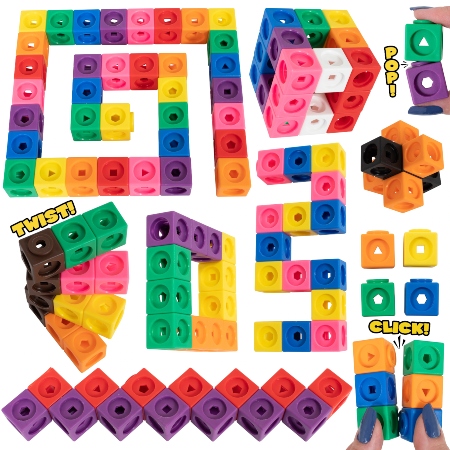
Spinners and cubes are among the most well-known fidget toys. They offer simple yet effective ways to channel energy and focus. Spinners can be rotated between fingers, providing a calming effect. Cubes usually feature buttons, dials, and switches, offering tactile stimulation. These toys are great for keeping restless hands busy during quiet times.
Putty And Stress Balls
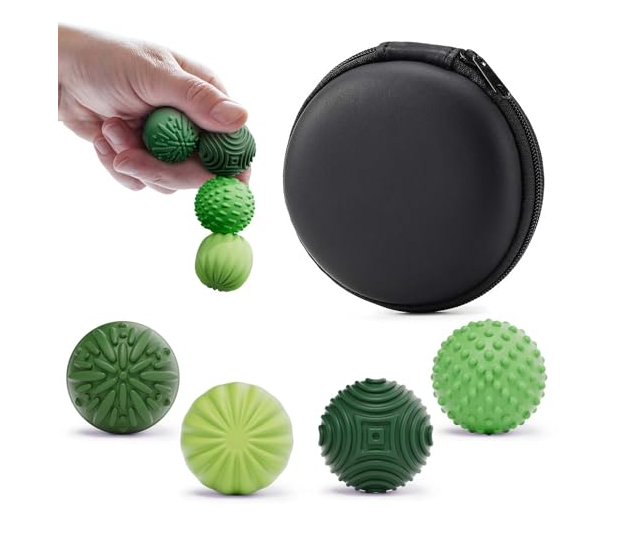
Putty and stress balls are perfect for those who enjoy squeezing and molding objects. Stress balls come in various textures and sizes, offering options for different grip strengths. Putty can be stretched and shaped, which can be soothing and encourage creativity. These toys can help reduce anxiety and improve concentration by providing a tactile outlet.
Beads And Chews
Beads and chews are ideal for individuals who need oral sensory input. Chewable necklaces or bracelets come in various textures, offering a safe way to satisfy chewing needs. Beads can be threaded and manipulated, which helps improve fine motor skills. These toys not only provide sensory satisfaction but can also be a stylish accessory.
Finding the right fidget toy can be a game-changer. Consider what sensory input you or your loved one benefit from most. Is it the smooth rotation of a spinner, the tactile feedback from a stress ball, or the oral satisfaction of a chew necklace? The right choice can make all the difference in enhancing focus and reducing stress.
Benefits For Individuals With Autism
Fidget toys offer a unique way to aid individuals with autism. These toys provide essential benefits that cater to specific needs. From enhancing focus to reducing stress, they play a crucial role. Let’s explore how fidget toys support those with autism.
Enhancing Focus And Attention
Fidget toys help maintain focus during tasks. They offer a tactile experience that keeps the hands busy. This activity allows the mind to concentrate better. Many individuals find improved attention during activities. The constant motion of fidget toys aids concentration. This feature is particularly helpful in learning environments.
Reducing Anxiety And Stress
Stress and anxiety are common in autism. Fidget toys provide a calming effect. Their repetitive motion can soothe the mind. They offer a non-verbal way to release tension. Holding and manipulating these toys reduces stress levels. Many users report feeling more relaxed after use.
Encouraging Sensory Exploration
Autism often involves sensory sensitivity. Fidget toys come in various textures and shapes. These toys offer safe ways to explore different sensations. They help in understanding and managing sensory inputs. Users can engage with different sensory experiences. This exploration can improve sensory processing skills.

Credit: brightautism.org
Choosing The Right Fidget Toy
Fidget toys can be a great tool for individuals with autism. They help to manage sensory needs and improve focus. Selecting the right fidget toy is crucial for effectiveness. Factors like age, material safety, and personal preferences play a significant role.
Age And Developmental Needs
Consider the age and developmental stage of the user. Younger children might prefer simple designs. Older individuals may need more complex toys. Choose toys that match their motor skills and cognitive abilities.
Material And Safety Considerations
Safety is a top priority. Check the materials used in the toy. Avoid toys with small parts for young children. Non-toxic, durable materials are best. They ensure the toy is safe for frequent use.
Personal Preferences And Sensory Needs
Every individual has unique preferences. Some prefer toys with soft textures. Others might enjoy toys that make noise. Consider the sensory needs of the user. Choose a toy that provides the right sensory input.
Incorporating Fidget Toys In Daily Life
Incorporating fidget toys into daily life can benefit children with autism. These toys offer a tactile experience that helps manage sensory overload. They provide a calming effect, allowing children to focus better. Integrating them into different environments can enhance their effectiveness.
Home And School Environments
At home, fidget toys can be part of a daily routine. Place them in common areas where children spend time. In school, they can be available during lessons. Teachers can use them to support concentration. These toys help create a calm learning atmosphere.
Therapeutic Settings
Therapists use fidget toys to engage children during sessions. They can help break the ice and build rapport. Fidget toys encourage interaction and communication. They offer a non-verbal way to express feelings. Therapists can use them to teach coping strategies.
Social Situations
In social settings, fidget toys can ease anxiety. They provide a safe outlet for nervous energy. Children can use them to feel more comfortable around peers. Fidget toys help reduce stress and improve social interactions. They can be a conversation starter with friends.

Credit: www.amazon.com
Expert Opinions And Research
Research suggests fidget toys may help children with autism focus better. Experts believe these toys can reduce stress. They provide sensory stimulation, which is often beneficial for managing anxiety and improving attention.
Fidget toys have become a popular tool for individuals with autism, but what do experts say about their effectiveness? Research and professional opinions provide fascinating insights into how these seemingly simple toys can impact the lives of those on the autism spectrum. Let’s delve into the studies and testimonials that shed light on this topic.
Studies On Fidget Toys And Autism
Several studies have explored the connection between fidget toys and autism, revealing intriguing findings. Researchers have found that fidget toys can help improve focus and reduce anxiety in children with autism. A study by the University of California observed that children who used fidget toys during tasks showed increased attention spans. Another study published in the Journal of Autism and Developmental Disorders highlighted that fidget toys could serve as a calming mechanism. The research noted that the tactile and repetitive nature of these toys can be soothing, helping to manage stress and sensory overload.
Testimonials From Therapists And Educators
Therapists and educators who work with autistic children often witness the benefits of fidget toys firsthand. Jane, a seasoned occupational therapist, shares that fidget toys are invaluable in her practice. She recalls a student who struggled with classroom tasks until given a simple fidget spinner. The toy allowed the child to channel restless energy, resulting in better task completion. Educators also echo these sentiments. A teacher from a special needs school explained how introducing fidget toys into her classroom transformed the learning environment. Students became more engaged and less disruptive, illustrating the toys’ potential to foster a more inclusive learning experience. Have you ever considered how a small tool could make such a significant impact? These studies and testimonials suggest that fidget toys might be more than just a trend; they could be a valuable resource for those on the autism spectrum. Would integrating these tools in your environment make a difference?
Potential Drawbacks And Considerations
Fidget toys can support individuals with autism in many ways. They offer sensory stimulation and help in focusing. Yet, potential drawbacks and considerations exist. Understanding these is vital for effective use.
Overreliance On Fidget Toys
Overreliance can become a concern. Fidget toys might become a crutch. Users may depend on them too much. This reliance can hinder the development of other coping skills. Balance is key. Encourage diverse strategies for managing autism-related challenges.
Distraction In Certain Contexts
Fidget toys can distract in some situations. In classrooms, they might divert attention. Teachers may find them disruptive during lessons. Consider the environment and setting. Choose appropriate times and places for their use. This ensures they aid rather than hinder.
Credit: edxeducation.com
Future Of Fidget Toys In Autism Support
Fidget toys can aid in calming and focusing children with autism. By providing sensory stimulation, they help manage anxiety and improve concentration. These toys offer a simple yet effective tool for enhancing emotional regulation and engagement in various settings.
The future of fidget toys in autism support looks promising and exciting. These toys offer comfort and focus to individuals with autism. Their popularity continues to grow, sparking interest in new designs and research. Understanding their impact could lead to better support strategies. Let’s explore the innovations and expanding awareness in this field.
Innovations In Design
Fidget toys are evolving with creative designs. Manufacturers are listening to feedback from users. They create toys that are more effective and engaging. New materials and shapes make fidget toys appealing and functional. These innovations aim to cater to diverse sensory needs. Customization options are increasing, allowing personalization for each user. As technology advances, digital fidget toys are emerging. Virtual reality and apps may soon play a role in autism support.
Expanding Research And Awareness
Research on fidget toys and autism is expanding rapidly. Scientists study how these toys affect concentration and behavior. More studies help understand the benefits and limitations. Awareness campaigns are spreading knowledge about autism and fidget toys. Schools and workplaces are incorporating these tools into daily routines. This growing acceptance boosts their presence in therapy sessions. As awareness increases, the stigma around fidget toys decreases. They are seen as valuable tools, not just toys.
Frequently Asked Questions
Are Fidget Toys Good For Autistic Children?
Fidget toys can benefit autistic children by enhancing focus and reducing anxiety. They offer sensory stimulation, aiding in self-regulation. Choose toys tailored to individual needs for the best results. Always consult with professionals to ensure suitability for your child’s unique requirements.
How To Reduce Autism Symptoms?
Improve autism symptoms by using behavioral therapy and speech therapy. Encourage social interaction and structured routines. Focus on dietary adjustments if needed. Consult healthcare professionals for personalized strategies.
Can A Child With Autism Grow Up Normally?
Children with autism can grow up to lead fulfilling lives. Early intervention and support play crucial roles. Each child’s development varies. With the right resources, many achieve independence and success. Tailored education and therapy can enhance their growth. Focus on strengths and individual needs for best outcomes.
What Are Sensory Coping Skills For Autism?
Sensory coping skills for autism involve using strategies to manage sensory overload. Techniques include deep pressure therapy, noise-canceling headphones, and visual timers. Sensory-friendly environments and fidget tools can help. Incorporating structured routines and calming activities like yoga can also be beneficial.
Conclusion
Fidget toys can help children with autism. They offer sensory stimulation and focus. Many children find comfort in their use. These toys may reduce anxiety levels. They can improve attention in learning environments. Parents and teachers notice positive effects. Each child is unique, though.
What works for one may not for another. It’s important to try different options. Patience and observation are key. Consult with professionals for advice. Fidget toys are a helpful tool for many. They support better engagement and calmness. Always choose toys that are safe and suitable.