
Are you concerned about your child’s speech development? It’s a worry many parents share.
When your little one isn’t hitting those speech milestones, it can be both confusing and stressful. One surprising factor that might be affecting their speech is something as simple as fluid in the ears. Yes, you heard that right! Fluid in the ears could be the sneaky culprit behind your child’s speech delay.
Imagine how frustrating it must be for your child to struggle with understanding and producing words, all because their ears aren’t functioning as they should. But don’t worry, you’re not alone in this. We’ll uncover how fluid in the ears can impact your child’s speech, how to spot the signs, and what steps you can take to help your child thrive. By the end, you’ll have a clearer picture of what’s going on and feel empowered to take action. Curious to learn more? Keep reading, because what you discover next might just be the key to unlocking your child’s speech potential!
Fluid In Ears: An Overview
Fluid in the ears can be a puzzling issue, especially if you’re noticing changes in your child’s communication. Imagine this: Your child is trying to understand the world around them, but it’s as if they’re hearing everything underwater. Fluid in the ears can not only impact hearing but might also play a role in speech development. Let’s explore what causes this fluid buildup and the symptoms you might notice.
Causes Of Fluid Accumulation
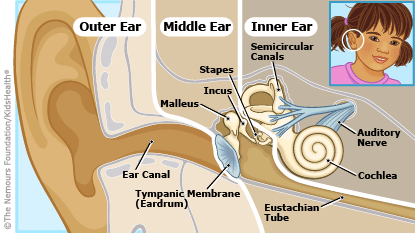
Fluid can accumulate in the middle ear due to various reasons. One common cause is an ear infection, often following a cold or respiratory illness. The Eustachian tube, which connects the ear to the throat, can become blocked, preventing fluid from draining properly.
Allergies can also lead to fluid buildup as they cause inflammation and congestion. Even changes in air pressure, such as during a plane flight, can sometimes result in temporary fluid retention. Understanding these causes can help you take preventive steps and seek timely medical advice.
Common Symptoms
How do you know if there’s fluid in the ears? Watch for signs like muffled hearing or a feeling of fullness in the ear. You might notice your child frequently tugging at their ears or having trouble following conversations.
Balance issues or unsteadiness can also be a symptom, as the ear plays a crucial role in maintaining balance. If your child seems more irritable or complains of ear pain, it could be time to consult a healthcare professional. Being aware of these symptoms helps you address the issue before it affects speech development.
Have you ever noticed your child struggling with ear-related symptoms? How did you handle it? Sharing experiences can provide valuable insights and support for others in similar situations.
Impact On Hearing
Fluid in the ears can significantly affect hearing. This can alter how sounds are perceived. Children may struggle to hear clearly. This can lead to misunderstandings or missed sounds. Hearing is crucial for speech development. Any disruption can impact communication skills. Understanding the effects of fluid in ears is essential.
How Fluid Disrupts Hearing
Fluid in the middle ear can block sound waves. This prevents them from reaching the eardrum effectively. Sounds may seem muffled or unclear. This can make it hard for children to distinguish words. Hearing aids can’t always help when fluid is present. Regular checks are important to monitor changes in hearing.
Temporary Vs. Permanent Hearing Loss
Fluid-induced hearing loss is often temporary. It usually resolves once the fluid clears. Chronic ear infections can lead to permanent issues. Early intervention is key to prevent long-term damage. Parents should be aware of signs of hearing loss. Prompt treatment can restore normal hearing levels.
Link To Speech Development
Fluid in the ears can impact speech development. This condition often leads to hearing issues. Hearing is crucial for learning speech. Children learn to speak by listening to sounds and words. When fluid affects hearing, speech development may slow down.
Role Of Hearing In Speech
Hearing allows children to mimic sounds. This is key to learning language. Sounds form words, which are learned through hearing. Early exposure to sounds helps develop speech skills. Good hearing means better speech understanding. Fluid can reduce hearing ability, impacting speech.
Effects Of Hearing Loss On Speech Skills
Hearing loss can cause speech delays. Children may struggle to pronounce words. They might not hear certain sounds clearly. This makes it hard to learn speech patterns. Hearing loss can affect vocabulary growth. Listening to conversations helps build language skills. Poor hearing can limit this exposure.
Credit: www.speechbuddy.com
Identifying Speech Delay
Understanding speech delay is crucial for parents and caregivers. Speech delay can affect a child’s communication skills. It sometimes results from fluid in the ears. Identifying the signs early aids in timely intervention. Early detection can improve a child’s speech development.
Signs Of Speech Delay
Children may show several signs of speech delay. A child might struggle to form words or sentences. They may have difficulty following simple instructions. Limited vocabulary is another common sign. Sometimes, children might not respond when spoken to. These signs can indicate a need for further evaluation.
When To Seek Professional Help
Consult a specialist if you notice signs of speech delay. Experts can perform assessments to identify underlying issues. A speech-language pathologist can provide guidance. Early intervention is key to addressing speech challenges. The sooner help is sought, the better the outcome for the child.
Diagnosis And Evaluation
Understanding the potential link between fluid in the ears and speech delay is crucial for addressing early childhood development issues. The diagnosis and evaluation process plays a key role in identifying how fluid in the ears might affect your child’s ability to speak and hear. By examining various medical assessments and conducting speech and hearing tests, specialists can pinpoint the exact nature of the problem and recommend appropriate interventions.
Medical Assessments
Medical assessments often start with a visit to a pediatrician or an ear, nose, and throat (ENT) specialist. They will review your child’s medical history and ask questions about any symptoms you’ve noticed. A physical examination of the ear is usually performed to check for fluid buildup, often using an instrument called an otoscope.
In some cases, doctors might recommend imaging tests, such as an MRI or CT scan, to get a detailed view of the ear’s internal structures. These tests help in ruling out other potential causes of speech delay. Have you ever considered how much information a simple ear examination can reveal about your child’s health?
Speech And Hearing Tests
Once fluid in the ears is suspected, speech and hearing tests are crucial for evaluating the impact on your child’s communication skills. Audiologists conduct hearing tests to determine if the fluid is causing any hearing loss. These tests might include simple sound recognition activities or more advanced auditory brainstem response tests.
Speech-language pathologists might assess your child’s speech development through interactive sessions. They evaluate vocabulary, sentence structure, and language comprehension. If your child struggles with certain sounds or words, these professionals can help identify speech patterns affected by hearing difficulties.
Wouldn’t it be empowering to uncover the root of your child’s speech delay and address it promptly? Engaging with these evaluations not only aids in diagnosis but also provides peace of mind and a clearer path forward.
Treatment Options
Fluid in the ears can be a cause for concern, particularly for speech development in children. If your child experiences speech delay due to fluid in the ears, seeking treatment is crucial. Effective treatment options can help improve hearing and speech capabilities. Identifying the appropriate approach can significantly aid in your child’s development journey.
Medical Interventions
Medical interventions are often the first step in addressing fluid in the ears. Doctors may prescribe antibiotics if an infection is present. These can help reduce fluid buildup by treating the infection. In some cases, doctors recommend myringotomy. This is a minor surgical procedure. It involves placing tiny tubes in the ear drum. These tubes help drain fluid and improve hearing.
Speech Therapy
Speech therapy is another essential treatment option. It helps children catch up on speech milestones. A speech therapist works with the child to improve their language skills. Therapy sessions focus on pronunciation and vocabulary. Consistent sessions can foster better communication skills.
Parents play a vital role in this process. Engaging with your child during therapy enhances progress. Practicing speech exercises at home can support therapy goals. Collaborative efforts between parents and therapists yield the best results.
Preventive Measures
Fluid in the ears can lead to hearing problems, affecting speech development in children. Regular ear check-ups help identify issues early. Treating ear infections promptly may prevent potential speech delays.
Preventive measures can be pivotal in reducing the risk of fluid in the ears, which may lead to speech delays in children. As a parent, guardian, or caregiver, knowing how to take proactive steps can make a significant difference in your child’s development. This section will highlight practical strategies to help prevent ear fluid and underscore the importance of regular check-ups.
10 Best Books for Speech Delayed Toddlers In 2026: Development Today
Ways To Prevent Ear Fluid
There are several practical steps you can take to help prevent fluid buildup in your child’s ears. One effective way is to ensure your child stays hydrated. Proper hydration can help maintain the natural balance of fluids in the body, including the ears. Consider managing your child’s allergies effectively. Allergies can contribute to fluid buildup, so keeping them in check with appropriate medication or allergy-proofing your home can be beneficial. You might also look at your child’s sleeping position. Elevating the head slightly can help drain fluids more effectively and may reduce the risk of accumulation.
Importance Of Regular Check-ups
Frequent visits to a healthcare provider can help catch potential issues early. Regular ear examinations can detect fluid buildup before it becomes a problem. During a routine check-up, a doctor can provide you with personalized advice tailored to your child’s needs. This proactive approach can prevent minor issues from escalating into speech delays. Imagine the peace of mind you’ll have knowing you’re actively safeguarding your child’s hearing and speech development. Have you booked your child’s next appointment yet?

Credit: www.trilingualchildren.com
Parents’ Role In Early Intervention
Early intervention can significantly impact a child’s speech development. Parents play a crucial role in addressing fluid in the ears. They are often the first to notice changes in their child’s speech. By taking action early, parents can support their child’s communication skills.
Supporting Speech Development At Home
Creating a language-rich environment is essential. Talk with your child daily. Use simple words and phrases. Encourage them to repeat sounds and words. Reading books together helps too. Choose stories with colorful pictures. Point to objects and name them. Sing songs and rhymes. Music enhances language learning. Make speech practice fun and engaging.
Collaborating With Professionals
Seek advice from pediatricians. They can evaluate the child’s ear condition. Audiologists assess hearing abilities. Speech therapists design tailored strategies. Regular check-ups ensure progress. Attend sessions together. Learn techniques to use at home. Share observations with experts. Ask questions about your child’s development. Building a team supports your child’s growth.
Future Research Directions
Exploring the link between ear fluid and speech delay could offer insights into early childhood development. Understanding how ear health impacts speech can guide future research and interventions. Identifying solutions for speech delays due to ear fluid might enhance language outcomes in affected children.
Future research directions in understanding the connection between fluid in ears and speech delay promise exciting developments. As technology advances, researchers are keen to uncover deeper insights and innovative solutions to this common issue. You might be wondering how these future studies could impact treatment options or even prevent speech delays altogether.
Emerging Studies
Researchers are continuously conducting studies to understand the relationship between ear fluid and speech development. A recent study might focus on how long-term ear fluid affects young children’s speech patterns. Imagine your child struggling with pronunciation because ear fluid distorts the sounds they hear. These emerging studies aim to provide precise data to help healthcare professionals make informed decisions.
Potential New Treatments
As studies progress, the potential for new treatments grows. Researchers are exploring non-invasive methods that could offer relief without surgery. Consider the possibility of a simple ear drop that clears fluid, allowing your child to hear clearly again. Such treatments could transform how speech delays are managed, offering easier access to solutions for families worldwide. Do you think these advancements could make a difference in your child’s life? With ongoing research, hope is on the horizon for effective treatments and preventive measures. Future research directions are not just about what’s next; they’re about changing lives. Could the next breakthrough be the key to ensuring every child has a clear path to language mastery?
Frequently Asked Questions
Can Fluid In The Ear Affect Speech?
Yes, fluid in the ear can affect speech. It can cause temporary hearing loss. This affects how sounds are heard and processed, leading to speech development delays. Early treatment is crucial to avoid long-term issues.
Can Ear Problems Affect Your Speech?
Yes, ear problems can affect speech development and clarity. Hearing issues may lead to speech delays or mispronunciations. Early detection and treatment are crucial for effective communication skills. Regular check-ups can help ensure proper hearing and speech development in children and adults.
Will Ear Tubes Help With Speech Delay?
Ear tubes can improve hearing, potentially aiding speech development in children with fluid-related hearing issues. Consult a healthcare professional for personalized advice.
Can Ear Wax Build Up Cause Speech Delay?
Yes, ear wax build-up can cause speech delay. Blocked ears may affect hearing, impacting speech development in children. Regular check-ups and cleaning can help maintain ear health and support speech progress. Consult a healthcare professional if you suspect ear wax is affecting speech development.
Conclusion
Fluid in ears can impact speech development. It might delay it. Seek medical advice if you notice concerns. Early intervention helps children overcome challenges. Speech therapy can assist in improving skills. Regular check-ups are important for ear health. Parents should stay informed and watch for signs.
Support and patience are key in helping children thrive. Understanding the link between fluid and speech is crucial. Make informed decisions for your child’s well-being. Every child develops differently. Ensuring healthy ears supports their growth. Keep an eye on their progress, and consult experts when needed.