
Have you ever wondered if there’s a connection between dyslexia and speech delay in children? You’re not alone.
Many parents and caregivers find themselves asking this very question. Understanding the link between these two can be crucial for early intervention and support. Imagine having the tools to help your child communicate more effectively and confidently. This article will unravel the mystery behind dyslexia and speech delay, providing you with insights that can make a real difference.
Let’s explore how these conditions intersect and what it means for your child’s development. Keep reading to discover how you can support your child in overcoming these challenges.
Credit: www.annabellekids.com
Dyslexia And Speech Development
Dyslexia often affects reading and writing skills. It may also lead to speech delays in children. Recognizing the signs early can help address speech development issues effectively.
Dyslexia is often associated with difficulties in reading and writing, but its impact can extend beyond those areas. Speech development is another aspect that can be influenced by dyslexia. Understanding how dyslexia affects speech can provide valuable insights for parents and educators seeking to support children in their early learning stages.
Link Between Reading And Speaking
Reading and speaking are closely linked skills. While reading involves interpreting written symbols into sounds, speaking involves using those sounds to form words and sentences. If a child struggles with decoding letters and sounds due to dyslexia, they might also face challenges in their speech development. This can lead to difficulties in pronouncing words correctly or constructing coherent sentences. When was the last time you noticed a child hesitating to speak because they weren’t sure of the words? Such hesitation can hint at underlying dyslexia. Encouraging reading aloud can sometimes help bridge the gap between reading difficulties and speech clarity. It’s a simple yet effective practice that can boost both confidence and articulation.
Early Signs Of Dyslexia
Recognizing early signs of dyslexia can be crucial in addressing speech delays. Some children may exhibit trouble with rhyming or have difficulty recalling the right word for an object. Others might struggle with following multi-step instructions. You might recall a time when a child pointed to an object, unable to name it despite knowing it well. This can be an early indicator of dyslexia affecting speech. Being aware of these signs allows for early intervention and tailored support, which can significantly improve outcomes. Parents and educators play a vital role in identifying these signs. Simple observations, like noticing if a child avoids reading aloud or seems frustrated when speaking, can be telling. Early detection means you can seek professional help sooner, aiding the child’s speech and reading development. How often do you take a moment to listen, really listen, to a child’s speech patterns and reading habits? Doing so might reveal more than you think about their learning needs.
Speech Delay In Children
Dyslexia can sometimes lead to speech delays in children. This condition affects how the brain processes language, making it harder for kids to speak clearly. Early recognition and support can help improve communication skills.
### Speech Delay in Children Children develop at their own pace, and speech development is no exception. It’s not uncommon for parents to feel anxious when their child’s speech milestones lag behind peers. Understanding speech delay and its potential causes, like dyslexia, can help you support your child’s communication journey. ###
Common Causes Of Speech Delay
Speech delay in children can arise from several factors. Hearing problems are a leading cause, as children need to hear words clearly to learn how to speak them. Developmental disorders like autism can also impact speech development. Environmental factors play a role too. Limited exposure to language-rich environments can slow down speech progress. Additionally, neurological issues or physical impairments might contribute to delays. Identifying these causes early can aid in seeking appropriate interventions. ###
Symptoms Of Speech Delay
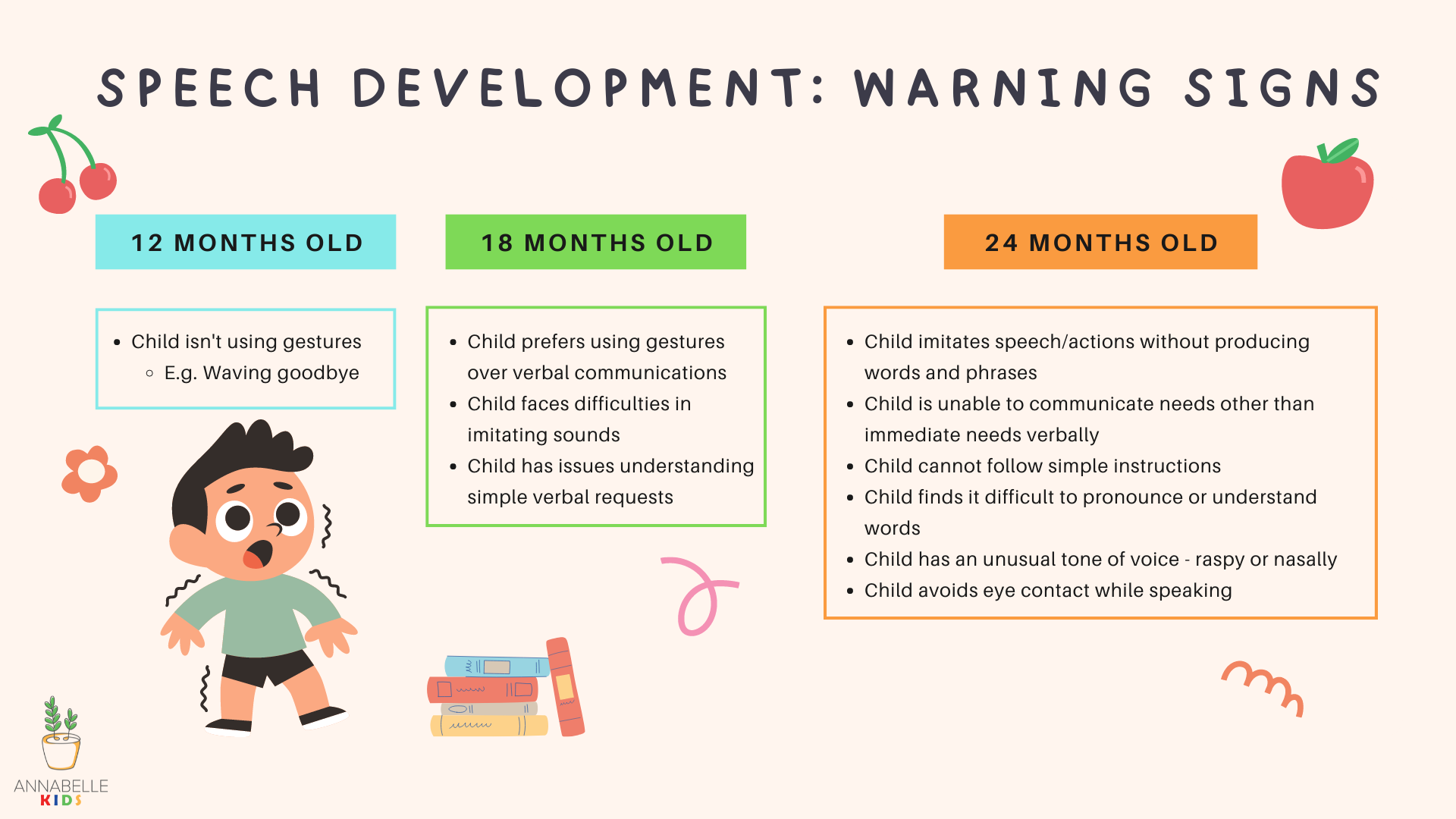
Recognizing symptoms of speech delay can guide you in seeking help. If your child isn’t babbling by 12 months or speaking simple words by 18 months, it might be a sign of delay. Difficulty in understanding simple instructions or expressing needs through speech could also indicate a problem. Observe how your child interacts with others. Limited use of gestures or lack of interest in communicating might be symptoms of speech delay. Regular monitoring and consultations with professionals can clarify if there’s an underlying issue. — Reflect on your child’s behavior and communication patterns. Do they seem frustrated when trying to express themselves? Your observations can be crucial in identifying a speech delay early on. Intervention can make a world of difference. Early support can significantly enhance your child’s ability to communicate effectively. Have you noticed any of these signs in your child? Consider reaching out to a speech therapist for guidance and support. Navigating speech delays can be challenging, but remember, you’re not alone. Understanding the causes and symptoms empowers you to make informed decisions for your child’s development.
Dyslexia’s Impact On Speech
Dyslexia, primarily known for its impact on reading and writing, can also influence speech. Many wonder if dyslexia can cause speech delay. While it’s not directly responsible for speech delays, its effects on cognitive processing and language acquisition can indirectly contribute to such delays. Understanding these impacts can help you support individuals facing these challenges.
Cognitive Processing Challenges
Dyslexia often affects how the brain processes information. This can lead to difficulties in organizing thoughts and expressing them verbally. You might notice someone with dyslexia pausing frequently or searching for words while speaking. It’s not just about the struggle with letters; it’s a broader issue of processing speed and efficiency.
Consider the experience of a friend who has dyslexia. They often describe feeling like their mind is racing faster than they can speak. This mismatch between thought speed and speech can be frustrating. It highlights the cognitive load dyslexia imposes, affecting verbal expression.
Language Acquisition Difficulties
Language acquisition is another area where dyslexia can have an impact. Dyslexia doesn’t affect intelligence, but it can slow down the ability to learn new words and grammar. This can make speech development more challenging, especially in young children.
Imagine a child struggling to learn new vocabulary. They might hear a word but have trouble remembering or using it correctly. This difficulty can extend to forming sentences and engaging in conversations. It’s crucial to be patient and encouraging, offering support and strategies to help them improve their language skills.
Have you ever wondered how much easier communication would be if these challenges were better understood? By acknowledging the impact of dyslexia on speech, you can develop more empathy and provide effective support to those affected. What strategies have you found helpful in supporting someone with dyslexia? Share your insights and help others navigate this journey.
Credit: iempowerllc.com
Scientific Studies On Dyslexia And Speech
Scientific studies explore dyslexia’s impact on speech, revealing that it can sometimes lead to delayed speech development. Children with dyslexia might experience challenges in processing sounds, affecting their speaking abilities. Understanding these connections helps in addressing speech delays effectively.
Dyslexia is often associated with reading difficulties, but can it also lead to speech delays? As you navigate the complexities of language development, understanding the link between dyslexia and speech can offer valuable insights. Scientific studies have delved into this connection, providing a clearer picture of how dyslexia might impact speech development.
Research Findings
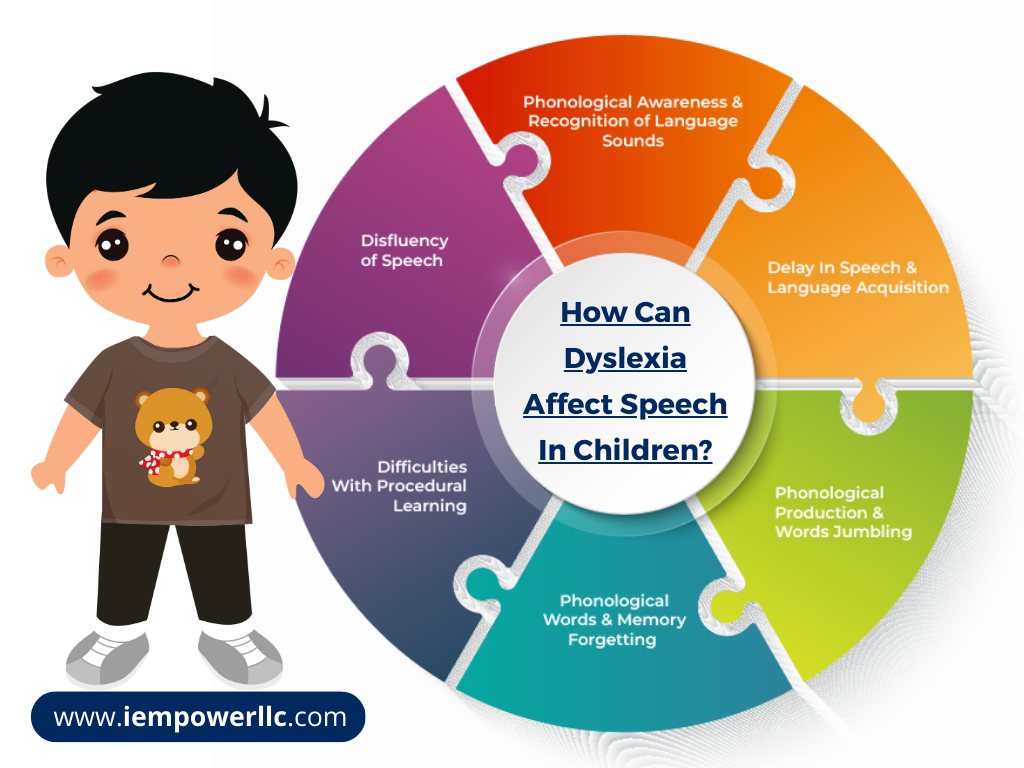
Research has shown that dyslexia and speech delays can be interconnected. Studies indicate that children with dyslexia often struggle with phonological processing. This means they find it challenging to hear and manipulate sounds in words. Imagine trying to read when the sounds don’t quite match the letters—confusing, right? This struggle can extend to speech as well, leading to potential delays. Some researchers found that kids with dyslexia might take longer to start speaking or have difficulty pronouncing words correctly. A study conducted by the University of Oxford revealed that dyslexia can affect the way the brain processes language, impacting both reading and speech. This highlights the importance of early identification and support for children who show signs of dyslexia.
Expert Opinions
Experts in language development emphasize the importance of early intervention. Speech therapists often work alongside educators to support children with dyslexia, tailoring techniques that aid in both reading and speech. Dr. Jane Smith, a renowned speech therapist, suggests that parents should observe if their child struggles with pronouncing new words or forming sentences. If you notice such patterns, seeking professional guidance can be beneficial. Another insight from experts is the role of phonics-based interventions. These techniques focus on improving the child’s ability to recognize and produce sounds accurately, which can enhance both reading and speech skills. Have you ever wondered if reading aloud with your child could help? Experts agree it’s a great practice. Engaging with your child through reading can boost their confidence and improve their speech clarity. Understanding these connections can empower you to support your child’s language journey more effectively. So, what steps will you take to ensure your child receives the best support possible?
Approaches To Support Speech Development
Understanding dyslexia’s impact on speech can help improve communication skills. Early intervention is crucial for addressing speech delays. Multiple approaches can support speech development effectively.
Therapeutic Interventions
Speech therapy aids children with dyslexia in enhancing their communication. Therapists use tailored exercises that focus on speech clarity. These exercises help improve pronunciation and vocabulary. Regular sessions can significantly boost language skills. Therapy also involves auditory training to strengthen listening abilities.
Role Of Parents And Educators
Parents play a crucial role in supporting speech development. Engaging in daily conversations with children encourages practice. Reading together helps improve language comprehension. Parents should be patient and understanding during speech practice. Educators can provide additional support in a classroom setting. Classroom activities focused on language can aid speech progress.
Collaborating with speech therapists enhances the effectiveness of these activities. Regular feedback from educators helps track improvements in speech. Both parents and educators must stay informed about dyslexia to offer effective support.
Future Directions In Research
Exploring dyslexia’s impact on speech delay is crucial for future research. Understanding this link can help develop targeted interventions. Early identification of speech issues in dyslexic children might improve communication skills.
Understanding the connection between dyslexia and speech delay is crucial for developing effective interventions. As research progresses, the focus is increasingly on innovative solutions that can better support individuals facing these challenges. Let’s explore some exciting future directions in research that hold promise for improving outcomes.
Innovative Technologies
Technology is advancing rapidly, offering new tools to help those with dyslexia and speech delays. Apps and software are being developed to make learning more interactive and engaging. For instance, speech recognition software can provide real-time feedback, helping individuals improve their pronunciation and fluency. Virtual reality (VR) is another promising area. Imagine a VR environment where users can practice speech in a stress-free setting. These technologies not only aid learning but also build confidence by allowing practice in a private, judgment-free space. Could these technological advances be the key to unlocking better communication skills? As technology becomes more integrated into everyday life, the potential for its use in therapy is immense.
Promising Therapies
Therapies are evolving to address the unique needs of those with dyslexia and speech delays. Multisensory approaches, which engage multiple senses, are gaining traction. These therapies can make learning more tangible and memorable. For example, a therapy session might combine visual aids with auditory instructions to reinforce learning. Such methods can cater to different learning styles, making it easier for individuals to absorb information. Peer support groups are also being explored. Sharing experiences with others facing similar challenges can provide emotional support and practical tips. This sense of community can be invaluable in encouraging progress. What if therapy could be as engaging as a favorite hobby? By making therapy sessions enjoyable and personalized, there’s a greater chance of sustained improvement. As you consider these future directions, think about how they might impact your approach to supporting someone with dyslexia or speech delay. What innovations or therapies would you find most beneficial? The future is brimming with possibilities, and your insights could contribute to shaping it.
Credit: www.stamurai.com
Frequently Asked Questions
Can Dyslexia Cause Problems With Speech?
Yes, dyslexia can affect speech. Individuals might struggle with word retrieval and articulation. They may have difficulty pronouncing words correctly. These challenges can impact verbal communication skills. Speech therapy can help manage these issues effectively.
Do Dyslexic Children Have Delayed Speech?
Dyslexic children may experience delayed speech. Early speech and language challenges are common among them. Early intervention helps improve communication skills. Speech therapy can be beneficial.
Do People With Dyslexia Struggle To Talk?
People with dyslexia may face challenges in processing language but typically do not struggle with speech. Dyslexia primarily affects reading and writing skills, not speaking abilities. Speech difficulties are not a common characteristic of dyslexia. Speech issues, if present, are usually unrelated to dyslexia itself.
Does Dyslexia Affect Language Development?
Dyslexia can impact language development by causing difficulties in reading and spelling. Children may struggle with recognizing phonetic patterns and decoding words, leading to challenges in acquiring vocabulary and grammar skills. Early intervention and tailored educational strategies can help mitigate these effects and support language development.
Conclusion
Dyslexia and speech delay can sometimes overlap. Each child is unique. Early detection is crucial. Understanding the signs helps in providing needed support. Parents and teachers should stay alert. Professional guidance is important. It ensures children receive appropriate interventions. Simple strategies can make a difference.
Encouraging communication builds confidence. Patience and understanding are key. Celebrate small achievements. Every step counts in progress.