
Have you ever wondered if ADHD could be the reason behind a child’s speech delay? If you’re a parent or caregiver, this question might have crossed your mind more than once.
Understanding the connection between ADHD and speech delay is crucial for helping your child thrive. You might feel concerned or even overwhelmed, but you’re not alone. We’ll explore the link between ADHD and speech delay, providing you with insights and practical tips to support your child’s development.
So, if you’re eager to learn more and find ways to make a positive impact, keep reading. This information could change the way you approach your child’s needs and empower you to make informed decisions.
Adhd And Speech Development
Understanding ADHD and its effects on speech development can be a crucial part of supporting children with these challenges. ADHD, or Attention Deficit Hyperactivity Disorder, is primarily known for affecting attention, impulse control, and hyperactivity. However, its impact can extend to language skills and speech development, often resulting in speech delays.
Link Between Adhd And Language Skills
ADHD can influence how a child processes language. This condition may lead to difficulties in organizing thoughts or following conversations. You might notice a child with ADHD struggles to find the right words or takes longer to respond. These challenges can create a ripple effect, impacting their ability to communicate effectively.
Understanding this link can empower you to seek appropriate interventions. Consider how improving focus can help your child develop better language skills. What strategies can you implement at home to support this?
Common Speech Delays In Adhd
Speech delays in children with ADHD can manifest in various ways. Some children might have trouble pronouncing words or forming sentences. Others may find it hard to understand complex instructions or stay on topic during conversations.
Imagine noticing that your child can’t express their thoughts clearly or often interrupts conversations. These signs might indicate a speech delay linked to ADHD. Recognizing these patterns early can guide you toward seeking professional help.
What if addressing these speech delays could make a significant difference in your child’s life? Consider engaging with speech therapists who specialize in ADHD. They can offer strategies to enhance communication skills and boost your child’s confidence.
Is it possible that improving speech development could also help in other areas of life, like academic performance and social interactions? Reflect on how these improvements can contribute to your child’s overall well-being.
Symptoms Of Speech Delay In Adhd
ADHD can lead to speech delay in children. Symptoms include difficulty organizing thoughts, trouble following conversations, and limited vocabulary for their age. Early intervention is crucial for managing these challenges effectively.
### Symptoms of Speech Delay in ADHD Understanding speech delay in children with ADHD can be both challenging and eye-opening. While ADHD is primarily associated with attention and hyperactivity issues, it can also impact speech development. You might notice your child struggling with words or failing to communicate effectively, which can be frustrating for both of you. ###
Identifying Speech Delay Indicators
Speech delay in children with ADHD often manifests in subtle ways. You may observe your child having a limited vocabulary for their age. They might struggle to form complete sentences or have trouble following simple instructions. Listening to them speak, you may notice pauses or fillers like “um” and “uh” more frequently. These signs are not just quirks; they can be indicators of a speech delay. It’s crucial to pay attention to these early signs to seek appropriate help. ###
Behavioral Signs In Children
Children with ADHD might also exhibit behavioral signs that accompany speech delays. They could appear more frustrated or withdrawn during conversations. This behavior often stems from the difficulty they experience in expressing themselves clearly. Another sign is impatience or restlessness when trying to communicate. They might interrupt frequently or switch topics abruptly, which can be confusing for listeners. Have you noticed your child doing this during family gatherings or playdates? Reflect on how your child interacts with others. Is there a pattern or trigger that makes speech more difficult for them? By understanding these behavioral signs, you can better support your child and seek speech therapy if needed. Recognizing these symptoms early can make a significant difference in your child’s communication skills. Have you considered consulting a speech therapist or discussing these concerns with your pediatrician? Taking proactive steps can lead to more effective communication and a happier child.
Factors Contributing To Speech Delay
ADHD may lead to speech delays due to challenges with focus and attention. Children with ADHD often struggle to process language quickly, impacting their ability to form words and sentences. Early intervention and support can help improve communication skills in affected children.
Speech delay is a concern for many parents, especially when their child is diagnosed with ADHD. Understanding the factors contributing to speech delay can help you support your child’s development effectively.
Neurological Influences
ADHD affects the brain’s ability to process information efficiently. This can lead to delays in speech development. You may notice your child struggling to articulate words or form coherent sentences. The brain areas responsible for speech and language might not function optimally in children with ADHD. This is not just about slow development; it’s about how the brain prioritizes tasks. Do you see your child getting distracted easily during conversations? This might be a clue pointing towards neurological influences affecting speech.
Environmental And Social Factors
The environment in which your child grows up plays a crucial role. If your child isn’t exposed to rich language interactions, speech delay might become more pronounced. Social interactions are equally important. Children learn a lot from peers. Inadequate social engagement can limit your child’s ability to practice and develop speech skills. Think about the social settings your child is part of. Are there enough opportunities for them to engage in conversations with peers and adults? By understanding these factors, you can create a supportive environment for your child’s speech development. Encouraging regular conversation and interaction might just be the key.
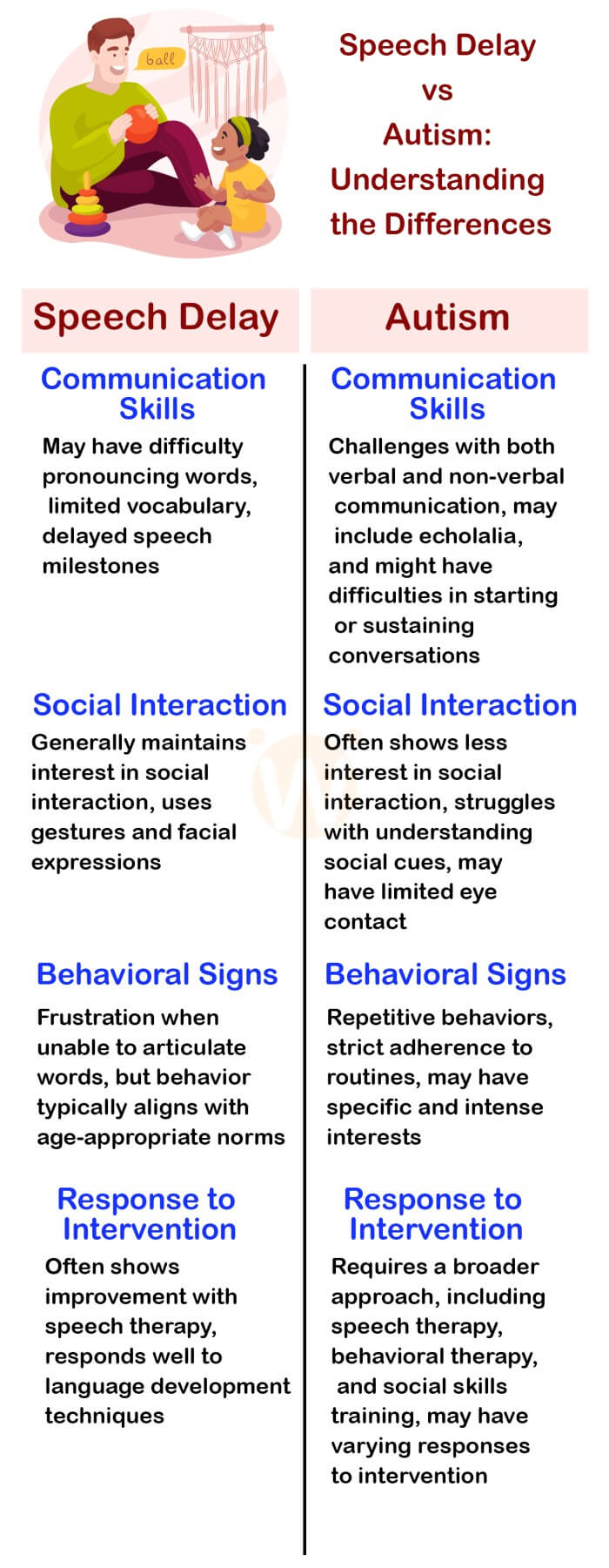
Credit: www.mywellnesshub.in
Diagnosis And Assessment
Diagnosing ADHD with speech delay involves careful assessment. Speech delay can be a sign of ADHD. A comprehensive evaluation is essential. This helps in understanding the root cause. Effective diagnosis requires collaboration with experts.
Evaluating Speech And Language
Speech and language evaluation is crucial. Specialists use various tools to assess skills. They observe the child’s communication abilities. They note how the child forms words. They check sentence structure and vocabulary. This process identifies specific speech issues. Early evaluation leads to better outcomes.
Role Of Healthcare Professionals
Healthcare professionals play a key role. Pediatricians often start the assessment process. They may refer the child to a speech therapist. Psychologists may also get involved. They evaluate the child’s behavior and attention span. Collaboration among professionals ensures a comprehensive diagnosis. Each expert provides valuable insights. Together, they form a complete picture of the child’s needs.
Effective Interventions And Therapies
Understanding the link between ADHD and speech delay can be crucial for parents and educators. Effective interventions and therapies can help children overcome these challenges and improve their communication skills. This section explores how targeted strategies can make a significant difference in a child’s speech development journey.
Speech Therapy Approaches
Speech therapy is often the cornerstone of helping children with ADHD and speech delays. Therapists use techniques tailored to each child’s needs. They might employ games and activities to build vocabulary and sentence structure.
Interactive exercises can enhance attention spans, making learning more engaging. Speech therapists also focus on pronunciation and clarity, helping children express themselves better. Have you considered how these tailored approaches could benefit your child?
Parental And Educational Support
Parents play a vital role in supporting their child’s speech development. Encouraging regular practice at home can reinforce what is learned in therapy. Simple activities like reading aloud together can boost confidence.
Educational support is equally important. Teachers can adapt lessons to accommodate speech delays, ensuring the child doesn’t fall behind. Collaboration between parents, educators, and therapists can create a supportive environment.
Have you explored how your child’s school can assist in their speech therapy journey? Bringing everyone together can make a remarkable difference.
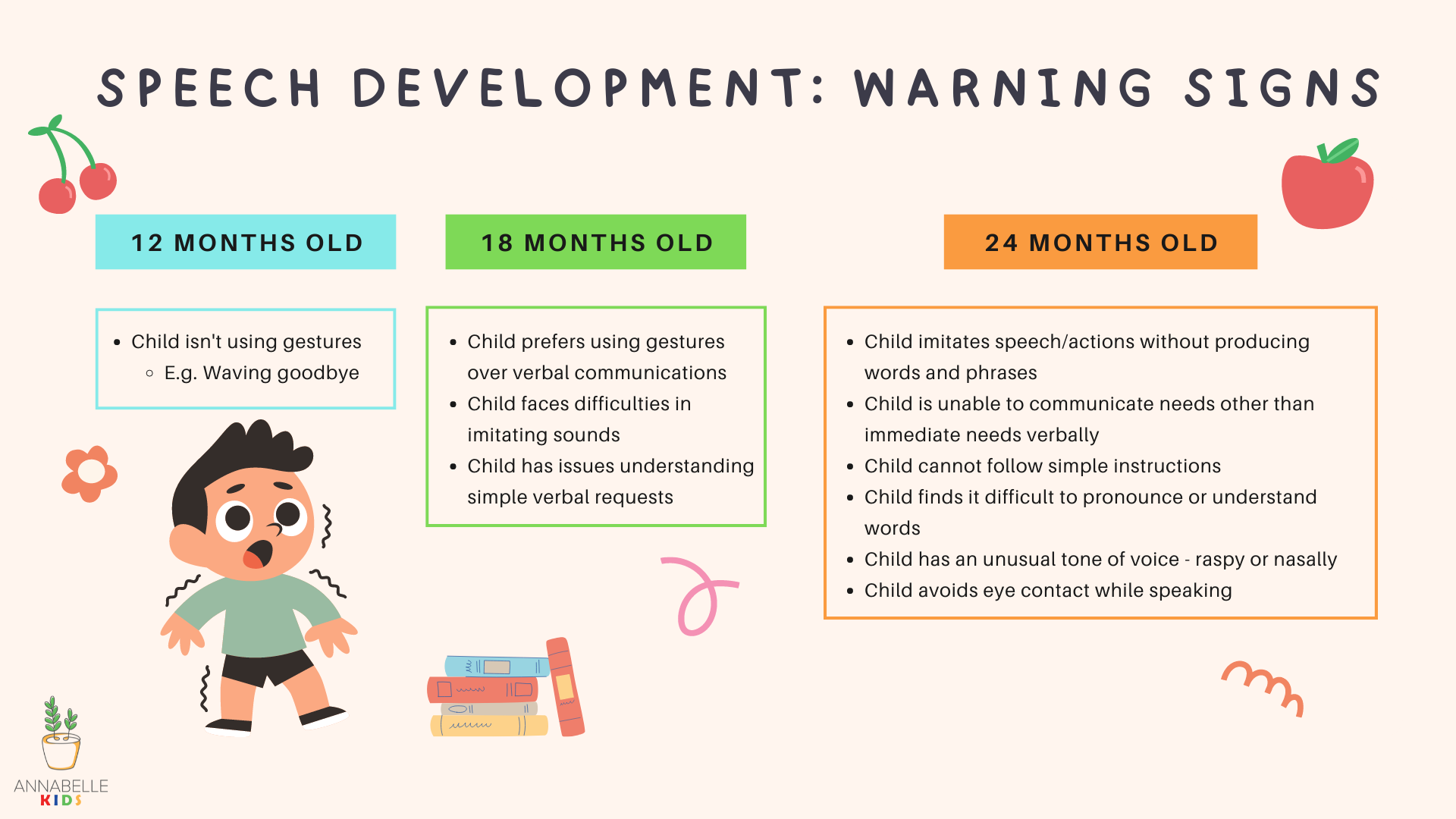
Credit: www.annabellekids.com
Long-term Implications
ADHD may impact a child’s speech development. Many children with ADHD experience challenges in focus and attention. This can delay language acquisition and speech. Early intervention and support can help improve communication skills over time.
Understanding ADHD and speech delay is vital. Both can impact a child’s life. They affect communication, academics, and social skills. Knowing the long-term implications helps in planning early interventions. These interventions support better outcomes in adulthood.
Impact On Communication Skills
ADHD often leads to speech delays. Children may struggle to express themselves. This affects how they communicate with others. They might find it hard to follow conversations. Misunderstandings become common. This can lead to frustration and isolation.
Academic And Social Challenges
Children with ADHD and speech delay face academic challenges. They might struggle with reading and writing. Understanding instructions can be difficult. These difficulties can lead to poor grades. Socially, they might find making friends hard. They may not understand social cues. This can cause loneliness. Supportive environments help them thrive. Early intervention plays a key role. “`
Strategies For Parents
Parents often search for ways to support children with ADHD. Speech delay can be a concern. Understanding helpful strategies can make a difference. Focus on encouraging communication and creating supportive environments. These are key steps to assist children in their speech development journey.
Encouraging Communication
Children with ADHD might struggle with speech. Encouraging communication is vital. Start with simple conversations. Use short sentences and clear words. Ask questions that need more than yes or no. This helps them express thoughts and feelings. Reading together can also boost vocabulary. Choose books with engaging pictures and simple stories. Encourage them to describe what they see. Play interactive games that involve talking. Board games with questions can be fun. Use daily activities to talk about routines. Describe actions while doing chores or cooking.
Creating Supportive Environments
A supportive environment helps speech development. Minimize distractions during conversations. Turn off TVs and reduce background noise. This helps children focus on speech. Create a dedicated space for communication activities. Make it comfortable and inviting. Use visual aids like charts or pictures. They can help children understand better. Establish routines that include communication time. Consistency is key to building skills. Encourage social interaction with peers. Playdates or group activities can be beneficial. Provide positive feedback and celebrate progress. This builds confidence and encourages effort.

Credit: connectedspeechpathology.com
Frequently Asked Questions
Can Speech Delay Be Linked To Adhd?
Speech delay can be linked to ADHD. Children with ADHD might have difficulty in processing language, affecting speech development. Early intervention and professional evaluation are crucial for managing both ADHD and speech delay effectively. Speech therapy can help improve communication skills in children with ADHD.
At What Age Do Adhd Children Speak?
Children with ADHD typically begin speaking around the same age as their peers, usually between 12 to 18 months. However, they may experience delayed language development and need additional support. Always consult a healthcare professional for personalized advice on speech development in ADHD children.
What Are 5 Signs A Child May Have Adhd?
Children with ADHD may struggle to focus on tasks. They often act impulsively without thinking. They might experience frequent mood swings. They have difficulty following instructions or completing tasks. Excessive fidgeting or restlessness is common among them.
Can Adhd Affect Your Speech?
ADHD can affect speech by causing difficulty with organization, focus, and verbal expression. Individuals may struggle with clear communication, often interrupting conversations or losing track of thoughts. Speech may be fast or disorganized, impacting effective communication and social interactions. Managing ADHD symptoms can help improve speech and communication skills.
Conclusion
Speech delay in ADHD varies among individuals. Some experience it early. Others later. Understanding the link is key. Parents need to observe and support. Speech therapy can help. Early intervention improves communication skills. ADHD affects more than attention. Speech delay impacts social growth.
Parents should seek professional advice. Each child is unique. Tailored strategies work best. Supportive environment aids development. Encourage open dialogue at home. Regular practice boosts confidence. ADHD challenges exist. Solutions are available. Stay informed and proactive. Help children thrive in communication.