
Are you concerned about your child’s speech development? As a parent, it’s natural to worry when your little one isn’t hitting those expected milestones.
You might have heard about adenoids and their role in speech delays. But what exactly are adenoids, and how can they affect your child’s ability to communicate? Understanding the connection between adenoids and speech delay can be the key to unlocking your child’s potential.
Imagine the relief of knowing what might be causing your child’s speech issues and how you can address them. We’ll delve into the fascinating world of adenoids, uncovering how they might be impacting your child’s speech and what steps you can take to help. Stay with us as we unravel the mystery and empower you with the knowledge to make informed decisions for your child’s future.
What Are Adenoids?
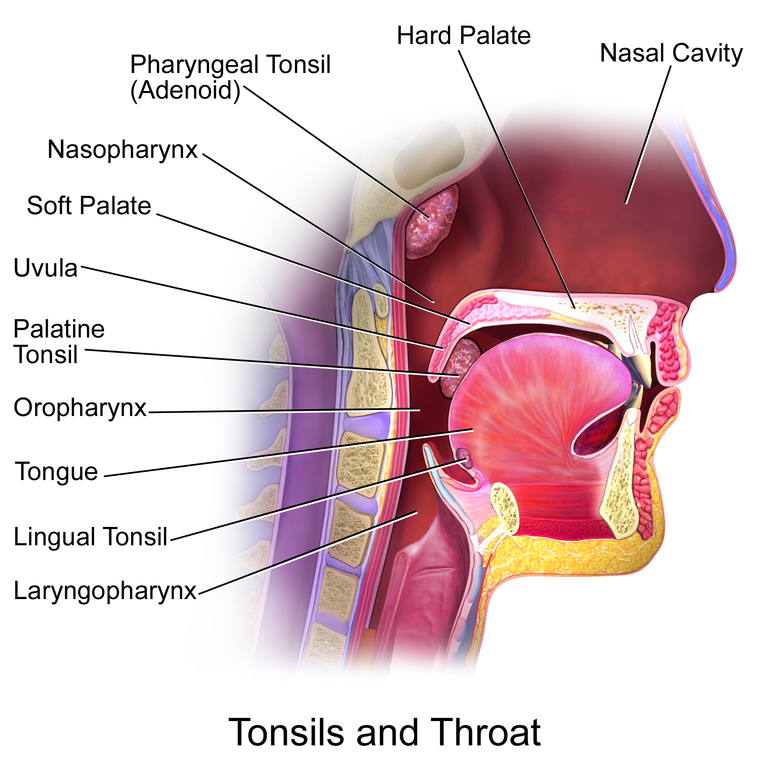
Adenoids are soft tissues behind the nose. Enlarged adenoids can block airflow and affect speech development in children. This obstruction might lead to speech delays, as it hampers clear communication.
### What Are Adenoids? Adenoids are small lumps of tissue located at the back of your nasal passage. They are not visible through the mouth or nose without special instruments, making them somewhat mysterious. Understanding their role is essential, especially if you’re concerned about speech delays in children. ####
Location And Function
Adenoids are situated right behind the nose and above the roof of the mouth. Think of them as the nasal passage’s guardians. They trap harmful bacteria and viruses that you might breathe in. This protective role is crucial for children as they build their immune system. ####
Role In Immune System
Adenoids play a key part in the body’s defense mechanism. They work alongside the tonsils to fight off infections. But here’s an interesting twist: as children grow, the adenoids become less important. By adolescence, they often shrink and sometimes even disappear. This natural reduction can have implications if adenoids were affecting speech by blocking airflow or causing ear infections. Now, if you’re worried about speech delay, it’s worth considering how enlarged adenoids might be a factor. Have you noticed any breathing difficulties or frequent ear infections in your child? These could be signs that adenoids are playing a larger role than usual. Addressing these issues early can help avoid potential speech problems. So, keep an eye on symptoms and consult a healthcare professional if you’re concerned. Understanding adenoids might just be the key to unlocking clearer communication for your child.
Credit: medium.com
Speech Development In Children
Understanding how children develop speech can be both fascinating and crucial for parents and caregivers. Watching your child form their first words is a rewarding experience. However, it’s important to recognize the stages and factors that can affect this process, such as adenoids potentially causing speech delays. Let’s dive deeper into this topic and explore the stages and influencing factors of speech development.
Stages Of Speech Development
Children typically start to babble around the age of 6 months. These early sounds are the building blocks for future words. By their first birthday, many children can say simple words like “mama” or “dada.”
Between 1 and 2 years old, vocabulary expands rapidly. During this time, children begin combining words to form simple sentences. It’s a crucial period where they understand more than they can express.
By age 3, most children are speaking in full sentences and can be understood by strangers. They start using grammar more accurately and their speech becomes clearer. Does your child follow this pattern, or are there noticeable delays?
Factors Affecting Speech
Several factors can impact speech development, from hearing impairments to environmental influences. Hearing plays a vital role; if a child can’t hear well, they might struggle to imitate sounds and words.
Another factor is the child’s environment. Engaging with your child through conversation, reading, and play encourages speech development. How often do you talk and read to your child?
Physical factors like enlarged adenoids can also affect speech. Adenoids are located near the back of the nasal cavity, and when swollen, they can block airflow, making it difficult for children to articulate sounds clearly. Have you noticed any breathing issues or nasal tones in your child’s speech?
Being aware of these factors helps you address potential issues early on. If you suspect speech delays, consider consulting a pediatrician or speech therapist. What steps will you take to support your child’s speech journey?
Impact Of Enlarged Adenoids
Enlarged adenoids can significantly impact a child’s well-being. These small masses of tissue, located at the back of the nasal cavity, often swell due to infections or allergies. Enlarged adenoids can affect speech development, breathing, and sleep patterns. Understanding these impacts can help parents and caregivers take timely action.
Symptoms Of Enlarged Adenoids
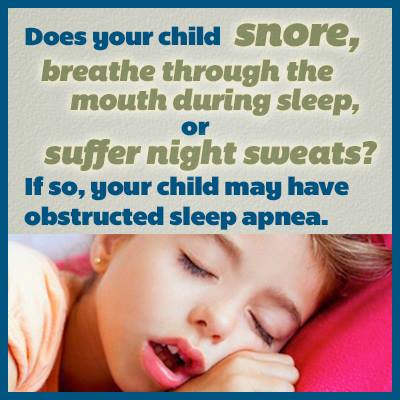
Common symptoms include nasal congestion and difficulty breathing through the nose. Children might breathe through their mouth more frequently. A nasal voice or speech delay can occur due to blocked nasal passages. Frequent ear infections may be another sign. These symptoms often lead to discomfort and irritability.
Effects On Breathing And Sleep
Enlarged adenoids can obstruct airflow, affecting breathing. Mouth breathing becomes common, which can cause dry mouth and bad breath. During sleep, these obstructions might lead to snoring or sleep apnea. Sleep disturbances can affect a child’s energy levels and mood. Proper sleep is crucial for healthy growth and development.
Credit: www.speechbuddy.com
Link Between Adenoids And Speech Delay
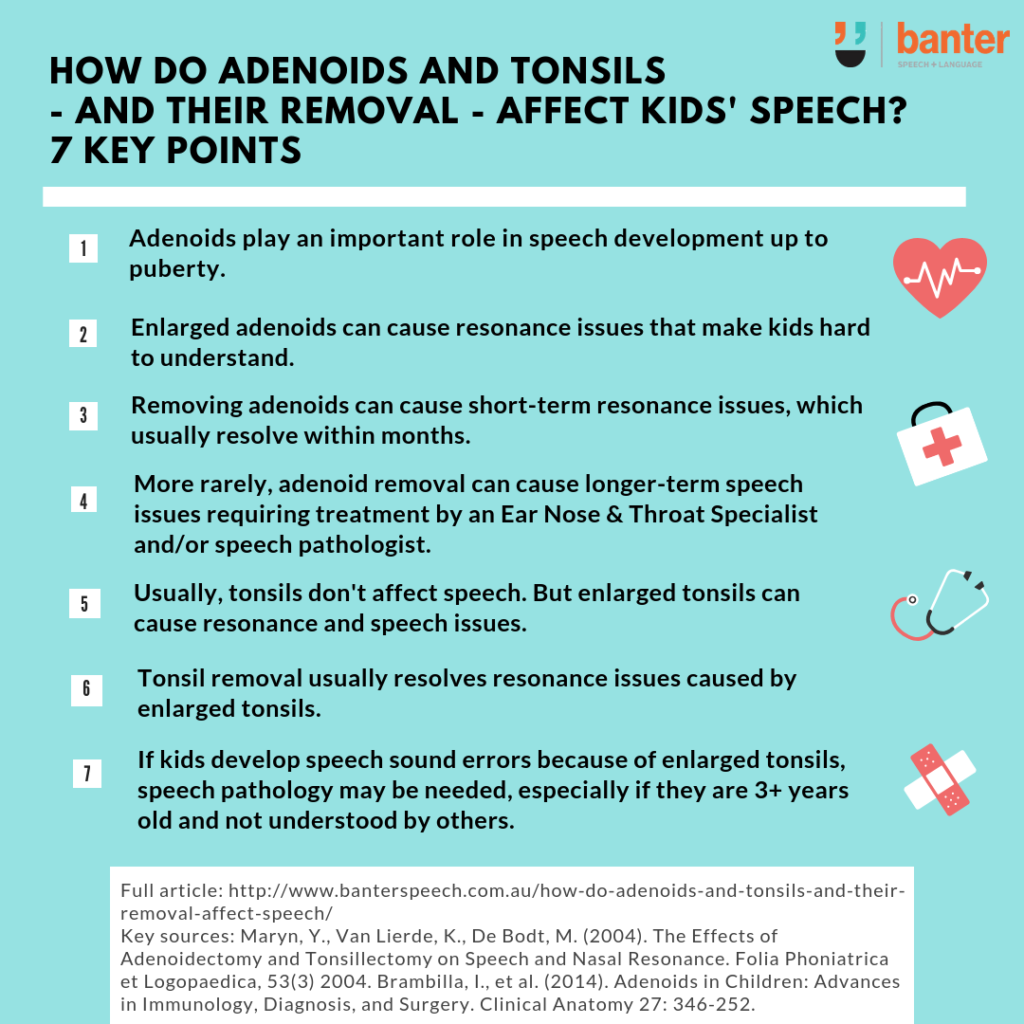
Enlarged adenoids can obstruct nasal passages, impacting speech clarity. Children may experience difficulty pronouncing certain sounds. Addressing adenoid issues might improve speech development. Proper medical evaluation is essential for timely intervention.
Adenoids, the small masses of lymphatic tissue at the back of the nasal passage, can sometimes be more than just a nuisance. When they become enlarged, they can cause a host of problems, one of which may surprise you—speech delay in children. You might wonder how a seemingly unrelated part of the body could influence something as vital as speech. Let’s delve into the fascinating link between adenoids and speech delay, exploring how these small tissues can play a big role in communication development.
How Adenoids Affect Speech
Enlarged adenoids can obstruct airflow through the nasal passages. This can lead to difficulties in articulation and clarity of speech. Imagine trying to speak with a clothespin on your nose; that’s similar to what a child with enlarged adenoids might experience. Some children might have a nasal-sounding voice, while others may struggle with pronunciation. This can affect their confidence and willingness to communicate. Addressing adenoid issues can sometimes lead to marked improvements in a child’s speech.
Research Findings
Studies have shown a significant correlation between enlarged adenoids and speech delay. One research project found that children who had adenoidectomy, a surgical procedure to remove the adenoids, often showed improved speech clarity post-operation. Doctors often recommend a thorough examination if speech delay is suspected to be linked to adenoids. This can include observing the child’s breathing patterns and checking for recurrent ear infections, which are also associated with adenoid problems. Have you noticed any changes in your child’s speech after addressing adenoid issues? This might not only enhance their communication but also boost their self-esteem and social interactions. Understanding this link can be an eye-opener for many parents, helping them take actionable steps towards their child’s betterment.
Diagnosis And Evaluation
Adenoids can sometimes lead to speech delays in children. These glands, located behind the nose, may affect sound production. Proper diagnosis and evaluation by a healthcare professional are crucial to address any speech issues related to enlarged adenoids.
When you notice your child struggling with speech, you might wonder if adenoids are the culprit. Understanding how adenoids can affect speech involves a thorough diagnosis and evaluation. It’s not just about identifying enlarged adenoids, but also assessing how they impact your child’s ability to communicate effectively. Let’s dive into how medical and speech evaluations play a role in this process.
Medical Assessment
The first step is usually a visit to a pediatrician or an ENT specialist. They will conduct a physical examination to check the size and condition of the adenoids. This might involve using a small mirror or a flexible scope to get a closer look. Sometimes, an X-ray is necessary to measure the adenoids’ size accurately. Understanding your child’s medical history is also crucial. If your child has frequent ear infections or nasal congestion, it might indicate adenoid issues.
Speech Evaluation
Once medical factors are ruled out or confirmed, a speech-language pathologist steps in. This professional evaluates how enlarged adenoids might be affecting speech clarity and development. They listen to your child’s speech patterns, checking for nasal sounds or mispronunciation. It’s not just about hearing; they may use tools to measure airflow and resonance. Parents are often surprised at how detailed these assessments are. But it’s essential for pinpointing specific speech issues tied to adenoids. Think about how empowering it would feel to understand exactly why your child isn’t speaking as expected. A thorough evaluation is your first step towards finding a solution. Could adenoids be holding your child back from expressing themselves fully?
Treatment Options
Adenoids can sometimes cause speech delay in children. Treatment options are available to address this issue. These options range from surgical procedures to non-surgical approaches. Choosing the right treatment depends on the child’s specific needs. Consulting a healthcare professional is essential for the best outcome.
Surgical Procedures
Surgery is a common treatment for enlarged adenoids. The procedure is called adenoidectomy. It involves removing the adenoids to improve breathing. This can also enhance speech development. The surgery is usually quick and safe. Recovery time is typically short. Many children resume normal activities within a week. Surgery may be recommended when adenoids cause severe problems. These include chronic infections or breathing issues.
Non-surgical Treatments
Non-surgical treatments can help manage adenoid-related issues. Medications like nasal sprays reduce inflammation. They can ease breathing problems linked to enlarged adenoids. Allergy treatments may also be effective. Addressing allergies can shrink the adenoids naturally. Speech therapy is another option. It helps improve speech clarity and development. Regular exercises can strengthen speech muscles. A combination of treatments might be necessary for best results.
Supporting Speech Development
Supporting speech development in children with enlarged adenoids is essential. Adenoids can cause speech delays by affecting hearing and articulation. Identifying effective methods can help improve speech clarity and communication skills.
Therapies And Exercises
Speech therapy offers tailored interventions for children. Therapists use activities that improve articulation and pronunciation. Exercises often focus on strengthening oral muscles. This enhances clarity and fluency in speech. Regular practice is crucial. It ensures consistent improvement in speech abilities.
Articulation exercises play a significant role. They help children pronounce sounds correctly. Simple tasks like repeating sounds and words can be beneficial. Games that involve speaking can also aid in development. These activities make learning fun and engaging.
Parental Involvement
Parents play a vital role in supporting speech development. Encouraging communication at home is essential. Regular conversations with the child enhance their speaking skills. Listening actively to the child also supports their confidence.
Reading stories together can be effective. It helps expand vocabulary and comprehension. Parents can model correct pronunciation during storytelling. This offers children a practical example to follow.
Using everyday situations to practice speech is helpful. Simple tasks like naming objects or describing activities can enhance language skills. Praise and encouragement boost motivation. It fosters a positive environment for speech improvement.
Credit: www.banterspeech.com.au
Preventive Measures
Adenoids can impact a child’s speech development. Taking preventive measures helps minimize this risk. Parents often seek ways to support their child’s speech. Early action can lead to better outcomes. This section explores preventive steps that can be taken.
Healthy Habits
Promoting healthy habits strengthens a child’s immune system. Encourage a balanced diet with fruits and vegetables. Regular physical activity keeps the body strong. Adequate sleep is crucial for growth and repair. Limit exposure to allergens and pollutants. These habits reduce the risk of infections.
Monitoring And Follow-up
Regular check-ups are essential for early detection. Monitor your child’s speech and breathing patterns. Consult a pediatrician if you notice any issues. Follow-up appointments ensure ongoing evaluation. Keep track of any changes in your child’s health. Staying informed helps address concerns promptly.
Frequently Asked Questions
Does Removing Adenoids Improve Speech?
Removing adenoids can improve speech clarity in children with enlarged adenoids causing nasal obstruction. Improved airflow may enhance speech sounds. Consult a healthcare professional for personalized advice on treatment options and potential benefits.
What Are The Symptoms Of Adenoids Problems?
Adenoid problems can cause nasal congestion, snoring, ear infections, sleep disturbances, and difficulty breathing. Symptoms often include sore throat, runny nose, and frequent colds. Children may experience mouth breathing, speech issues, and poor growth. Consulting a healthcare professional is essential for proper diagnosis and treatment.
Can Enlarged Adenoids Cause Developmental Delay?
Enlarged adenoids can lead to developmental delays by causing breathing problems and sleep disturbances. Proper sleep is crucial for cognitive development, and breathing issues may impact brain oxygenation. Early diagnosis and treatment can help prevent potential delays in growth and learning.
Consult a healthcare professional for guidance.
How Do I Know If My Child Needs Her Adenoids Out?
Watch for symptoms like breathing difficulty, snoring, sleep apnea, frequent ear infections, or sinus problems. Consult a pediatrician if these issues persist. They will assess your child’s condition and recommend further action, including the potential need for adenoid removal. Early evaluation ensures timely treatment and relief.
Conclusion
Adenoids can affect speech in young children. They might cause speech delay. Enlarged adenoids can block airflow. This impacts how children speak. Early detection is crucial. Parents should observe their child’s speech. Consult a doctor if there are concerns. Treatment can improve speech issues.
Options include surgery or medication. Healthy adenoids support clear speech. Keep an eye on your child’s development. Ensuring regular check-ups helps too. With proper care, children can overcome speech delays. Remember, timely action makes a difference. Every child deserves the chance to speak clearly.