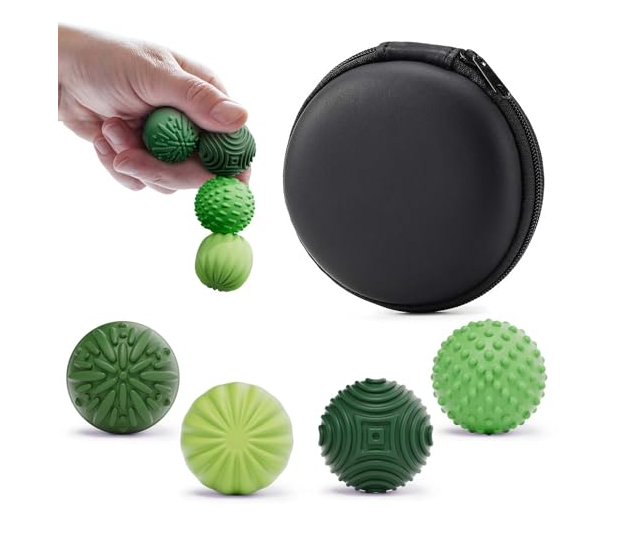
Are you curious about how fidget toys can be beneficial for individuals with autism? You’re not alone.
Many people are exploring the potential of these simple yet intriguing gadgets. As you delve into this article, you’ll discover why fidget toys are more than just a passing trend. They hold unique benefits that can make a real difference in daily life.
Whether you’re a parent, a caregiver, or simply someone interested in autism, understanding the role of fidget toys can open up new possibilities. Let’s uncover how these small tools might offer big support in managing stress, improving focus, and enhancing sensory experiences. Keep reading to find out how fidget toys could be an essential addition to your toolkit.
What Are Fidget Toys?
Fidget toys help people stay focused and calm. They are small and easy to use. Kids with autism may find them soothing and fun. These toys can be squeezed, twisted, or spun to relieve stress and improve concentration.
Fidget toys have become a popular tool, especially in the world of autism support. But what exactly are they, and how do they help? At their core, fidget toys are small, handheld devices designed to keep your hands busy. They offer a simple way to channel nervous energy, helping individuals focus and calm down. Many parents and therapists find them invaluable in helping children with autism engage more effectively with their surroundings.
Types Of Fidget Toys
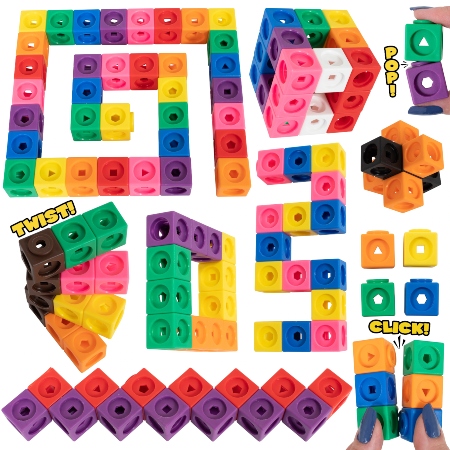
Fidget toys come in various forms, each designed to cater to different needs and preferences. Stress balls are a classic option, offering a satisfying squeeze that relieves tension. Spinners, once a viral sensation, provide a mesmerizing spinning motion that captivates attention. Then there are the fidget cubes, which pack multiple activities into one compact cube—perfect for those who like variety. Do you have a favorite type of fidget toy?
Materials And Designs
The materials used in fidget toys are as diverse as their types. Silicone is common, offering a soft, flexible feel, while plastic is often used for more rigid toys like cubes and spinners. Some toys even incorporate metal for a sturdier, weighted experience. Designs range from simple and functional to colorful and fun, making it easy to find something that resonates with individual tastes. Have you ever found yourself drawn to a particular texture or design? It might surprise you how much the right material or design can enhance your experience. Whether you’re a parent, a teacher, or someone exploring the benefits of fidget toys for yourself, understanding their variety can help you make informed choices. They’re not just toys—they’re tools that can make a difference in everyday life. Why not give one a try and see how it fits into your routine?
Autism And Sensory Needs
Fidget toys offer helpful sensory input for individuals with autism. These toys can assist in managing stress and improving focus. They provide tactile stimulation, which may ease sensory overload, making them a valuable tool for calming and concentration.
Autism and Sensory Needs Children and adults with autism often experience the world differently due to unique sensory needs. These needs can significantly impact daily life, making it crucial to find ways to manage them effectively. Fidget toys have emerged as a popular tool to address these needs, offering a simple yet effective way to provide sensory input and promote focus.
Understanding Sensory Processing
Sensory processing refers to how our brains interpret and respond to sensory information from our environment. For individuals with autism, this process can be quite different. They might be more sensitive to certain stimuli or crave specific sensory experiences. Imagine feeling overwhelmed by the sound of a clock ticking or the texture of a sweater. These experiences can be distracting or even distressing. Fidget toys offer a way to engage with sensory input in a controlled manner, helping to calm and focus the mind.
Common Sensory Challenges
Many with autism face sensory challenges that can affect their daily activities. Bright lights, loud noises, or certain textures might be difficult to handle. These challenges can lead to stress and anxiety. Fidget toys can help by providing a consistent and predictable sensory input. This can be particularly useful in environments where sensory overload is common, like classrooms or busy public spaces. By using a fidget toy, individuals can redirect their focus and manage these sensory challenges more effectively. Have you ever noticed how holding a stress ball or clicking a pen can help you concentrate? Fidget toys work similarly by offering a tactile experience that can soothe and engage the senses. What methods have you found effective in addressing sensory needs for yourself or someone you know? Your insights could be helpful to others navigating similar challenges.
Potential Benefits Of Fidget Toys
Fidget toys have become popular tools for those with autism. These small gadgets offer more than just fun. They can help improve focus, reduce stress, and aid in motor skills development. Let’s explore how these toys can benefit individuals with autism.
Enhancing Focus And Attention
Fidget toys can help boost concentration. They provide sensory input that keeps the mind engaged. This can lead to better focus on tasks or activities. Many find that using fidget toys helps them stay attentive. It can be especially useful during school or study sessions.
Stress And Anxiety Reduction
Many people with autism experience stress and anxiety. Fidget toys can serve as calming tools. The repetitive motion can be soothing. It may help reduce feelings of tension or worry. This makes them handy during stressful situations or transitions.
Improving Motor Skills
Fidget toys are great for developing fine motor skills. They require hand movements that strengthen muscles. This can improve dexterity and coordination. Regular use of fidget toys might lead to better control in everyday tasks. It can be a fun way to practice and improve these skills.
Concerns About Distraction
Fidget toys might help some autistic individuals focus, but concerns about distraction persist. Balancing sensory needs with maintaining attention remains key.
Concerns about distraction often come up when discussing fidget toys for autism. While these toys can offer therapeutic benefits, some worry they might divert attention from important tasks. It’s crucial to weigh the advantages against possible drawbacks, especially in environments like classrooms or during activities requiring focus.
Classroom Settings
In a classroom, attention is key. Teachers aim to keep students engaged with the lesson. The concern is whether fidget toys will help or hinder this goal. Imagine a classroom where students use fidget toys. Some students may focus better, channeling restless energy. Others might find the toys a source of distraction, losing track of the lesson. Teachers often need to balance these outcomes. They might set rules, like allowing fidget toys only during independent work. This way, students benefit without disrupting the class flow.
Maintaining Engagement
Keeping students engaged is vital. Fidget toys can either support or disrupt this engagement. The challenge lies in using them effectively. You might wonder how to keep engagement high while using fidget toys. One approach is to choose toys that match the task. Quiet, unobtrusive toys work better during lectures or group discussions. Parents and educators can also set expectations. Discussing when and how to use fidget toys can make a big difference. This ensures toys enhance focus rather than distract from it. Have you ever seen a child use a fidget toy successfully in class? Sharing these stories can offer valuable insights. They highlight practical ways to integrate these tools without losing attention.
Choosing The Right Fidget Toy
Choosing the right fidget toy for someone with autism can feel like searching for the perfect key to unlock calm and focus. The right toy can provide comfort, aid concentration, and even be a source of joy. However, picking the ideal fidget toy requires a bit of thought and understanding of individual needs.
Personal Preferences
Everyone has different tastes, and this applies to fidget toys as well. Some people might love the smooth feel of a stress ball, while others might prefer the tactile stimulation of a spiky ring. Think about what textures, shapes, and colors appeal to you or your loved one.
Consider your everyday likes and dislikes. Do you find yourself drawn to bright colors or more muted tones? Do you enjoy soft textures, or do you prefer something that provides a bit more resistance? These preferences can guide your choice.
Compatibility With Sensory Needs
Sensory needs play a crucial role in selecting the right fidget toy. Some individuals with autism may be sensitive to certain textures or sounds, so it’s essential to choose a toy that aligns with those sensory preferences.
Think about how the fidget toy will interact with your senses. A toy that makes noise might be soothing for some but overwhelming for others. A squishy toy might be calming for someone who enjoys soft sensations, while a clicky toy might suit someone who likes auditory feedback.
Could a particular toy help reduce anxiety or increase focus during challenging times? Understanding sensory needs can transform fidget toys from mere gadgets into powerful tools for support and development.
Choosing a fidget toy is more than just picking something off the shelf. It’s about finding the perfect companion that resonates with personal preferences and sensory needs. Could this thoughtful choice be the key to unlocking a world of calm and joy for someone with autism?
Credit: edxeducation.com
Expert Opinions
Experts discuss if fidget toys help autistic children focus and reduce anxiety. Some say these toys aid concentration and calm nerves. Others believe fidget toys may distract more than assist, depending on the child’s needs.
When it comes to the role of fidget toys in supporting individuals with autism, expert opinions are both insightful and varied. Professionals in the fields of psychology and therapy have shared valuable perspectives that can help you understand the potential benefits and considerations of these tools. Let’s delve into what research findings and therapist recommendations say about using fidget toys for autism.
Research Findings
Recent studies have highlighted the positive impact of fidget toys on children with autism. Researchers have observed improvements in focus and reduction in anxiety levels. One study even found that students using fidget toys demonstrated an increased ability to concentrate during lessons. These findings suggest that fidget toys may help in channeling excessive energy into a calming activity. However, it’s important to note that not all individuals with autism may respond the same way. Personal preferences and individual needs play a crucial role in determining the effectiveness of these tools.
Therapist Recommendations
Therapists often recommend fidget toys as part of a broader strategy to support individuals with autism. They emphasize the importance of selecting the right type of toy based on sensory preferences. For instance, some children may prefer tactile sensations, while others might enjoy toys that offer visual stimulation. Therapists also advise integrating fidget toys into daily routines in a structured manner. They suggest setting specific times for their use, which can help in maintaining a balance between their benefits and potential distractions. Have you considered how a simple tool like a fidget toy might fit into your or your child’s routine? Moreover, therapists encourage parents and caregivers to observe and communicate. This helps in understanding how these toys affect the child’s behavior and mood. By staying attuned to these changes, you can better support your child’s needs and preferences. In conclusion, while fidget toys offer promising benefits, they are most effective when tailored to the individual’s unique requirements. Engaging with experts and observing personal responses can guide you in making informed decisions about their use.
Real-life Experiences
Many people find fidget toys helpful for children with autism. They can provide sensory input and help focus. Real-life stories show these toys can ease anxiety and improve concentration.
Real-life experiences with fidget toys for autism provide invaluable insights. They reveal how these simple tools can make a difference in daily life. From parents to teachers, the perspectives vary but often lead to a common understanding—fidget toys can be more than just playful distractions.
Parental Perspectives
Many parents have found fidget toys to be a helpful resource. A mother noticed her son was more focused during homework when he used a spinner. The toy provided a sense of calm and helped channel his energy. Have you ever seen a child calm down with just a small object in hand? It can be powerful. Parents often express gratitude for these toys, viewing them as lifesavers during stressful moments. Would you try fidget toys if they could make your daily routine smoother? Consider the stories of parents who have experienced these benefits firsthand.
Teacher Observations
Teachers often see the impact of fidget toys in a classroom setting. One teacher observed that a student, previously restless, could suddenly concentrate on lessons. The student used a simple stress ball, which seemed to reduce anxiety. Imagine a classroom where students can focus better. Fidget toys can subtly shift the atmosphere, creating a more conducive learning environment. Teachers have noted these changes, sometimes surprised by the profound effect. Could fidget toys be a tool for more inclusive education? Teachers’ experiences suggest they might be, offering a new way to support diverse learning needs.

Credit: www.amazon.com
Frequently Asked Questions
Do Fidgets Help With Autism?
Fidgets can help individuals with autism by improving focus and reducing stress. They provide sensory stimulation, aiding in self-regulation. Many find fidgets useful for maintaining attention and calming anxiety. It’s important to choose the right type of fidget for the individual’s specific needs.
What Kind Of Toys Do Autistic People Like?
Autistic individuals often enjoy sensory toys, puzzles, building blocks, and toys promoting creativity and focus. Fidget toys, weighted blankets, and tactile items can be calming. Preferences vary, so observing interests helps select suitable toys. Choose toys that stimulate, comfort, or engage their specific needs and interests.
What Disorders Do Fidget Toys Help With?
Fidget toys help with ADHD, autism, anxiety, and stress. They improve focus, reduce restlessness, and promote relaxation. These toys aid in managing sensory processing disorders, providing tactile stimulation and calming effects. Suitable for children and adults alike, they enhance concentration and offer therapeutic benefits in various settings.
Are Fidget Toys A Form Of Stimming?
Yes, fidget toys can be a form of stimming. They help individuals manage sensory input and reduce stress. These toys provide tactile stimulation, aiding focus and self-regulation. Many people use them to calm anxiety and improve concentration. Fidget toys are popular among those with ADHD, autism, and anxiety.
Conclusion
Fidget toys can help kids with autism focus better. They offer a way to calm restless hands and minds. Many families find them useful in daily life. These toys come in various shapes and sizes. Each child may prefer different types.
It’s important to try and find what works best. Fidget toys are not a cure but a helpful tool. They support sensory needs and can ease anxiety. Always consult with a specialist for guidance. Every child is unique, and their needs vary.
Choose fidget toys based on personal preference and comfort.