
Speech delay can be challenging for parents. It often leads to worry and confusion.
Understanding speech delay is crucial. It means a child speaks later than peers. This isn’t always a sign of a bigger issue. Many children catch up over time. Parents play a key role in helping their child. They can support speech development at home.
Encouragement and patience are vital. In this blog, we’ll explore practical tips for parents. These tips can make a real difference. They include simple activities you can do daily. We will also discuss when to seek professional advice. Knowing more can ease your mind and help your child. Speech delay needs understanding and support. Let’s dive into ways to assist your child’s speech journey.
Identifying Speech Delay
Parents can support children with speech delay by engaging in daily conversations. Reading simple stories together encourages language growth. Encouraging kids to express feelings helps them practice speaking.
Identifying speech delay in your child can be a daunting experience. You might wonder if your child is just taking their time or if there’s something more to consider. Knowing what to look for can help you address concerns early and effectively. It’s important to understand the signs and milestones related to speech development. Let’s dive into how you can spot potential speech delay and what actions you can take to support your child’s communication journey.
Common Signs
Recognizing signs of speech delay can be crucial in seeking timely intervention. Some children might struggle to form words or sounds. Others may have difficulty understanding or following directions. Pay attention if your child is not babbling by 12 months, or if they are not using single words by 16 months. Does your child repeat sounds but fail to build a vocabulary? This might be a sign that they need extra help. Observing your child’s interactions can reveal if they are facing challenges. Talk with other parents to share experiences and insights. Sometimes, just knowing you’re not alone can be reassuring.
Age-related Milestones
Understanding age-related milestones can help you track your child’s speech development. By the age of two, most children begin to form two-word phrases. If your child is not speaking in sentences by age three, it might be worth exploring further. Each child develops at their own pace, but there are general milestones to keep in mind. For instance, by age four, children typically have a vocabulary of about 1,000 words. Do they understand simple questions and directions? If not, consider consulting a speech therapist. Regularly monitor your child’s progress and celebrate small victories. Every new word or phrase is a step forward. Encourage your child to express themselves, even if it’s just through gestures or pointing. Be patient and supportive; your involvement can make a significant difference.
Causes Of Speech Delay
Speech delay in children can be worrying for parents. Understanding the causes can help in addressing this concern. Various factors contribute to speech delay, each playing a unique role. Let’s explore these contributing factors.
Developmental Factors
Some children develop speech skills later than others. This can be due to developmental disorders. Autism spectrum disorder and intellectual disabilities are common causes. Hearing loss can also hinder speech development. Regular check-ups can help detect these issues early.
Environmental Influences
The environment plays a crucial role in speech development. A lack of interaction can slow speech progress. Children need to hear and practice language daily. Limited exposure to language-rich environments can cause delays. Encourage conversations and reading at home to boost language skills.
Consulting Professionals
Speech delays in children can be a concern for many parents. Consulting professionals is crucial to address speech issues effectively. Expert guidance helps identify underlying causes of speech delays. It also aids in creating personalized strategies for improvement.
When To Seek Help
Recognizing the right time to seek help is important. If your child shows delayed speech milestones, consult a specialist. Early intervention often leads to better outcomes. Notice signs like difficulty forming words or sentences. Also, observe if your child struggles to understand simple instructions.
Types Of Specialists
Various specialists can assist with speech delays. Speech-language pathologists focus on communication skills. They assess, diagnose, and treat speech issues. Pediatricians can provide initial evaluations and referrals. Audiologists check hearing problems affecting speech. Educational psychologists may offer insights into learning-related speech delays.
Therapeutic Interventions
Therapeutic interventions play a crucial role in addressing speech delay in children. These methods provide structured support to help children improve their communication skills. Parents can feel empowered knowing there are effective options available. Each intervention aims to target specific needs, making it essential to explore various techniques. Let’s delve into some key therapeutic interventions.
Speech Therapy Techniques
Speech therapy offers personalized strategies to assist children in overcoming speech delays. Therapists use fun and interactive activities to engage children. These activities often include games, storytelling, and role-playing. Repetition and reinforcement help solidify new skills. In speech therapy, children learn to form sounds correctly. Therapists may also focus on improving vocabulary and sentence structure. Regular sessions can lead to significant progress in communication abilities.
Role Of Occupational Therapy
Occupational therapy can support speech development by addressing sensory and motor skills. Children with speech delays may have difficulty processing sensory information. Occupational therapists work to enhance fine motor skills needed for speech production. Activities might include exercises to strengthen oral muscles. This therapy often incorporates play to make learning enjoyable. By improving motor skills, children can better articulate words. Occupational therapy creates a strong foundation for successful speech development.
Home-based Strategies
Home-based strategies can support children with speech delays effectively. These methods focus on creating a nurturing environment. Parents play a crucial role in this process. By integrating interactive activities, children can feel more at ease. This approach allows speech development to occur naturally at home.
Interactive Play
Interactive play forms a strong foundation for language development. Games like peek-a-boo encourage turn-taking. This helps children understand communication cues. Playing with blocks can introduce new vocabulary. Parents can describe colors and shapes during play. Storytelling with toys can also spark creativity. Use dolls or action figures to make up stories. This makes language learning fun and engaging.
Encouraging Vocalization
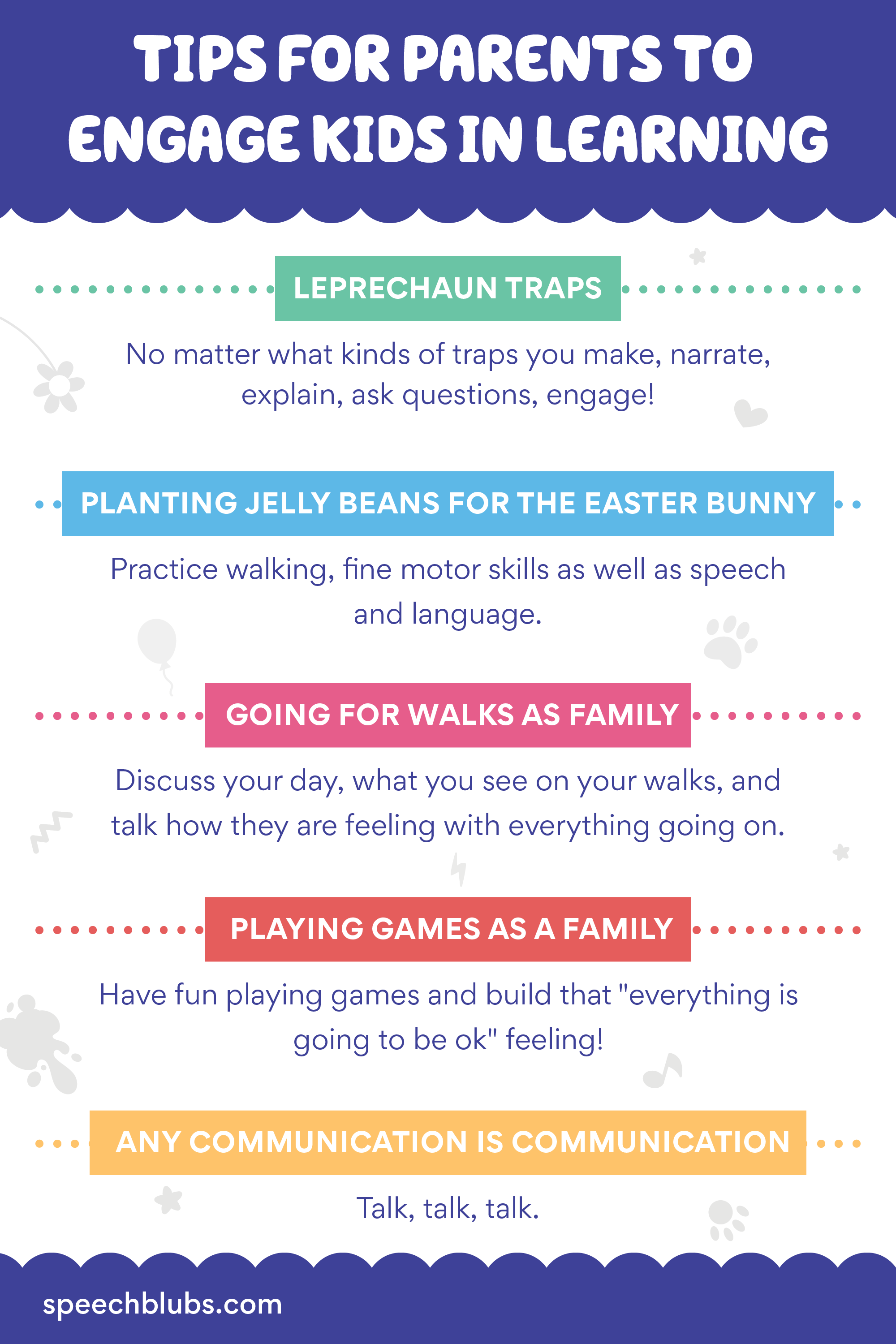
Vocalization helps children express themselves better. Sing songs together often. Simple nursery rhymes are effective. Repeat words and phrases during daily routines. This reinforces language use. Encourage children to mimic sounds. Animal sounds are a great start. Celebrate any attempt at vocalization. Positive reinforcement boosts confidence. Create a supportive environment for your child’s speech growth.
Credit: speechblubs.com
Supporting Communication
Parents can support children with speech delay by engaging in daily conversations. Reading books together strengthens vocabulary and comprehension. Encouraging expression through gestures and play further aids communication development.
Supporting communication in children with speech delay can be transformative. Parents play a crucial role in nurturing these skills. Creating a supportive environment encourages growth and confidence. Children need varied tools to express themselves. Speech delays don’t have to hinder communication. With patience and creativity, parents can help bridge the gap.
Using Visual Aids
Visual aids can be powerful tools for communication. Pictures, charts, and flashcards help children understand words better. They provide a visual connection to spoken language. Use images for daily routines like meals and activities. This association aids in comprehension and response. Picture books are excellent for storytelling and vocabulary building. Label items around the house with pictures and words. This reinforces word recognition and usage. Visual schedules help children anticipate and understand their day. Consistent use of these aids can ease communication challenges.
Promoting Non-verbal Skills
Non-verbal skills are essential for communication. Encourage gestures like pointing, nodding, or shaking the head. These gestures convey meaning without words. Use body language to express emotions and thoughts. Facial expressions can show happiness, surprise, or concern. Teach children to recognize and mimic these expressions. Playing games like charades can enhance non-verbal communication. Encourage eye contact during interactions. It builds connection and understanding. Practice turn-taking in conversations to improve social skills. Non-verbal communication enriches understanding and reduces frustration.
Building A Support Network
Parents facing speech delay challenges can benefit from building a strong support network. Connect with other parents, join local groups, and seek advice from speech therapists. Sharing experiences and strategies can help in navigating this journey effectively.
Building a support network is essential for parents dealing with speech delay in their children. It can be overwhelming, and feeling alone in this journey makes it even harder. Connecting with others who share similar experiences can offer comfort, guidance, and valuable resources. You don’t have to navigate this path alone; there are many avenues to build a supportive community.
Parent Support Groups
Parent support groups can be a lifeline. They offer a safe space to share experiences, ask questions, and learn from others who have walked a similar path. Many local communities have groups specifically for parents of children with speech delays. These groups often host regular meetings, allowing you to connect in person. But what if you don’t have access to local groups? Consider starting one. You might be surprised by how many parents are seeking the same connection. A simple flyer at your child’s school or a post on a community bulletin board can gather interested parents.
Online Resources
The internet is a treasure trove of resources for parents. Online forums and social media groups offer the chance to connect with others across the globe. Websites dedicated to speech delay can provide articles, webinars, and expert advice at your fingertips. Don’t underestimate the power of online courses and webinars. They can offer insights into speech development strategies, often led by experts in the field. These resources can be accessed from the comfort of your home and can be a great supplement to professional therapy. Have you ever found yourself at a loss for how to help your child? Online communities can answer questions you didn’t even know you had. Engaging with these resources can empower you with knowledge and confidence in supporting your child’s journey. Building a support network is not just about finding resources; it’s about finding people who understand your challenges. When you reach out and connect, you create a community around your child’s progress. How will you start building your support network today?
Monitoring Progress
Parents can help their child with speech delay by observing daily progress. Celebrate small victories like new sounds or words. Consistent encouragement and patience boost confidence and communication skills.
Monitoring your child’s progress can be both a rewarding and challenging journey. It is crucial to know where to look and what to look for. By keeping a close eye on improvements, you can better support your child’s speech development and adjust your strategies as needed.
Tracking Improvements
Keep a journal or a digital log of your child’s speech activities and milestones. Note down new words or phrases as they begin to use them. This record will help you see patterns and recognize improvements over time. Consider setting up a simple chart with dates and observations. Include specific details, such as the context in which a new word was used. Reflecting on these entries can provide encouragement and insights into what works best for your child. Celebrate small victories. Did your child say a new word today? Acknowledge it! This positive reinforcement can motivate them to keep trying and learning.
Adjusting Approaches
Sometimes, despite your best efforts, progress might stall. This is a good time to reassess your approach. Are there certain activities or routines your child responds to more positively? Be open to experimenting with different speech exercises. If reading books aloud hasn’t been effective, try engaging in conversations during playtime. Notice how your child reacts to different methods. Talk to other parents or professionals about strategies that worked for them. You might find a technique you hadn’t considered. Remember, each child is unique, and what works for one may not work for another. Can you identify any patterns in the setbacks? Analyzing these can provide valuable insights into how to tweak your approach. Adjusting your methods based on your observations ensures you are providing the best support possible for your child’s needs.
Frequently Asked Questions
How Can I Help My Child With Delayed Speech?
Encourage speech by talking often and reading aloud to your child. Use simple, clear language. Engage in interactive activities like singing songs and playing games that involve naming objects. Consult a speech therapist for professional guidance. Patience and consistent practice can significantly aid speech development.
At What Age Is Speech Considered Delayed?
Speech is considered delayed if a child hasn’t started speaking recognizable words by 18 months or sentences by 2 years. Early intervention can help. Consult a specialist if concerned about speech milestones. Regular check-ups are essential for monitoring development.
What Is A Red Flag For Speech Delay?
A red flag for speech delay is when a child struggles to say simple words by age two. Limited vocabulary or difficulty following simple instructions can also indicate a delay. If a child is not responding to sounds or interacting socially, it may be a sign of speech or language issues.
What Is A Language Delay In A 3.5 Year Old?
A language delay in a 3. 5-year-old means they struggle to speak or understand words typical for their age. It might involve limited vocabulary, difficulty forming sentences, or trouble following directions. Early intervention can help improve communication skills and identify any underlying issues.
Conclusion
Helping a child with speech delay takes patience and understanding. Consistent practice and support can make a big difference. Celebrate small achievements to keep motivation high. Work closely with speech therapists for personalized strategies. Create a supportive environment at home.
Encourage communication through play and daily activities. Stay patient, as progress may be gradual. Every child develops at their own pace. Keep nurturing their confidence and skills. Be their biggest cheerleader. With love and persistence, improvement is possible. You’re not alone on this journey.
Many parents face similar challenges. Keep learning and adapting for your child’s success.