
Parenting an autistic toddler is both rewarding and challenging. Understanding their unique needs is vital for their growth.
Autistic toddlers experience the world differently. They may struggle with communication or sensory overload. This can be overwhelming for parents. But with patience and empathy, you can help them thrive. Learning effective parenting strategies is essential. These can include creating routines, finding ways to communicate, and supporting social interactions.
Each child is unique, requiring tailored approaches. This journey can be demanding, but also deeply fulfilling. With the right guidance, you can foster a nurturing environment for your child. Embrace the learning process and celebrate small victories. Understanding your child’s world will strengthen your bond. Together, you can navigate challenges and embrace each joyful moment.
Recognizing Autism In Toddlers
Recognizing autism in toddlers can be challenging for parents. Early detection helps in providing timely support. Knowing what signs to look for is crucial. It allows parents to better understand their child’s needs. Autism may present differently in each child, making awareness essential.
Early Signs
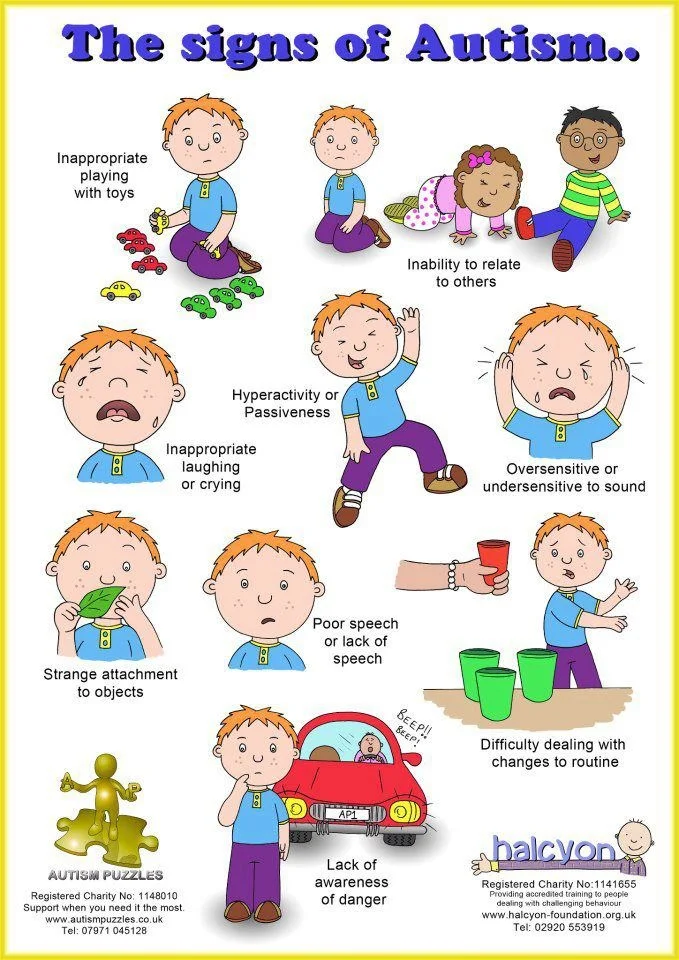
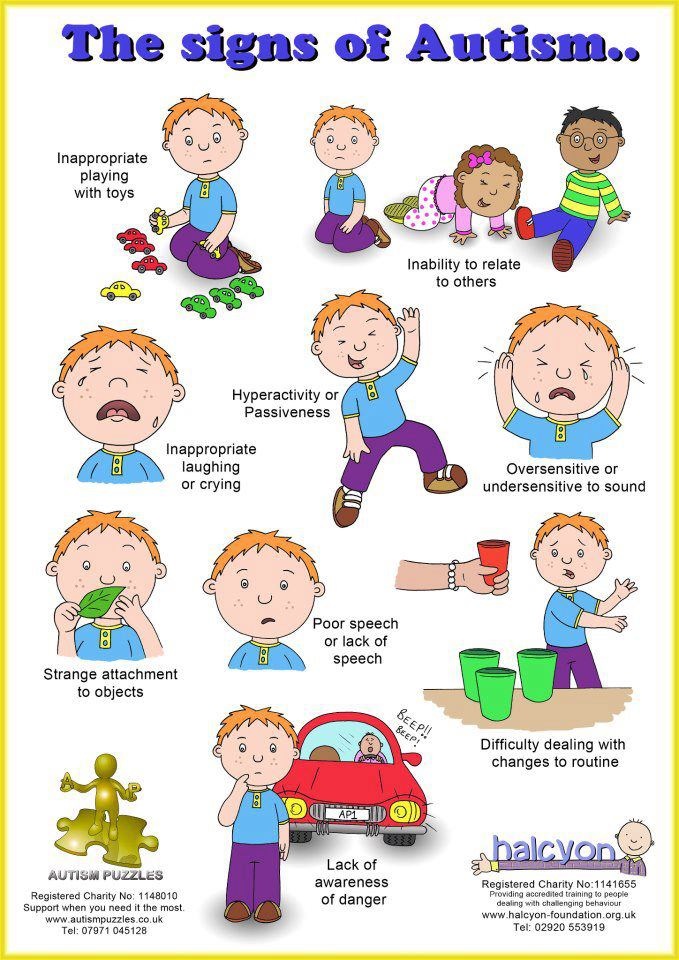
Some toddlers might not respond to their name. Others may avoid eye contact. Unusual or repetitive movements could be noticed. These behaviors might signal autism. Delays in speech or communication are common. Limited interest in toys or games can also be a sign. Observing these early signs is important.
Common Misconceptions
Many believe all autistic toddlers show similar behaviors. This is not true. Autism varies widely among children. Some may be very social. Others might prefer solitude. Not all signs are present in every child. Misunderstanding autism can lead to missed opportunities for support. It’s vital to recognize the unique traits of each child.
Creating A Supportive Environment
Parenting an autistic toddler involves creating a nurturing environment. A supportive space helps them grow and thrive. It is essential to tailor spaces that respect their unique needs. This can ease stress for both the child and the parents.
Safe Spaces At Home
Creating safe spaces at home is crucial. Children need areas where they feel secure. Consider a dedicated room or corner with minimal distractions. Soft lighting and comfortable seating can make a big difference. Remove any items that might cause harm. Secure furniture to prevent tipping. This ensures the child can explore safely.
Sensory-friendly Adjustments
Many autistic children have sensory sensitivities. Adjustments can help them feel more comfortable. Use soft fabrics and muted colors in their room. Avoid harsh lighting and loud noises. Consider noise-canceling headphones or white noise machines. These can soothe them when they feel overwhelmed.
Provide sensory toys like fidget spinners or stress balls. These tools offer comfort and focus. Adjusting the environment to meet sensory needs reduces anxiety. It fosters a sense of calm and stability.
Effective Communication Strategies
Effective communication is crucial for parenting autistic toddlers. Many parents struggle to understand their children’s needs and emotions. With the right strategies, communication becomes easier. These methods help parents connect with their toddlers better. Let’s explore some effective ways to communicate with autistic toddlers.
Non-verbal Communication
Non-verbal communication is key in understanding autistic toddlers. Many toddlers express themselves without words. Observing facial expressions and gestures helps in understanding them. A simple smile can show happiness. A frown might indicate discomfort or sadness.
Parents should pay attention to these cues. Responding to their gestures builds trust. A gentle touch or hug can convey love and support. These actions help in forming a strong bond. Parents should encourage their toddlers to use gestures.
This approach reduces frustration. It allows toddlers to communicate their needs. Non-verbal communication bridges the gap between parents and toddlers.
Using Visual Aids
Visual aids simplify communication with autistic toddlers. Pictures and symbols are effective tools. They help toddlers express their thoughts easily. A picture of a toy can show what they want to play with. Symbols help in daily routines.
Parents can use charts to show activities. This helps toddlers know what to expect. Visual aids reduce anxiety and confusion. They offer clarity in communication.
Creating a picture schedule is beneficial. It helps in organizing daily tasks. Toddlers understand what comes next. Visual aids support learning and interaction.
Using visual aids improves communication skills. It makes everyday tasks easier for both parents and toddlers.
Building Routine And Structure
Creating a consistent routine helps autistic toddlers feel secure. Simple daily structures can reduce anxiety and increase comfort. Parents should focus on predictable activities to support their child’s development.
Building a routine and structure for your autistic toddler can transform your daily life, making it more predictable and less stressful for both you and your child. Structure and routine provide a sense of security, helping your child understand what to expect next. This predictability can significantly reduce anxiety and enhance their ability to cope with daily activities.
Importance Of Consistency
Consistency in routine is crucial for autistic toddlers. It helps them feel safe and understand their environment better. A regular schedule can also improve their emotional and behavioral stability, leading to fewer meltdowns. Imagine the comfort in knowing what comes next—this is what a consistent routine offers your child. It provides a calming rhythm to their day, reducing the chaos that unpredictability brings. It’s essential to keep daily activities consistent, from bedtime routines to meal times. Even small changes can be unsettling, so aim for stability wherever possible.
Daily Schedule Tips
Creating a daily schedule for your autistic toddler can be straightforward. Start by listing essential activities and decide on a sequence that makes the most sense for your family. Visual schedules can be incredibly effective. Use pictures or symbols to represent different activities, and display them in a place your child can easily see. Break the day into manageable chunks. For example, mornings can include breakfast, playtime, and a walk. This not only provides structure but also helps your child transition smoothly from one activity to another. Integrate short breaks to allow your child some downtime. These breaks can be a moment to relax with a favorite toy or a quiet activity. What small change can you make today to bring more consistency into your toddler’s life? Consider starting with one part of the day, like the morning routine, and gradually build from there.
Encouraging Social Interaction
Fostering social interaction in autistic toddlers can be rewarding. Encourage simple play activities to build connections. Use visual aids and routines to create a comfortable environment for socializing.
Encouraging social interaction in autistic toddlers can often feel overwhelming, but it doesn’t have to be. Developing these skills is crucial for their overall growth and happiness. By focusing on gentle guidance and creating supportive environments, you can help your child connect with others in meaningful ways.
Facilitating Play
Creating play opportunities is a powerful way to encourage social interaction. Start with activities your child already enjoys, like building blocks or drawing. Invite another child to join, ensuring the play is structured so your toddler feels secure. Consider using toys that encourage turn-taking, like a ball or a simple board game. This not only makes playtime fun but also teaches patience and sharing. If your child struggles, stay close by to guide them through the process. Observe their play style and interests closely. This helps you identify moments when they’re more receptive to interaction. Have you noticed how they light up when stacking blocks? Use that as a bridge to introduce a playmate.
Navigating Group Settings
Group settings can be intimidating for autistic toddlers, but they offer valuable social learning. Start with small, familiar groups, perhaps with cousins or family friends, to make it less daunting. Familiar faces can ease anxiety and encourage participation. Prepare your child by explaining what to expect in simple terms. Knowing the sequence of events can help them feel more comfortable. You might say, “We will play games with friends, and then have a snack.” Be patient and flexible with their responses. If they seem overwhelmed, it’s okay to step back and try again later. What strategies have you found effective in making group settings less challenging for your child? Share your thoughts in the comments below.
Credit: sueatkinsparentingcoach.com
Managing Meltdowns And Stress
Parenting an autistic toddler can be challenging yet rewarding. Meltdowns can be intense and stressful for both child and parent. Understanding these moments can help create a peaceful environment. Focus on recognizing triggers and applying calming techniques. These strategies can make daily life smoother and more enjoyable.
Calming Techniques
Calming techniques are essential in managing meltdowns. Deep breathing helps soothe anxiety. Guide your toddler through slow, deep breaths. This practice can reduce stress quickly. Another useful method is creating a sensory-friendly space. Soft lighting and quiet areas can calm an overwhelmed child. Weighted blankets offer comfort and security. They help children feel grounded.
Visual aids can also be beneficial. Picture cards or simple drawings communicate expectations clearly. They can prevent frustration and help maintain calm. Music is another powerful tool. Soft tunes can have a soothing effect on a stressed toddler. Experiment with different sounds to find what works best for your child.
Recognizing Triggers
Identifying triggers is key to preventing meltdowns. Observe your child’s behavior closely. Note any patterns leading up to a meltdown. Common triggers include loud noises or sudden changes in routine. Once identified, work on minimizing exposure to these triggers. This proactive approach can greatly reduce stress.
Communicate with your toddler regularly. Encourage them to express their feelings. Even simple words or signs can help. Understanding their emotions can prevent situations from escalating. Keep a diary of stressful events and their contexts. This record helps identify hidden triggers and patterns. Tailor strategies to avoid these situations in the future.
Promoting Skill Development
Parenting an autistic toddler involves understanding unique learning needs. Focusing on skill development helps nurture their growth. Simple activities can enhance motor and language skills. Consistent practice builds confidence. Encouraging play and interaction fosters progress. This guide explores effective methods for skill development.
Motor Skills Activities
Motor skills play a vital role in a child’s development. Simple exercises can boost coordination and strength. Try stacking blocks to improve hand-eye coordination. Encourage your toddler to play with clay. It strengthens fingers and enhances creativity. Puzzles are great for problem-solving and fine motor skills. Also, consider sorting games with colorful objects. These activities make learning fun and engaging.
Language Development Games
Language games help autistic toddlers communicate better. Start with simple word games using pictures. Point and name objects around the house. Encourage repetition to reinforce learning. Use songs and rhymes to build vocabulary. Interactive storybooks are excellent tools. They engage your child’s interest while teaching new words. Encourage your toddler to express themselves during play. This builds confidence and improves language skills.

Credit: www.pinterest.com
Collaborating With Professionals
Working with specialists offers valuable insights for parents of autistic toddlers. Professionals provide tailored strategies to support development and communication. Building strong relationships enhances understanding and trust, fostering a nurturing environment for growth.
Collaborating with professionals is a vital step in supporting your autistic toddler’s development. By working closely with therapists and educators, you can create a nurturing environment tailored to your child’s unique needs. This partnership helps you gain insights and strategies that might not be immediately obvious but can make a significant difference in your child’s growth.
Therapists And Specialists
Building a strong relationship with therapists and specialists can be incredibly beneficial. These professionals have the expertise to guide you through specific challenges your child might face. Whether it’s speech therapy or occupational therapy, they offer tailored approaches that you can integrate into your daily routine. Regular sessions with therapists can open doors to new communication methods. You might discover that your child responds well to visual aids or sensory tools. Keep an open dialogue with these specialists to adjust strategies as your child progresses. Have you ever tried using sign language to communicate with your toddler? Some parents find it effective when words are challenging for their child. Engaging with a speech therapist can introduce you to such innovative techniques.
Educational Support
Educational professionals play a crucial role in your child’s development journey. Teachers and educational aides can provide additional support within a structured learning environment. Collaborating with them ensures that your child receives consistent guidance both at home and in school. Attend meetings and stay involved in your child’s educational plan. By understanding their learning style, you can reinforce school lessons at home. This continuity can greatly enhance your child’s ability to grasp new concepts. Consider how a customized educational approach can impact your toddler’s progress. Have you explored the possibility of individualized education plans (IEPs)? These plans are designed to meet specific educational needs and can be a game changer in fostering your child’s learning. By embracing collaboration with professionals, you’re not just supporting your child; you’re empowering yourself with knowledge and tools to make informed decisions. What strategies have you found most effective in your journey?
Self-care For Parents
Caring for autistic toddlers requires patience and understanding. Parents need self-care to stay balanced and support their children effectively. Simple routines like short daily walks or quiet moments can rejuvenate and help manage stress.
Navigating the world of parenting an autistic toddler can be challenging, and it’s crucial to remember that taking care of yourself is just as important as caring for your child. Self-care doesn’t mean you’re neglecting your child’s needs; it means you’re equipping yourself to be the best parent you can be. When you prioritize your well-being, you model healthy habits and resilience for your child.
10 Best Sensory Toys for 2 Year Olds In 2026
Finding Support Networks
Finding others who understand your journey can make a world of difference. Consider joining local or online support groups for parents of autistic children. These networks provide a safe space to share experiences, exchange advice, and sometimes just to vent. Imagine the relief in knowing someone else has faced similar challenges and found ways to overcome them. Moreover, support networks can introduce you to resources and therapies that you might not have discovered on your own. Where can you find these networks? Many communities have local autism associations or parent groups. A quick online search can also connect you to forums or social media groups dedicated to support and sharing.
Balancing Responsibilities
Balancing the responsibilities of parenting an autistic toddler with other aspects of life can be daunting. It’s easy to feel overwhelmed, but creating a manageable routine can help. Start by setting realistic expectations for yourself and your family. List out your daily tasks and identify which ones are essential. Prioritize those tasks and see if there are others you can delegate or postpone. Remember, it’s okay to ask for help from family members or friends. Have you considered scheduling regular breaks? Even a few minutes of downtime can recharge your energy. Use this time to read a book, meditate, or simply enjoy a quiet moment with your favorite beverage. By focusing on self-care, you not only enhance your own well-being but also create a more nurturing environment for your child. What small step can you take today to care for yourself?
Credit: www.twinkl.com
Frequently Asked Questions
How Do You Help A Toddler With Autism?
Support a toddler with autism through structured routines, early intervention therapies, and engaging activities. Encourage communication skills and offer sensory-friendly environments. Consult with specialists for personalized strategies. Celebrate small achievements and maintain patience and understanding.
What Parenting Style Is Best For Autism?
The best parenting style for autism is often a balanced approach. Use positive reinforcement, consistency, and empathy. Tailor strategies to the child’s unique needs and strengths. Encourage communication and provide a supportive environment. Professional guidance can enhance parenting techniques for better outcomes.
What Is The Hardest Age With An Autistic Child?
The hardest age for an autistic child varies, often challenging during early childhood due to developmental milestones. Adolescence can also be difficult due to social pressures. Each child’s experience differs, making personalized support crucial. Consistent routines, therapies, and understanding help navigate these challenging phases effectively.
How Do You Discipline A Toddler With Autism?
Use positive reinforcement and clear communication. Establish routines and set simple, consistent rules. Offer choices to empower them. Use visual aids and social stories for better understanding. Stay patient and calm during challenging moments.
Conclusion
Guiding autistic toddlers requires patience and understanding. Celebrate small victories each day. Every child is unique. Tailor strategies to your toddler’s needs. Be consistent in your approach. Consistency builds trust and routine. Seek support from professionals and other parents. Sharing experiences helps everyone.
Trust your instincts as a parent. You know your child best. Remember to take care of yourself too. Parenting can be challenging but rewarding. Breathe and take one step at a time. With love and support, your toddler can thrive.
Keep learning, adapting, and growing together. Your dedication makes a difference.