
Language development is crucial for toddlers. Many parents seek effective therapy techniques.
Toddlers are like little sponges, absorbing everything around them. Their language skills grow rapidly, shaping their communication abilities. Language therapy can be vital for those who need a little extra help. It supports their journey to expressing themselves clearly and understanding others.
With the right techniques, therapists and parents can nurture these skills effectively. Language therapy offers targeted strategies to aid speech and comprehension. It helps children overcome any hurdles in their path. Techniques can vary, from playful interactions to structured exercises. Each method aims to make language learning fun and engaging. This creates a positive experience for toddlers. Understanding these techniques can empower parents and caregivers. It ensures every child has the opportunity to thrive in their communication journey.

Credit: www.amazon.com
Introduction To Language Therapy
Language therapy for toddlers can be a game-changer, especially when it comes to bridging communication gaps at an early age. It’s not just about helping your child say their first words; it’s about building a foundation for future communication skills. Language therapy offers techniques that are tailored to the specific needs of toddlers, making it an essential tool for parents and caregivers.
Importance Of Early Intervention
Why wait for your child to grow into their language skills when early intervention can provide a head start? Addressing language delays early on can significantly impact a child’s ability to communicate effectively. Early intervention helps in reducing frustration for both you and your toddler, making daily interactions more enjoyable and meaningful.
Consider the story of a parent who noticed their toddler struggled with forming words. With early language therapy, the child began to express themselves more clearly within months, easing family interactions. This experience shows the power of starting early and setting the stage for future academic and social success.
Goals For Toddlers
Setting clear goals can make language therapy more effective and rewarding. For toddlers, the focus is often on enhancing vocabulary, improving sentence structure, and encouraging social skills. One practical goal could be to help your child learn and use ten new words in a month.
Another important goal is to increase your toddler’s ability to follow simple instructions, like “please bring your toy.” This not only boosts language skills but also enhances their ability to understand and respond to their environment. Achieving these small milestones can lead to significant improvements in your toddler’s communication abilities over time.
Think about your toddler’s daily routine. How often do they attempt to communicate with you? Whether it’s through gestures, sounds, or words, every interaction is an opportunity for growth. With the right techniques and goals, you can transform these moments into powerful learning experiences.
Identifying Speech Delays
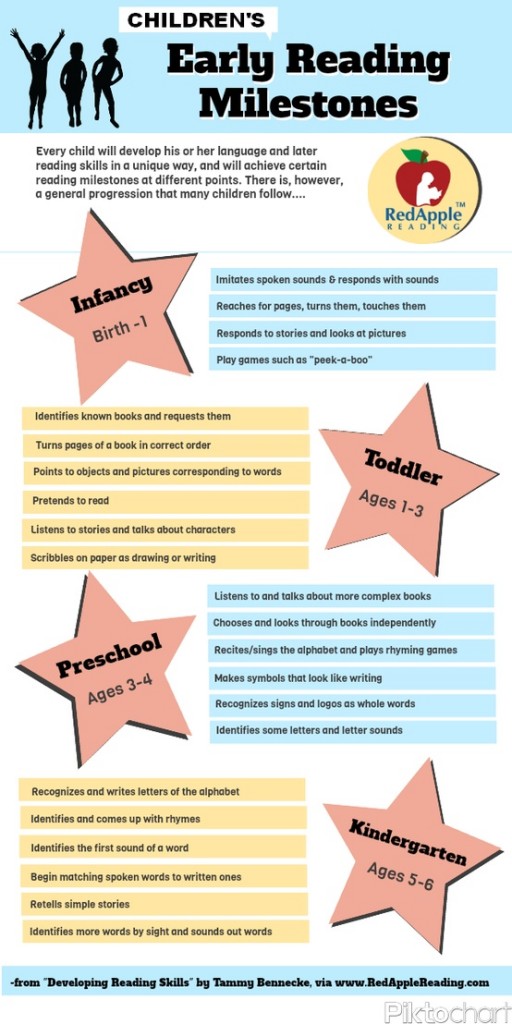
Identifying speech delays in toddlers involves observing their language development milestones. Language therapy techniques can help improve their communication skills. Simple activities, like storytelling and singing, encourage speech progress.
Identifying speech delays in toddlers can be a challenging task for many parents. It’s a phase where every child progresses at their own pace, but certain signals can indicate that professional help might be needed. Understanding these signs and knowing when to act can make a significant difference in your child’s communication skills.
Common Signs In Toddlers
It’s normal for toddlers to babble and experiment with sounds. However, if your child isn’t using gestures like pointing or waving by 12 months, it could be a red flag. Limited use of consonant sounds or a lack of response to their name are also common indicators. Another sign is if your toddler isn’t saying words like “mama” or “dada” by 15 months. By age 2, most children can combine two words, such as “want milk.” If your toddler isn’t doing this, it might be time to pay closer attention. My nephew, for instance, was quite expressive with gestures but used very few words. This prompted us to take action early, which led to significant improvements with the right intervention.
When To Seek Professional Help
You might wonder when it’s appropriate to consult a specialist. It’s wise to seek help if your child shows any of the signs mentioned above. Early intervention can be crucial. Consulting a speech therapist can provide a clear picture of your child’s needs. They can assess your child’s abilities and suggest personalized techniques to encourage speech development. If you’re feeling uncertain, ask yourself: Is my child able to express basic needs and emotions? If the answer is no, it might be time to seek expert advice. Trust your instincts; as a parent, you know your child best. What steps are you taking to support your toddler’s language development? Engage with your child, observe their progress, and don’t hesitate to reach out for help when needed.
Interactive Play-based Techniques
Interactive play-based techniques help toddlers develop language skills through fun and engaging activities. These methods encourage toddlers to explore words, sounds, and sentences naturally. They promote learning in a playful environment.
Interactive play-based techniques are vital for language therapy in toddlers. Engaging toddlers through play encourages language skills. It makes learning fun and effective. These techniques use toys and imagination to promote communication. They build vocabulary and improve understanding. Here, we explore two key methods: using toys for language development and imaginative play.
Using Toys For Language Development
Toys are excellent tools for language growth. Blocks, dolls, and cars offer learning opportunities. Encourage toddlers to name objects. This builds vocabulary. Use simple words and phrases during play. Ask open-ended questions. Prompt the child to describe actions. This fosters sentence formation. Toys with varied textures and colors enhance understanding. They stimulate conversation. Interactive toys can model dialogue. They engage toddlers in playful exchanges.
Role Of Imaginative Play
Imaginative play sparks creativity and language skills. Pretend scenarios allow role-playing. Toddlers create stories with their toys. This builds narrative skills. Encourage pretending to be characters. Use costumes or props to enhance play. Guide storytelling with simple prompts. Ask about their pretend world. Create dialogues between toys. This boosts conversational skills. Imaginative play helps toddlers express thoughts. It supports emotional understanding and empathy.
Storytelling And Book Reading
Storytelling and book reading offer effective language therapy techniques for toddlers. These activities help develop vocabulary and listening skills. Engaging stories captivate young minds, encouraging language exploration and comprehension.
Storytelling and book reading are powerful tools in language therapy for toddlers. These activities not only engage a child’s imagination but also help develop essential language skills. By introducing stories, you provide a rich environment for learning new words, understanding sentence structures, and building listening skills.
Choosing The Right Books
Start with books that have vibrant pictures and simple texts. Choose stories that are relevant to your toddler’s interests—be it animals, trucks, or fairy tales. Books with repetitive phrases can be particularly effective as they encourage toddlers to predict and participate. Consider the length of the book. Short, engaging stories hold a toddler’s attention better. A book that is too lengthy can lead to distractions. Opt for interactive books with flaps or textures to make reading a multisensory experience.
Engaging With Storytime
Transform storytime into a dynamic conversation. Ask questions about the story or the characters to encourage your toddler to think and respond. “What do you think happens next?” can spark curiosity and dialogue. Use different voices for characters to make the story more exciting. This not only captivates your toddler but also demonstrates how tone and pitch can convey meaning. Point to pictures as you read to connect words with visuals, reinforcing comprehension. Make storytime a daily ritual, creating a sense of anticipation and routine. Have you noticed how a familiar story becomes a favorite? Repetition strengthens understanding and builds confidence in language use.
Music And Rhymes
Music and rhymes spark interest and improve speech skills in toddlers. Singing helps them learn new words. Rhymes make language fun and memorable, aiding comprehension and pronunciation. These techniques support early language therapy, fostering communication development through engaging activities.
Engaging toddlers in language therapy can be both fun and effective when you use music and rhymes. These tools naturally capture a child’s attention and make learning feel like play. When you sing or rhyme with your toddler, you’re not just entertaining them; you’re also helping them develop crucial language skills.
Incorporating Songs
Adding songs to your toddler’s daily routine can make a big difference. Whether it’s a classic nursery rhyme or a simple song you make up, melodies often stick in a child’s mind. Singing together during bath time or while cleaning up can transform mundane tasks into enjoyable learning moments. Consider using songs that involve actions. Songs like “Head, Shoulders, Knees, and Toes” encourage toddlers to follow along, enhancing both their language and motor skills. Have you noticed how a familiar tune can bring a smile to your toddler’s face and prompt them to start singing?
Benefits Of Rhyming Games
Rhyming games are another great way to boost your toddler’s language development. They teach children about sounds and patterns in words, which is foundational for reading. Simple games like “I Spy” with rhyming words can be played anywhere, turning waiting times into learning opportunities. Engage your toddler by playing rhyming games during car rides. Point out objects and ask them to find words that rhyme. You’ll be amazed at how quickly they pick up on patterns and start creating their own rhymes. Have you ever played a rhyming game and been surprised by your toddler’s creativity? Encouraging them to think of silly rhymes can not only enhance their language skills but also their imagination. These playful interactions foster a love for words and make learning a joyful experience. Remember, the key is consistency and making it a natural part of your time together. Songs and rhymes can transform your toddler’s world, one playful note at a time.
Visual Aids And Tools
Visual aids like pictures and flashcards help toddlers grasp new words during language therapy sessions. Tools such as interactive apps and toys engage young learners, making language practice fun and effective. These resources support therapists in creating a dynamic learning environment tailored to toddlers’ needs.
Visual aids and tools are powerful allies in language therapy for toddlers. They provide a tangible way for young minds to connect words with meanings. These tools can transform learning into a fun and interactive experience.
Utilizing Picture Cards
Picture cards are a staple in language therapy. They help toddlers associate images with words. This method encourages them to express thoughts verbally. Start with cards depicting everyday objects like a ball, apple, or car. You can engage your child by asking, “Can you find the apple card?” This promotes recognition and vocabulary building. Organize picture cards by themes or categories. It helps toddlers understand relationships between words. For example, grouping animals or foods can enhance their learning experience. Involve toddlers in making their own picture cards. Use photos from magazines or printouts. This activity can be a bonding moment and make learning personal.
Technology In Language Learning
Today’s digital age offers numerous apps and tools for language therapy. Tablets and smartphones can become educational companions. Interactive apps engage toddlers with colorful visuals and sounds. Choose apps designed by language experts. Look for ones with positive reviews from other parents. These apps often include games that teach vocabulary and sentence structure. Set screen time limits. Balance digital learning with physical interaction. This ensures toddlers remain active participants in their learning journey. Consider using video calls with family members who speak different languages. It adds a personal touch to language learning. Plus, it can strengthen family bonds across distances. Have you tried mixing traditional and modern techniques in language therapy? Share your experiences and tips. Your insights might help others on the same journey.
Parental Involvement
Parents play a crucial role in their toddler’s language development. Engaging with your child daily strengthens their communication skills. Simple interactions can make a big difference in their progress. Parents can create environments that encourage language growth. Being actively involved is key to a toddler’s success.
Creating A Language-rich Environment
Filling your home with words boosts your child’s language skills. Use books, songs, and conversations daily. Talk about everyday activities as you do them. Describe what you see and hear. Label objects around the house. This helps toddlers connect words with meanings. Make language a natural part of your day.
Daily Language Activities
Incorporate language into daily routines. Sing songs during bath time. Ask questions while preparing meals. Read stories before bedtime. Encourage your toddler to repeat words. Play simple word games together. Make language learning fun and interactive. Consistent practice helps toddlers learn faster.
Credit: www.speechbuddy.com
Collaborating With Speech Therapists
Speech therapists use playful techniques to help toddlers learn language. Activities like rhyming games and songs make sessions fun. Parents can collaborate by practicing these techniques at home.
Collaborating with speech therapists can significantly enhance language development in toddlers. Parents often seek guidance from these experts to support their child’s communication skills. Working together with a speech therapist provides structured techniques. This collaboration ensures a comprehensive approach to language therapy.
Finding Qualified Professionals
Searching for the right speech therapist is crucial. Check their qualifications and experience with toddlers. Look for certifications in speech-language pathology. Ask for recommendations from friends or family. Online reviews can also offer insights into their effectiveness. Ensure the therapist is patient and understanding. Their approach should align with your child’s needs.
Integrating Therapy At Home
Therapy doesn’t end at the clinic. Practice is essential at home too. Incorporate therapy exercises into daily routines. Use simple games and activities to make learning fun. Encourage your toddler to express themselves. Read books together to build vocabulary. Use everyday situations to practice language skills. Consistency and patience are key.
Tracking Progress
Observing toddlers during language therapy sessions helps identify effective techniques. Regular check-ins allow therapists to adjust strategies based on progress. Tracking improvements in communication skills ensures personalized support for each child’s development.
Tracking progress in language therapy for toddlers is crucial for both parents and therapists. It ensures that the child is moving in the right direction and helps identify areas needing more focus. By consistently monitoring development, you can celebrate the small victories and make informed decisions about the next steps.
Setting Realistic Milestones
Setting achievable goals is the first step in tracking progress. These milestones should be tailored to your child’s unique needs and abilities. For example, you might set a goal for your toddler to use two-word sentences within a specific timeframe. It’s important to remember that every child progresses at their own pace. Comparing your toddler to others can be discouraging. Instead, focus on individual growth and the small steps that lead to bigger achievements. Having clear milestones provides motivation and a sense of accomplishment. Celebrate each milestone with enthusiasm. This positive reinforcement encourages continued progress.
Adjusting Techniques As Needed
Not every technique will work for every child. If a particular approach isn’t effective, don’t hesitate to switch things up. Flexibility is key in language therapy. Observe how your toddler responds to different techniques. Are they more engaged with songs, games, or books? Use these observations to tailor your approach. Regularly updating your methods keeps therapy fresh and exciting for your toddler. This adaptability can prevent frustration and maintain their interest. Remember, the goal is to make learning enjoyable and effective. Have you considered keeping a journal to document your toddler’s progress? This can help you spot patterns and make informed adjustments. Plus, it’s a wonderful way to look back and see how far your little one has come.

Credit: www.speechbuddy.com
Conclusion And Encouragement
Exploring language therapy techniques can significantly aid toddlers in communication development. These methods nurture essential skills through fun and interactive activities. Encouraging consistent practice at home ensures steady progress and boosts confidence.
Language therapy for toddlers can be a journey filled with ups and downs. It’s a path that requires patience, creativity, and a sprinkle of fun. Understanding the techniques is essential, but embracing the process with encouragement can truly make a difference. As you help your toddler find their voice, remember that every step forward is a victory worth celebrating.
Celebrating Small Wins
Every word spoken or gesture understood by your toddler is a triumph. Celebrate these moments with joy and excitement. Use stickers, a fun song, or a happy dance to mark these achievements. This positivity not only boosts your child’s confidence but also motivates them to keep going. Reflect on these victories at the end of each week, and you’ll see how far your toddler has come.
Long-term Benefits
The techniques you use today can shape your toddler’s future communication skills. Imagine your child confidently expressing themselves in social settings or articulating their thoughts clearly at school. These are the long-term benefits that language therapy can offer. Investing time now can lead to a lifetime of effective communication. Consider how this foundation will support their learning and relationships. As you guide your toddler through language therapy, what small wins have you celebrated recently? How do these victories inspire you to continue? Embrace the journey, and remember, each step forward is a step towards a brighter communicative future for your child.
Frequently Asked Questions
How To Do Speech Therapy With A Toddler?
Engage your toddler with fun activities like singing, reading, and playing. Encourage them to repeat words. Use simple, clear sentences. Praise their efforts to boost confidence. Consider consulting a speech therapist for personalized guidance.
What Are 4 Ways Parents Can Help Their Toddlers Learn Language?
Parents can enhance toddlers’ language by engaging in conversations, reading aloud, singing songs, and playing word games. Interaction fosters vocabulary growth. Reading introduces new words and concepts. Singing improves memory and pronunciation. Games make learning fun and interactive, boosting language skills effectively.
What Activities Improve Toddlers Speech?
Engage toddlers with storytelling, singing, and nursery rhymes. Encourage conversations and ask open-ended questions. Play games that involve naming objects and sounds. Regular reading sessions enhance vocabulary. Use gestures and visual aids to reinforce understanding. Consistent interaction promotes speech development effectively.
How Can I Stimulate My Toddler’s Language?
Engage your toddler in daily conversations and read books together. Encourage them to express themselves with words. Sing songs and play games that involve talking. Respond positively to their attempts at communication. Create a language-rich environment with diverse vocabulary.
Conclusion
Parents can help toddlers with language skills. Use simple techniques daily. Talk often and read together. Play games with words. Encourage them to express ideas. Listen actively to their attempts. Praise their progress. These activities boost confidence. Consistent practice makes a difference.
Patience is key. Every child grows at their own pace. With love and support, toddlers learn to communicate. Try these methods. See improvement over time. Language skills open doors for toddlers. Communication strengthens bonds. Watch them thrive and explore. Support their journey with enthusiasm.