
Imagine watching your child play and noticing they aren’t speaking as much as other kids their age. You start to wonder, “Is this normal, or is something more serious going on?”
This question is more common than you might think, and it leads many parents down a path of worry and uncertainty. If you’ve ever found yourself in this situation, you’re not alone. Understanding whether speech delay is considered a disability can be a crucial step in ensuring your child gets the support they need.
We will explore what speech delay truly means, how it can impact development, and most importantly, how you can make informed decisions to help your child thrive. So, if you’re seeking clarity and guidance, you’re in the right place. Let’s dive into the heart of the matter and uncover the answers you’ve been looking for.
Credit: www.expressable.com
Understanding Speech Delay
Speech delay often raises concerns about its classification as a disability. Parents notice varying language milestones in kids. Experts debate whether speech delay fits the disability criteria, as it depends on severity and impact.
Understanding Speech Delay Speech delay can be puzzling for many parents. You might wonder if your child’s delayed speech is just a phase or something more serious. Understanding speech delay is crucial for early intervention and support. This knowledge empowers you to make informed decisions and seek the right help. Let’s break it down further.Common Causes
Speech delay can stem from various factors. Hearing loss is a significant one; if a child can’t hear well, they struggle to mimic sounds. Another common cause is developmental disorders like autism. Sometimes, it’s just a lack of stimulation—children need to hear words often to learn them. Environmental factors also play a role. In homes where multiple languages are spoken, children might take longer to sort out the speech patterns. Consider if your child is around others who speak often; interaction is key to speech development.Symptoms And Signs
Recognizing symptoms early can make a huge difference. If your child isn’t using words by age two, it might be time to consult a professional. Look for signs like difficulty in forming sounds or not responding to simple verbal requests. Another symptom is limited vocabulary. If your child struggles to find words for everyday objects, they might be experiencing a delay. You might notice frustration when they try to communicate but can’t express themselves. Does your child seem uninterested in communication? This can be another sign. Pay attention to their social engagement; children with speech delay often shy away from interactions. Remember, speech delay is not necessarily a disability but a cue to seek support. Have you noticed any signs in your child? It’s okay to reach out for help. Engaging with specialists can open up new pathways for your child’s communication journey.Differences Between Speech Delay And Disability
Speech delay and disability differ in impact and cause. Delay often resolves with age, while disability may require ongoing support. Understanding these distinctions helps tailor effective interventions.
Speech delay and disability often get confused. Yet, they are not the same. Understanding their differences is crucial for addressing each appropriately. Speech delay occurs when a child’s speech develops slower than expected. This can be temporary and often resolves with time or therapy. Disability, on the other hand, is a more permanent condition. It may affect various aspects of life, beyond just speech.Speech Delay Vs. Speech Disorder
Speech delay involves slow speech development. A child might not talk as much or as clearly as peers. This doesn’t always mean there’s an underlying disorder. Many kids catch up without lasting effects. A speech disorder is different. It involves problems with making sounds or forming words. Disorders may need long-term therapy and support.Impact On Daily Life
A speech delay might cause frustration. Children may struggle to express themselves. This can lead to emotional or social challenges. Yet, these often improve with the right support. A disability has a broader impact. It can affect learning, social interactions, and daily tasks. Support and resources are essential for managing these challenges effectively. “`Assessment And Diagnosis
Understanding whether speech delay is a disability requires proper assessment and diagnosis. Early identification is key. It helps in planning effective interventions. Professionals analyze various aspects during assessment. They look at speech patterns, language skills, and overall communication. Accurate diagnosis guides treatment options. Parents often seek expert opinions. They want to understand their child’s needs better.
Role Of Speech Therapists
Speech therapists play a vital role in diagnosing speech delays. They conduct detailed evaluations. These evaluations include various tests. Therapists measure speech sounds, vocabulary, and comprehension. They assess how a child interacts. It’s crucial to identify specific issues. Therapists develop personalized strategies. These strategies target unique challenges. They also provide guidance to parents.
Evaluating Developmental Milestones
Evaluating developmental milestones is important. It helps in understanding speech delays. Experts compare a child’s progress to typical milestones. They check if the child is meeting expected goals. This includes understanding words, forming sentences, and social interactions. Delays in these areas signal potential issues. Early evaluation leads to better outcomes. It allows timely interventions.
Approaches To Treatment
Speech delay might not always be considered a disability. Early intervention through therapy can help improve communication skills. Tailored approaches focus on enhancing speech clarity and understanding.
Understanding that a speech delay might be considered a disability can be overwhelming for parents and caregivers. But there’s hope and a variety of effective treatment approaches available. These methods not only aim to improve communication skills but also boost confidence and social interaction. You might wonder, which approach is the best for your child? The answer often lies in a combination of tailored strategies. Let’s explore some practical approaches to treatment. ###Speech Therapy Techniques
Speech therapy is often the cornerstone of treatment for speech delays. Qualified speech therapists use evidence-based techniques to help children articulate sounds and words more clearly. A common method used is the “play therapy” technique, where learning happens through play. This approach not only makes therapy sessions fun but also keeps children engaged. Another technique is “modeling,” where the therapist speaks slowly and clearly, encouraging the child to mimic sounds and words. This repeated practice can improve articulation over time. ###Parent And Caregiver Involvement
Your role as a parent or caregiver is crucial in the treatment process. Imagine a day where you turn daily routines into speech practice opportunities—during meals or while getting ready for bed. You can introduce simple games that encourage talking, like pointing at objects and naming them together. This not only aids language development but also strengthens your bond with the child. Regular communication with your child’s therapist can help you understand specific exercises to practice at home. It’s about creating an environment where speech practice feels natural and rewarding. Engagement and consistency are key. You might ask yourself, how can you integrate these techniques into your daily life? The answer often lies in small, consistent efforts that gradually build up to significant improvements. By actively participating in your child’s therapy, you become an integral part of their progress, helping them to not only overcome speech delays but also to thrive in their communication skills.Challenges In Labeling Speech Delay As A Disability
Speech delay often raises questions about whether it should be labeled as a disability. Parents and educators struggle with categorizing this condition. The difficulty lies in understanding the varying impacts on children. Speech delay affects each child differently. Some may experience mild communication issues. Others face significant barriers in daily interactions. This complexity makes labeling challenging.
Social And Emotional Factors
Children with speech delay may face social challenges. Making friends becomes difficult. They struggle to express thoughts and feelings. This can lead to isolation. Their emotional well-being may suffer. Frustration and anxiety often arise. Parents worry about their child’s self-esteem. Support networks are crucial. Encouraging interaction with peers is important. Understanding these social dynamics helps in assessing the condition.
Educational Implications
Speech delay impacts learning. Communication skills are essential in education. Children may face barriers in understanding instructions. They struggle with expressing ideas. Teachers play a vital role in support. Specialized programs may be needed. Early intervention is key. Addressing speech delay in school settings is complex. Tailored learning approaches can make a difference. Recognizing educational needs helps in providing effective support.
Legal And Educational Perspectives
Understanding speech delay within legal and educational frameworks is vital. It helps in identifying necessary support and accommodations. Various perspectives exist on whether speech delay is a disability. This impacts how children receive services and protections. Let’s explore how these perspectives shape special education and rights.
Special Education Services
Schools offer special education services for children with speech delay. These services aim to support communication skills. Individualized Education Plans (IEPs) can be developed. They address unique needs and set learning goals. Speech therapy is a common inclusion. Professionals work with children to improve speech capabilities.
Access to special education services depends on assessments. Experts evaluate speech delay severity. Their findings guide eligibility for support. Parents and educators collaborate to ensure effective interventions. Early intervention is crucial for success. It helps children develop essential communication skills.
Rights And Protections
Children with speech delay have rights under law. The Individuals with Disabilities Education Act (IDEA) provides protections. This law ensures access to free appropriate public education. It mandates services tailored to individual needs. Parents play a key role in advocating for their child’s rights.
Speech delay is recognized in legal frameworks. This recognition provides access to necessary accommodations. Schools must provide these without discrimination. Legal protections ensure fair treatment in educational settings. Knowing these rights empowers parents and guardians.
Success Stories And Case Studies
Exploring whether speech delay is a disability, stories reveal varied experiences of children overcoming challenges. Case studies highlight early intervention’s impact on progress. Parents and experts share insights on support strategies, fostering hope and understanding.
Success stories and case studies offer valuable insights into whether speech delay is considered a disability. They provide real-life examples of how individuals have navigated this challenge, often leading to successful outcomes. By examining these stories, you can gain a better understanding of the potential for growth and improvement.Personal Accounts
Many parents and caregivers share personal stories about overcoming speech delays. Consider a parent whose child was initially non-verbal at the age of three. Through consistent speech therapy and home exercises, the child began speaking in full sentences by age five. These personal accounts highlight the importance of early intervention. They also demonstrate that with support, children can make significant progress. Have you experienced or heard of similar stories in your community?Long-term Outcomes
Long-term outcomes of speech delay intervention can vary. Some children who receive early and appropriate support show remarkable improvement. They often catch up to their peers in language skills by the time they reach school age. On the other hand, some may continue to experience mild communication challenges. However, they often develop strategies to manage these effectively. What strategies have you found helpful in dealing with speech-related challenges? The success stories and case studies emphasize the potential for positive change. They serve as a reminder that, while speech delay can be challenging, it is not an insurmountable barrier. The right approach and support can lead to successful communication and social integration.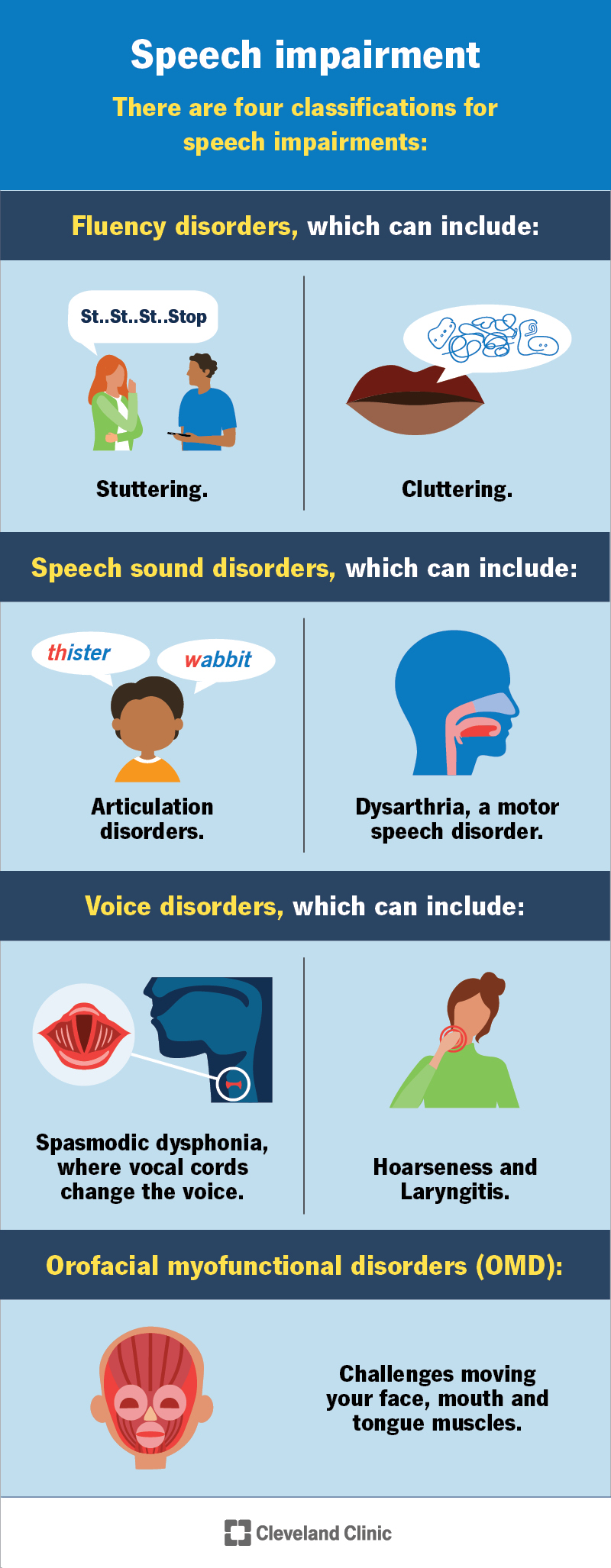
Credit: my.clevelandclinic.org
Credit: www.expressable.com
Frequently Asked Questions
Can You Get Disability For Speech Delay?
You may qualify for disability benefits due to speech delay if it significantly impacts daily life. Eligibility depends on severity and meeting Social Security criteria. Consult a specialist to evaluate your case and explore potential benefits.
Does Delayed Speech Mean Learning Disability?
Delayed speech doesn’t always indicate a learning disability. It can be caused by various factors, including hearing issues or developmental delays. Early evaluation by a specialist can help identify the cause and guide appropriate intervention. Addressing speech delays promptly can significantly improve communication skills in children.
What Age Is Considered Speech Delayed?
Speech delay is often considered when a child isn’t speaking at least 50 words by age two. Early intervention can help. Monitor milestones and consult professionals for guidance. Every child develops at their own pace, but signs of delay should be addressed promptly.
What To Do If Your Child Is Speech Delay?
Consult a pediatrician for evaluation and guidance. Encourage speech through play and reading. Consider speech therapy. Limit screen time and engage in conversations. Create a supportive environment to foster communication.
Conclusion
Speech delay is complex but not always a disability. Many factors play a role. Early intervention helps manage challenges. Speech therapy supports development. Parents should consult experts for guidance. Knowing when to seek help is crucial. Understanding speech delay improves coping strategies.
It’s essential to stay informed. Every child is unique in development. Addressing concerns early makes a difference. Support networks offer valuable resources. Encourage communication at home. Be patient and understanding. Celebrate small victories in progress. A supportive environment fosters growth.
Stay hopeful and proactive. Speech delay is manageable with the right approach.