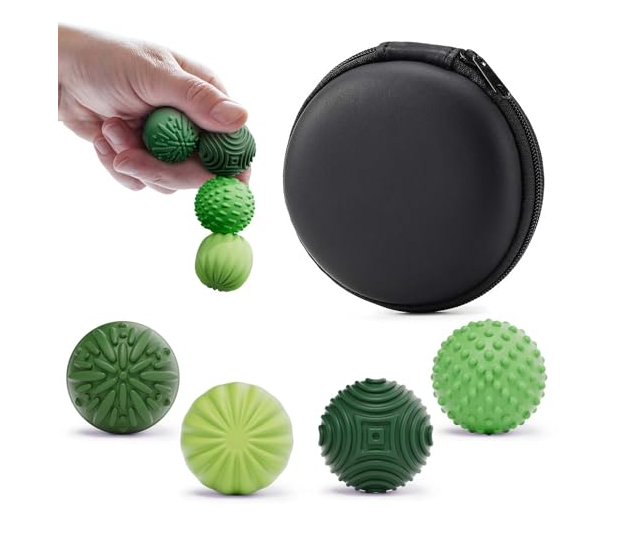
Imagine having a tool that could help ease anxiety, improve focus, and provide comfort all at once. If you or a loved one is navigating the challenges of autism, you’re likely always on the lookout for effective strategies that can make everyday life a little smoother.
Enter fidget toys – seemingly simple gadgets that pack a powerful punch in supporting individuals with autism. But how exactly do these intriguing devices work their magic? You’re about to discover the fascinating ways fidget toys can transform stress into calm and distraction into concentration.
Stay with us to explore how these small toys can make a big difference in enhancing your or your loved one’s daily experiences.
The Science Behind Fidget Toys
Fidget toys have gained popularity as tools to aid individuals with autism. These small devices offer sensory stimulation that can help improve concentration and reduce stress. Understanding the science behind fidget toys can explain why they are effective for people with autism.
The Role Of Sensory Stimulation
Sensory stimulation is crucial for individuals with autism. Fidget toys provide tactile feedback that can calm their nervous system. This tactile interaction engages the brain in unique ways. It helps to focus attention and reduce anxiety.
Increasing Focus And Attention
Fidget toys can enhance focus by offering a physical outlet for restless energy. When hands are busy, the brain can concentrate better on tasks. This can lead to improved performance in school or work settings. The repetitive motion of fidgeting aids in maintaining attention.
Reducing Stress And Anxiety
The simple act of using a fidget toy can lower stress levels. They offer a distraction from overwhelming emotions. This allows individuals to self-regulate their feelings. The rhythmic movements can promote relaxation and calmness.
Supporting Fine Motor Skills
Fidget toys also help in developing fine motor skills. These toys require precise movements to manipulate them effectively. This practice can improve dexterity and coordination. Enhancing these skills can be beneficial in daily life tasks.
Improving Social Interaction
Fidget toys can act as conversation starters. Their unique designs often pique curiosity. This can lead to more social interactions. Sharing experiences about fidget toys can foster connections and understanding.
Types Of Fidget Toys
Fidget toys have become a popular tool for helping individuals with autism manage stress and improve focus. These toys offer different sensory experiences that can be incredibly beneficial. Understanding the types of fidget toys available can help you choose the right one for your needs or the needs of someone you care for. From spinners to stress balls, each type offers unique benefits.
Spinners And Cubes
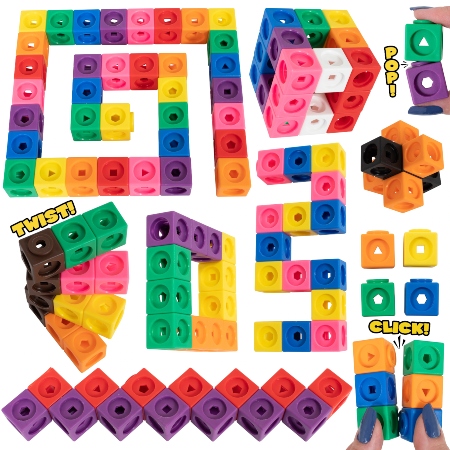
Spinners and cubes are incredibly popular for their simplicity and effectiveness. A spinner, with its rotating motion, can help calm an anxious mind, giving it something to focus on. Cubes, with their multiple sides and different activities, offer a variety of tactile experiences that keep fingers busy and minds engaged.
Imagine the satisfaction of spinning a small object between your fingers during a challenging situation. These tools are small, portable, and often quiet, making them ideal for use in classrooms or offices. Have you ever tried using a spinner during a stressful meeting?
Stress Balls And Putty
Stress balls and putty provide a different type of sensory input. Squeezing a stress ball can be a great way to release pent-up energy or frustration. The resistance and texture of putty provide a soothing and repetitive motion that can be calming.
These items are perfect for people who need to fidget without making noise. They can be especially helpful for children who might otherwise disrupt their peers in a classroom setting. How often do you find yourself needing to channel your energy in a positive way?
Tangles And Chains
Tangles and chains offer continuous movement and can be manipulated in various ways. These toys are perfect for those who enjoy twisting and turning objects in their hands. They are great for improving fine motor skills and hand-eye coordination.
Tangles are often colorful and can be connected in different shapes, providing both visual and tactile stimulation. Chains, on the other hand, offer a rhythmic and repetitive motion. Have you noticed how these simple movements can help soothe a restless mind?
Choosing the right fidget toy can make a significant difference in managing autism symptoms. Each type offers unique benefits and can be used in various settings. Next time you’re looking for a way to help someone focus or calm down, consider which fidget toy might be the perfect fit.
Enhancing Focus In Autism
Autism often comes with challenges in focus and attention. For many, maintaining concentration in daily activities can be overwhelming. Fidget toys have emerged as tools that help enhance focus for those with autism. These small, handheld gadgets offer a simple yet effective way to manage distractions and promote a sense of calm, allowing individuals to better concentrate on tasks. How exactly do they work in enhancing focus? Let’s explore through sensory stimulation, reducing overload, and improving concentration.
Sensory Stimulation
Fidget toys provide sensory stimulation, which can be incredibly beneficial for someone with autism. They are designed to engage multiple senses, offering tactile feedback or visual cues. You might notice that a simple squishy ball or spinner can keep the hands busy and the mind engaged. This sensory input can make it easier to stay focused on more complex tasks.
Have you ever felt a sense of calm when playing with a smooth, textured object? The repetitive motion of fidgeting can be soothing and help regulate sensory input, making it easier to focus. Consider how a small toy can transform a hectic environment into a manageable one.
Reducing Overload
In a world filled with sensory overload, fidget toys can act as a filter. They help reduce external distractions by providing an outlet to channel excess energy. Imagine being in a loud, bustling room and having a quiet object to focus your energy on. This can lessen the feeling of being overwhelmed.
By focusing attention on a simple task, fidget toys help individuals with autism block out unwanted stimuli. This reduction in sensory overload can lead to a more focused approach to the task at hand. Picture yourself finding clarity in chaos, with a small fidget toy guiding the way.
Improving Concentration
Fidget toys can improve concentration by offering a consistent and controlled distraction. They allow individuals to focus on the movement of the toy while still being aware of their surroundings. This dual focus can enhance the ability to concentrate on more demanding tasks.
Have you noticed that some people doodle or bounce a leg when concentrating? Fidget toys offer a similar outlet, enabling the brain to focus better. What could be more empowering than finding a tool that helps you concentrate in a busy world?
Whether you’re a parent, teacher, or caregiver, understanding how fidget toys can aid focus in autism can make a significant difference. Could a simple toy be the key to unlocking better concentration for someone you know?
Credit: edxeducation.com
Promoting Calmness And Relaxation
Fidget toys have become popular tools for autism support. They help in soothing the mind. These toys offer a tactile experience. This can lead to a sense of calm. Fidget toys are small and easy to use. Their design helps in focusing thoughts. This can reduce stress levels effectively.
Managing Anxiety
Anxiety often affects individuals with autism. Fidget toys can help manage it. They provide a distraction from anxious thoughts. The repetitive motion can be calming. This helps in reducing nervous energy. Many find relief by using them during stressful times.
Creating A Soothing Environment
A peaceful environment is crucial for relaxation. Fidget toys contribute to this setting. They offer a constant source of sensory input. This can make surroundings feel safer. Soft textures and gentle motions promote tranquility. These elements aid in creating a calming space.
Encouraging Mindfulness
Mindfulness is about being present. Fidget toys encourage this practice. Engaging with the toy requires attention. This helps in focusing on the moment. It shifts focus from worries to the toy itself. Mindfulness can improve emotional well-being. Fidget toys make this practice more accessible.
Role In Social Interaction
Fidget toys have become popular tools for helping individuals with autism, particularly in enhancing social interaction. These small, handheld devices can do wonders beyond mere distraction or fun. They play a pivotal role in facilitating communication, building confidence, and supporting peer engagement, making social settings less daunting for individuals with autism.
Facilitating Communication
Fidget toys act as an icebreaker in social situations. They give the person something to focus on, reducing anxiety and making it easier to express thoughts. Imagine you’re at a party and feeling overwhelmed. Holding a fidget toy can provide a sense of calm, allowing you to open up and talk to others. This can lead to more meaningful conversations.
Moreover, these toys can serve as a visual cue for others to start a conversation. If you see someone using a fidget toy, it might prompt you to ask about it, breaking the ice and initiating dialogue. This simple interaction can create a ripple effect in social settings, enhancing communication skills over time.
Building Confidence
Fidget toys can boost confidence by providing a sense of control. Holding a familiar object can make you feel grounded in unfamiliar environments. Think of it as a secret weapon in your pocket, ready to help when social anxiety creeps in. This boost can encourage more active participation in social activities.
When you feel confident, you’re more likely to engage with others. The toy becomes a silent partner, supporting you through challenging social scenarios. It’s like having a trusted friend nearby, empowering you to take the leap and join conversations or activities you might otherwise avoid.
Supporting Peer Engagement
Fidget toys can foster peer engagement by creating shared experiences. If you’re using a fidget toy, it might draw the attention of peers who are curious or have similar interests. This curiosity can lead to shared play or exploration, laying the foundation for friendships.
These toys can also be used in group settings, encouraging collaboration and interaction. In classroom activities, fidget toys can be incorporated into group tasks, helping everyone participate and communicate effectively. They serve as a bridge, connecting individuals with autism to their peers, and opening doors to mutual understanding.
Have you ever noticed how a simple object can spark a conversation or make someone feel included? Fidget toys have the potential to do just that, transforming social interactions into opportunities for growth and connection.
Selecting The Right Fidget Toy
Choosing the right fidget toy for someone with autism can make a significant difference in their daily life. With a wide variety of options available, it’s essential to find the one that suits individual needs. This involves considering several factors, from the toy’s sensory benefits to its safety features. Let’s dive into what you need to know to make an informed decision.
Factors To Consider
When selecting a fidget toy, it’s important to think about the sensory needs and preferences of the person using it. Does the individual prefer tactile, auditory, or visual stimulation? Some people may find a simple stress ball helpful, while others might benefit from a more complex fidget spinner.
Consider where the fidget toy will be used. Will it be in a classroom, at home, or during travel? This can impact the size and type of toy you choose. A discreet, silent option might be best for public settings, while a more interactive toy could be ideal for home use.
Personal Preferences
Personal preferences play a huge role in the effectiveness of a fidget toy. What engages one person might not work for another. For instance, some children are drawn to bright colors and fun shapes, while others prefer a more subdued and simple design.
Observe what types of textures, sounds, and movements the individual naturally gravitates towards. Do they enjoy squeezing, spinning, or clicking? Tailoring the choice to these preferences can enhance the toy’s benefits.
Safety And Durability
Safety should be a top priority when selecting a fidget toy. Check for small parts that might pose a choking hazard, especially for younger children. It’s also wise to choose toys made from non-toxic materials.
Durability is another key factor to consider. Fidget toys are often used frequently and can be subjected to a lot of wear and tear. Opt for well-made, sturdy options that can withstand daily use. You wouldn’t want to replace them often.
Remember, the right fidget toy is not just about keeping hands busy. It’s about enhancing focus, reducing anxiety, and improving overall well-being. What features do you think are most important for a fidget toy? Reflect on these considerations as you make your choice.
Real-life Success Stories
Fidget toys offer calming effects for individuals with autism. Many find them helpful for sensory regulation and stress relief. These toys enhance focus, aiding in day-to-day activities and communication.
Real-life success stories provide a powerful lens through which we can see the impact fidget toys have on individuals with autism. These stories aren’t just anecdotes; they are testimonies of how a simple tool can make a big difference. Let’s dive into how these toys have helped transform lives in tangible ways.
Personal Triumphs With Fidget Spinners
One young boy named Alex struggled with overwhelming anxiety in social settings. His mother introduced a fidget spinner to help him focus during stressful moments. Within weeks, Alex was more comfortable participating in group activities at school. The spinner allowed him to channel his nervous energy, making social interactions less daunting.
Classroom Wins With Fidget Cubes
In a classroom setting, Sarah, a teacher, noticed that her student, Jake, had difficulty concentrating on his lessons. She provided him with a fidget cube to use during class. The improvement was noticeable. Jake’s attention span increased, and his academic performance saw a positive change. The cube became a discreet companion that helped him stay engaged.
Breaking Barriers With Sensory Rings
Anna, a teenager with autism, found it challenging to communicate her emotions. Her therapist suggested using sensory rings to help her express feelings through touch. These rings became a tool for Anna to navigate conversations with her peers. The tactile sensation provided a calming effect, allowing her to engage more freely and confidently.
Family Bonds Strengthened With Fidget Toys
In one family, fidget toys became a bridge for better communication. Jamie, a father of a child with autism, used these toys to connect during playtime. The shared activity created moments of understanding and joy. It wasn’t just about play; it was about bonding and building trust. Have you considered how a simple fidget toy might open new doors for someone you know? These stories highlight the profound impact such small tools can have on everyday life, serving as a reminder of the potential for growth and change.
Research And Studies
Fidget toys provide sensory stimulation that aids focus and reduces anxiety in individuals with autism. These toys help improve concentration by offering a calming effect through repetitive movements. Studies suggest they support sensory needs and enhance learning environments for autistic individuals.
Research on how fidget toys can support individuals with autism offers promising insights. Various studies suggest that these toys can help improve focus, reduce anxiety, and support sensory processing. It’s intriguing to see how a simple tool can make a significant difference in the daily lives of those with autism.
What Do Studies Say About Fidget Toys And Autism?
Research indicates that fidget toys can be effective tools for enhancing concentration and managing stress. One study found that students with autism who used fidget toys during class showed improved attention and engagement. This suggests that these toys can be more than just a distraction; they can serve as a focus-enhancing aid.
How Do Fidget Toys Impact Sensory Processing?
Fidget toys cater to the sensory needs of individuals with autism. Many children and adults on the autism spectrum experience sensory overload. Fidget toys can provide a calming effect by offering tactile input that helps filter out overwhelming stimuli. Imagine finding a moment of peace in the chaos—fidget toys can offer that.
Can Fidget Toys Reduce Anxiety In Autism?
Anxiety is a common challenge for those with autism. Research suggests that the repetitive motion and tactile sensation of fidget toys can help reduce feelings of anxiety. Consider how a stress ball might help you relax in a tense situation; fidget toys offer a similar benefit for individuals with autism.
What Are The Practical Implications Of This Research?
If you’re caring for someone with autism, introducing fidget toys could be a simple yet effective strategy. They are affordable, portable, and easy to use in various settings. Why not keep a few in your bag for school, therapy sessions, or waiting rooms? They might just become an essential tool in your autism support toolkit. Are you using fidget toys with someone who has autism? Share your experiences and insights. The more we learn from each other, the better we can support our loved ones.
Tips For Parents And Educators
Fidget toys can offer great benefits for children with autism. They provide sensory input and help improve focus. These tools can be essential in both home and school settings. Parents and educators play a crucial role in integrating these toys effectively. Here are some tips to ensure their proper use.
Integrating Into Daily Routines
Introduce fidget toys during calm times. This helps children associate them with relaxation. Encourage their use in specific activities. Reading or homework sessions can be ideal. This helps kids concentrate better. Make the toys accessible. Children should reach them easily without adult help. Choose toys that fit into backpacks or pencil cases.
Monitoring And Adjusting Use
Observe the child’s interaction with the toy. Does it keep them calm or distract them? Adjust the type of toy based on their response. Sometimes, less is more. Limit the number of toys available at once. Too many choices can be overwhelming. Monitor the duration of use. Ensure it does not interfere with learning.
Collaborating With Therapists
Consult therapists about the best fidget toys. They have insights into the child’s needs. Therapists can suggest specific types that provide maximum benefit. Share observations with them regularly. This helps in tailoring strategies to support the child better. Joint efforts can enhance the child’s development.

Credit: www.autismparentingmagazine.com

Credit: www.amazon.com
Frequently Asked Questions
What Do Fidget Toys Do For Autism?
Fidget toys help individuals with autism focus and manage anxiety. They provide sensory stimulation and improve concentration. These tools can reduce stress and promote calmness, aiding in better task engagement. Fidget toys support self-regulation and can enhance learning experiences for those on the autism spectrum.
Why Do Autistic People Need To Fidget?
Autistic individuals fidget to manage sensory overload and reduce anxiety. It helps them focus and self-regulate emotions. Fidgeting provides comfort and enhances concentration by offering sensory input.
How Do Fidget Toys Help With Sensory Processing?
Fidget toys enhance sensory processing by providing tactile stimulation and improving focus. They help regulate sensory input, reduce stress, and calm nervous energy. These toys offer a fun way to engage the senses, promoting better concentration and emotional balance in both children and adults.
How Do Sensory Toys Help Autism?
Sensory toys support autism by enhancing focus, reducing anxiety, and improving sensory processing. These toys promote fine motor skills and encourage social interaction. They provide a calming effect, helping autistic individuals manage over stimulation and sensory overload. Engaging with sensory toys can improve communication and emotional regulation.
Conclusion
Fidget toys offer simple yet effective support for autism. They provide sensory input, helping calm and focus the mind. These toys can reduce anxiety and improve concentration. Easy to use, they fit in pockets and bags. Children and adults can benefit from them in various settings.
Schools, homes, and therapy sessions. Fidget toys promote self-regulation and emotional balance. Consider adding them to daily routines. They may enhance comfort and engagement. These small tools can make a big difference in everyday life. Explore their potential in supporting autism.