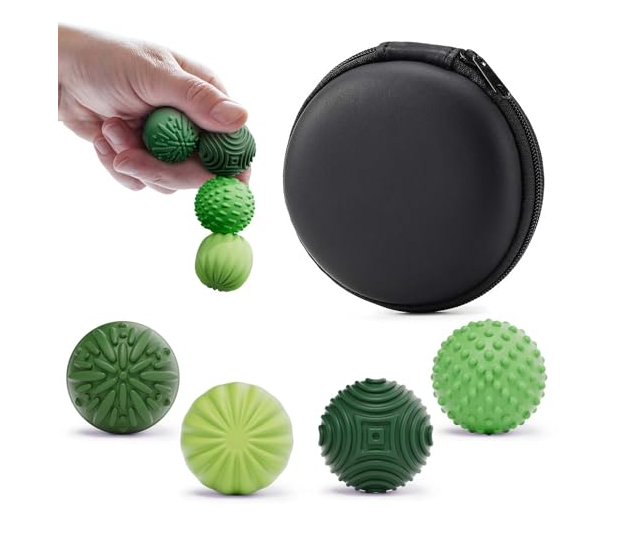
Are you constantly searching for ways to help manage ADHD symptoms? You’re not alone.
Many people are exploring the potential benefits of fidget toys to ease restlessness and improve focus. Could these small, often colorful gadgets hold the key to a more concentrated mind? Imagine being able to harness that restless energy into something productive.
Before you make a decision, let’s dive into whether fidget toys truly make a difference for those with ADHD. Discover how these simple tools might transform your daily routine and offer a new level of calm and concentration. Curious? Keep reading to uncover the surprising effects these toys could have on your life.

Credit: www.pinterest.com
The Science Behind Adhd
ADHD, Attention Deficit Hyperactivity Disorder, affects many children and adults. Understanding the science behind ADHD can help in managing symptoms. ADHD is a neurodevelopmental disorder. It impacts behavior, focus, and attention.
Scientific studies explore how ADHD affects the brain. This disorder often results in difficulties with organization and impulse control. Knowing the root causes aids in developing effective strategies.
Understanding Adhd Symptoms
ADHD symptoms vary from person to person. Common signs include inattentiveness, hyperactivity, and impulsiveness. Difficulty in maintaining focus on tasks is a typical symptom. Individuals with ADHD may struggle with following instructions.
Impulsive actions are another common trait. These may include interrupting conversations or acting without thinking. Hyperactivity is also prevalent, with restless movements and excessive talking.
The Brain And Adhd
ADHD involves specific brain functions and structures. The prefrontal cortex, responsible for decision-making, is often affected. This part of the brain controls focus and impulse regulation. Reduced activity in this area can lead to ADHD symptoms.
Neurotransmitters play a crucial role in ADHD. Dopamine is a key neurotransmitter linked to reward and motivation. Studies show that individuals with ADHD may have lower dopamine levels. This imbalance impacts concentration and focus.
Research on brain imaging reveals differences in ADHD brains. Smaller brain structures are linked to attention and behavior control. Understanding these differences helps in tailoring treatments.
What Are Fidget Toys?
Have you ever found yourself idly tapping your foot or twirling a pen during a meeting? That need to fidget is more common than you might think. Fidget toys are designed to channel that restless energy into something more productive. But what exactly are fidget toys, and how can they assist individuals, particularly those with ADHD?
Types Of Fidget Toys
Fidget toys come in all shapes and sizes, catering to various preferences and needs. Some are small and discreet, perfect for pocket play during a busy day. Others are larger and more interactive, ideal for at-home use.
- Spinners: Small devices that you spin between your fingers. They’re quick, simple, and provide a rhythmic motion.
- Stress Balls: Soft, squeezable balls that help you release tension and improve focus.
- Cubes: Multi-sided toys featuring buttons, gears, switches, and dials that keep your hands busy.
- Putty or Dough: Moldable substances that can be stretched, squeezed, and shaped.
These toys offer different tactile experiences, enabling you to choose one that best suits your preference. Ever tried using a spinner during a lecture? You might find it surprisingly calming.
How Fidget Toys Work
Fidget toys help redirect your focus. They provide a physical outlet for excess energy, which can be particularly beneficial for individuals with ADHD.
When you engage with a fidget toy, your brain can better concentrate on tasks at hand. This might seem counterintuitive, but the repetitive motion of playing with a toy can actually help you stay on track.
By using a fidget toy, you may notice improved attention span. You might also find yourself less distracted by external stimuli. Have you ever found that keeping your hands occupied helps you listen better?
It’s fascinating how these simple tools can support your focus and calmness. Could using a fidget toy change your productivity levels? The answer might surprise you.
Benefits Of Fidget Toys For Adhd
Fidget toys have gained popularity as tools for managing ADHD symptoms. They offer benefits that help individuals focus, reduce stress, and enhance cognitive function. These toys are simple yet effective in providing a sensory experience that can be calming and beneficial for those with ADHD.
Improving Focus
Fidget toys can help maintain attention. They provide a physical outlet for excess energy. This can lead to better concentration. Small movements keep the brain engaged. They prevent distractions. Holding a fidget toy can help stay on task.
Reducing Stress And Anxiety
Stress and anxiety often accompany ADHD. Fidget toys offer a soothing experience. Their repetitive actions can calm nerves. Touching and manipulating the toys can relieve stress. They offer a distraction from anxious thoughts. This can lead to a sense of calm.
Enhancing Cognitive Function
These toys may boost cognitive abilities. They stimulate the brain through tactile interaction. This can improve learning and memory. Fidget toys encourage active engagement. This can enhance mental clarity. They support better problem-solving skills.
Research And Studies
Fidget toys may help people with ADHD by improving focus and reducing stress. Studies suggest they provide a sensory outlet, aiding concentration. Researchers continue exploring their effectiveness in managing ADHD symptoms.
Research and studies on the effectiveness of fidget toys for ADHD have been growing in recent years. Scientists are keen to understand whether these colorful gadgets can genuinely aid concentration and reduce anxiety in those with ADHD. If you’re curious about how these little toys might impact focus and attention, read on to discover what the latest research reveals.
Clinical Trials And Findings
Clinical trials have been conducted to examine the potential benefits of fidget toys for ADHD. One notable study involved children who used fidget spinners during classroom activities. Researchers found that some children showed improved focus and reduced impulsivity when allowed to use these toys. However, not all studies agree. Others have reported minimal changes in behavior and attention levels, suggesting that fidget toys might not be universally effective. This raises an interesting question: Could the effectiveness of fidget toys depend on individual differences?
Expert Opinions
Many experts in child psychology weigh in on the debate. Dr. Sarah Miller, a child psychologist, notes that fidget toys can be beneficial for some children by providing a physical outlet for excess energy. She emphasizes, though, that these toys should be used as part of a broader ADHD management plan. Some therapists suggest trying different types of fidget toys to find the best fit for your child’s needs. This practical advice means you might need to experiment before finding the right tool that helps your child focus better. Imagine your child using a fidget cube in a challenging math lesson. Would you see a difference in their engagement and concentration? These insights can guide your decision on whether fidget toys could be a helpful addition to your child’s ADHD toolkit. Ultimately, the research suggests that while fidget toys can help some children, they are not a one-size-fits-all solution. Consider consulting with professionals to tailor an approach that suits your child’s unique needs.
Fidget Toys In Educational Settings
Fidget toys have gained popularity in classrooms for their potential benefits. They are simple devices that keep hands busy and minds focused. Teachers and students have found them helpful for concentration. They may assist in managing ADHD symptoms. This section explores their role and effectiveness in educational settings.
Classroom Success Stories
Many schools report positive outcomes from using fidget toys. Students with ADHD show improved focus. Teachers notice less disruptive behavior. Fidget toys help students stay engaged during lessons. Schools have seen better classroom dynamics. Attention levels rise, enhancing learning experiences.
Teacher And Student Perspectives
Teachers share their views on fidget toys. They find them beneficial for students with ADHD. Some students feel more relaxed and attentive. Fidget toys create a calming effect. Teachers appreciate the reduced need for constant redirection. Students enjoy having a tool to aid concentration.
Students express their feelings about fidget toys. Many say they help control restlessness. They feel less anxious during class activities. Fidget toys offer a physical outlet. This can lead to better focus on tasks. Students and teachers both see positive changes.
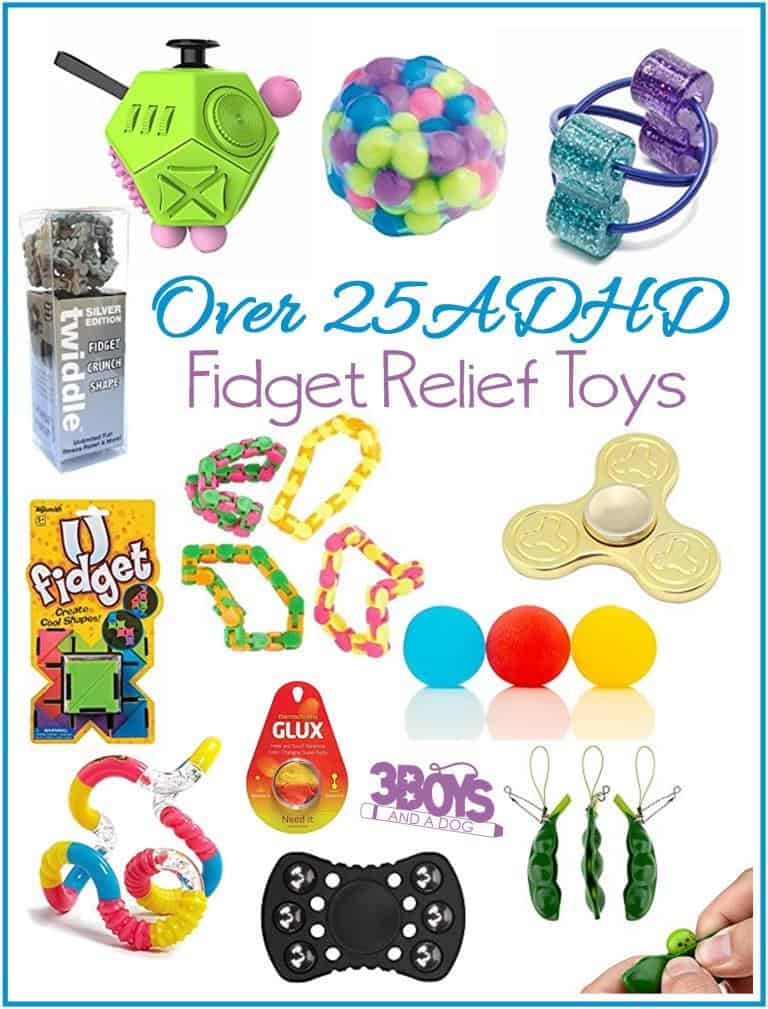
Credit: 3boysandadog.com
Choosing The Right Fidget Toy
Selecting the perfect fidget toy can aid individuals with ADHD. These toys offer sensory stimulation and enhance focus. Choosing ones that suit personal preferences and needs can make a difference in managing symptoms effectively.
Choosing the right fidget toy can make a significant difference in managing ADHD symptoms. While fidget toys are not a cure, they can be effective tools to help improve focus and reduce anxiety. But with so many options available, how do you decide which one is right for you or your child? It’s important to consider several factors before making a purchase.
Factors To Consider
When selecting a fidget toy, consider the sensory needs of the person using it. Does the toy need to be silent for classroom use, or is some noise acceptable? Think about the size and portability—will it fit in a pocket or backpack for easy access? Durability is another key factor. A toy that breaks easily will not provide long-term help. Additionally, consider the complexity of the toy. Some individuals may prefer simple designs, while others might benefit from more intricate options that engage their attention more deeply. Finally, consider any specific interests or preferences. A fidget toy that aligns with personal tastes can be more engaging and enjoyable to use.
Popular Fidget Toy Options
There are several fidget toys that have gained popularity for their effectiveness. Fidget spinners are well-known and come in various styles and colors. They’re great for those who like to keep their hands busy with a spinning motion. Stress balls are another excellent option. They offer tactile stimulation and can help release tension through squeezing. For silent fidgeting, fidget cubes provide multiple functions like clicking, rolling, and spinning in one compact device. Tangle toys are perfect for those who enjoy twisting and turning. They offer a satisfying way to keep fingers moving. For a unique sensory experience, try putty or slime. It provides a hands-on experience that can be both calming and fun. Choosing the right fidget toy involves understanding personal needs and preferences. Have you ever tried a fidget toy that made a noticeable difference in your ability to concentrate? Consider exploring different options to find what works best for you.
Potential Drawbacks
Some believe fidget toys can aid ADHD, but they might distract rather than focus. Not all find them helpful, leading to potential frustration. It’s essential to evaluate individual needs and preferences.
Fidget toys have become popular tools for managing ADHD symptoms. While they offer several benefits, it’s important to consider their potential drawbacks. Understanding these can help you make informed decisions about their use.
Distraction Risks
Fidget toys can sometimes be more of a distraction than a help. Imagine being in a classroom or meeting where the sound of clicking or spinning becomes noticeable. This can divert attention, not just for the user, but for those nearby. You might find yourself focusing more on the toy than the task at hand. This is particularly true if the toy requires more engagement than a simple squeeze or spin. Ask yourself if the toy is enhancing focus or just replacing one distraction with another.
Overstimulation Concerns
Fidget toys, especially those with bright colors or complex mechanisms, can lead to overstimulation. This is counterproductive for managing ADHD symptoms. Overstimulation might cause anxiety or restlessness, which is what you’re trying to avoid in the first place. Consider your environment. In a calm setting, a vibrant fidget spinner might feel out of place and overwhelming. Choosing a toy that blends with your surroundings can help maintain balance. Thinking about your needs and environment can guide your choice of fidget toys. Have you ever found a tool that was supposed to help but ended up being more of a hindrance? Reflect on those experiences and make adjustments as needed.
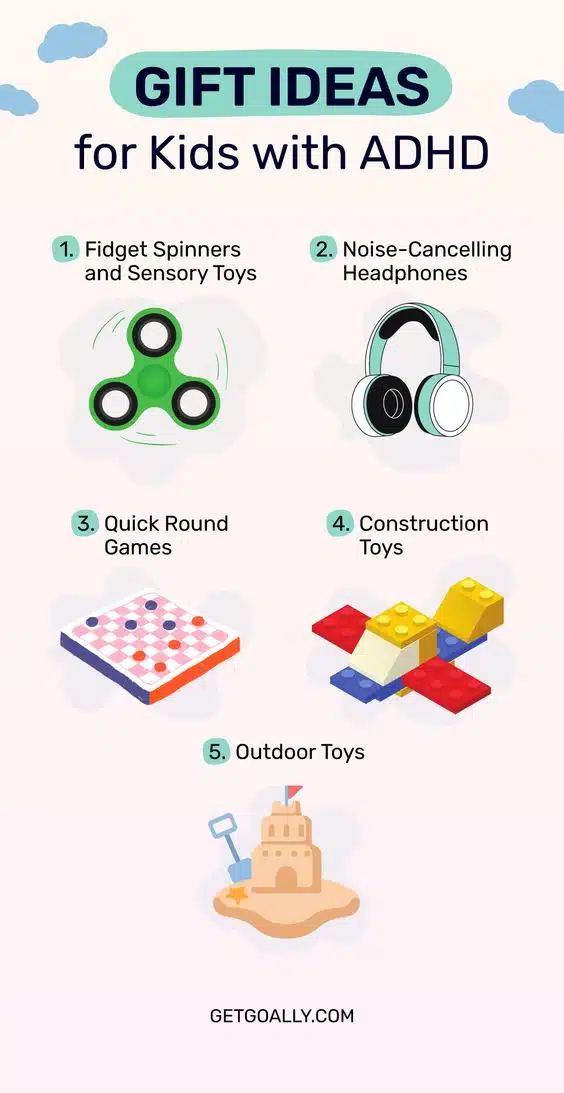
Credit: getgoally.com
Practical Tips For Use
Fidget toys can aid in focusing and reducing stress for those with ADHD. They provide a tactile outlet, helping to channel excess energy. Using these toys during tasks might improve concentration and make daily activities more manageable.
Fidget toys have gained popularity as a tool that may help children with ADHD improve focus and manage stress. While there’s no one-size-fits-all solution, these small gadgets can be part of a strategy to enhance attention. Practical tips for using fidget toys can empower you to make the most of their benefits, whether at home or in educational settings.
Incorporating Fidget Toys At Home
At home, fidget toys can be an excellent way to help your child channel their energy. Consider setting up a dedicated space where they can use these toys freely. This space could be a corner of their room, stocked with a variety of fidget options like spinners, stress balls, or cubes. When you notice your child struggling with focus during homework or chores, gently suggest taking a fidget break. A few minutes with a fidget toy can help them reset and return to tasks with renewed concentration. You might even want to join in—many parents find fidgeting beneficial too. Try to observe which toys your child gravitates towards. Do they prefer squishy textures or spinning objects? Understanding their preferences can help you choose toys that truly engage them. This insight can turn fidgeting from a distraction into a helpful tool.
Guidance For Parents And Educators
Parents and educators play a crucial role in effectively integrating fidget toys into daily routines. Start by explaining the purpose of these toys to your child or students. Clarify that they’re tools for focus, not toys for playtime. Consider setting some guidelines on when and where fidget toys can be used. This could include allowing them during certain activities but not during lectures or conversations where it might be disruptive. Clear rules help maintain a balance between focus and respect for others. As an educator, you can create a “fidget-friendly” classroom. Offer a variety of fidget toys and let students choose what works for them. Keep an open dialogue and encourage feedback. Are the toys helping them focus better? If not, explore other options together. Parents, have you noticed changes in your child’s behavior or performance since introducing fidget toys? Sharing observations and experiences with teachers can provide valuable insights and foster a collaborative approach to support your child’s needs. Fidget toys are not a cure-all, but they can be a helpful part of managing ADHD. By using them thoughtfully and setting clear expectations, you can maximize their benefits.
Frequently Asked Questions
Do Fidget Toys Actually Help Adhd?
Fidget toys can help some individuals with ADHD by improving focus and reducing anxiety. They offer a physical outlet for excess energy. Benefits vary per person, and they should complement other ADHD management strategies. Always consult with a healthcare professional for personalized advice.
What Toys Are Good For Adhd?
Toys like fidget spinners, puzzles, and building blocks can help children with ADHD. Art supplies and sensory toys also promote focus and creativity. Interactive games enhance attention and social skills. Choose toys that encourage movement, relaxation, and cognitive engagement for effective support.
What’s The Best Fidget For Adhd?
The best fidget for ADHD varies by individual preference. Popular options include fidget spinners, stress balls, and fidget cubes. These tools help improve focus, reduce anxiety, and increase productivity. It’s important to choose a fidget that suits personal needs and enhances concentration effectively.
Do Fidget Toys Improve Focus?
Fidget toys can help some individuals improve focus by providing a mild physical distraction. They may enhance concentration in tasks requiring extended attention. Results vary among users, and not everyone will experience the same benefits. They can be particularly useful for people with ADHD.
Conclusion
Fidget toys might help some people with ADHD focus better. They offer a simple way to keep hands busy. This can reduce restlessness. Not everyone finds them helpful, though. Each person’s needs are different. It’s important to try different strategies.
See what works best for you. Talking to a healthcare professional can give more guidance. Fidget toys aren’t a cure but can be a useful tool. Explore and find what supports your focus and calm. Remember, managing ADHD is a journey.
Patience and understanding go a long way.