
Are you concerned about your child’s speech development and wondering if ADHD might be the cause? Understanding the connection between ADHD and speech delay can be crucial for parents like you, who want the best for their children.
We’ll explore the potential links between ADHD and speech challenges, shedding light on what you can do to support your child’s communication skills. Imagine the relief of having clear answers and actionable steps to help your child thrive. Stay with us as we dive into this important topic, providing you with insights and solutions that could make a real difference in your child’s life.
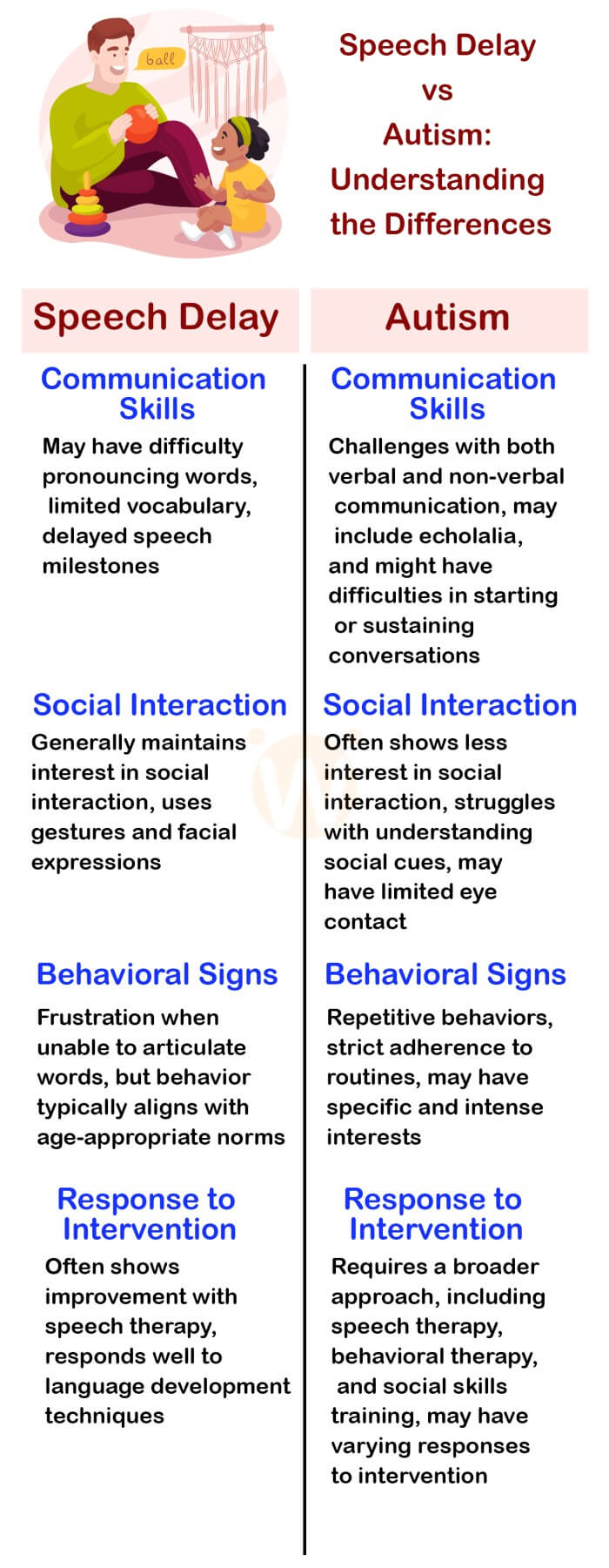
Credit: www.mywellnesshub.in
Adhd And Speech Development
ADHD may affect speech development in children. Attention challenges can lead to speech delays, impacting communication skills. Early intervention and targeted therapies often help improve speech and language abilities.
Attention Deficit Hyperactivity Disorder (ADHD) is often associated with challenges in focus, impulsivity, and hyperactivity. But did you know it can also impact speech development? Understanding how ADHD affects speech can help you support your child’s communication skills more effectively.What Is Speech Delay In Adhd?
Children with ADHD might experience delays in speech and language development. This can manifest as difficulty in forming sentences, understanding language, or even expressing thoughts clearly. While not all children with ADHD have speech delays, it’s common enough to warrant attention.How Adhd Affects Communication Skills
ADHD can disrupt the process of learning language. Children may struggle to pay attention during conversations or when someone is explaining something. This can lead to missed cues and incomplete understanding of language structure. For example, a child might hear a sentence but only focus on a few words, leading to incomplete comprehension. Have you noticed your child getting frustrated during conversations? This might be a clue to underlying speech issues linked to ADHD.Common Signs Of Speech Delay In Adhd
Identifying speech delay early can make a significant difference. Look for signs like: – Inability to follow simple instructions – Limited vocabulary for their age – Difficulty in joining words into sentences These signs can vary widely, so it’s crucial to observe your child’s unique communication patterns. Have you ever wondered if your child’s speech development is typical? Trust your instincts and seek professional advice when in doubt.Practical Strategies For Supporting Speech Development
Supporting speech development in children with ADHD involves patience and creativity. Here are some actionable strategies: – Encourage Interactive Play: Engage in games that require conversation, like role-play or storytelling. This not only improves language skills but also strengthens bonds. – Read Together Daily: Choose books that capture their interest and discuss the story. Ask questions to encourage them to articulate thoughts. – Use Visual Aids: Visual supports like picture cards can help bridge the gap between words and meanings, making abstract concepts more tangible. Remember, every small step counts. Celebrate your child’s progress, however minor it may seem.When To Seek Professional Help
If you’re concerned about your child’s speech development, consulting a speech-language therapist can be beneficial. They can offer tailored exercises and therapies to improve communication skills. Have you noticed a persistent struggle in your child’s speech? Early intervention can pave the way for more effective learning and social interactions.Navigating speech development with ADHD can be challenging, but you’re not alone. With the right strategies and support, your child can thrive in communication. Are you ready to explore these strategies today?
Common Symptoms Of Adhd
ADHD affects many children, causing challenges in their daily lives. Recognizing its symptoms early can help manage the condition better. Speech delay is sometimes linked with ADHD, but understanding its common symptoms is crucial. This aids in identifying the condition.
Hyperactivity
Children with ADHD often show excessive energy. They find it hard to sit still. Their constant movement can disrupt classrooms and home environments.
Impulsivity
Impulsive actions are frequent in ADHD. Kids might interrupt others. They may act without considering consequences. This behavior can lead to social challenges.
Inattention
Inattention is a key ADHD symptom. Children struggle to focus on tasks. Their minds easily wander, affecting their school performance.
Difficulty In Organizing Tasks
Organizing tasks is tough for ADHD sufferers. They often misplace items. Completing tasks in order becomes a struggle. This can lead to frustration.
Forgetfulness
Forgetfulness is common in ADHD. Children may forget daily routines. This affects their ability to follow instructions.
Speech Delay In Children
Speech delay in children often raises concerns for parents. It’s essential to understand the underlying causes. ADHD is one condition linked to speech delays. Addressing speech delays early can make a big difference. Understanding the signs is crucial for effective intervention.
What Is Speech Delay?
Speech delay means a child doesn’t develop speech skills on time. Each child progresses at their own pace. Speech delay can be due to various factors. Sometimes, it’s temporary and resolves with support.
Signs Of Speech Delay In Children
Delayed speech can manifest in several ways. Children might use fewer words than peers. Difficulty in forming sentences is another sign. Limited vocabulary by certain ages can indicate a delay. Struggling to pronounce words correctly may also suggest issues.
Common Causes Of Speech Delay
Speech delay can stem from multiple causes. Hearing loss is a common reason. This affects a child’s ability to mimic sounds. Developmental disorders like ADHD can impact speech. Environmental factors also play a role. Limited interaction or exposure to language can contribute to delays.
How Adhd Influences Speech Development
ADHD affects a child’s focus and attention. This can hinder language learning. Children with ADHD may struggle to process language. Their ability to organize thoughts verbally might be impacted. ADHD-related impulsivity can affect communication. This may lead to difficulties in expressing themselves clearly.
Connection Between Adhd And Speech Delay
ADHD may contribute to speech delay in children. Focus and attention difficulties can impact language development. Speech therapy can help improve communication skills. Early intervention is key for better outcomes.
Understanding the connection between ADHD and speech delay can be eye-opening for many parents. While ADHD primarily affects attention and behavior, it can also influence language development. Recognizing this link is crucial for early intervention and support for children who may be struggling.What Is Adhd?
ADHD stands for Attention Deficit Hyperactivity Disorder. It’s a condition that affects a child’s ability to focus, sit still, and control impulses. These challenges can indirectly affect language development, leading to speech delays in some cases.How Speech Delay Manifests In Children With Adhd
Children with ADHD might struggle to organize their thoughts, making it difficult to express themselves clearly. They might also have trouble listening and responding appropriately in conversations. These challenges can contribute to slower language acquisition and speech delays.Shared Symptoms And Overlapping Challenges
Both ADHD and speech delay can involve difficulties with attention and listening. For example, a child may have trouble following instructions, which can be mistaken as a speech problem. This overlap makes it important to assess both conditions thoroughly.Personal Experience: Navigating Adhd And Speech Delay
When my nephew was diagnosed with ADHD, his speech delays became more apparent. He often mixed up words and struggled to form complete sentences. With targeted therapy and support, his communication skills improved significantly over time.Practical Steps For Parents
1. Seek Professional Evaluation: If you suspect your child has ADHD or speech delay, consult with a pediatrician or speech therapist. 2. Create a Supportive Environment: Encourage communication by engaging in regular conversations and reading together. 3. Consistency is Key: Establish routines that help with focus and speech practice. Is your child showing signs of both ADHD and speech delay? Understanding the connection can make all the difference in providing the right support. Take proactive steps, and you’ll likely see improvement in your child’s communication skills.Factors Influencing Speech Development
Understanding the factors that influence speech development is crucial, especially when considering conditions like ADHD. Speech delay can be a complex issue, often influenced by a mix of genetic and environmental factors. By examining these elements, you can gain insights into how they might affect speech development in children with ADHD.
Genetic Influences
Genetics play a significant role in speech development. If speech delays run in your family, it might suggest a hereditary component. Studies show that children with ADHD often have close relatives who also experienced speech or language delays.
It’s not just about inheriting ADHD; it’s about a combination of genetic traits that might make speech development more challenging. Consider talking to family members about their early speech experiences. This can offer you valuable context and peace of mind.
Environmental Factors
The environment where a child grows up can greatly impact speech development. A rich language environment, where children are exposed to a wide variety of words and sounds, can support faster speech development. Conversely, a less stimulating environment may contribute to delays.
Think about how often your child hears new words or engages in conversation. Are there opportunities for them to express themselves and practice speaking? Interaction with peers and adults is essential in sharpening their speech abilities.
You might wonder if screen time affects speech development. Studies suggest that excessive screen time can limit real-world interactions, which are crucial for developing communication skills. Balancing screen time with face-to-face conversations can make a difference.
How does your child’s daycare or school environment influence their speech? Consider environments where they are encouraged to talk and participate actively. These settings can enhance their speech development journey significantly.
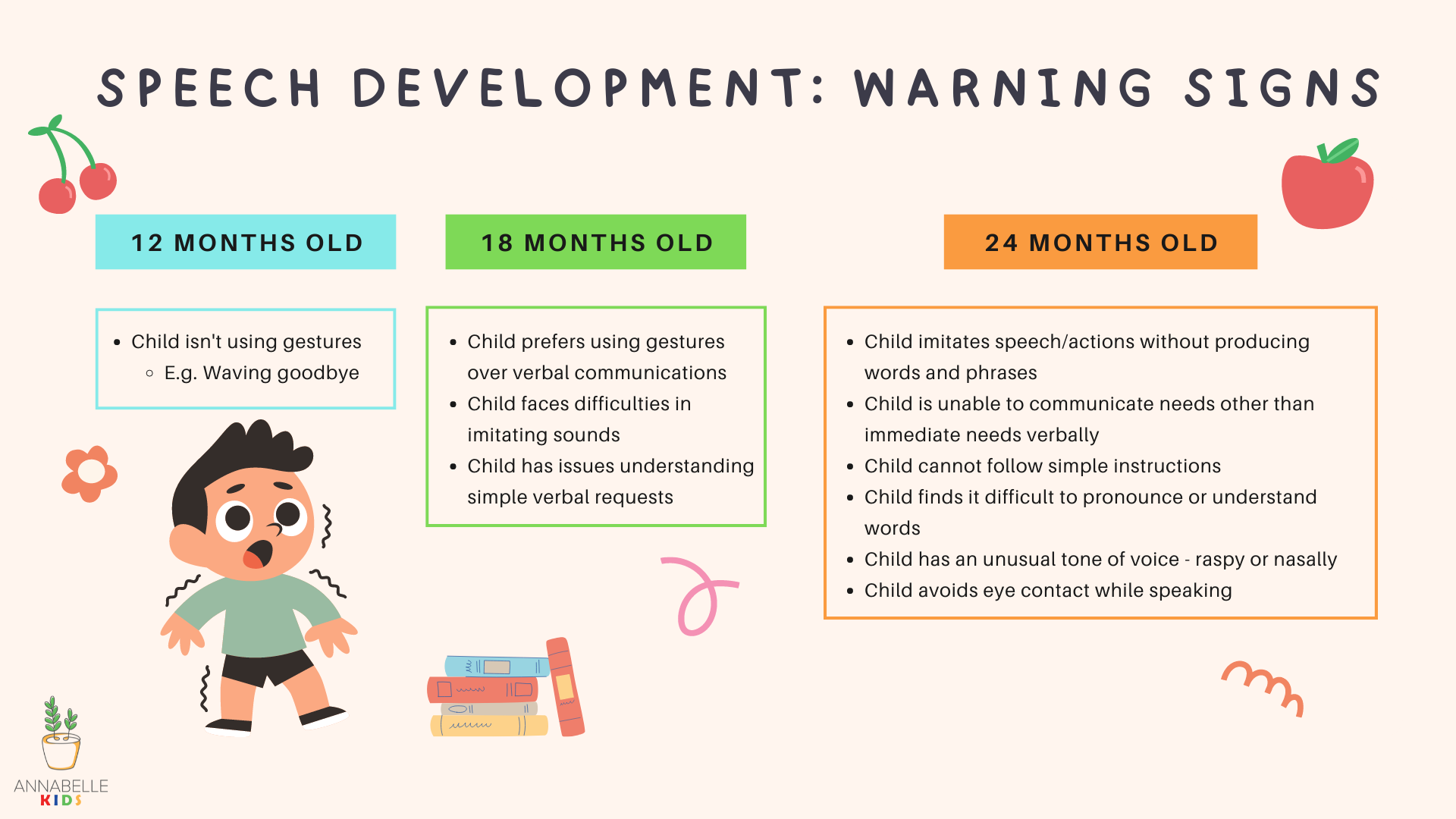
Credit: www.annabellekids.com
Diagnosing Adhd And Speech Issues
Diagnosing ADHD and speech issues can be a complex process. Many parents worry when their child faces speech delays. ADHD often comes with communication challenges. It’s important to recognize these early signs. Early diagnosis can lead to better management.
Understanding Adhd And Speech Delay
ADHD affects attention, behavior, and sometimes speech. Children might struggle to express themselves clearly. Speech delay is common among kids with ADHD. Identifying the root cause is crucial. Specialists look for overlapping symptoms.
Signs Of Speech Issues In Adhd
Children with ADHD may speak less than peers. They often have trouble forming sentences. Repeating words or phrases is another sign. Observing these patterns can help in diagnosis. Parents should watch for these signs.
Diagnostic Process
Speech therapists assess language skills. They conduct tests to evaluate speech patterns. Psychologists evaluate behavior and attention. Together, they form a complete picture. This helps in creating a tailored treatment plan.
Role Of Parents And Teachers
Parents play a key role in identifying issues. Teachers notice speech challenges in classroom settings. Open communication between parents and teachers is vital. Sharing observations helps in accurate diagnosis. Early intervention can make a big difference.
Importance Of Early Intervention
Early intervention improves speech outcomes. It helps in managing ADHD symptoms effectively. Therapies target specific speech problems. Better communication skills boost confidence. Children can then interact more easily with others.
Treatment Options For Speech Delay
Speech delays can often accompany ADHD in children, leading to communication challenges. Addressing speech delay early is crucial for a child’s development. Various treatment options are available to support speech and language skills. These interventions focus on enhancing communication abilities and boosting confidence.
Therapeutic Interventions
Speech therapy stands as a primary method for treating speech delays. Therapists work with children to improve articulation and language skills. Sessions often include exercises to strengthen the mouth muscles. Techniques also focus on vocabulary expansion and sentence structure. Parents play an active role, reinforcing techniques at home. Regular practice and engagement help accelerate progress.
Role Of Medication
Medication might be part of the treatment for children with ADHD. Though not directly targeting speech, it can improve focus and behavior. Better concentration can enhance participation in speech therapy. Physicians carefully monitor medication effects on each child. This approach ensures the benefits outweigh any potential side effects. A balanced combination of therapy and medication often yields positive results.
Support Strategies For Parents
ADHD may contribute to speech delay in children. Parents can support their kids by encouraging simple, clear communication. Reading together and practicing speech exercises can also help improve language skills.
Navigating the challenges of ADHD and speech delay can be overwhelming for parents. However, with the right support strategies, you can make a significant difference in your child’s development. By engaging in targeted activities and fostering a supportive environment, you can empower your child to improve their speech and communication skills.Understanding Your Child’s Unique Needs
Every child with ADHD is different, and their needs will vary. Spend time observing your child’s behavior and communication style. Do they respond better to visual cues or verbal instructions? Tailor your approach based on these observations to effectively support their speech development.Creating A Structured Environment
Children with ADHD often thrive in structured settings. Establish a routine that includes designated times for speech exercises and communication practice. A predictable schedule can help your child feel secure and more open to engaging in activities that enhance their speech skills.Incorporating Play And Fun
Play is a powerful tool for learning. Use games and activities that involve speaking and listening. For instance, playing “Simon Says” can enhance listening skills, while storytelling can encourage expressive language. The key is to make speech practice enjoyable rather than a chore.Seeking Professional Guidance
Sometimes, professional help is necessary. Speech therapists can provide targeted strategies and exercises tailored to your child’s needs. They can also offer valuable insights into how ADHD impacts speech and language development, guiding you on how to support your child at home.Encouraging Peer Interaction
Social interaction is crucial for developing communication skills. Encourage your child to interact with peers through playdates or group activities. This provides a natural setting for practicing speech and learning from others, boosting their confidence and abilities.Celebrating Small Wins
Progress in speech development may be slow, but every step forward is a victory. Celebrate these achievements with your child, no matter how small. Positive reinforcement builds confidence and motivates them to keep improving. Remember, you are not alone in this journey. Many parents face similar challenges and find success through persistence and support. What strategies have worked for you? Share your experiences and connect with a community that understands your journey.Expert Opinions On Adhd And Speech Delay
Understanding the connection between ADHD and speech delay can be challenging. Parents often seek expert opinions to navigate this complex topic. Experts provide insights on whether ADHD might lead to speech delays. They examine various factors contributing to these challenges in children. Here, we delve into expert views on this intriguing subject.
What Experts Say About Adhd And Speech Development
Experts suggest ADHD doesn’t directly cause speech delay. Yet, children with ADHD often experience communication issues. These issues may arise from attention difficulties. Children with ADHD struggle to focus during conversations. This can affect their ability to learn language effectively.
Role Of Attention In Language Acquisition
Attention plays a crucial role in language learning. Experts emphasize the importance of sustained focus. Children with ADHD find it hard to concentrate. This lack of focus can hinder their language acquisition. It may lead to perceived speech delays.
Speech-language Pathologists’ Insights
Speech-language pathologists offer valuable insights into this matter. They note that ADHD-related behaviors impact speech development. Interruptions during listening affect language processing. This can delay expressive language skills in children.
Multidisciplinary Approach To Assessment
Experts advocate for a multidisciplinary approach in assessments. Psychologists, speech therapists, and educators work together. They assess the child’s communication skills thoroughly. This comprehensive evaluation helps identify specific challenges. It ensures targeted interventions to support the child.
Importance Of Early Intervention
Early intervention plays a vital role in addressing speech delays. Experts stress the need for timely support. Interventions tailored to the child’s needs can improve outcomes. They help children with ADHD develop better communication skills.

Credit: connectedspeechpathology.com
Frequently Asked Questions
Is Delayed Speech Common In Adhd?
Delayed speech can occur in children with ADHD. Speech and language difficulties may be associated with ADHD symptoms. Early intervention and therapy can help improve communication skills. Consult a healthcare professional for personalized advice.
What Are 5 Signs A Child May Have Adhd?
A child may have ADHD if they show hyperactivity, impulsiveness, difficulty focusing, forgetfulness, and frequent daydreaming.
Does Adhd Cause Speech Problems?
ADHD can lead to speech problems, such as difficulty organizing thoughts and expressing ideas clearly. Some individuals may experience slower speech development, issues with articulation, or trouble maintaining conversations. These challenges often stem from attention deficits and impulsivity associated with ADHD.
Can Adhd Cause Developmental Delays?
ADHD can lead to developmental delays in some individuals. Challenges in attention, behavior, and social interactions may impact development. Early intervention and support can help manage symptoms and improve outcomes. Consult healthcare professionals for personalized guidance and treatment options.
Conclusion
Speech delay can occur in children with ADHD. It’s not always direct. Many factors affect speech development. Parents should consult experts for guidance. Early intervention helps improve communication skills. Regular assessments are crucial. Therapy can support language growth. Understanding ADHD is key.
Stay informed about speech milestones. Patience and care make a big difference. Encourage practice at home. Read books together. Play language games. Foster a supportive environment. Create a routine for speech exercises. Celebrate small achievements. Watch progress closely. Seek professional advice when needed.
Remember, every child is unique in their journey.