
Are you worried about your child’s speech development? Do you wonder if their screen time could be affecting how they communicate?
You’re not alone. Many parents have the same concern: Can too much TV cause speech delay in children? In a world filled with screens, it’s easy to rely on television as a convenient way to keep kids entertained. But could this habit be doing more harm than good?
Understanding the link between screen time and speech development is crucial for making informed decisions for your child’s growth. So, let’s dive in to explore the surprising truths behind screen time and its potential impact on your child’s ability to communicate effectively.
Impact Of Screen Time On Child Development
Screen time, especially through television, has become a staple in many households. It’s often used as a tool to entertain or distract children. However, it’s important to consider how this might affect their development. Television can impact various aspects of a child’s growth, particularly in areas like cognitive and social skills, as well as language acquisition. Let’s explore how too much TV can influence these crucial developmental areas.
Cognitive And Social Skills
Children develop cognitive skills by interacting with the world around them. Watching TV for extended periods can limit these interactions. Kids might miss out on essential playtime that builds problem-solving skills and creativity.
Social skills also thrive on real-life interactions. TV characters can’t provide the same feedback or emotional responses as peers or family members. It’s through these real exchanges that children learn empathy, cooperation, and effective communication.
Have you ever noticed a child mimicking their favorite TV character, yet struggling to converse with other kids? This might be a sign that screen time is replacing valuable social learning experiences.
Language Acquisition
Language development is a critical part of early childhood. Children learn to speak by listening and responding to others. However, TV shows, no matter how educational, can’t replicate the back-and-forth conversation that enhances language skills.
Studies have shown that children who spend excessive time in front of screens may experience delays in speech. The passive listening they do while watching TV doesn’t encourage them to practice speaking or expand their vocabulary.
Consider replacing some TV time with reading or storytelling sessions. These activities encourage active participation and language use, fostering better speech development.
So, how much TV is too much? It’s essential to balance screen time with interactive learning opportunities. By doing so, you can support your child’s development in a more holistic way.

Credit: www.youtube.com
Speech Delay Indicators
Understanding speech delay indicators is crucial for parents and caregivers. Early detection helps in seeking timely intervention. Watching too much TV might contribute to speech delay in children. Recognizing symptoms and milestones is essential.
Common Symptoms
Children with speech delay may show varied symptoms. Limited vocabulary is a common sign. A child may struggle with forming sentences. Difficulty in pronouncing simple words might occur. They may not respond to their names or commands. Some children avoid social interaction. Lack of eye contact can be another symptom.
Age-appropriate Milestones
Monitoring age-appropriate milestones is important. By 12 months, a child should say simple words. They should recognize familiar voices. By 18 months, they might use around 20 words. At 2 years, they should form two-word sentences. A vocabulary of 50 words is typical by this age. By 3 years, they should be understood by strangers. They should use pronouns like “I” or “me”.
Role Of Television In Speech Delay
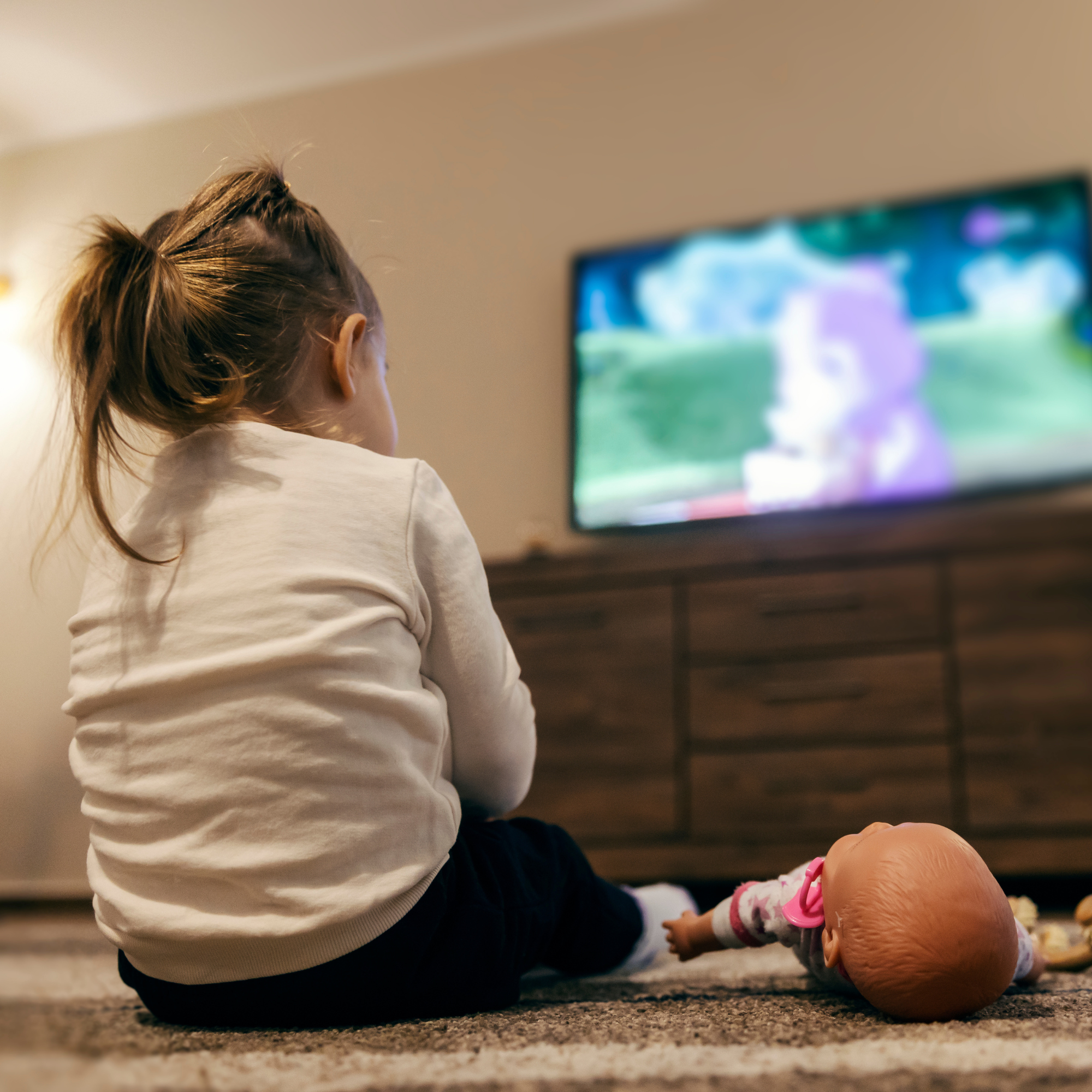
Television has become a staple in most households, often acting as a babysitter when parents need a break. But have you ever wondered if too much TV could affect your child’s speech development? Studies suggest that excessive screen time might contribute to speech delays in young children. It’s crucial to understand how TV impacts language skills to make informed decisions about your child’s viewing habits.
Content Type And Interaction
The type of content your child is exposed to plays a significant role in speech development. Educational programs can be beneficial, but only when they are interactive. Shows that encourage your child to repeat words or sing songs can help reinforce language skills.
However, if your child is just passively watching cartoons with little dialogue or complex language, it might not contribute much to their vocabulary. Think of it this way: if your child is watching a show that doesn’t require them to think or respond, it could be a missed opportunity for language learning.
Passive Vs. Active Engagement
Have you noticed how some shows invite your child to participate? This is called active engagement. Programs that ask questions or prompt your child to mimic sounds encourage active involvement and can boost speech skills.
On the flip side, passive engagement occurs when children simply watch without participating. This can lead to missed chances for language practice. Consider how often your child interacts with the TV—is it more passive or active? Balancing the two can make a big difference in speech development.
So, what can you do to make TV time more beneficial? Encourage your child to talk about what they see. Ask them questions and discuss the storylines. This interaction can help bridge the gap between passive viewing and active learning.
Reflect on your child’s TV habits. Could adjusting the type of content and promoting interaction make a difference in their speech skills? Your involvement is key. Be proactive in choosing shows that stimulate conversation and language learning.
Scientific Studies And Findings
Excessive TV exposure may impact speech development in children. Studies show that screen time can reduce verbal interactions. Reduced interactions are crucial for developing language skills.
### Scientific Studies and Findings The link between excessive TV watching and speech delay in children has been a topic of interest for researchers. Numerous scientific studies have explored this relationship, aiming to uncover how screen time might impact a child’s speech development. If you’re concerned about your child’s speech, understanding these studies can offer valuable insights. ###
Research Methodologies
Researchers have utilized a variety of methods to study the effects of TV on speech delay. Some studies involve observational research, where children’s screen time habits and speech development are monitored over time. Others employ longitudinal studies, tracking a group of children from infancy into early childhood. These methods allow researchers to see patterns and correlations over months and years. Surveys and parental interviews are also common, gathering data directly from families. This approach provides a real-world perspective on how TV watching habits develop in households. ###
Key Discoveries
A significant finding is that excessive screen time, particularly passive viewing, can contribute to speech delay. When children watch TV without interactive engagement, they miss out on crucial language-building interactions. Research shows that children under two years old are more susceptible, as this is a critical period for language development. In one study, toddlers who watched more than two hours of TV per day showed slower language acquisition compared to their peers. Interestingly, not all TV content has the same effect. Educational programs designed for children, like interactive shows, can have a more positive impact. These findings suggest that the type and amount of TV exposure are critical factors. Are you mindful of the content your child consumes? Limiting passive screen time and encouraging interactive learning can make a big difference. By understanding these scientific insights, you can make informed decisions about your child’s screen time. After all, fostering a healthy environment for language development is key.
Balancing Screen Time And Interaction
Too much TV might lead to speech delays in children. Interaction with people is crucial for language development. Balancing screen time with social activities helps children learn better communication skills.
Balancing screen time and interaction is crucial in today’s digital age, especially for young children. While TV can be entertaining and educational, excessive exposure might lead to speech delays. It’s essential to create a balance that fosters healthy development. As a parent, how can you make sure your child enjoys TV without compromising their speech skills?
Healthy Screen Time Practices
Set specific time limits for TV watching. Experts recommend no more than one hour a day for young children. Choose educational programs that encourage learning. Shows with rich vocabulary and interactive elements are ideal. Involve yourself in your child’s screen time. Watch together and discuss the content to make it a shared experience.
Encouraging Verbal Interaction
Engage your child in conversation about what they watched. Ask questions like, “What did you learn?” or “What was your favorite part?” Create opportunities for storytelling. Encourage them to narrate the story from the show in their own words. Mix screen time with activities that promote speech. Reading books, singing songs, and playing games are excellent alternatives. When my son started watching TV, I noticed he was fascinated by the characters’ actions but was silent during playtime. I began to pause the show and ask him questions about the plot. His responses grew longer and more detailed with each session. Think about how screen time fits into your child’s daily routine. Could reducing TV make room for more enriching activities? Balancing screen time with engaging interaction can transform passive viewing into active learning.

Credit: www.daisyplays.com
Parental Guidance And Strategies
Television can be a convenient distraction for children. But too much screen time may affect their speech development. Parents play a crucial role in guiding and supporting their child’s growth. By setting limits and encouraging communication, parents can help their children develop strong language skills. Here are some effective strategies for managing TV time and promoting speech development.
Setting Boundaries
It’s important to set clear limits on TV time. Create a daily schedule that includes specific TV hours. Ensure the TV is off during meals and family time. Encourage activities that involve speaking and listening. These boundaries help balance screen time with real-life interactions.
Promoting Speech Development
Engage your child in conversations throughout the day. Ask open-ended questions that prompt them to speak more. Read books together and discuss the stories. Narrate your daily activities to introduce new words. These interactions build vocabulary and improve understanding.
Encourage playtime with toys that stimulate imagination. Pretend play encourages dialogue and storytelling. Provide opportunities for your child to interact with other children. Social interactions are vital for language development.
Expert Opinions And Recommendations
Many parents worry about their child’s speech development. Concerns arise about too much TV causing delays. Experts offer valuable insights and recommendations on this topic. Speech therapists and pediatricians share their perspectives. Their advice helps parents make informed decisions.
Speech Therapists’ Insights
Speech therapists play a crucial role in child development. They often see children with speech delays. Some therapists believe excessive TV can contribute to speech issues. They suggest interactive playtime instead. Talking and reading with children boosts their language skills. Parents should engage in regular conversations with their kids. This practice enhances vocabulary and communication abilities.
Pediatricians’ Advice
Pediatricians also weigh in on the TV debate. They emphasize moderation in screen time. Excessive TV might limit real-world interactions. These interactions are essential for language development. Pediatricians recommend setting TV limits for young children. Structured routines encourage more face-to-face communication. They urge parents to prioritize quality family time. This approach fosters better speech development.
Credit: www.expressable.com
Frequently Asked Questions
Can Too Much Screen Time Cause A Speech Delay?
Excessive screen time may lead to speech delay in young children. Interaction with screens reduces real-life communication. Encourage face-to-face conversations and interactive play to support language development. Limit screen exposure to balance digital and social activities for healthier speech progress.
Does Tv Cause Speech Delays?
Excessive TV watching might contribute to speech delays in young children. Engaging in real-life interactions is crucial. Parents should balance screen time with interactive activities. Encouraging conversation and reading can help develop language skills effectively. Always consult a specialist for personalized advice regarding speech development concerns.
Can Too Much Tv Cause Developmental Delays?
Excessive TV watching can lead to developmental delays in children. It may affect language skills and social interactions. Limiting screen time and encouraging educational activities can help. Engaging in interactive play and reading boosts cognitive development. Balance is key for healthy growth.
What Is The Most Common Cause Of Speech Delay?
The most common cause of speech delay is hearing loss. Children struggle to develop language skills without proper hearing. Other factors include autism, developmental disorders, and lack of stimulation. It’s crucial to consult a specialist for accurate diagnosis and intervention.
Early detection can significantly improve outcomes for affected children.
Conclusion
Limiting TV time can benefit your child’s speech development. Balance screen time with interactive activities. Storytelling, reading, and conversations help language skills grow. Encourage your child to ask questions. Play games that involve speaking and listening. Be patient and supportive.
Every child develops at their own pace. Seek professional advice if concerned. Remember, quality interactions matter most. Prioritize meaningful communication with your child daily. Small changes can make a big difference. Focus on creating a nurturing environment. Your involvement plays a key role in their growth.
Foster an environment rich in language and interaction.