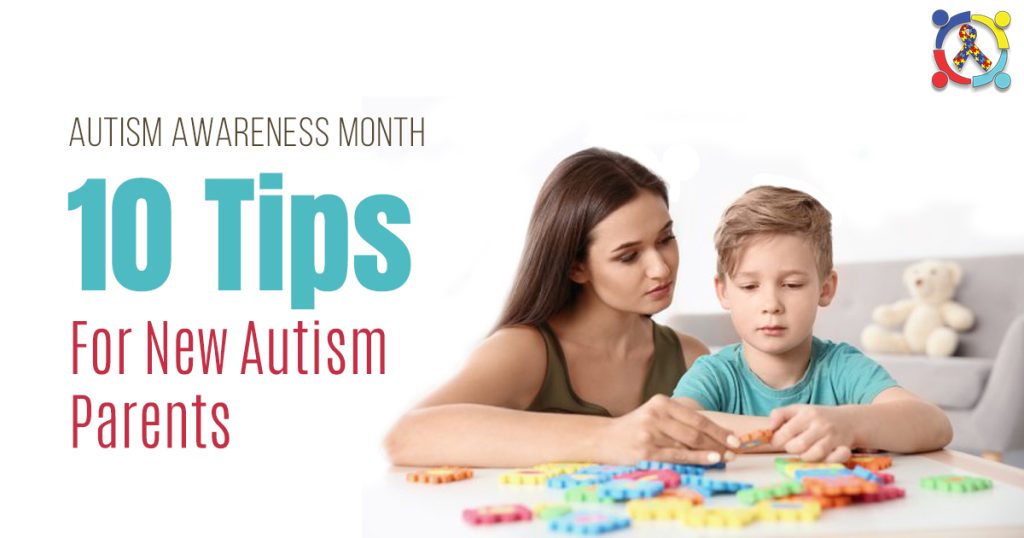
Yes, speech therapy can help individuals with autism. It enhances communication skills and supports social interaction.
Speech therapy is a key part of autism treatment. Many children with autism face challenges in expressing themselves. These challenges can affect their daily life and relationships. Speech therapy targets these areas, helping them improve. It focuses on understanding and using language effectively.
Therapists use various techniques tailored to each child’s needs. This personalized approach boosts their confidence and communication skills. It also helps them better understand social cues. As a result, children can interact more comfortably with others. This therapy aims to bridge the communication gap. It empowers children with autism to express themselves clearly. Speech therapy can open new doors for their growth and learning.
Speech Therapy Basics
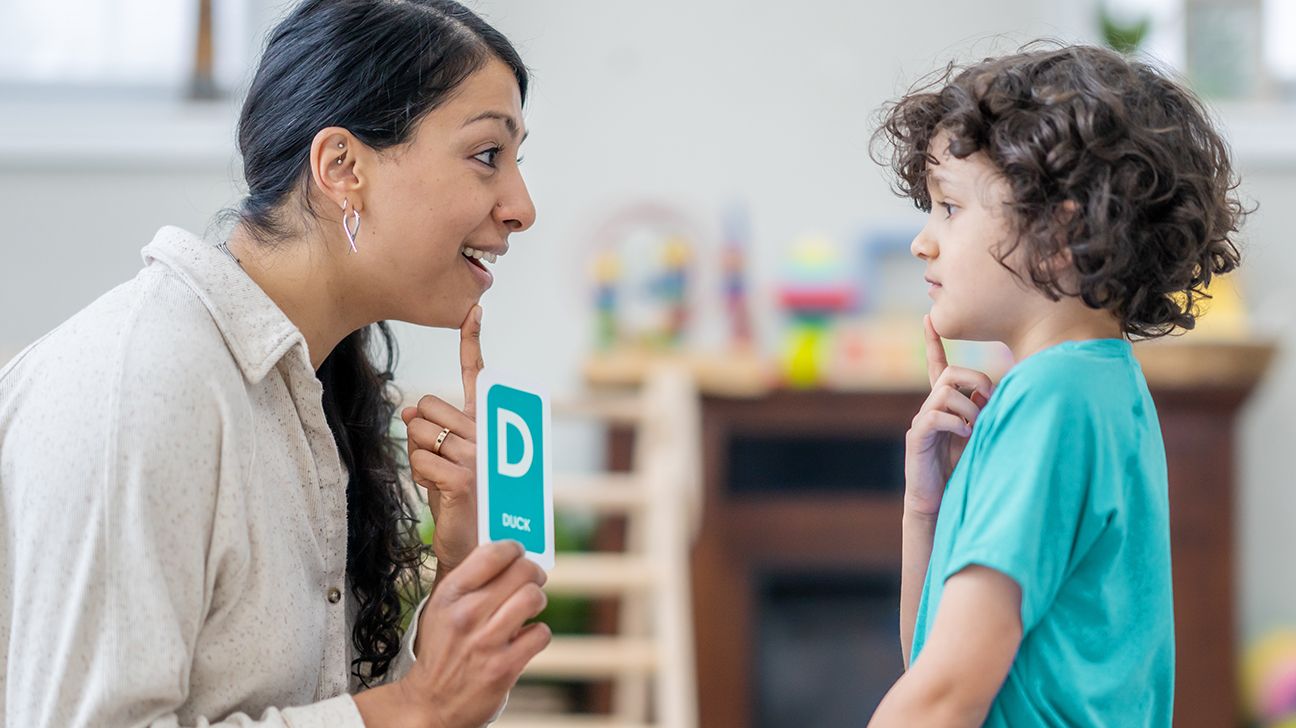
Speech therapy uses many techniques to help children. Repetition is important. Kids practice sounds often. Visual aids can help too. Pictures show words and actions. Games make learning fun. Children play while they learn. Role-playing helps kids understand social cues. They learn to talk like others.
Speech therapists are helpers. They teach kids to communicate better. Therapists watch how kids talk. They find strengths and weaknesses. Then, they make a plan. Children learn in small steps. Therapists cheer them on. They talk with parents too. They give advice for home practice. Parents can help kids at home.
Link Between Autism And Communication
Many kids with autism face communication challenges. They may find it hard to understand others. Talking can also be a struggle. Words might be hard to find. Some kids might not speak at all. Others may speak but not in full sentences. This can make it tough to make friends.
These challenges can affect daily life. It might be hard to ask for help. Some kids can’t say what they need. This can cause frustration. Simple tasks become difficult. Playing with others can be tricky. Many kids with autism want friends. But talking is hard. Speech therapy can help.
How Speech Therapy Supports Autism
Speech therapy helps kids talk better. It teaches them words and sounds. Children learn to understand what others say. They practice speaking clearly. Therapists use games and fun activities. Kids enjoy learning this way. Communication becomes easier for them. They feel happy when they express themselves.
Speech therapy helps kids make friends. They learn how to talk with others. It teaches them to listen and respond. Kids practice sharing ideas. They learn to take turns in conversation. Social skills become stronger. They gain confidence in talking to friends. Playing with others becomes more fun. Kids feel included and less alone.
Proven Benefits Of Speech Therapy
Speech therapy helps children with autism speak better. This makes them feel more confident. They learn to express their thoughts clearly. This boosts their self-esteem. Kids feel proud when they talk with others. They enjoy making new friends. Confidence grows with every successful conversation. It helps them in school and at home. They feel happy and safe.
Many kids with autism feel frustrated. They struggle to say what they want. Speech therapy teaches them new ways to talk. This reduces their anger and stress. Kids feel calmer and more relaxed. They can tell others what they need. They feel understood and cared for. Parents notice fewer tantrums. Life becomes easier for the whole family.
Speech Therapy Strategies
Speech therapy can aid children with autism. Each child is unique. Tailored approaches are important. Therapists study each child carefully. They focus on strengths and weaknesses. Some kids might need help with sounds. Others might need support with words. Therapists create special plans. These plans improve communication skills. Parents play a big role too. They work with therapists. Together, they help the child grow. Progress might be slow. But every step counts.
Technology can be a valuable tool. It helps make therapy fun. Apps and games are useful. They keep kids interested. Tablets and computers are common. They offer interactive exercises. Kids enjoy using them. Speech devices can also assist. These devices help children speak. They give children a voice. Technology adds variety to sessions. It makes learning exciting. Children often respond well. They learn new skills quickly.

Credit: therapyandwellnessconnection.com
Success Stories And Case Studies
Many children with autism have improved through speech therapy. One young boy, Tim, struggled to speak. After therapy, he could ask for water. His family was thrilled. Another child, Mia, had no eye contact. She learned to say “hello” and look at people. Her teachers noticed a big change. These stories show how therapy works.
With time, skills get better. Sarah, a girl with autism, learned to talk. Over months, her words became clearer. She started making friends. Another case is Jake. His therapy helped him in school. He began to understand stories. He even joined a reading group. These examples prove that progress happens.
Future Directions In Speech Therapy
Speech therapy can support children with autism by enhancing communication skills and social interactions. It targets language development, helping kids express themselves more clearly. This therapy also focuses on improving understanding and use of verbal and non-verbal cues.
Innovative Techniques
Speech therapists use new methods to help children with autism. Some therapists try technology-based tools like apps. These apps make learning fun. Others use visual aids to show words and actions. Pictures help kids understand better. Games can also be part of therapy. Kids learn while playing. This makes therapy exciting. Therapists often mix methods. They choose what’s best for each child.
Emerging Research
Research shows promising results in speech therapy for autism. Scientists study how children learn. They explore how brain development affects speech. Some studies look at early intervention. Starting therapy early helps kids more. Researchers also check different therapies. They want to find the best one. Each child is unique. So, therapy should be tailored. New studies offer hope for better techniques. Ongoing research helps improve methods.
Credit: www.healthline.com
Credit: azaunited.org
Frequently Asked Questions
How Effective Is Speech Therapy For Autism?
Speech therapy significantly improves communication skills in individuals with autism. It enhances social interaction and language development. Early intervention often leads to better outcomes. Each person’s progress varies, but consistent therapy can offer noticeable improvements.
Can An Autistic Child Grow Up Normally?
Yes, autistic children can grow up to lead fulfilling lives. Early intervention and support help develop skills. Each child’s growth varies, influenced by therapy, education, and family environment. Embrace strengths and challenges. Professional guidance and acceptance are key to nurturing their potential.
Do Speech Therapists Work With Autism?
Yes, speech therapists work with autism. They help improve communication, social skills, and language development. Therapy focuses on enhancing verbal and non-verbal skills. Speech therapists tailor strategies to individual needs, promoting effective communication. This support can significantly improve daily interactions for individuals with autism.
What Type Of Therapy Is Best For Autism?
Applied Behavior Analysis (ABA) therapy is often recommended for autism. It focuses on improving communication, social, and learning skills. Other therapies like Speech Therapy, Occupational Therapy, and Social Skills Training can also be beneficial. Consult with healthcare professionals to determine the best therapy tailored to individual needs.
Conclusion
Speech therapy offers valuable support for children with autism. It helps improve communication. Kids learn to express needs and emotions better. This can lead to stronger social connections. Parents often notice positive changes. Consistency is key. Regular sessions yield the best results.
Speech therapists tailor strategies to each child. This personal approach enhances effectiveness. Families should stay involved. Practice at home reinforces progress. Overall, speech therapy contributes to a brighter future. Children gain confidence and skills. They achieve greater independence. Consider speech therapy as a supportive tool.
It can make a meaningful difference in their lives.