
Imagine watching your child grow, eagerly waiting for their first words, only to find that they struggle with speech development. It’s a concern that can leave you searching for answers and solutions.
You might have heard about lip ties and wonder if they could be the culprit behind speech delays. Lip ties are often overlooked but can have more impact than you might think. By understanding the connection between lip ties and speech, you can take charge of your child’s communication journey.
Don’t let uncertainty hold you back. Discover how a simple anatomical issue might affect your child’s speech and learn the steps you can take to address it effectively. Keep reading to uncover the surprising truth about lip ties and speech delay, and empower yourself with the knowledge to make informed decisions for your child’s future.
What Is Lip Tie?
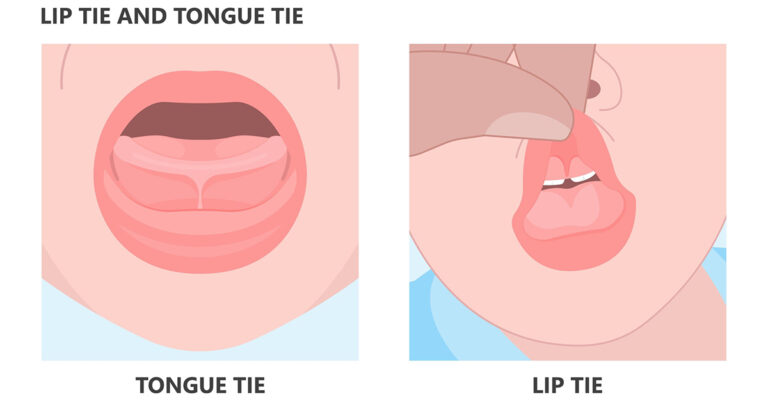
Understanding lip ties is essential for parents concerned about speech delays. A lip tie occurs when the tissue connecting the upper lip to the gum restricts movement. This condition can affect feeding, dental health, and potentially speech development. Awareness of lip ties helps in early intervention.
What Causes Lip Tie?
Lip ties result from a tight or thick labial frenulum. This small piece of tissue joins the inside of the upper lip to the gum. In some cases, the frenulum is too short or thick. This restricts lip movement, causing difficulty in breastfeeding and speech.
Identifying Lip Tie In Children
Spotting a lip tie can be straightforward. Look for a gap between the upper teeth. Check if the upper lip is hard to move. Difficulty in breastfeeding might be a sign. A pediatrician or dentist can provide a diagnosis.
Potential Impacts On Speech
Speech development may be affected by lip ties. Limited lip movement can hinder articulation. This makes certain sounds difficult to produce. Early detection and treatment can aid in smoother speech development.
Causes Of Lip Tie
Lip tie is a condition affecting the tissue connecting the upper lip to the gums. This can interfere with normal lip movement. Understanding the causes of lip tie is crucial. It helps identify potential speech delay in children.
Genetic Factors
Genetics often play a role in developing lip tie. Some children inherit this condition from their parents. A family history of oral issues may increase the likelihood. Identifying genetic links can provide early intervention opportunities.
Developmental Issues
During pregnancy, the lip tissue may not form correctly. This can lead to lip tie in newborns. Environmental factors can impact fetal development. Poor nutrition or exposure to toxins are examples. These may contribute to oral tissue anomalies.
Medical Conditions
Some medical conditions might cause lip tie. Conditions affecting connective tissue development are significant. These may include syndromes affecting collagen production. Recognizing these underlying issues is essential. Early diagnosis can prevent speech complications.
Trauma Or Injury
Occasionally, lip tie occurs due to trauma. An injury to the mouth can affect the lip tissue. This might result in scar tissue formation. Scar tissue can restrict normal lip movement. Addressing injuries promptly is important to avoid complications.
Symptoms Of Lip Tie
Identifying a lip tie in children is crucial for their development. Lip tie symptoms might be subtle but impactful. Parents often overlook these signs, attributing them to other issues. Recognizing symptoms early can prevent potential speech delays.
Physical Indicators
A lip tie may show physical signs around the mouth. A tight upper lip or restricted movement is common. Children may have difficulty opening their mouths wide. This can affect eating and speaking.
Feeding Challenges
Feeding issues are prominent in infants with lip tie. Babies might struggle to latch during breastfeeding. This can lead to prolonged feeding sessions. Bottle-fed babies may also face similar challenges.
Speech Impediments
Speech development might be hindered by a lip tie. Children may have difficulty pronouncing certain sounds. This can cause frustration and slow language acquisition.
Dental Problems
Dental issues often accompany lip ties. Gaps between teeth can appear as the lip restricts space. This might affect the alignment of teeth over time.
Behavioral Signs
Behavioral changes might indicate discomfort from a lip tie. Children may show irritability during eating. They might avoid certain foods or textures.
Breathing Difficulties
Breathing may be impacted due to restricted mouth movement. Children might breathe through their mouths rather than their noses. This can affect sleep quality and overall health.
Impact On Oral Health
Many parents worry about the impact of lip ties on oral health. A lip tie occurs when the tissue connecting the upper lip to the gums is too tight. This condition can lead to challenges in oral function and development. Understanding how lip ties affect oral health is crucial for addressing potential problems early.
Impact On Tooth Development
Lip ties can interfere with proper tooth development. The tight tissue may cause spacing issues between teeth. This can affect the alignment of the upper front teeth. Proper alignment is essential for healthy oral function.
Challenges With Oral Hygiene
Maintaining good oral hygiene can be difficult with a lip tie. The tight tissue can make brushing and flossing challenging. This might lead to plaque buildup and cavities. Regular dental check-ups can help manage these risks.
Increased Risk Of Gum Problems
Lip ties may increase the risk of gum issues. The tension on the gums can lead to inflammation. This might cause discomfort and other oral health concerns. Early intervention can prevent long-term complications.
Speech Development Concerns
Although not directly related to oral health, speech development can suffer. Lip ties might limit the movement needed for certain sounds. This can contribute to speech delays in young children. Addressing lip ties can support better speech development.
Connection To Speech Development
Understanding the connection between lip tie and speech development can be crucial for many parents. Lip tie refers to a condition where the upper lip is attached too tightly to the gum, potentially affecting a child’s ability to speak clearly. This can lead to speech delays, as the child’s ability to move their lips freely is compromised, which is essential for forming sounds and words effectively.
How Lip Tie Impacts Articulation
Articulation refers to the clarity of speech sounds. A lip tie can hinder a child’s ability to produce sounds correctly, affecting their speech clarity. Imagine trying to pronounce words without full lip movement—this can be a significant challenge for kids with lip tie.
The Role Of Lip Movement In Speech
Lip movement is vital in forming certain sounds, like ‘b’ and ‘p.’ These require the lips to come together and separate smoothly. With a lip tie, such movements can be restricted, making it difficult for children to pronounce these sounds correctly.
Signs Of Speech Delay Due To Lip Tie
Are you noticing that your child struggles with specific sounds or words? Perhaps they avoid speaking altogether or speak less than other children their age. These could be signs of speech delay related to lip tie.
Seeking Professional Advice
If you’re concerned about your child’s speech development, consulting a speech therapist can be beneficial. Professionals can assess whether a lip tie is impacting speech and suggest appropriate interventions or treatments.
Personal Experience: A Parent’s Perspective
I once met a parent whose child had a significant speech delay. After addressing the lip tie with a specialist, they noticed remarkable improvement in their child’s speech clarity and confidence. Could this be the solution for your child?
Practical Steps For Improvement
- Observe your child’s speech patterns and note any struggles with specific sounds.
- Consult with healthcare providers to evaluate the presence of lip tie.
- Explore speech therapy options that focus on improving articulation and confidence.
Understanding the impact of lip tie on speech development might just be the key to helping your child communicate more effectively. Have you considered all possibilities for aiding your child’s speech progress?
Speech Delay Indicators
Understanding speech delay indicators is crucial for early intervention. Parents often worry when their child’s speech development seems slow. Recognizing the signs can help address potential issues like lip tie. Lip tie can affect tongue movement, impacting speech clarity. Identifying these indicators early can lead to effective treatments.
Common Speech Delay Indicators
Children might not babble by 12 months. This is an early sign. They might not say single words by 16 months. By age 2, they should use two-word phrases. If not, it may indicate a delay. Limited vocabulary compared to peers is another indicator. Children may also struggle with sounds.
Difficulty With Pronunciation
Children with a speech delay might mispronounce words. They could omit or swap sounds. This makes understanding them difficult. Consistent difficulty with sounds warrants attention. It’s important to monitor these challenges.
Reduced Social Interaction
Speech delay can affect social skills. Children may play alone more often. They might avoid talking to peers. Limited interaction with others is a sign. It can also lead to frustration. Helping them communicate reduces this frustration.
Inconsistent Speech Patterns
Speech patterns might be inconsistent. Children could struggle with forming sentences. They might pause frequently when speaking. This affects their ability to convey thoughts. Consistent speech patterns are key for development. Monitoring these patterns is crucial.
Challenges In Understanding Instructions
Children may find it hard to follow instructions. This can be a speech delay indicator. They might need repeated instructions. Difficulty understanding can stem from speech issues. Identifying this early can aid in their development.
Frustration During Communication
Communication frustration is common in speech delays. Children might get upset easily. They may struggle to express their needs. This often leads to tantrums. Understanding their frustration is important. Helping them communicate better can ease this.
Diagnosis Of Lip Tie
Lip tie can lead to speech delay in children. Its presence restricts lip movement, impacting the ability to form sounds correctly. Early diagnosis is key to addressing potential speech issues.
Lip tie is a condition that often goes unnoticed in infants. It can lead to various challenges, including potential speech delays. Understanding how lip tie is diagnosed is crucial for parents and caregivers. Early diagnosis can open doors to effective solutions, improving a child’s communication skills and overall quality of life. Lip tie occurs when the tissue connecting the upper lip to the gum is too tight or thick. This restricts lip movement and can affect breastfeeding, dental health, and speech development. Not all lip ties cause problems, but for some children, it can be a barrier to clear speech.
Recognizing The Signs
You may notice your child struggling with certain sounds or experiencing difficulty breastfeeding. These can be subtle signs of lip tie. Some children might have trouble moving their lips freely, impacting their ability to articulate words properly.
Consulting A Professional
If you suspect lip tie, it’s important to consult a healthcare professional. Pediatricians or dentists specializing in oral health can assess your child’s condition. They use specific criteria to determine the presence and severity of lip tie.
Diagnostic Techniques
Healthcare providers usually perform a physical examination. They may use tools like a tongue depressor to get a better view of the lip and gum connection. In some cases, further imaging may be required to analyze the severity of the tie.
The Role Of Speech Therapists
Speech therapists can provide valuable insights. They assess how the lip tie might be affecting your child’s speech patterns. By observing your child’s speech, they can recommend whether surgical intervention or therapy might be beneficial.
The Importance Of Early Diagnosis
Spotting lip tie early can prevent future complications. It can ensure your child receives timely treatment or therapy. Early diagnosis can lead to quicker improvements in speech and overall oral health.
Parents’ Experiences
Some parents share stories about noticing speech delays in their children due to lip tie. They often find relief after seeking medical advice and treatment. These experiences highlight the importance of being proactive and seeking professional guidance.
Questions To Consider
Is your child struggling with speech development? Do you notice difficulty with certain sounds or words? If so, could lip tie be the underlying issue? These questions can guide you in taking the next steps towards diagnosis and treatment. Understanding the diagnosis of lip tie empowers you to make informed decisions. It’s about recognizing the signs and seeking appropriate medical advice. Early intervention can make a significant difference in your child’s speech and overall development.

Credit: www.weetalkers.com
Treatment Options
Lip tie might contribute to speech delay in children. Treatment options include a frenectomy, which removes the restrictive tissue. Speech therapy can also support improved speech development.
When considering treatment options for a lip tie that may be causing speech delays in your child, it’s important to explore all avenues available. Different treatments can offer relief and improvement, but the right choice depends on the severity of the lip tie and individual needs. Understanding these options can empower you to make informed decisions that best support your child’s speech development journey.
Surgical Interventions
Surgical interventions often involve a procedure called a frenectomy or frenuloplasty. These are minor surgeries where a healthcare professional releases the tight tissue causing the lip tie. Some parents notice immediate improvements in their child’s speech post-surgery. Others may see gradual changes over time. The procedure is typically quick, with minimal discomfort, and can be performed using a laser or surgical scissors. Discussing with a pediatric dentist or ENT specialist can help you understand the best method for your child.
Therapeutic Approaches
Therapeutic approaches can complement or even replace surgical options, depending on the case. Speech therapy is a common method used to address speech delays caused by a lip tie. A speech therapist can work with your child to improve articulation and language skills through targeted exercises. This can be especially beneficial if surgery is not an option or if you prefer a non-invasive route.
Additionally, myofunctional therapy, which focuses on strengthening the facial muscles, can be effective. This approach can help improve oral function and support better speech patterns over time. Have you considered combining both surgical and therapeutic options for a comprehensive approach? Many parents find this dual strategy offers the best outcomes for their child’s speech development. Ultimately, the choice of treatment should be guided by professional advice tailored to your child’s specific needs and your family’s preferences. Seeking a multidisciplinary opinion can ensure you explore all the possibilities for your child’s speech progress.
Role Of Healthcare Professionals
Understanding the role of healthcare professionals in diagnosing and treating lip tie is crucial for parents concerned about their child’s speech development. These experts possess the skills necessary to identify whether a lip tie might be contributing to speech delay. Their guidance can help you navigate the complexities of treatment options.
Healthcare professionals are often the first point of contact when you suspect a lip tie. Pediatricians and speech therapists play a significant role in assessing your child’s speech patterns and physical barriers to clear speech.
Have you ever watched a speech therapist work with a child who has a lip tie? They use specialized techniques to evaluate speech difficulties, providing critical insights. This hands-on approach helps in forming a tailored treatment plan.
Importance Of Early Diagnosis
Early diagnosis by professionals can make a world of difference in your child’s speech development journey. They use tools like visual assessments and oral examinations to determine if a lip tie exists.
A timely diagnosis can lead to early intervention, which might include exercises or surgical procedures to resolve the issue. This proactive approach can prevent potential long-term speech delays.
Choosing The Right Specialist
Finding the right specialist is key. You might wonder how to choose the best professional for your child’s needs. Seeking recommendations from friends or online reviews can be helpful.
Consider specialists with experience in treating lip ties. A pediatric dentist or an ENT specialist may offer valuable insights and treatment options. Their expertise can guide you through the decision-making process.
Collaborative Care Approach
Healthcare professionals often work together to provide comprehensive care. This collaborative approach ensures your child receives the best treatment possible.
Imagine a team of experts—pediatricians, dentists, and speech therapists—coming together to address your child’s needs. Their combined efforts can lead to more effective treatment outcomes.
Have you considered how a team approach might benefit your child? It encourages a holistic view of your child’s health, addressing both physical and speech-related challenges.
Ultimately, engaging with healthcare professionals can be a game-changer in managing lip tie-related speech issues. Their expertise and collaborative efforts are invaluable assets in supporting your child’s speech development.
Parental Guidance And Support
Lip tie can impact a child’s ability to speak clearly, potentially leading to speech delays. Early detection and treatment of lip tie are crucial for effective communication development. Parents play a key role in seeking professional advice to address this issue promptly.
Parental guidance and support play a vital role in addressing potential speech delays caused by lip tie. As a parent, you might be wondering how you can help your child overcome the challenges associated with this condition. The journey can be daunting, but with patience and the right approach, you can make a significant difference in your child’s speech development.
Understanding Lip Tie And Its Impact
Lip tie occurs when the tissue connecting the upper lip to the gum is unusually tight or thick. It can restrict lip movement, potentially impacting speech development. You might notice your child struggling with certain sounds or having difficulty forming words. Recognizing these signs early can be crucial in seeking timely interventions.
Consulting Professionals
Seeking advice from a speech therapist or pediatrician can provide clarity. They can assess your child’s condition and offer tailored strategies. Professional guidance ensures you are equipped with the right tools to support your child’s speech journey effectively.
Creating A Supportive Environment
Your home can be a nurturing space where your child feels encouraged to communicate. Engage in regular conversations, read together, and play language-rich games. These activities foster speech development and boost your child’s confidence.
Incorporating Speech Exercises
Simple exercises can make a big difference. Encourage your child to practice sounds that are challenging for them. Use fun, interactive methods like songs or rhymes to keep them engaged. Regular practice can gradually improve their speech clarity.
Monitoring Progress
Keep track of your child’s improvements. Celebrate small victories to motivate them further. If you notice persistent difficulties, don’t hesitate to seek additional support. Progress may be gradual, but with consistent effort, positive changes are possible.
Building Confidence Through Encouragement
Positive reinforcement can boost your child’s self-esteem. Praise their efforts and avoid focusing solely on mistakes. Encouragement fosters a sense of achievement, making them more willing to try new sounds and words.
Connecting With Other Parents
Sharing experiences with other parents can be enlightening. You might discover new strategies or find comfort in knowing you’re not alone. Community support can provide valuable insights and encouragement on your journey. Remember, your involvement and dedication can significantly impact your child’s speech development. What steps will you take today to support your child’s progress?
Myths And Misconceptions
Many parents worry about the impact of lip ties on their child’s speech. Lip ties occur when the tissue connecting the lip to the gum is tight. This can cause feeding issues, but what about speech?
There are many myths surrounding lip ties and speech delays. It’s crucial to separate fact from fiction to make informed decisions.
Myth 1: All Lip Ties Cause Speech Delay
Some believe every lip tie will lead to speech problems. This is not true. Not all children with lip ties experience speech delays. Each child is unique and may not face speech issues.
Myth 2: Surgery Is The Only Solution
Many think surgery is the only way to fix lip ties. This is a misconception. Some lip ties do not need surgery. Other treatments like speech therapy can be effective.
Myth 3: Lip Ties Affect Speech Sounds
People often assume lip ties change speech sounds. Lip ties can affect feeding but may not alter how a child speaks. Proper evaluation is needed to understand the impact.
Myth 4: Lip Ties Always Cause Feeding Issues
Not every child with a lip tie has trouble feeding. Some children feed well despite having a lip tie. Each case is different and requires individual assessment.
Myth 5: Speech Delay Means Lip Tie
Speech delay is not always due to a lip tie. Many factors can cause speech delays. A thorough check-up is needed to find the real reason.
Credit: therapyworks.com
Case Studies And Research
Exploring the link between lip tie and speech delay reveals intriguing insights. Lip tie, a condition affecting the upper lip’s movement, may impact speech development. Understanding these potential challenges can guide effective intervention strategies for children.
Understanding the link between lip tie and speech delay can be pivotal for parents and caregivers. Case studies and research provide valuable insights into how this condition may impact speech development. By examining real-life examples and scientific findings, you can gain a clearer picture of the implications and solutions available.
Case Study: Emily’s Journey
Emily, a bright three-year-old, struggled with speech clarity. Her parents noticed she often avoided certain sounds. After several visits to specialists, they discovered her lip tie was affecting her speech. Once treated, Emily’s speech improved significantly. Her experience highlights how addressing physical barriers can unlock verbal potential.
Research Findings: The Connection Between Lip Tie And Speech Delay
Recent studies have explored the relationship between lip tie and speech delays. Researchers found that untreated lip ties can restrict mouth movements, making it difficult for children to articulate sounds. One study noted that early intervention led to marked improvements in speech development.
Expert Opinions: What Speech Therapists Say
Speech therapists often see firsthand the impact of lip tie on communication skills. Many experts recommend a comprehensive approach. This includes assessment of physical barriers and tailored speech therapy sessions. By focusing on both aspects, children can achieve better outcomes faster.
Table: Lip Tie Impact On Speech Development
Here’s a quick overview of how lip tie can affect speech, based on research and expert opinions:
| Aspect | Impact | Solution |
|---|---|---|
| Articulation | Difficulty with certain sounds | Surgical intervention |
| Confidence | Avoidance of speaking | Speech therapy |
| Clarity | Unclear speech | Regular practice |
Are We Missing Early Signs?
Could you be overlooking signs of lip tie in your child? Many parents miss early indicators. Observing speech patterns and seeking professional advice can be crucial. Recognizing and addressing lip tie early can prevent long-term speech challenges.
Practical Steps: What Can You Do?
If you suspect a lip tie, consider consulting with a pediatrician or dentist. They can offer assessments and potential treatments. Speech therapy can also support your child’s communication skills. Taking action early ensures your child receives the help they need. Research and case studies offer a roadmap for understanding and addressing lip tie-related speech delays. As you explore these insights, consider how they might apply to your child’s situation.
Frequently Asked Questions
Does A Lip Tie Cause Speech Problems?
A lip tie can potentially affect speech development, but not always. It might limit tongue movement, impacting articulation. Speech issues often depend on severity and individual factors. Consulting a pediatrician or speech therapist can provide guidance. Treatment or therapy may be needed for improvement in some cases.
What Words Are Hard To Say With A Lip Tie?
A lip tie can make pronouncing certain words challenging, especially those with sounds like “p,” “b,” “m,” and “w. ” These sounds require lip movement, which can be restricted by a lip tie. Speech therapy can help improve pronunciation and communication skills in individuals affected by lip tie.
What Causes Delayed Speech In A 2 Year Old?
Delayed speech in a 2-year-old can result from hearing issues, developmental disorders, or insufficient language exposure. Autism, speech disorders, or family history might also contribute. Regular check-ups and early intervention can help address these concerns effectively. Consult a pediatrician for an accurate diagnosis and personalized guidance.
At What Age Should A Lip Tie Be Treated?
Lip tie treatment is usually recommended in infancy or early childhood. Consult a pediatrician or dentist for advice. Early intervention can improve feeding and speech development. Always seek professional guidance for personalized treatment options and timing.
Conclusion
Lip ties can influence speech development in children. Early diagnosis helps. Treatment options are available and can aid speech improvement. Consulting with professionals ensures the best approach for each child. Parents should observe their child’s speech progress closely. Addressing concerns early can lead to better outcomes.
Speech therapy may be beneficial in some cases. Understanding lip ties can empower parents to make informed decisions. Every child is unique, so tailor solutions accordingly. Seek advice from healthcare providers for personalized guidance. Prioritizing speech health can enhance communication skills in the long run.