
Are you concerned about your child’s speech development? You might be wondering if their enlarged tonsils could be the culprit.
You’re not alone. Many parents grapple with understanding how physical health can impact their child’s ability to speak clearly and confidently. It’s a question that can lead to sleepless nights and constant worry. But the good news is, you’re in the right place to find answers.
We’ll explore the connection between enlarged tonsils and speech delay, helping you to make informed decisions about your child’s health. Imagine the relief of knowing exactly what’s affecting your child and what you can do about it. By the end, you’ll feel empowered with knowledge and ready to take the next step. Let’s dive in and uncover the truth behind tonsils and speech development.
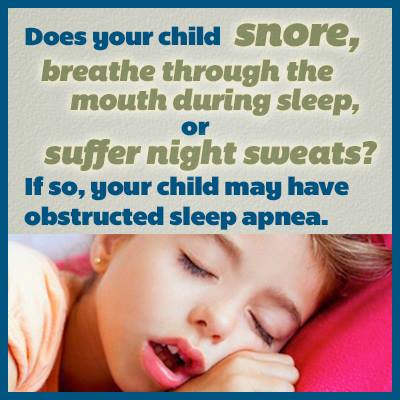
Credit: www.speechbuddy.com
Enlarged Tonsils: An Overview
Enlarged tonsils can be more than just a minor inconvenience. They can impact a child’s ability to speak clearly and even hinder their development. Understanding what enlarged tonsils are and why they enlarge can help you make informed decisions about your child’s health. Let’s dive into the details.
What Are Tonsils?
Tonsils are two small masses of tissue located at the back of your throat. They are part of your immune system and help fight off infections. You might think of them as your body’s first line of defense against germs entering through your mouth.
Imagine tonsils as the gatekeepers standing guard. They catch bacteria and viruses trying to sneak in. However, when they become overwhelmed, they can enlarge and cause issues like difficulty swallowing or even speech delays.
Causes Of Enlargement
Several factors can lead to enlarged tonsils. Frequent infections are a common cause. Each time your child catches a cold or sore throat, the tonsils may swell as they work to fight off the illness.
Allergies can also play a role. If your child is allergic to pollen, dust, or pet dander, their tonsils may react by enlarging. This reaction is the body’s way of trying to filter out the allergens.
In some cases, enlarged tonsils are simply a result of genetics. If you had enlarged tonsils as a child, your child might experience the same issue. Have you noticed any family patterns?
Understanding these causes can help you recognize when it’s time to consult a healthcare professional. Are you noticing symptoms like snoring, trouble swallowing, or changes in your child’s speech? These could be signs that your child’s tonsils are larger than they should be.
Speech Development In Children
Speech development is an essential part of childhood growth. Children learn to communicate thoughts and feelings through words. This journey involves many stages and milestones. Understanding these can help caregivers support their children effectively.
Milestones Of Speech Development
Children typically start babbling around six months. By their first birthday, they may say a few simple words. Between 18 months and two years, vocabulary expands. Simple sentences begin to form. By age three, children often speak in full sentences. They express ideas and feelings. Observing these milestones helps track a child’s progress.
Factors Affecting Speech
Various factors can impact speech development. Hearing ability plays a crucial role. Children must hear sounds clearly to mimic them. Health conditions like enlarged tonsils may disrupt speech. They can lead to breathing issues. This may affect sound production. Family environment also matters. Engaging conversations encourage language growth. Reading to children boosts vocabulary and comprehension.
Connection Between Enlarged Tonsils And Speech Delay
The connection between enlarged tonsils and speech delay can be surprising for many parents. Enlarged tonsils are commonly associated with throat infections and sleep disturbances, but their impact on speech development is often overlooked. Understanding this link can help you address speech delay issues more effectively in your child.
Physical Implications Of Enlarged Tonsils
Enlarged tonsils can physically obstruct airways. This can lead to difficulty in breathing, especially during sleep. You might notice your child breathing through their mouth, which can affect the clarity of their speech.
Consider how this constant obstruction impacts daily life. If your child is struggling to breathe comfortably, speaking clearly can become a challenge. The effort required to push air through a blocked airway can result in speech that sounds muffled or unclear.
Impact On Communication Skills
Communication isn’t just about speaking; it involves listening and responding. Enlarged tonsils can lead to frequent ear infections due to fluid buildup. This can affect hearing, making it hard for your child to pick up on sounds and words correctly.
Think about how vital clear hearing is to learning speech. When hearing is compromised, your child may miss out on learning essential speech sounds and patterns. This can cause delays in developing robust communication skills.
Have you ever noticed a child seeming withdrawn or hesitant to speak? Enlarged tonsils can contribute to this behavior. If speaking feels uncomfortable or painful, your child might avoid it altogether, impacting their social interactions.
Have you considered discussing these observations with a healthcare professional? They can offer guidance and potential solutions, such as tonsil removal, which may improve both breathing and speech clarity.
Exploring these impacts can be a game-changer in understanding speech delay. It gives you a concrete path to improving your child’s speech and overall quality of life. How might this insight change your approach to managing speech delay?
Signs Of Speech Delay Related To Tonsils
Understanding the signs of speech delay related to enlarged tonsils is essential for parents. Enlarged tonsils can impact a child’s ability to speak clearly. This happens because they may obstruct the airway or affect breathing during sleep. Recognizing the symptoms early can lead to effective treatment. It can improve both speech and overall health.
Observable Symptoms In Children
Children with enlarged tonsils might struggle with articulation. Words may sound muffled or unclear. They might have difficulty pronouncing certain sounds. Nasal speech is another common symptom. Listen for a voice that sounds like it’s spoken through the nose. Frequent pauses or gaps in speech can be another indicator. These symptoms can be subtle but noticeable over time.
When To Seek Medical Advice
Consult a doctor if speech issues persist. Pay attention to any breathing difficulties. Snoring or sleep apnea can also be signs of enlarged tonsils. These issues might affect a child’s energy and focus. If a child struggles with constant throat infections, it might be time to seek help. A healthcare professional can provide guidance and recommend solutions.
Diagnosis And Treatment Options
Understanding the diagnosis and treatment options for enlarged tonsils is vital. Enlarged tonsils can affect a child’s speech development. Proper diagnosis ensures timely treatment, improving speech and overall health. Parents should know what to expect during the diagnosis process. They should also be aware of available treatment paths.
Medical Examination And Tests
A thorough medical examination is the first step. Doctors check the child’s throat and tonsils. They might ask about the child’s health history. Sometimes, doctors use a small camera to look at the tonsils. This is called an endoscopy. Blood tests might be necessary to rule out infections. Hearing tests can also be helpful. They determine if hearing issues affect speech.
Surgical And Non-surgical Treatments
Treatment options vary based on the child’s needs. Non-surgical treatments include medications. Antibiotics can treat infections. Anti-inflammatory drugs reduce swelling. Speech therapy may help improve speech delays. It’s an option if tonsils are not the main issue.
Surgery might be needed for severe cases. Tonsillectomy is the most common procedure. It involves removing the tonsils. This can improve breathing and speech. Recovery from surgery is usually quick. Parents often see improvements soon after. Always consult with a doctor for the best treatment plan.
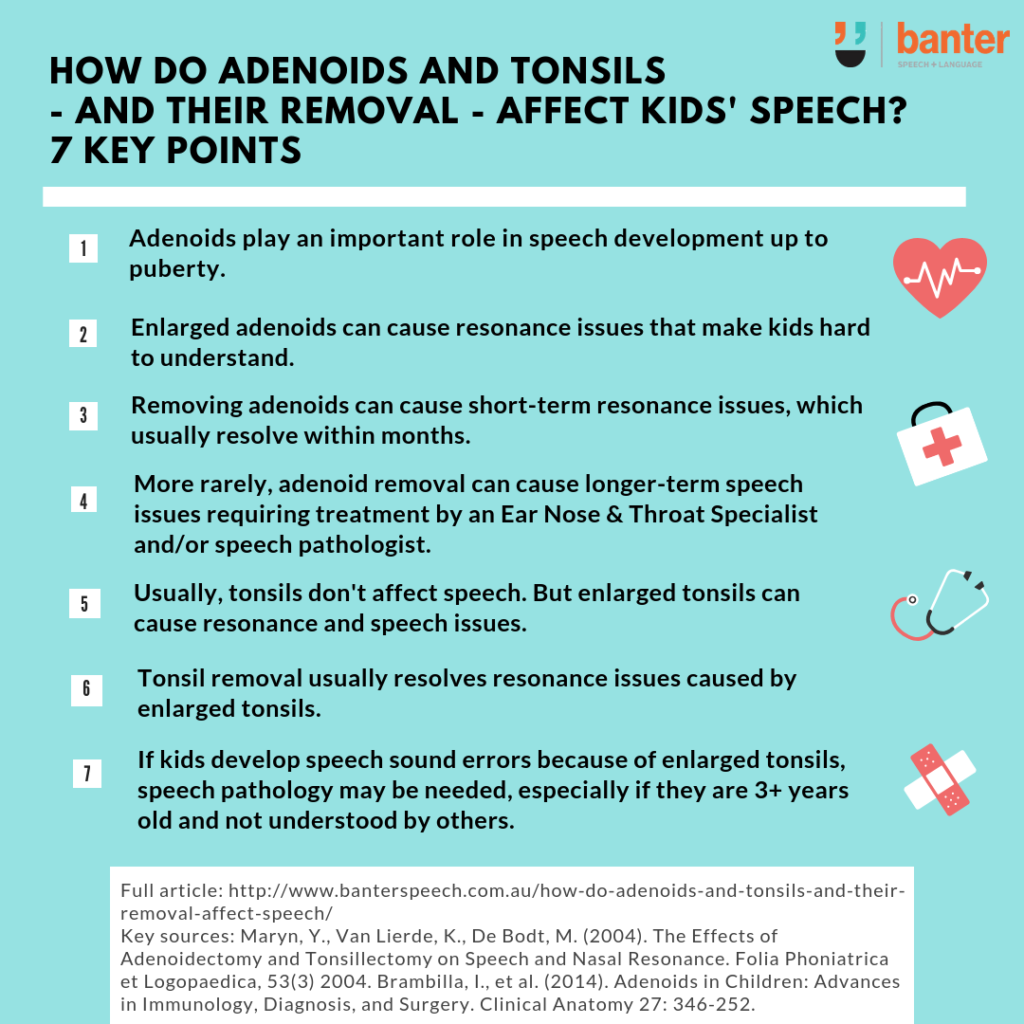
Credit: www.banterspeech.com.au
Preventive Measures And Parental Guidance
When it comes to your child’s health, being proactive can make a world of difference. Enlarged tonsils can sometimes cause speech delays, and it’s crucial to address this early. Understanding preventive measures and knowing how to guide your child through this challenge can significantly impact their development. So, how can you ensure your child gets the help they need?
Role Of Early Intervention
Early intervention plays a vital role in addressing speech delays related to enlarged tonsils. The sooner you identify and address the issue, the better the chances for improvement. Regular check-ups with a pediatrician can help catch any problems early.
If your child shows signs of speech delay, don’t wait. Consult a speech therapist who specializes in pediatric cases. They can assess your child’s needs and create a tailored plan to support their speech development.
Think about how catching an issue early could help your child in school. Early intervention not only supports speech but also boosts confidence and social skills.
Tips For Supporting Speech Development
As a parent, there are practical steps you can take to support your child’s speech development. Create a language-rich environment at home. Talk to your child frequently, narrating daily activities, and encourage them to express themselves.
Reading together can significantly impact language skills. Choose books that interest your child and discuss the stories, asking questions and encouraging them to predict what happens next.
Limit screen time, as interactive play is more beneficial for speech development. Engage in activities that require verbal interaction, such as playing with puppets or engaging in role-play.
Have you considered joining a support group for parents? Sharing experiences and strategies can provide valuable insights and encouragement. You’re not alone on this journey.
Expert Opinions And Research Findings
Enlarged tonsils can be more than a minor health nuisance. They might affect a child’s ability to speak clearly. Many parents worry about this potential link. To understand better, we explore expert opinions and recent research findings. These insights can help parents make informed decisions for their children.
Studies On Tonsils And Speech
Recent studies reveal crucial information. Enlarged tonsils can obstruct the airway. This obstruction can impact speech clarity. Researchers found a correlation between enlarged tonsils and delayed speech. Children with larger tonsils often show speech difficulties. These challenges include articulation problems and unclear speech sounds.
One study focused on children aged 3 to 6 years. The results showed a significant delay in speech development. Children with enlarged tonsils faced more issues. Speech therapists often observed these speech delays. The study emphasized early intervention for better outcomes.
Expert Recommendations
Experts recommend regular check-ups for children. Early detection of enlarged tonsils is vital. If you notice speech delays, consult a pediatrician. They might suggest an ENT specialist’s evaluation. In some cases, surgery might be necessary. Tonsillectomy can improve speech issues significantly.
Speech therapy is another key recommendation. It can help children develop better articulation. Therapists work closely with children to enhance speech skills. Parents should also engage in speech activities at home. Reading aloud and practicing sounds can be beneficial.
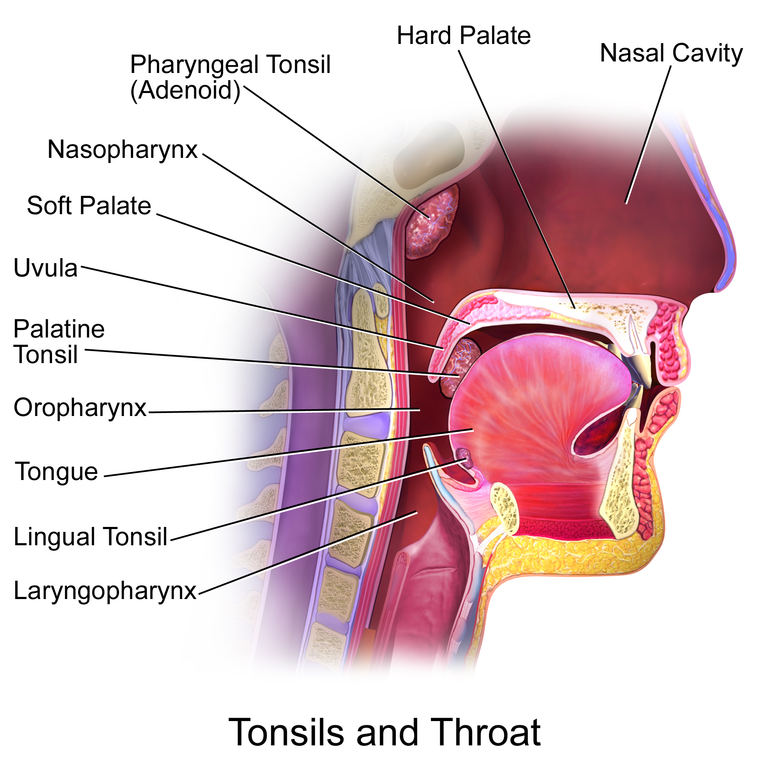
Credit: www.banterspeech.com.au
Frequently Asked Questions
Does Removing Tonsils Improve Speech?
Removing tonsils generally does not improve speech. It may help if enlarged tonsils obstruct pronunciation. Consult an ENT specialist for personalized advice. Speech therapy may be more effective for speech improvement.
What Problems Can Enlarged Tonsils Cause In Children?
Enlarged tonsils in children can cause difficulty breathing and swallowing. They may lead to snoring and sleep apnea. Frequent infections and sore throats are common. Speech problems and disrupted sleep can also occur. Prompt medical evaluation is important to address these issues effectively.
Can Tonsillitis Cause Difficulty In Talking?
Yes, tonsillitis can cause difficulty in talking due to throat pain and swelling. Inflammation can affect voice clarity and volume, making speech challenging. Prompt treatment can help alleviate symptoms and improve speaking ability. Consult a healthcare professional for accurate diagnosis and effective management.
What Is The Best Age To Remove Tonsils?
The best age to remove tonsils varies. It’s commonly done between ages 3 to 7. Consult a doctor for personalized advice.
Conclusion
Enlarged tonsils can impact speech development in children. Parents should stay observant. Early detection makes treatment easier. Consult a healthcare provider if speech delays occur. Treatment options vary based on severity. Surgery may help in some cases. Regular check-ups ensure tonsil health.
Speech therapy can aid language skills. Combine medical advice and therapy for best results. Understanding tonsil issues helps support your child’s growth. Keep communication open with professionals. Encourage your child’s speech progress. Be patient and supportive. Every child develops at their own pace.
Be proactive in seeking help when needed.