Are you noticing that your child is not hitting speech milestones like their peers? As a parent, it’s natural to be concerned about your child’s development, especially when it comes to communication.
You might be wondering, “Can autism cause speech delay? ” The connection between autism and speech delay can be complex and puzzling. But understanding it can open doors to the right support and interventions that can make a world of difference for your child.
We will delve into how autism and speech development are linked, helping you piece together the puzzle with clarity and confidence. Don’t miss out on this crucial information that could be the key to unlocking your child’s potential.
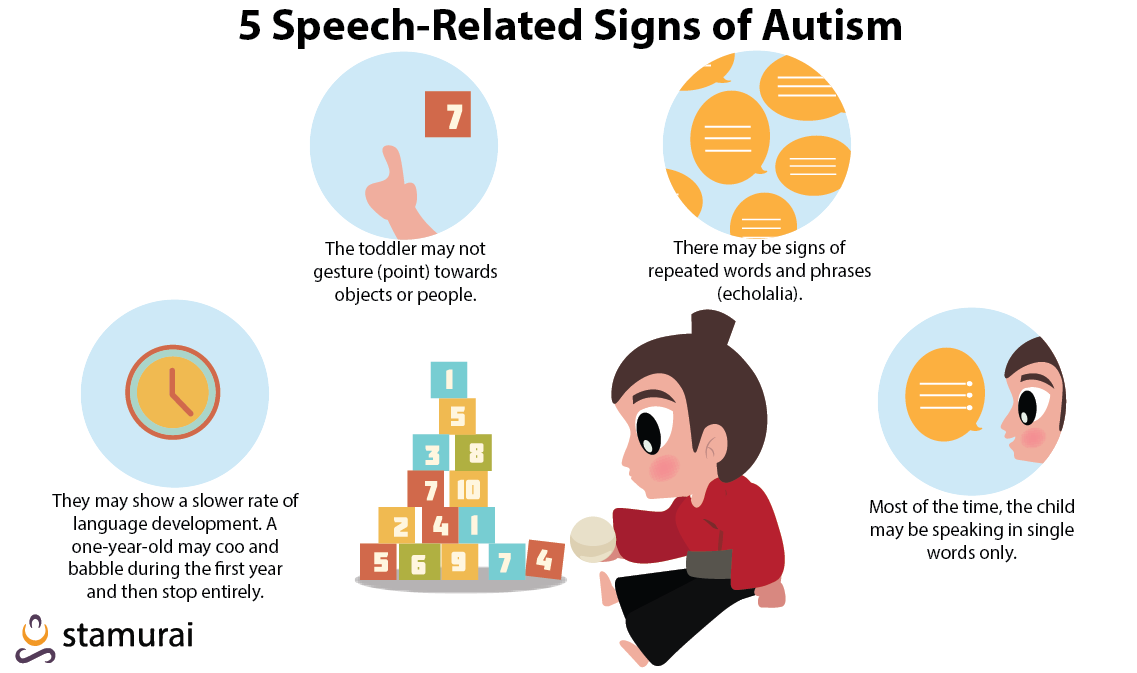
Credit: www.stamurai.com
Autism And Speech Development
Autism can lead to speech delay in children. Many children with autism struggle with language development. Early intervention can support communication skills effectively.
Autism and speech development are closely linked, presenting a unique set of challenges and opportunities for growth. Many children with autism experience speech delays, which can impact their ability to communicate effectively. Understanding these speech development patterns is crucial for parents and caregivers who want to support their child’s communication journey. ###How Does Autism Affect Speech Development?
Children with autism often experience speech delays due to differences in how their brains process language. These differences can make it difficult for them to understand and produce speech. For instance, they may struggle with forming words, using sentences, or even understanding what others say. Some children may develop speech later than their peers, while others might rely on alternative communication methods like gestures or sign language. It’s important to recognize that each child is unique, and their speech development will vary. ###Recognizing Early Signs Of Speech Delay
Early signs of speech delay in children with autism can include limited babbling, difficulty imitating sounds, or a lack of response to spoken language. These signs can appear as early as infancy, making early intervention key. If you notice your child not meeting typical speech milestones, consider seeking guidance from a speech therapist. Early support can provide your child with the tools they need to communicate more effectively. ###Strategies To Support Speech Development
Engaging your child in regular conversation, even if they don’t respond immediately, can encourage speech development. Narrate your daily activities, describe your surroundings, and encourage your child to express their thoughts. Using visual aids like picture cards or apps can also be beneficial. These tools can help bridge the gap between what your child wants to say and their ability to express it verbally. ###The Role Of Speech Therapy
Speech therapy can play a crucial role in helping children with autism improve their communication skills. A qualified speech therapist can assess your child’s specific needs and create a personalized plan. Therapists often use play-based techniques to make learning engaging and fun. Regular sessions can lead to significant improvements, boosting your child’s confidence and ability to communicate. ###Personal Experience: A Journey Of Growth
Reflecting on my nephew’s journey with speech development, I remember the worry that came with his initial diagnosis. His speech delay was daunting, but consistent therapy sessions transformed his communication skills. Celebrating small victories, like his first full sentence, brought immense joy. It reminded us that with the right support and patience, children with autism can achieve incredible milestones. ###Encouraging Communication Through Play
Play is a powerful tool for encouraging speech development in children with autism. Activities like singing songs, playing with toys that encourage verbal interaction, or reading picture books can stimulate language skills. Consider integrating speech-promoting games into your daily routine. This not only fosters communication but also strengthens your bond with your child. ###Is Speech Delay Permanent?
Speech delays in children with autism are not necessarily permanent. With early intervention and consistent support, many children make significant progress. Your involvement and encouragement can make a profound difference. Remember, every child develops at their own pace, and patience is key. By focusing on understanding and supporting your child’s unique communication journey, you can help them unlock their full potential. What strategies have you found most effective in supporting speech development for a child with autism? Share your thoughts in the comments below!Common Speech Challenges In Autism
Autism can affect communication in many ways. Speech delay is common. Many children with autism face unique speech challenges. Understanding these challenges can help provide better support. Identifying these issues early is crucial. Let’s explore some common speech challenges in autism.
Difficulty With Verbal Expression
Many autistic children struggle with verbal expression. They may find it hard to form words. Organizing thoughts into sentences can be difficult. This can affect everyday communication. Simple conversations may become challenging.
Echolalia
Echolalia is common in autism. It involves repeating words or phrases. Sometimes, children echo what they hear immediately. Other times, they repeat phrases from memory. Echolalia can serve as a coping mechanism. It can be a step towards meaningful communication.
Lack Of Nonverbal Communication
Nonverbal cues are important in communication. Many children with autism struggle here. They may not use gestures like pointing or waving. Facial expressions might be limited. This can hinder social interactions.
Difficulty Understanding Language
Autistic children often face challenges in understanding language. Comprehending spoken words can be tough. Following multi-step instructions may be overwhelming. This can lead to frustration and withdrawal.
Delayed Speech Development
Speech development might be slower in autistic children. Some may start speaking later than peers. Vocabulary growth may be limited. Early intervention can help improve outcomes.
Monotone Speech
Some autistic children speak in a monotone voice. Their speech lacks variation in pitch or tone. This can affect how emotions are conveyed. Listeners might find it hard to understand their feelings.
Recognizing these challenges is the first step. With support, autistic children can improve their communication skills. Early intervention and tailored therapies make a big difference.
Early Signs Of Speech Delay
Understanding the early signs of speech delay in children with autism can be a pivotal step in providing the right support. Speech delays can vary significantly from child to child, making it essential to recognize subtle cues. These signs can sometimes be overlooked, but awareness can lead to timely intervention.
Limited Babbling
Babbling is an important milestone in language development. If your child rarely babbles or makes repetitive sounds, it may be an early sign of speech delay. This lack of babbling can impact their ability to form words later.
A friend once shared how her son barely babbled, and she initially thought he was just a quiet baby. Recognizing this early sign helped her seek guidance and support, ensuring he received the help he needed.
Delayed First Words
Most children start speaking their first words around one year old. If your child hasn’t spoken any words by 16 months, it could indicate a speech delay. Pay attention to your child’s attempts to communicate through gestures or sounds, as these might be their way of expressing themselves.
Consider keeping a journal of your child’s communication attempts. This record can be invaluable when discussing concerns with a pediatrician or speech therapist.
Limited Response To Name
If your child rarely responds when you call their name, it may be more than just distraction. Limited response to their name can be a sign of both speech delay and autism. This could affect social interaction and language development.
Try calling your child’s name during different activities. Observe their response and consider if it varies with the environment or activity.
Lack Of Gestures
Gestures like pointing, waving, or nodding are crucial for communication. If your child doesn’t use gestures to communicate, it might indicate a speech delay. Gestures are often the first form of language, and their absence can hinder speech development.
Encourage your child to use gestures by modeling them yourself. Simple actions like pointing at objects during play can encourage them to mimic and learn.
Difficulty Imitating Sounds
Children learn by imitating sounds and words they hear. If your child struggles to mimic sounds, it may be an early sign of speech delay. This difficulty can impact their ability to learn new words and sounds.
Engage your child in activities that involve sound imitation. Singing simple songs or repeating animal sounds can be fun and beneficial for their speech development.
Are you noticing any of these signs in your child? Early recognition of speech delay can lead to effective strategies and interventions. How might these insights change your approach to your child’s communication journey?
Credit: www.mywellnesshub.in
Factors Influencing Speech Delay
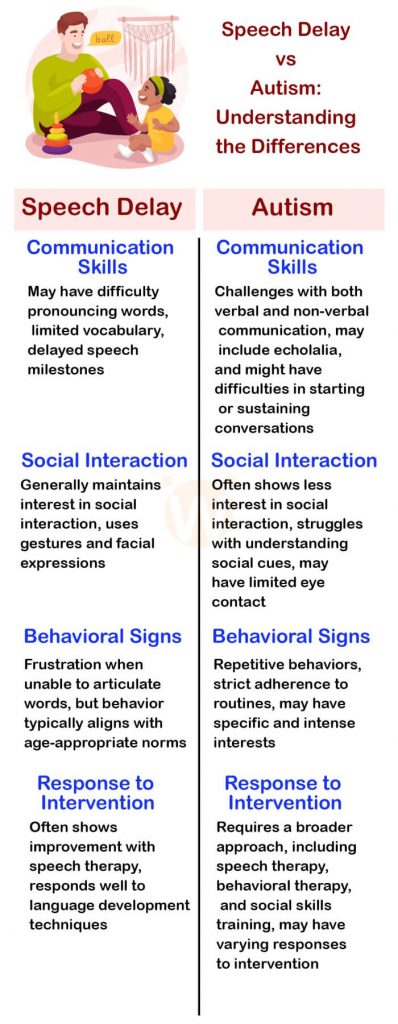
Autism can influence speech delay in children, affecting their ability to communicate effectively. Challenges in social interaction and repetitive behaviors often contribute to these delays. Early intervention and tailored therapies can support speech development.
Understanding the factors influencing speech delay can help you better support a child with autism. Speech delay is common among autistic children, but several factors can affect its severity and duration. Let’s explore these factors and see how they can impact speech development.Neurological Factors
Autism is a neurological condition, and the brain’s development plays a crucial role in speech delay. The brain processes information differently in autistic children, which can affect language skills. Some areas of the brain that handle speech and language might develop at a different pace or in a unique way. Have you ever noticed how some children might excel in certain skills while struggling with others? This could be due to how their brain is wired. Understanding this might help you view speech delay not as a failure but as part of a broader developmental pattern.Environmental Influences
The environment in which a child grows can significantly impact their speech development. A rich language environment, where a child is exposed to conversations, stories, and songs, can boost speech skills. On the other hand, a less stimulating environment may not provide enough opportunities for language practice. Consider the role of social interaction. Children learn a lot from playing and interacting with others. If a child doesn’t engage much with peers or adults, they might miss out on these learning opportunities. How can you create a more engaging environment for your child? Remember, each child is unique, and understanding these factors can guide you in providing the support they need.Diagnosing Speech Delays
Speech delays in children with autism can be concerning for parents. Early diagnosis is crucial for effective intervention. Identifying these delays early helps children improve communication skills. Understanding the process of diagnosis is essential.
Role Of Speech Pathologists
Speech pathologists play a vital role in diagnosing speech delays. They specialize in communication disorders. Their expertise helps identify specific speech challenges. These professionals assess how well a child understands and uses language. They also guide parents on effective communication strategies.
Evaluation Techniques
Evaluation techniques are diverse and comprehensive. Speech pathologists use various methods to assess speech abilities. Observations, interviews, and standardized tests are common tools. Each technique provides unique insights into a child’s communication skills. These evaluations help determine the best approach for improvement.

Credit: www.autismparentingmagazine.com
Therapies For Speech Improvement
Autism can often lead to speech delays in children. Speech therapy offers targeted techniques to enhance communication skills. Early intervention plays a crucial role in improving language development for those on the autism spectrum.
Therapies for Speech Improvement Speech delays can be a concern for many parents of children with autism. The good news is that various therapies can significantly aid speech improvement. These therapies are designed to address unique challenges and empower children to communicate effectively.Speech Therapy Approaches
Speech therapy is often the first step in addressing speech delays. Therapists use games and activities to make learning fun and engaging. For instance, they might use toys to encourage a child to name objects or describe actions. Repetition and consistency are key components of these approaches. Children benefit from regular sessions where they can practice and reinforce new skills. Parents are encouraged to participate and continue the exercises at home. Have you ever tried turning story time into a mini speech therapy session? It’s a wonderful way to bond with your child while helping them practice speech in a natural setting.Alternative Communication Methods
Some children with autism find verbal communication challenging. Alternative methods, like sign language or picture exchange systems, can be beneficial. These tools offer a way for children to express themselves without relying solely on speech. Using digital devices, such as tablets with speech apps, is another effective strategy. These apps can be customized to the child’s needs and interests, making communication more accessible and enjoyable. Imagine the joy of seeing your child use a tablet to tell you they’re hungry or want to play. It’s a small victory that paves the way for more complex communication. As you explore these therapies, consider what might work best for your child. Each child is unique, and finding the right approach can make all the difference in their ability to connect with the world around them.Parental Support And Strategies
Autism can lead to speech delay, making communication difficult for children. Parents can support by using visual aids and practicing simple words. Engaging in daily conversations helps improve language skills over time.
Understanding and supporting your child with autism can be both rewarding and challenging, especially when speech delay is a concern. As a parent, you play a crucial role in fostering your child’s communication skills. Here, we explore effective strategies to provide the support your child needs, focusing on creating an environment that encourages speech and engaging them in everyday activities.Creating A Supportive Environment
A nurturing home can significantly impact your child’s speech development. Encourage open communication by maintaining eye contact and using simple, clear language. Your child will feel more confident and understood. Consider setting up a designated quiet space in your home. This can be a place where your child can focus and practice speech without distractions. Sometimes, just having a calm area can make a world of difference. Incorporate visual aids like pictures or flashcards. These tools can be beneficial in helping your child understand and learn new words. It’s a fun and interactive way to boost their vocabulary.Engagement In Daily Activities
Involve your child in daily tasks to promote language development. Whether you’re cooking, shopping, or even sorting laundry, these activities offer great opportunities for learning new words. Narrate what you’re doing and encourage your child to describe their actions too. This can turn mundane chores into a dynamic learning experience. You might be surprised at how much they learn from everyday interactions. Don’t hesitate to ask questions that require more than a yes or no answer. This encourages your child to think and respond, building their confidence and communication skills. Do you have a particular strategy that has worked well with your child? Sharing your experiences can be invaluable to other parents navigating similar challenges.Long-term Outcomes And Prognosis
Autism can lead to speech delay, affecting communication skills in children. Early intervention often improves long-term outcomes. Speech therapy and supportive environments play crucial roles in enhancing communication abilities.
Autism is a complex condition that can affect speech development. Understanding the long-term outcomes and prognosis for children with autism and speech delay is crucial for parents and caregivers. You might wonder what the future holds for a child with autism and speech delay. Let’s explore what you can expect and how you can support your child.Understanding The Individual Journey
Each child with autism is unique. Some children may develop speech skills quickly, while others may take longer. Think about your child’s interests and strengths. These can be powerful tools in helping them overcome speech delays.Role Of Early Intervention
Early intervention can make a significant difference. Programs tailored to speech therapy and communication skills are vital. You may find that consistent practice at home complements professional therapy. Have you considered setting aside regular time for speech practice with your child?Importance Of Supportive Environment
A nurturing environment plays a crucial role. Encourage your child to communicate in any form they can, be it words, gestures, or technology. Do you know that integrating visual aids and technology can enhance communication skills?Progress Over Time
Progress might be slow, but it’s important to celebrate small victories. Improvement in speech can continue over years. Your patience and perseverance are key in supporting your child. Have you observed how celebrating small achievements can boost your child’s confidence?Collaborating With Professionals
Working with therapists and educators can provide insights and strategies. They can tailor approaches that best fit your child’s needs. Do you regularly engage with professionals to get feedback on your child’s progress?Setting Realistic Expectations
Realistic expectations can prevent frustration. Understand that progress varies widely among children with autism. It’s important to set achievable goals and adjust them as needed. Have you set goals that are both challenging and achievable for your child?Future Prospects
While speech delay can be challenging, many children with autism learn to communicate effectively. Some may even surpass expectations with the right support and resources. Have you considered how your consistent efforts might impact your child’s communication skills in the long term? By understanding these aspects, you can better navigate the challenges of autism and speech delay, while fostering a hopeful outlook for your child’s future. How are you planning to support your child’s journey to effective communication?Frequently Asked Questions
What Age Is Speech Delay In Autism?
Speech delay in autism often appears by age 2. Children might not speak or have limited vocabulary. Early intervention can help improve communication skills. Always consult a healthcare professional for personalized guidance.
What Are The First Signs Of Autism In Toddlers?
Early signs of autism in toddlers include delayed speech, limited eye contact, repetitive behaviors, and difficulty with social interactions. They may also show intense focus on specific objects or routines and have unusual sensory sensitivities. Early intervention is crucial for better outcomes.
At What Age Should An Autistic Child Speak?
Autistic children may begin speaking at different ages. Many start around 12-18 months, but some might speak later. Early intervention and support can help improve communication skills. Every child is unique, so consult with professionals for personalized guidance.
How Late Can Autism Develop?
Autism typically shows signs by age 2 or 3. In rare cases, symptoms can appear later, but diagnosis usually occurs in early childhood. Early detection is crucial for effective intervention and support.
Conclusion
Understanding autism and speech delay helps parents support their children better. Speech delay can be a part of autism. But each child is unique. Early intervention can make a big difference. Seek professional guidance if concerned. Speech therapy often aids communication skills.
Patience and support play crucial roles. Encouragement boosts confidence in children. Remember, every small step counts. Celebrate progress, no matter how small. Communication takes time and effort. Parents should stay informed and involved. Your love and support matter most. Keep learning and adapting to your child’s needs.