
Imagine watching your child grow, eagerly awaiting their first words, but finding yourself worried as they struggle to articulate. You might wonder, “Is something holding them back?”
One possible answer could be a tongue tie. This condition, often overlooked, can play a significant role in speech development. If you’re a parent concerned about speech delays, understanding tongue tie is crucial. Could it be the hidden obstacle affecting your child’s communication skills?
Stay with us as we unravel the connection between tongue ties and speech delays, offering insights that could make a difference in your child’s life.
Understanding Tongue Tie
Many wonder if tongue tie affects speech. It’s a common concern. Understanding tongue tie helps. It involves a small tissue under the tongue. This tissue can restrict movement. Tongue tie can impact speech development. It’s important to know the basics.
Definition And Characteristics
Tongue tie, or ankyloglossia, limits tongue movement. It’s a condition present at birth. The lingual frenulum is tight or short. This limits how the tongue moves. It can affect feeding and speech. Babies might have trouble breastfeeding. Older children might have speech issues. This condition varies in severity.
Types Of Tongue Tie
Tongue tie has different types. They depend on severity and location. Anterior tongue tie is most common. It affects the front of the tongue. The tissue is near the tip. Posterior tongue tie is less visible. The tissue is under the tongue’s surface. It requires closer examination. Each type impacts speech differently. Understanding these types helps in seeking treatment.
Speech Development In Children
Tongue ties may lead to speech delays in children by restricting tongue movement. This can affect their ability to pronounce sounds correctly. Early assessment and treatment can help improve speech development.
Speech development is a crucial aspect of early childhood. It forms the basis for communication. Understanding speech milestones helps parents track their child’s progress. Early detection of issues can lead to better outcomes. Speech delays can have various causes, including physical factors like a tongue tie. Knowing what influences speech can help address concerns early.
Milestones In Early Speech
By the age of one, most children say simple words. “Mama” and “Dada” are common first words. By two, children often combine two words. Short sentences appear around age three. Speech clarity continues improving as children grow. These milestones offer a guideline for normal development. Parents should consult professionals if they notice delays.
Factors Influencing Speech Development
Genetics play a role in how children learn speech. Family history can impact speech patterns. Environment also affects development. Children exposed to rich language environments often progress faster. Interaction with caregivers is key for learning. Hearing issues can delay speech. Early hearing tests help catch problems. Physical conditions, like a tongue tie, may restrict movement. This can lead to speech difficulties. Addressing physical issues can support better outcomes. “`
Impact Of Tongue Tie On Speech
Have you ever wondered why some kids struggle with speech while others don’t? A tongue tie might be the hidden culprit. Tongue tie, medically known as ankyloglossia, is a condition where the tongue’s movement is restricted due to a short or tight band of tissue underneath it. This limitation can lead to various challenges in speech development. Understanding the impact of tongue tie on speech is crucial for parents and caregivers. Let’s dive into how it affects speech production and articulation.
Mechanics Of Speech Production
Speech production is a complex process involving the coordination of multiple muscles. These muscles work together to produce sounds and words. The tongue plays a key role in this process by shaping sounds as they pass through the mouth.
If the tongue cannot move freely, speech production can be hindered. This restriction can lead to difficulties in forming certain sounds, especially those that require the tongue to touch specific areas in the mouth. Consider how challenging it might be for a child to pronounce the letter ‘r’ or ‘l’ when their tongue can’t reach the roof of their mouth effectively.
Have you seen a child hesitate or struggle while speaking? This might be due to the mechanics of speech production being compromised by a tongue tie.
Tongue Tie And Articulation
Articulation is all about clarity and precision in speech. It’s the ability to pronounce words in a way that others can understand. The tongue’s mobility is essential for clear articulation.
With a tongue tie, articulation issues often arise. Sounds like ‘t’, ‘d’, and ‘n’ can become difficult to pronounce. This can lead to frustration and a lack of confidence in speaking. Imagine how it feels when you can’t express yourself clearly due to a physical limitation.
Addressing tongue tie early can make a big difference in overcoming these articulation challenges. Have you considered how early intervention might change the trajectory of a child’s communication skills?
By understanding the mechanics and articulation issues caused by tongue tie, you can better support speech development in children facing this challenge. Is it time to take a closer look at how tongue tie might be affecting someone you know?
Research And Evidence
Understanding the connection between tongue tie and speech delay involves diving into research and evidence. While some parents notice their child’s speech improvement post tongue tie treatment, it’s essential to explore what studies say. You might wonder, is there solid proof linking tongue tie to speech delays, or is it more complex? This section aims to shed light on what research reveals and the differing opinions in the scientific community.
Studies Linking Tongue Tie To Speech Delay
Several studies have attempted to connect tongue tie with speech delays. Researchers have found that children with tongue tie sometimes face challenges in articulation. They may struggle with certain sounds, which can impact their overall speech clarity. This has led some experts to advocate for early diagnosis and intervention.
One study observed children post tongue tie surgery and reported noticeable improvements in speech. Parents often witness their child’s newfound ability to pronounce words they previously struggled with. This suggests there might be a link between tongue tie correction and speech development.
However, consider the variability in research methods. Not all studies follow the same protocols, which can affect results. Are these findings enough to support routine tongue tie surgeries for speech delays?
Contradictory Findings
While some studies support the tongue tie-speech delay link, others present contradictory findings. Several experts argue that tongue tie is not the sole cause of speech delay. They emphasize that speech development is influenced by various factors including genetics and environmental aspects.
Research shows that many children with tongue tie develop normal speech without intervention. This raises questions about the necessity and efficacy of surgical procedures. Could other therapies or interventions address speech delays more effectively?
Some parents share stories of their children overcoming speech challenges without tongue tie surgery. These anecdotes highlight the importance of considering individual cases rather than relying solely on surgery. What does this mean for parents facing similar decisions?
Given the mixed evidence, it’s crucial to make informed choices. Consider consulting with healthcare professionals to understand the best course of action for your child. How can you balance research findings with practical, personalized solutions for your child’s speech development?
Diagnosis And Treatment
Understanding the diagnosis and treatment of tongue tie is crucial, especially if you’re worried it might be affecting your child’s speech development. Whether you’re a concerned parent or someone curious about speech delays, grasping how tongue tie is identified and managed can be enlightening. Let’s break down these key aspects to offer clarity and actionable guidance.
Evaluating Tongue Tie
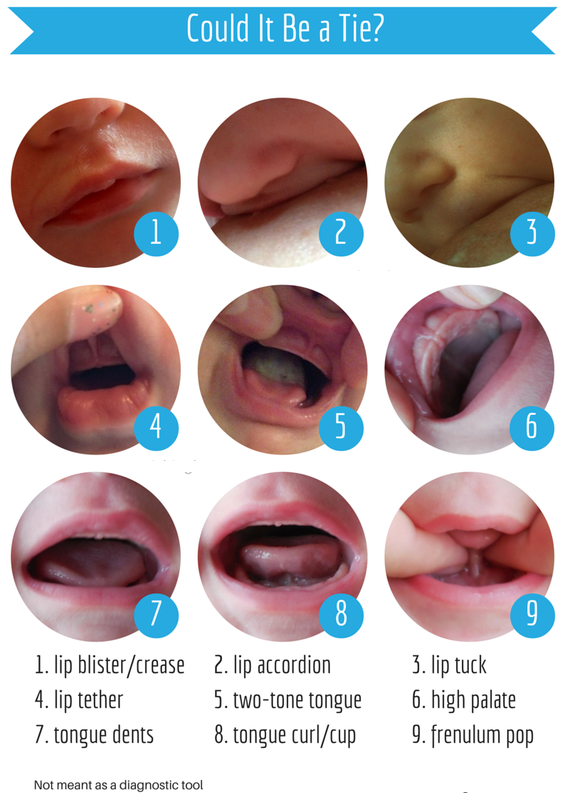
Evaluating tongue tie starts with a simple observation. Look closely at how your child’s tongue moves. Is it restricted? Does it appear heart-shaped at the tip when extended? These signs often indicate a tongue tie.
Consulting a healthcare professional is vital. They use specific tools and techniques to assess the severity of the tongue tie. This evaluation often involves checking how the tongue impacts speech and eating.
Consider sharing your observations with the doctor. Your insights can help in forming an accurate diagnosis. Remember, early detection can ease potential speech delays.
Treatment Options
Once diagnosed, treatment options vary. Some cases require no intervention, while others benefit from minor procedures.
Frenotomy is a common procedure for tongue tie. It’s quick, usually painless, and can significantly improve tongue mobility. This can, in turn, enhance speech clarity.
Speech therapy may be recommended as well. It helps in overcoming any lingering speech issues. Therapists use tailored exercises to boost articulation and pronunciation.
Consider discussing these options with your healthcare provider. They can offer advice based on your child’s specific needs. Choosing the right path can foster positive outcomes in speech development.
How do you feel about the potential impact of tongue tie on speech? Your insights could be valuable to others facing similar concerns.
Expert Opinions
Understanding the impact of a tongue tie on speech delay is crucial. Experts provide valuable insights into this topic. Their opinions help in addressing concerns effectively. Let’s explore what they have to say.
Speech Therapists’ Perspectives
Speech therapists often encounter children with tongue ties. They observe its impact on speech clarity. A restricted tongue can affect pronunciation. It may hinder certain sounds like “t,” “d,” and “l.” Speech therapists evaluate each case individually. They assess if the tongue tie significantly affects speech. Therapy sessions can improve speech clarity. Early intervention is key to better outcomes.
Medical Professionals’ Views
Medical professionals weigh in with their expertise. They evaluate the physical aspects of a tongue tie. A tight lingual frenulum may limit tongue movement. This can potentially impact speech development. Doctors often recommend a frenectomy for severe cases. They collaborate with speech therapists for comprehensive care. Medical assessments help determine the need for surgical intervention. Not all tongue ties require surgery. It’s essential to consider each child’s unique needs.
Parent Experiences
Many parents wonder if a tongue tie can cause speech delays. Their experiences provide valuable insights into this condition. Understanding real-life stories can help other parents facing similar challenges. Let’s explore some experiences shared by parents.
Case Studies
One family noticed their child struggled with speech sounds. After consulting a doctor, they discovered a tongue tie. The child underwent a simple procedure to correct it. Within months, speech improved significantly. Another parent shared their story of late diagnosis. Their child was older when the tongue tie was identified. Speech therapy took longer, but progress was visible over time. These case studies highlight the importance of early detection.
Success Stories And Challenges
Some parents shared success stories after tongue tie treatments. They reported noticeable speech improvements in their children. One mother saw her child’s vocabulary expand rapidly post-procedure. Yet, not all stories are without challenges. Some parents faced difficulties with post-surgery care. Others found speech therapy sessions challenging. Support from speech therapists often played a crucial role. Success required patience and persistence from both parents and children.

Credit: therapyworks.com
Future Directions
Understanding the future directions for addressing tongue tie and its potential impact on speech delay is vital for parents and caregivers. As research progresses, new treatments and insights emerge, offering hope and guidance. How might these advancements reshape the landscape of speech therapy and intervention?
Advancements In Treatment
Treatment for tongue tie has come a long way. Previously, surgical intervention was the primary option. Now, less invasive methods like laser procedures are gaining popularity due to their precision and quick recovery time.
Speech therapists are also refining their approaches. Integrating exercises that focus on tongue mobility can significantly aid children with a tongue tie. These exercises aim to improve articulation and pronunciation, providing practical tools for speech enhancement.
Consider the story of a child who struggled with speech delays. After undergoing a laser procedure and engaging in tailored speech exercises, their communication skills improved remarkably. This story underscores the potential of modern treatment strategies.
Ongoing Research
Research continues to explore the link between tongue tie and speech delay. Studies are investigating how different degrees of tongue tie affect speech development. This exploration helps identify which cases require intervention and which may not.
Innovative technologies, like 3D imaging, are being used to assess tongue movement. This technology offers insights into how tongue tie affects speech, guiding more precise treatments. Imagine the potential of such tools in customizing therapy plans for children.
As research advances, one critical question remains: How will these findings change early diagnosis and intervention strategies? The answer could redefine the standard approach to managing tongue tie in children.
Stay informed and proactive. Understanding the future directions of tongue tie treatments empowers you to make informed decisions for your child’s speech development.
Credit: allforspeech.com
Frequently Asked Questions
Can A Tongue-tie Cause Speech Problems?
Yes, a tongue-tie can cause speech problems. It restricts tongue movement, affecting pronunciation and articulation. Early detection and treatment help alleviate these issues. Consult a healthcare professional for assessment and guidance. Speech therapy may be beneficial for improving speech clarity and communication skills.
What Are The Negatives Of Cutting A Tongue-tie?
Cutting a tongue-tie can cause pain, bleeding, and infection. Speech and swallowing issues might persist. Scar tissue formation is possible. Some individuals may experience temporary or permanent nerve damage. Always consult a healthcare professional for personalized advice and treatment options.
Does Cutting A Tongue-tie Help With Speech?
Cutting a tongue-tie can improve speech clarity in some cases. It helps if the tongue-tie restricts tongue movement. Speech therapy may also be needed for effective results. Always consult with a healthcare professional to decide the best approach for speech improvement.
At What Age Can A Tongue-tie Be Corrected?
Tongue-tie can be corrected as early as infancy. It’s often done when breastfeeding issues arise. Many procedures occur between 3 to 6 months. Adults can also undergo correction if needed. Always consult a healthcare professional for personalized advice.
Conclusion
Tongue ties can impact speech development in children. Early detection helps. Addressing it with a specialist can improve outcomes. Always consult a healthcare professional for guidance. Treatment options vary based on individual needs. Some children may need therapy. Others might require a minor procedure.
Parents should stay informed and proactive. Understanding your child’s needs is crucial. With the right approach, progress is possible. Speech development can improve over time. Stay patient and supportive throughout the process. Your child’s well-being comes first.