
Discover the 10 best sensory toys for 3 year olds that encourage learning, creativity, fine motor skills, and sensory development with our expert reviews.
10 Best Sensory Toys for 3 Year Olds That Boost Learning, Calm Big Emotions & Inspire Creative Play
Finding the best sensory toys for 3 year olds can feel overwhelming. Hundreds of colorful toys promise educational benefits, but not all of them provide meaningful sensory experiences that help toddlers develop important life skills.
At three years old, children are naturally curious. They learn by touching, squeezing, stacking, spinning, and exploring different textures. The right sensory toy supports brain development while making playtime exciting and engaging. Whether your child is developing typically or benefits from additional sensory support, quality sensory toys can encourage focus, improve fine motor skills, reduce anxiety, and strengthen problem-solving abilities.
This carefully researched roundup highlights the 10 best sensory toys for 3 year olds based on educational value, durability, safety, developmental benefits, and parent satisfaction. Every recommendation is designed to provide enriching play experiences without overwhelming young learners.
Why Sensory Toys Matter for 3-Year-Olds
Sensory play activates multiple areas of a child’s brain simultaneously. It encourages exploration through touch, sound, movement, color, and sometimes even smell. At age three, sensory activities help children strengthen hand muscles, improve coordination, build language skills, and learn emotional regulation.
Children with sensory processing challenges or autism may benefit even more from structured sensory play, but these toys are valuable for every toddler.
How We Selected the Best Sensory Toys for 3 Year Olds
Our recommendations are based on several important factors:
- Safety and child-friendly materials
- Educational and developmental value
- Durability
- Parent feedback
- Ease of cleaning
- Age appropriateness
- Long-term play value
- Overall entertainment factor
1. Learning Resources Playfoam Shape & Learn
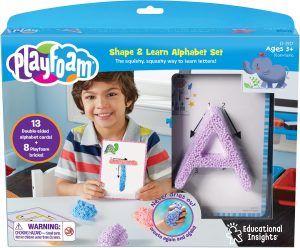
Playfoam offers a satisfying squishy texture that never dries out, making it one of the easiest sensory toys for toddlers. Children can squeeze, mold, stretch, and shape the foam while practicing letters, numbers, and basic shapes.
Unlike traditional modeling clay, Playfoam leaves no sticky residue and can be reused repeatedly. The bright colors encourage imaginative play while strengthening finger muscles used for handwriting later in childhood.
Pros
- Never dries out
- Mess-free
- Encourages creativity
- Strengthens fine motor skills
- Reusable
Cons
- Small pieces require supervision
- Colors may mix over time Click Here
2. Fat Brain Toys Dimpl Digits
[Insert Image of Product 2 here]
Dimpl Digits combines colorful silicone bubbles with number learning. Each bubble pops inward and outward, providing satisfying tactile feedback that children love.
The toy introduces counting while stimulating touch and improving finger strength. It’s compact enough for travel and quiet enough for waiting rooms or restaurants.
Pros
- Durable silicone construction
- Easy to clean
- Excellent travel toy
- Supports early math learning
Cons
- Limited pretend play
- Smaller than some parents expect
3. Melissa & Doug Wooden Latches Board
[Insert Image of Product 3 here]
This interactive board features multiple doors with different locking mechanisms. Toddlers practice opening latches, hooks, buckles, and locks while discovering hidden pictures.
Each movement strengthens hand-eye coordination and develops practical life skills.
Pros
- High-quality wood
- Encourages independent play
- Improves dexterity
- Durable construction
Cons
- Higher price than plastic alternatives
- Limited sensory textures
4. Educational Insights Playfoam Sand
[Insert Image of Product 4 here]
Playfoam Sand combines kinetic sand with lightweight foam beads, creating a unique texture that’s incredibly satisfying to squeeze and shape.
Unlike ordinary sand, it sticks together well while remaining easy to clean.
Pros
- Soft texture
- Excellent tactile experience
- Encourages imagination
- Easy cleanup
Cons
- Can scatter during energetic play
- Needs a play tray
5. Fat Brain Toys Squigz Starter Set
[Insert Image of Product 5 here]
Squigz use suction cups to connect together in endless combinations. Kids can attach them to windows, tables, bathtubs, and smooth surfaces while exploring engineering concepts.
The popping sound when removing each piece adds another enjoyable sensory element.
Pros
- Creative building toy
- Durable
- BPA-free
- Encourages STEM thinking
Cons
- Works only on smooth surfaces
- Some pieces require adult help initially
6. Gonge River Stones
[Insert Image of Product 6 here]
River Stones transform any room into an exciting obstacle course. Children jump from stone to stone while improving balance, coordination, and body awareness.
These sturdy stepping stones feature non-slip bottoms for added safety.
Pros
- Encourages active movement
- Builds balance
- Indoor or outdoor use
- Extremely durable
Cons
- Requires floor space
- Premium price
7. Hape Pound & Tap Bench with Xylophone
[Insert Image of Product 7 here]
This classic wooden toy combines music with movement. Toddlers hammer colorful balls through the bench, creating sounds while developing coordination.
The removable xylophone adds another layer of musical exploration.
Pros
- Two toys in one
- Beautiful wooden design
- Encourages rhythm
- Develops coordination
Cons
- Can be noisy
- Wooden hammer may get misplaced
8. PicassoTiles Magnetic Building Blocks
[Insert Image of Product 8 here]
Magnetic tiles inspire creativity while providing rich sensory feedback through clicking magnets and colorful transparent pieces.
Children naturally learn about shapes, balance, engineering, and color recognition while constructing towers and houses.
Pros
- Long-lasting educational value
- Encourages STEM learning
- Strong magnets
- Easy to expand
Cons
- More expensive than standard blocks
- Adult supervision recommended
9. B. Toys One Two Squeeze Blocks
[Insert Image of Product 9 here]
These soft rubber blocks feature different textures, numbers, animals, and patterns that encourage tactile exploration.
They’re lightweight, safe for little hands, and even suitable for teething younger siblings.
Pros
- Multiple sensory textures
- Soft and safe
- Educational
- Easy to clean
Cons
- Limited construction possibilities
- Rubber scent initially
10. Crayola Washable Finger Paint Set
[Insert Image of Product 10 here]
Finger painting remains one of the richest sensory activities available for toddlers. Crayola’s washable paints allow children to explore colors, textures, and creativity without creating permanent messes.
Painting also strengthens finger muscles and encourages emotional expression.
Pros
- Washes off easily
- Encourages creativity
- Excellent sensory experience
- Affordable
Cons
- Adult supervision required
- Can become messy
Buying Guide: Choosing the Best Sensory Toys for 3 Year Olds
[Insert Image Here]
When shopping for the best sensory toys for 3 year olds, keep these important factors in mind.
Safety Comes First
Choose toys made from BPA-free, non-toxic materials with no sharp edges or easily detachable small parts. Always check the manufacturer’s recommended age range.
Encourage Multiple Senses
Great sensory toys stimulate more than one sense. Look for toys that combine textures, sounds, movement, colors, or resistance to create engaging experiences.
Support Development
The best toys should encourage:
- Fine motor skills
- Hand-eye coordination
- Problem-solving
- Creativity
- Language development
- Emotional regulation
Durability Matters
Three-year-olds play enthusiastically. Investing in well-made toys often saves money because they last longer and remain enjoyable for years.
Which Sensory Toy Is Best for Different Needs?
If your child enjoys calming tactile experiences, Playfoam or Playfoam Sand are excellent choices.
For active toddlers, River Stones provide movement while improving balance and coordination.
Children who love building and problem-solving will likely spend hours with Squigz or magnetic tiles.
For creative personalities, finger paints offer endless opportunities for artistic expression.
Choosing the best sensory toys for 3 year olds ultimately depends on your child’s interests, developmental goals, and preferred play style.
Conclusion
Sensory play is far more than entertainment—it lays the foundation for learning, creativity, emotional regulation, and physical development. The best sensory toys for 3 year olds encourage exploration while strengthening the skills children will use throughout their lives.
Whether you choose the mess-free fun of Playfoam, the engineering possibilities of magnetic tiles, or the movement challenges of River Stones, every toy on this list offers meaningful developmental benefits.
Focus on selecting toys that match your child’s interests, encourage open-ended play, and provide opportunities to explore through multiple senses. A thoughtfully chosen sensory toy can become one of the most valuable learning tools in your child’s daily routine.
Frequently Asked Questions
1. What are the best sensory toys for 3 year olds?
Some of the best options include Playfoam, Dimpl Digits, Squigz, River Stones, magnetic tiles, finger paints, sensory blocks, and kinetic sand because they encourage tactile exploration, creativity, and fine motor development.
2. Are sensory toys only for children with autism?
No. Sensory toys benefit all children by supporting brain development, coordination, creativity, language skills, and emotional regulation. While they’re especially helpful for children with sensory processing differences, every toddler can gain developmental benefits from sensory play.
3. How long should a 3-year-old play with sensory toys?
Most experts recommend allowing children to engage in sensory play for 20 to 45 minutes at a time, depending on their interest and attention span. Open-ended play is often more beneficial than strict time limits.
4. What should I look for when buying sensory toys?
Look for age-appropriate, non-toxic materials, durable construction, engaging textures, educational value, and opportunities for open-ended play. The best sensory toys grow with your child and remain interesting as their skills develop.