
Have you ever found yourself wondering if your child or a child you know is keeping up with their peers in terms of speech development? You’re not alone.
Many parents and caregivers experience concerns about whether a child’s speech is progressing at the expected pace. Delayed speech can be a confusing and worrisome topic, but understanding it doesn’t have to be daunting. We’re diving into what is considered delayed speech, breaking down the signs, and providing you with the knowledge to take informed steps forward.
Whether you’re a concerned parent, a teacher, or someone interested in child development, this article is tailored for you. Let’s unravel the mystery of delayed speech and empower you with the confidence to support the young ones in your life.
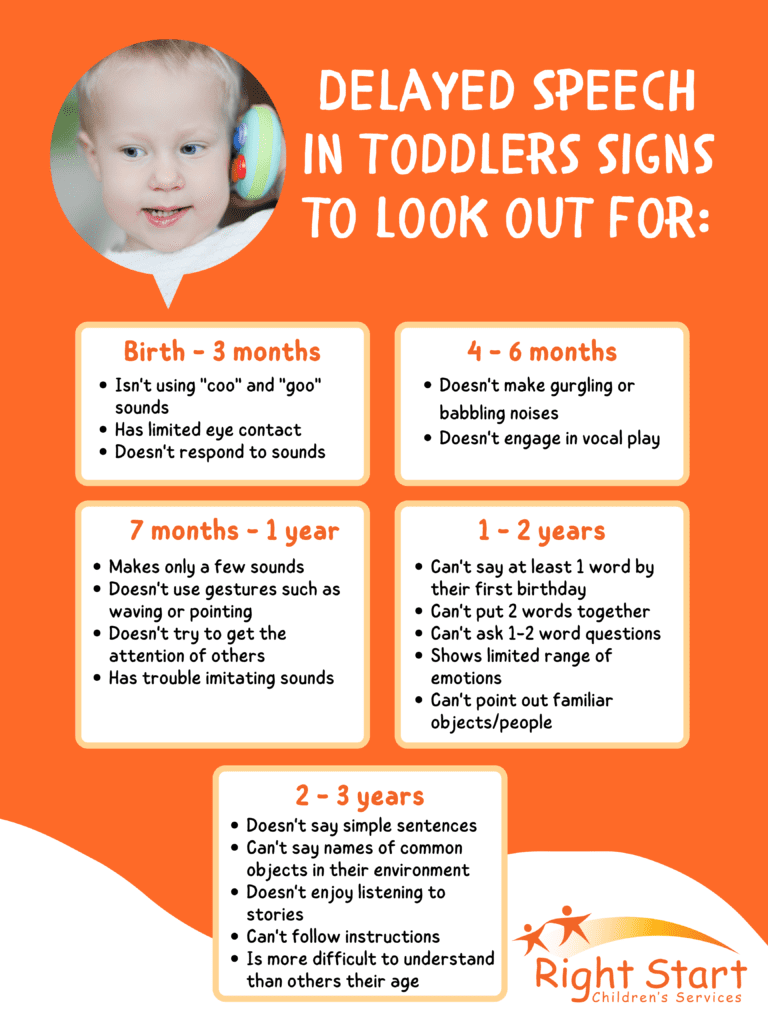
Credit: www.rightstartservices.com
Signs Of Delayed Speech
Delayed speech can often be a concern for parents. Early identification of speech delays helps provide timely interventions. Understanding the signs is crucial. It allows parents and caregivers to support children’s speech development effectively.
Age-appropriate Milestones
By 12 months, babies often say simple words like “mama” or “dada.” At 18 months, toddlers usually have a vocabulary of about 10 words. By age 2, children can often form two-word phrases. If a child misses these milestones, it might suggest a delay.
Common Speech Delays
Some children experience speech delays due to hearing issues. Others might face delays because of oral-motor problems. Lack of exposure to spoken language can also cause delays. Identifying the root cause is essential for effective treatment.
Behavioral Indicators
Children with speech delays might struggle to follow simple instructions. They may have difficulty with social interactions. Frustration from not being able to communicate is common. These behaviors are often signs of speech challenges.
Causes Of Speech Delay
Speech delay can worry many parents. Understanding its causes helps in addressing the issue effectively. Speech delay arises from various factors, each influencing a child’s communication skills. This section explores the main causes of speech delay, including developmental, environmental, and medical factors.
Developmental Factors
Some children develop speech skills slower than others. Each child’s growth pace is unique. Late talking sometimes runs in families, indicating a genetic link. Children might also focus on other skills, like motor development, delaying speech. Developmental disorders like autism can also impact speech.
Environmental Influences
The environment plays a crucial role in speech development. Children learn words by listening to others. A language-rich environment aids their speech growth. Limited interaction or conversation with caregivers may delay speech. Hearing multiple languages can also slow speech initially.
Medical Conditions
Medical issues can cause speech delays. Hearing problems make it hard for children to mimic sounds. Ear infections, especially if chronic, impact hearing and speech. Neurological disorders, like cerebral palsy, affect speech muscles. Sometimes, speech delay links to genetic conditions like Down syndrome.
Evaluating Speech Delay
Speech delay can be concerning for many parents. Evaluating speech delay involves understanding the child’s communication milestones. This process helps identify any issues early and provides guidance for intervention. Through evaluations, professionals can recommend strategies to support speech development.
Professional Assessments
Speech therapists conduct professional assessments. They observe the child’s speech and language skills. This helps in identifying specific areas of delay. Therapists evaluate speech clarity and vocabulary. They also assess comprehension and expression. This evaluation provides a comprehensive view of the child’s communication abilities.
Parental Observations
Parents play a crucial role in observing speech development. They notice everyday interactions. Parents can track vocabulary growth. They can observe if the child uses sentences effectively. These observations are valuable for professionals. Parental insights help tailor assessments to the child’s needs.
Speech And Language Tests
Standardized tests measure speech and language abilities. These tests evaluate various aspects of communication. They assess pronunciation, vocabulary, and understanding. Test results provide a benchmark for progress. Professionals use these tests to create personalized intervention plans.

Credit: www.sounderic.com
Effective Solutions
Delayed speech refers to a child’s inability to speak words or sentences by expected age milestones. Parents might notice difficulties in forming words or expressing thoughts clearly, signaling possible speech delays. Early intervention can help address these challenges effectively.
Addressing delayed speech early on can make a world of difference for a child. Effective solutions are key to helping your child communicate better and with more confidence. While the prospect of addressing this issue may seem daunting, there are practical strategies you can start today. Let’s explore some effective solutions to support your child’s speech development.Speech Therapy Techniques
Speech therapy offers structured support tailored to your child’s specific needs. A speech therapist will often use games and storytelling to encourage speech development. This makes sessions fun and engaging for your child, while simultaneously improving their speech skills. Therapists may also introduce exercises that focus on specific sounds or words. This targeted approach can significantly enhance your child’s ability to articulate words clearly. Regular sessions, even if short, can lead to noticeable improvements.Home-based Practices
Home is a great place to practice speech exercises with your child. You can turn everyday activities into learning opportunities. For instance, while preparing meals, you can name ingredients and encourage your child to repeat after you. Reading together is another effective practice. Choose books with repetitive phrases and encourage your child to say them with you. This not only enhances vocabulary but also builds confidence in speaking.Interactive Learning Tools
Interactive tools can transform learning into an adventure. Apps and games designed for speech development offer a fun way to practice sounds and words. These tools often include visuals and sounds that capture your child’s attention, making learning exciting. Additionally, these tools provide instant feedback, helping your child understand their progress. This can be motivating and empower them to improve further. Have you tried using any of these tools to assist your child’s speech development? Helping your child with delayed speech can be a rewarding journey. By incorporating these solutions, you provide them with the skills to express themselves more clearly. Remember, every small step counts towards a brighter communication future.Supporting Speech Development
Speech development is a journey, not a race. If you’re concerned about delayed speech, remember that every child grows at their own pace. Supporting speech development involves simple, everyday actions that can make a big difference. Let’s explore some practical ways you can encourage your child’s communication skills.
Encouraging Communication
Start conversations with your child about anything and everything. Talk about the colors of the leaves, the sound of the rain, or even what’s for dinner. This constant interaction helps them understand the world around them.
Ask open-ended questions. Instead of asking “Did you have fun at the park?” try “What was your favorite thing at the park today?” This encourages them to form sentences and express their thoughts.
Listen actively. Show genuine interest in what they say. When you listen attentively, they feel valued and are motivated to share more.
Creating A Stimulating Environment
Fill your home with books, puzzles, and toys that inspire curiosity. Picture books with vibrant images often prompt children to name objects and describe scenes.
Use music and songs. Singing nursery rhymes or simple songs can be a fun way to teach rhythm and language patterns. Dance and play along to make it more engaging.
Introduce new words during playtime. When playing with blocks, talk about size, color, and shape. This builds their vocabulary without making it feel like a lesson.
Role Of Family And Caregivers
Your involvement is crucial. Share stories from your day, even simple ones like grocery shopping. It shows them how to narrate events and express ideas.
Be patient and positive. Celebrate their attempts, even if words are unclear. Positive reinforcement boosts their confidence and encourages them to try again.
Think about how your actions can influence their speech. Are you modeling clear speech? Are you giving them time to respond? Your behavior sets the stage for their learning.
In supporting speech development, it’s not just about words. It’s about creating an environment where communication thrives. How can you make your home a place where stories are shared and voices are heard?
Prevention Strategies
Delayed speech refers to a child’s inability to speak words expected for their age. Identifying this early helps in implementing effective prevention strategies. Parents can encourage speech development through reading, singing, and engaging conversations. Regular check-ups with specialists can also support timely intervention.
Preventing delayed speech in children is a proactive approach that can make a world of difference. By focusing on early intervention, regular monitoring, and building language skills, you can create a supportive environment for your child’s language development. Prevention isn’t about waiting for problems to arise but about taking active steps to nurture your child’s communication skills from the start.Early Intervention
Identifying potential speech delays early on is crucial. If you notice your child not reaching language milestones, don’t hesitate to consult a specialist. Early intervention can provide tailored strategies to address specific needs and encourage speech development effectively. Engage your child with activities that stimulate language growth. Simple games that involve naming objects, reading picture books, or singing songs can be incredibly beneficial. These activities are enjoyable for your child and also serve as opportunities to expand their vocabulary and comprehension.Regular Monitoring
Keep track of your child’s language milestones. Regular check-ins with healthcare providers or speech therapists can help you stay informed about your child’s progress. Early detection of any discrepancies can lead to timely support and prevent further delays. Listen actively to your child. Understand their current level and notice any changes in their speech patterns. This awareness can guide you in determining whether additional help or resources might be necessary.Building Language Skills
Create a language-rich environment at home. Engage in conversations with your child, even if they’re not yet speaking fluently. Your interaction encourages them to try out new words and phrases. Provide diverse experiences that incorporate language learning. Visit places like zoos or museums where you can introduce new vocabulary in context. This not only enriches their language but also expands their understanding of the world. How often do you talk to your child about your daily routines? Narrating your actions as you go about your day can be a simple yet powerful way to enhance their language skills. It turns mundane activities into learning moments, fostering an environment where language is an integral part of everyday life. By adopting these prevention strategies, you’re not just focusing on avoiding delays. You’re actively nurturing a foundation for effective communication that will support your child throughout their life. Are you ready to take these steps and support your child’s language journey?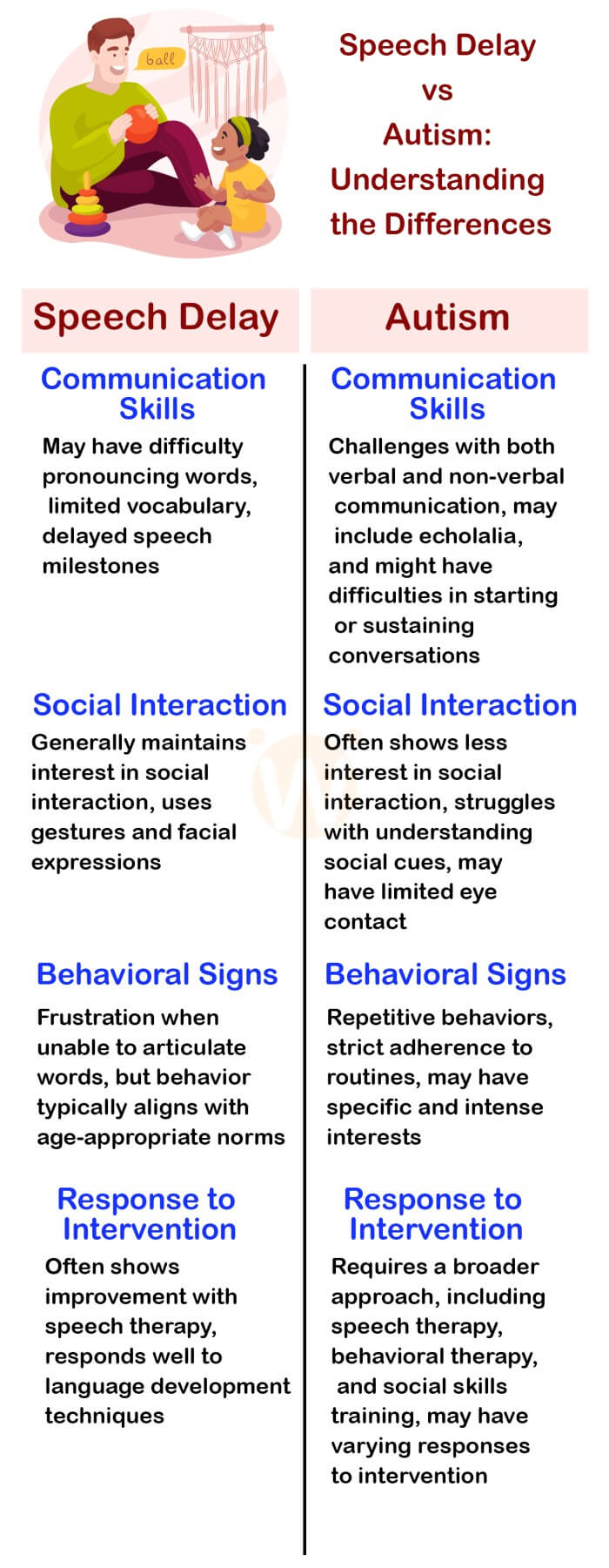
Credit: www.mywellnesshub.in
Frequently Asked Questions
At What Age Is Speech Considered Delayed?
Speech is considered delayed if a child isn’t speaking simple words by 12-15 months. By age 2, they should form two-word sentences. If these milestones are not met, consult a healthcare professional for an evaluation. Early intervention can help address potential speech and language delays effectively.
What Is A Red Flag For Speech Delay?
A red flag for speech delay includes not using simple words by age two or limited vocabulary growth. Difficulty in understanding simple directions or not forming two-word phrases can also indicate a problem. Consult a healthcare professional if these signs are observed in your child.
When Is A Child Considered A Late Talker?
A child is considered a late talker if they have limited vocabulary by age 2. Typically, late talkers have fewer than 50 words and struggle to combine words into sentences. Early intervention can help improve language skills. Consult a pediatrician for guidance and support.
How To Tell The Difference Between Speech Delay And Autism?
Speech delay focuses on communication skills alone. Autism includes challenges with social interaction, behavior, and sensory processing. Early diagnosis requires professional evaluation to distinguish between the two conditions accurately.
Conclusion
Delayed speech can cause concern for parents. It’s important to understand its signs. Early detection helps with effective intervention. Your child’s speech growth matters. Consult professionals if you notice delays. Engage with your child through talk and play. Support their communication journey with patience.
Every child develops at their own pace. Keep encouraging and observing their progress. Speech milestones vary, but attention is key. Stay informed about speech and language development. Foster an environment for learning and growth. Your child’s voice is precious. Nurture it with love and care.