Building rapport with autistic students in speech therapy can transform your approach and create a more effective learning environment. Imagine unlocking the potential to truly connect with your students, making each session not only productive but also enjoyable.
Your role is crucial, and understanding how to foster this connection can make all the difference. Are you ready to discover simple yet powerful strategies that will help you achieve this? By the end of this article, you’ll have practical insights that can dramatically enhance your interaction with autistic students.
Dive in to explore how these techniques can not only improve communication but also bring a sense of trust and comfort to your sessions.

Credit: lighthouseautismcenter.com
Understanding Autism
Autism is a developmental condition affecting how individuals interact and communicate. Many students with autism experience unique challenges in various aspects of life. Understanding these challenges is crucial for building rapport in speech therapy. By grasping the core characteristics of autism, therapists can tailor their approaches. This ensures effective communication and connection with autistic students.
Characteristics Of Autism
Autism includes a range of symptoms and behaviors. Some students may exhibit repetitive movements or restricted interests. Others might prefer routines and resist changes. Sensory sensitivities, like being overwhelmed by bright lights or loud noises, are common. Understanding these traits helps in creating a supportive environment. Each autistic student is unique, with their own strengths and challenges.
Communication Challenges
Students with autism often face communication difficulties. Some may struggle to express thoughts and emotions verbally. Others might find it hard to understand nonverbal cues, like facial expressions. Social interactions can be challenging, causing anxiety or frustration. It’s important to use clear, simple language during therapy sessions. Visual aids and gestures can help enhance understanding. Building trust is essential for overcoming these communication barriers.
Importance Of Building Rapport
Building rapport is crucial in speech therapy for autistic students. It lays a foundation for effective communication and trust. Without it, therapy sessions can feel impersonal and ineffective. Establishing a connection makes students feel valued and understood.
Benefits For Learning
Creating rapport enhances the learning process. Students feel more at ease. They engage better in activities. This comfortable environment fosters participation. It encourages students to express themselves freely. A strong rapport can lead to improved speech outcomes.
Emotional Connection
Rapport nurtures an emotional bond between therapist and student. This bond is vital for emotional security. Students feel supported and less anxious. A secure emotional connection boosts confidence. It allows students to explore communication challenges without fear.
Effective Communication Strategies
Building a connection with autistic students in speech therapy requires effective communication strategies. Each student is unique, and understanding their way of communicating is crucial. This approach helps in creating a supportive learning environment. By tailoring communication strategies, you can enhance the therapy experience.
Using various techniques, such as nonverbal cues and active listening, can make a significant difference. These methods are essential in bridging the communication gap.
Nonverbal Communication
Nonverbal communication plays a key role in interacting with autistic students. Body language, facial expressions, and gestures convey messages without words. Use clear and consistent gestures to support verbal instructions. This helps students understand your intentions better.
Maintain eye contact, but be sensitive to the student’s comfort level. Some may find direct eye contact overwhelming. Observe their responses and adjust accordingly. A gentle smile can provide reassurance and build trust.
Listening Techniques
Listening actively to autistic students encourages open communication. Show interest by nodding and using verbal affirmations. This ensures the student feels heard and valued. Avoid interrupting them, giving them time to express themselves fully.
Sometimes, students may struggle to find words. Be patient and provide prompts if needed. Reflect back what they’ve said to confirm understanding. This technique helps in clarifying any confusion and reinforces their confidence.
Creating A Supportive Environment
Building rapport with autistic students in speech therapy starts here. A supportive environment encourages trust and communication. It helps students feel safe and understood. This foundation is crucial for their progress. Now, let’s explore some key elements.
Safe And Comfortable Spaces
A therapy room should feel welcoming and calm. Soft lighting can reduce stress. Minimize distractions by using neutral colors. Comfortable seating helps students relax. Sensory-friendly tools are also beneficial. Consider noise-canceling headphones or stress balls.
Personalize the space for each student. This makes them feel valued. Display their interests or achievements. It shows you care about their world.
Routine And Consistency
Consistent routines build trust. They help students know what to expect. Use visual schedules to outline the session. This reduces anxiety and confusion. Predictability provides comfort.
Stick to regular session times. Consistency in timing supports familiarity. It also helps set clear expectations. This stability nurtures a sense of security.
Personalizing Interactions
Personalizing interactions in speech therapy for autistic students can be transformative. Each student has unique needs and preferences. Understanding these can greatly enhance therapy effectiveness. Building rapport begins with recognizing individuality. Tailoring your approach makes students feel valued and understood.
Understanding Individual Needs
Every autistic student is different. Their communication styles vary. Some may prefer visual aids. Others might respond better to verbal cues. Observe their reactions. Listen to their preferences. Ask about their interests. This helps in understanding their needs. Tailor your approach accordingly. Make them comfortable. Build trust through empathy.
Adapting Techniques
Adapt your techniques to suit each student’s needs. Use flexible strategies. If a visual aid works, use it often. Try different activities. Measure their engagement. Some may enjoy storytelling. Others might prefer games. Adjust your methods based on feedback. Be patient. Experiment with various approaches. Find what works best. This personalization enhances learning.
Using Visual Aids
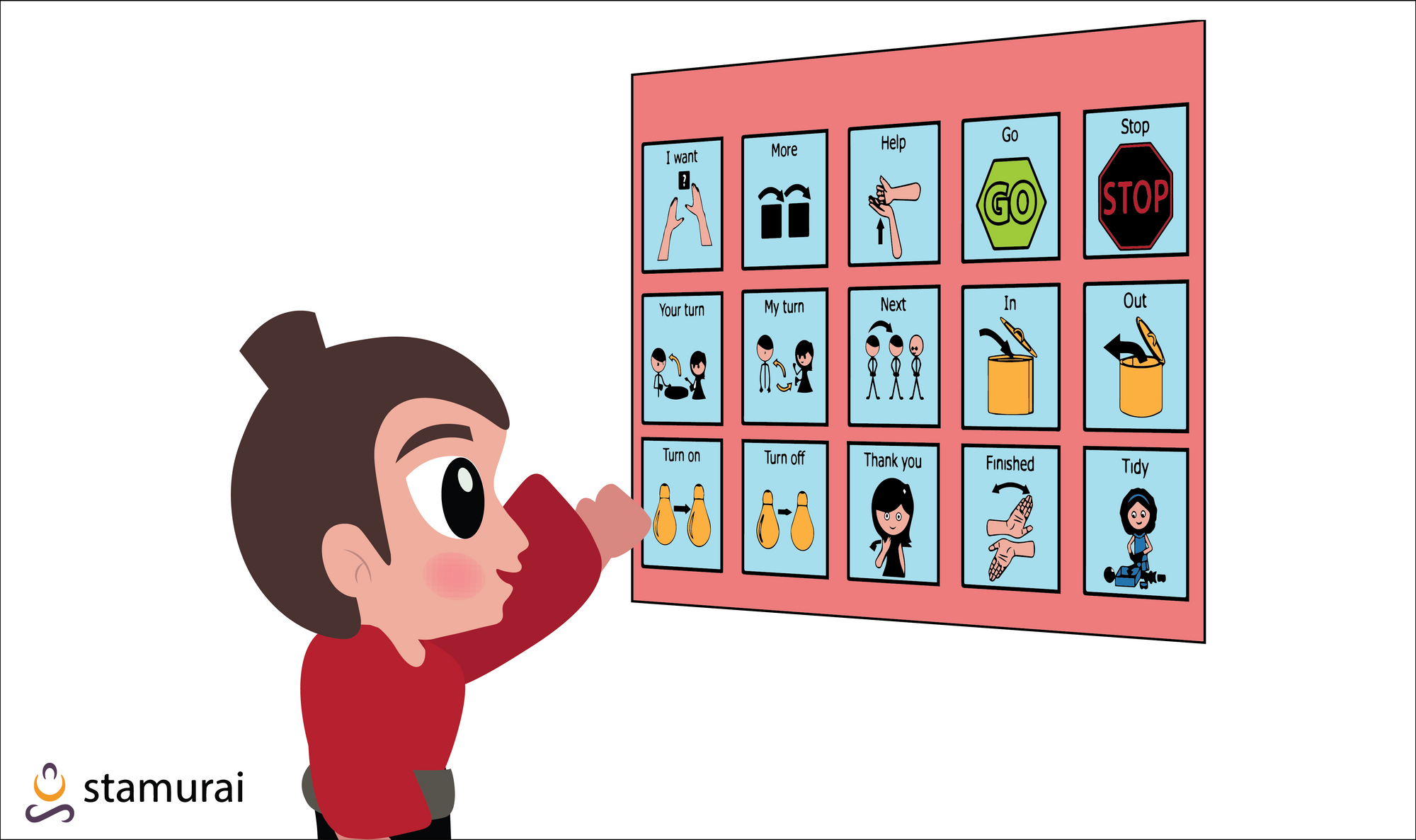
Building rapport with autistic students in speech therapy is vital. Visual aids are powerful tools for enhancing communication. They provide clarity and support understanding. They bridge the gap between verbal instructions and comprehension. Visual aids help in making abstract concepts concrete. They are essential in creating a comfortable learning environment.
Types Of Visual Aids
Visual aids come in various forms. Picture cards are popular and effective. They use images to convey messages simply. Symbols and icons represent ideas or actions. Schedules outline the day’s activities clearly. They help students anticipate and prepare. Social stories illustrate social situations. They guide behavior and responses. Videos provide dynamic examples. They engage students visually and audibly.
Benefits For Communication
Visual aids enhance understanding. They reduce confusion and anxiety. Students process information at their own pace. This approach respects individual learning styles. Visual aids also improve focus. They capture and hold attention. They support memory retention. Repeated exposure reinforces concepts. Visual aids foster independence. Students learn to refer to them as needed.
Building Trust And Respect
Building trust and respect with autistic students in speech therapy involves understanding their unique communication needs. Create a safe, supportive environment where they feel comfortable expressing themselves. Consistent, empathetic interactions foster rapport and enhance therapy outcomes.
Building trust and respect is crucial in establishing a positive rapport with autistic students during speech therapy. Trust acts as the foundation for any meaningful interaction, especially in therapeutic settings. Without it, students may feel anxious or resistant, making progress difficult. Respect, on the other hand, ensures that students feel valued and understood, which encourages openness and engagement. As a speech therapist, how can you effectively foster these essential elements?
Empathy In Practice
Empathy goes beyond just understanding; it involves actively listening and showing genuine interest in a student’s experiences and feelings. When you practice empathy, you acknowledge the student’s perspective, making them feel heard and valued. Consider sharing a story of when you felt misunderstood and how it affected you. This can open a dialogue where students feel safe to express their emotions and thoughts. Ask yourself, how might you feel if your struggles were dismissed?
Respecting Boundaries
Every student has their own set of boundaries, especially in a speech therapy setting. Recognizing and respecting these boundaries is vital in building trust. Start by asking students what makes them comfortable or uncomfortable. This not only shows respect for their personal space but also empowers them to have control over their therapy experience. Remember a time when you felt overwhelmed because your boundaries were ignored. How did that impact your willingness to participate? Use that insight to ensure you never push a student beyond their comfort zone.
Final Thoughts Building trust and respect with autistic students in speech therapy requires patience, empathy, and a keen sense of observation. By actively practicing empathy and respecting boundaries, you pave the way for a successful and enriching therapeutic journey. Are you ready to make a difference?
Credit: www.stamurai.com
Collaborating With Families
Building rapport with autistic students in speech therapy requires family collaboration. Families hold vital insights into their child’s communication needs. This partnership can enhance therapeutic outcomes. Therapists and families can work together to support the child’s progress. Effective communication with families fosters trust and understanding. It also helps therapists tailor their approach to each child’s unique needs.
Involving Parents
Parents are key partners in speech therapy. Their involvement is crucial for understanding the child’s strengths and challenges. Encourage parents to share observations from home. These insights can guide therapy sessions. Discuss strategies that parents can use outside sessions. This ensures consistent practice and reinforcement.
Invite parents to be part of the therapy process. Share goals and plans with them. This transparency builds trust and cooperation. Encourage their feedback during therapy. This helps refine approaches to better suit the child.
Sharing Progress
Regular updates about the child’s progress are essential. Share detailed reports with families. Highlight improvements and areas needing attention. Use simple language and clear explanations. This makes information accessible to non-native speakers.
Invite families to celebrate achievements. This boosts the child’s confidence and motivation. Discuss future steps and goals. Set realistic expectations and involve families in planning. This collaborative approach ensures everyone works towards the same objectives.
Professional Development
Professional development is crucial for therapists working with autistic students. It enhances skills and understanding in speech therapy. Investing time in learning ensures effective communication strategies. A well-informed therapist builds better rapport and trust with students. Continuous learning helps adapt to each student’s unique needs.
Training Opportunities
Various training programs focus on autism and speech therapy. These courses offer insights into effective communication techniques. Workshops provide hands-on experience with real-life scenarios. Online webinars offer flexibility for busy professionals. Certification programs validate skills and knowledge in autism therapy.
Staying Informed
Keeping up with the latest research is vital. New studies provide fresh insights into autism and communication. Reading journals helps therapists stay updated on trends. Joining professional networks encourages knowledge sharing among peers. Attending conferences offers access to expert opinions and innovative practices.
Credit: azaunited.org
Frequently Asked Questions
How Do You Build Rapport With Students With Autism?
Use clear communication and visual aids to foster understanding. Engage in activities related to their interests. Show patience and empathy, creating a safe environment. Encourage social interaction through structured routines. Listen actively and respect their space, building trust gradually.
How To Build Rapport In Speech Therapy?
Build rapport in speech therapy by actively listening, showing empathy, and maintaining eye contact. Use encouraging words and positive reinforcement. Establish trust by being consistent and reliable. Tailor sessions to individual interests and goals. This fosters a comfortable and supportive environment, enhancing client engagement and progress.
How Do You Help An Autistic Child With Speech Therapy?
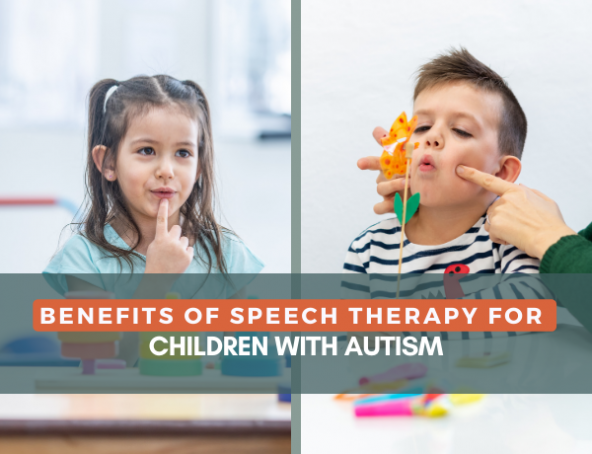
Help an autistic child with speech therapy by using visual aids, practicing social skills, and encouraging communication. Incorporate play-based activities to make sessions engaging. Tailor strategies to the child’s individual needs, focusing on improving language skills and understanding. Consistency and patience are crucial for progress.
How To Build Rapport In Aba Therapy?
Build rapport in ABA therapy by being consistent, engaging, and patient. Use positive reinforcement and active listening. Incorporate the child’s interests into activities and maintain a calm, welcoming environment. Establish trust through empathy and clear communication.
Conclusion
Building rapport with autistic students in speech therapy is crucial. This connection fosters trust and enhances communication. Simple gestures matter. A genuine smile or nod can make a difference. Use clear words. Listen actively and show empathy. Patience is key.
Every student learns at their own pace. Celebrate small victories together. Create a safe space for expression. Encourage questions. Share stories and experiences. These actions build understanding. Rapport leads to better outcomes in therapy. Keep these tips in mind. You can make a positive impact.