
Are you worried about your toddler’s speech development? You’re not alone.
Many parents find themselves asking, “Do speech delayed toddlers catch up? ” It’s natural to be concerned if your little one isn’t hitting those verbal milestones as expected. But before you let anxiety take over, let’s explore what this really means for your child’s future.
Understanding speech delays can help you feel more in control and empowered to support your toddler’s growth. We’ll dive into the reasons behind speech delays, the typical developmental timeline, and most importantly, whether your child is likely to catch up. Stay with us as we unravel the mystery behind those first words and what you can do to help your child find their voice.
Causes Of Speech Delay
Toddlers with speech delays often catch up with their peers. Causes vary from hearing issues to developmental disorders. Early intervention can help improve their communication skills effectively.
Understanding the causes of speech delay in toddlers can be a puzzle for many parents. With the little ones growing rapidly, you might wonder why some toddlers are not talking as expected. Various factors contribute to speech delays, and knowing these can help you support your child effectively.Common Factors
Several common factors can lead to speech delays in toddlers. Hearing problems are often a significant reason. If a child cannot hear well, they may struggle to mimic sounds and words. Environmental factors also play a role. Children who grow up in bilingual homes might take longer to speak as they are processing two languages simultaneously. Moreover, lack of interaction can impact speech development. If a toddler isn’t engaged in conversations or exposed to language-rich environments, their speech might lag. Have you noticed how some kids chatter away when constantly spoken to?Developmental Milestones
Keeping an eye on developmental milestones is crucial. By 12 months, most children should be saying a few words and understanding simple instructions. If your child isn’t reaching these milestones, it might be time to consult a pediatrician. Did you know that milestones vary? Some toddlers might excel in physical activities but lag in speech. It’s essential to recognize that each child is unique. Consider creating a simple chart to track your toddler’s progress. Seeing improvements can reassure you, while identifying gaps can prompt you to seek advice or intervention. Are you tracking your child’s speech milestones effectively? Understanding these causes and factors can empower you to take action. Whether through engaging activities or seeking professional advice, there are ways to support your child’s speech development.Impact On Learning
Speech-delayed toddlers often catch up with the right support and intervention. Early diagnosis and therapy can significantly boost their communication skills. Engaging in interactive activities and fostering a language-rich environment helps them progress effectively.
The journey of a speech-delayed toddler can be a rollercoaster for both the child and the parents. One burning question often lingers: How does this delay impact a child’s learning? Understanding the connection between speech delays and a toddler’s overall development is crucial. It can offer clarity and reassurance as you navigate this path.Cognitive Development
Speech is a fundamental part of cognitive development. When a toddler experiences delays, it can affect how they process information. Imagine trying to learn new words or concepts without a voice to express them. This can lead to frustration and may slow cognitive growth. However, many children with speech delays do catch up. Engaging them in activities that stimulate thinking, like puzzles and storytelling, can help bridge the gap.Social Interaction
Social interaction is where speech delays can become most evident. Toddlers learn a lot about communication through play and interaction with peers. A speech delay might make it harder for your child to express themselves, potentially leading to feelings of isolation. They might shy away from group activities or show hesitance in new social settings. But there’s hope. Encourage playdates and simple group activities. These experiences can boost confidence and help your child develop essential social skills. As you support your child, remember that every small step is progress. How do you ensure your toddler feels included and understood despite their speech delay? Your actions can make a world of difference.Early Intervention Strategies
Speech delayed toddlers often catch up with early intervention strategies. These methods include speech therapy and engaging activities. They help improve language skills and communication abilities in young children.
Early intervention strategies are crucial for toddlers experiencing speech delays. Taking action during the early stages can significantly impact a child’s ability to catch up with their peers. By addressing these delays head-on, you not only boost your child’s confidence but also equip them with essential communication skills. ###Speech Therapy Techniques
Speech therapy can be a game-changer for toddlers with delayed speech. Therapists often use play-based activities, making sessions fun and engaging. Imagine your child playing with toys while learning new words and sounds—they won’t even realize they’re in a therapy session! Techniques such as modeling correct pronunciation and using repetition are commonly employed. For instance, if your child is trying to say “ball,” the therapist might repeat “ball” several times in a playful manner to reinforce the word. Consider how music and rhythm can also aid in speech development. Singing songs with repetitive lyrics can enhance your child’s language skills without them even noticing they’re learning. ###Parental Involvement
Your role as a parent is vital in your child’s speech development journey. Incorporating speech exercises into daily routines can make a significant difference. Reading bedtime stories with enthusiasm and varied voices can capture your child’s attention and increase their interest in words. Engage with your child during everyday activities. During a grocery shopping trip, point out and name items together. This simple exercise transforms an ordinary errand into an educational experience. Have you considered creating a communication-friendly environment at home? Encourage your child to express themselves, even if it’s through gestures or sounds initially. Your encouragement can empower them to use their words more confidently over time. Are you curious about other ways to support your child’s language development? Small changes in your daily interactions can lead to big improvements in their communication skills.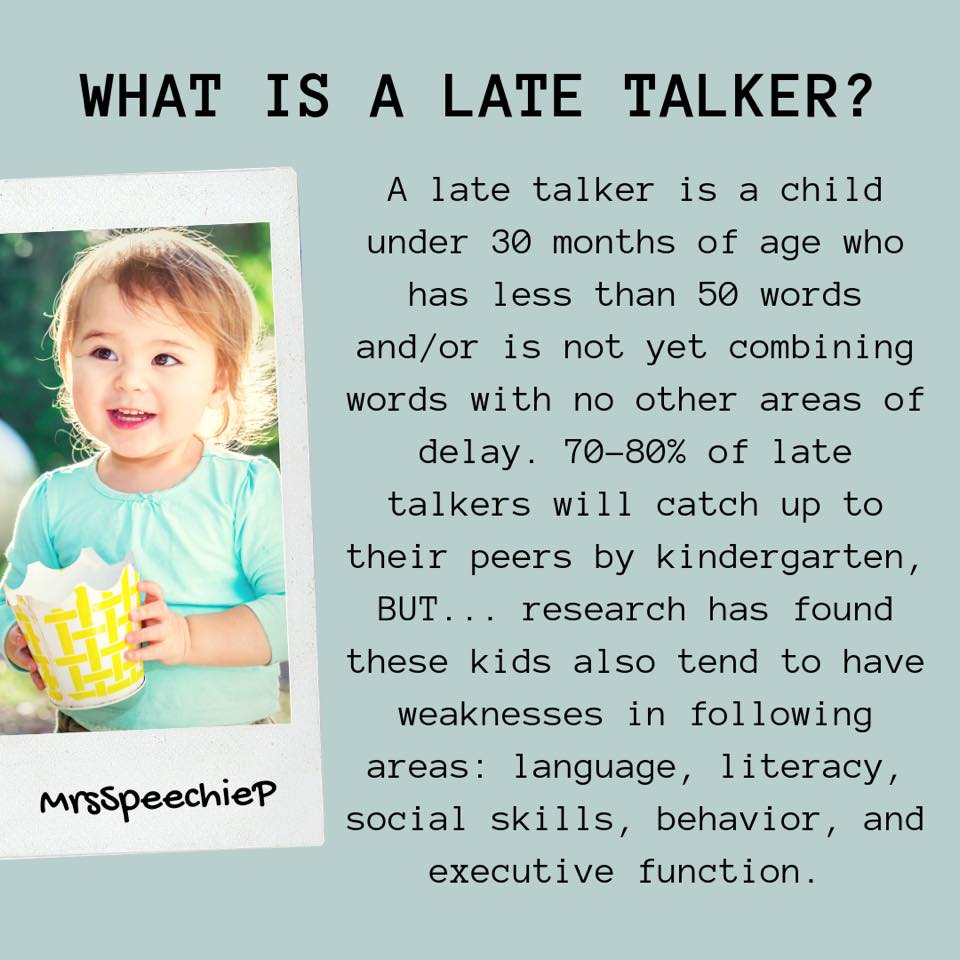
Credit: www.facebook.com
Success Stories
Success stories of speech-delayed toddlers catching up can be incredibly inspiring and reassuring for parents navigating this challenging phase. Hearing about kids overcoming their initial struggles often brings hope and strength. It also offers practical advice and valuable insights that could benefit your child’s journey.
Case Studies
Consider the story of Anna, who at age two had a limited vocabulary, causing concern for her parents. After consulting a speech therapist, Anna’s parents learned simple techniques like reading aloud and interactive play. Within months, Anna began to express herself more confidently, eventually catching up with her peers.
Similarly, Tom’s family faced the frustration of his speech delay at age three. They incorporated music and rhythmic activities into his routine, sparking his interest in sounds. By engaging him in sing-alongs, Tom gradually improved his speech and even developed a love for music.
Expert Testimonials
Dr. Susan Lee, a renowned speech therapist, emphasizes the importance of early intervention. She recalls instances where timely therapy sessions led to remarkable improvements. Her advice is to remain patient and persistent, ensuring that therapy is a part of daily life.
Another expert, John Carter, shares insights from his extensive experience. He highlights the role of parental involvement, stating that children often respond better when their parents actively participate in therapy. He insists that parents should never underestimate their influence in their child’s progress.
Have you ever wondered how much impact your involvement can have on your child’s speech development? Success stories like Anna’s and Tom’s show that a little effort and the right guidance can lead to significant improvements.
What steps are you taking today that could transform your child’s tomorrow?
Long-term Outcomes
Understanding the long-term outcomes for speech-delayed toddlers is crucial. Parents often wonder if their child will catch up. Speech delays can impact various aspects of life. Let’s explore how these delays affect academic performance and communication skills.
Academic Performance
Speech delays might influence a child’s academic journey. Learning often relies on verbal communication. Toddlers with speech delays may face challenges in school. Early speech therapy can help address these issues. Supportive environments foster learning and growth. Teachers can play a key role in adapting lessons. Children with speech delays can thrive academically with the right support.
Communication Skills
Communication is vital for social interaction. Speech-delayed toddlers may struggle to express themselves. Social skills can be affected by communication barriers. Speech therapy enhances these skills over time. Encouraging interaction with peers helps improve communication. Family support is crucial in this process. Speech-delayed toddlers can develop strong communication skills with patience and practice.

Credit: www.expressable.com
Expert Advice
Many parents worry about their toddlers’ speech delays. Experts believe most children catch up, especially with early intervention. Each child develops at their own pace. Professional guidance can make a big difference.
Speech therapists suggest ways to encourage language development. They recommend talking to your child often. Read books together. Sing songs. These activities promote speech growth. A therapist can assess your child’s needs and create a personalized plan.
Tips For Parents
Engage your toddler in conversations. Ask open-ended questions. Listen patiently to their responses. Praise their attempts to communicate.
Use simple language. Repeat words often. Describe daily activities. This helps build their vocabulary.
Play with your child. Use toys that encourage speech. Puppets and dolls are great options. They promote storytelling and imagination.
Resources And Support
Speech therapy centers offer valuable support. Many provide group sessions and individual therapy.
Online forums connect parents facing similar challenges. Share experiences. Learn from others.
Books and guides are available. They offer insights into speech development. Libraries can be a great resource.
Community programs often host workshops. Attend these to gain knowledge. Meet other parents. Learn effective strategies.

Credit: estipforchildren.com
Frequently Asked Questions
How Long Does It Take For Speech Delay To Catch Up?
Speech delay catch-up varies. Most children improve by age 3 or 4 with therapy. Regular assessments help track progress. Early intervention is crucial for faster improvement. Consult a speech therapist for personalized guidance. Each child is unique, so timelines differ.
Can A Toddler Outgrow A Speech Delay?
Yes, many toddlers can outgrow speech delays with early intervention and support. Speech therapy often helps improve communication skills. Regular practice and encouragement from parents also play a crucial role in language development. Consult a pediatrician for personalized advice and assessment of your child’s progress.
Can A Child Catch Up From A Speech Delay?
Yes, many children can catch up from a speech delay with early intervention and therapy. It’s important to consult a speech therapist for personalized strategies. Early detection and consistent practice significantly improve outcomes, promoting better communication skills over time.
Do Most Late Talkers Catch Up?
Most late talkers catch up by preschool age. Early intervention can speed up language development. Parents should consult a speech therapist if concerned. Many children develop communication skills naturally over time. It’s important to monitor progress and provide supportive learning environments.
Conclusion
Parents often worry about speech delays in toddlers. Most children eventually catch up. Early intervention can help. Speech therapy can boost communication skills. Encourage talking through play and reading. Patience is key. Children develop at their own pace. Consult experts if concerned.
Every child is unique. Celebrate small progress steps. Positive reinforcement works wonders. Stay informed and supportive. With love and patience, many toddlers thrive.